Newsletters


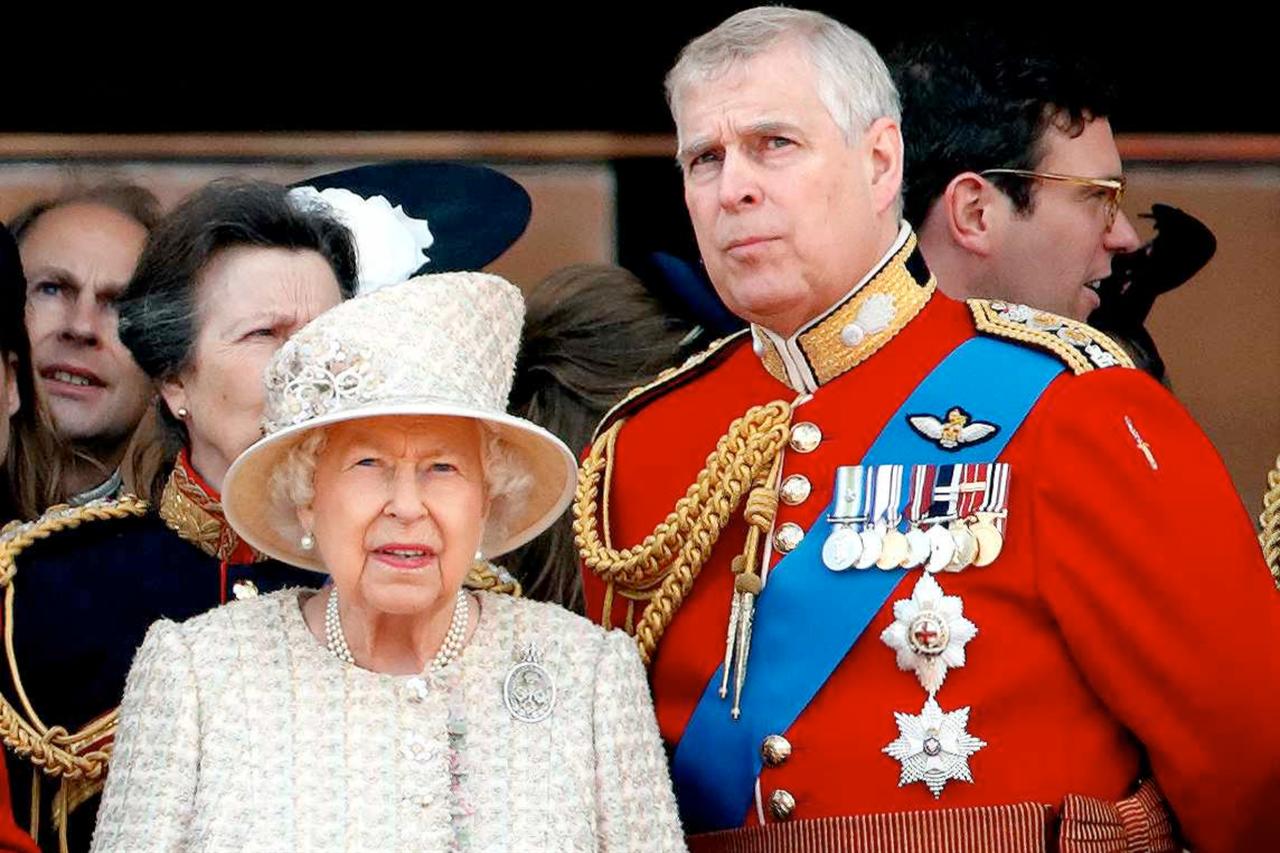


The arrest of the man now known as Andrew Mountbatten-Windsor on his 66th birthday was a masterclass in clinical, cold-blooded efficiency.
For anyone following the drip-feed of the "Epstein Files," the image of the former prince being detained on suspicion of "misconduct in public office" felt like the final snap of a cord that has been fraying for years.
The historic arrest at Wood Farm followed allegations that he improperly shared confidential government trade reports with Jeffrey Epstein.
This specific charge of misconduct in public office led to eleven hours of questioning in a standard custody cell at Aylsham police station, and it carries a potential life sentence.
King Charles III didn't reach for the traditional, vague royal script. Instead, he issued a statement starting with a jarringly personal “I,” making it clear the authorities would have his “full and wholehearted support.”
It was a total departure from the era of the late Queen Elizabeth II, a woman who famously spent seven decades ensuring the drawbridge was never fully pulled up on her "favorite son."
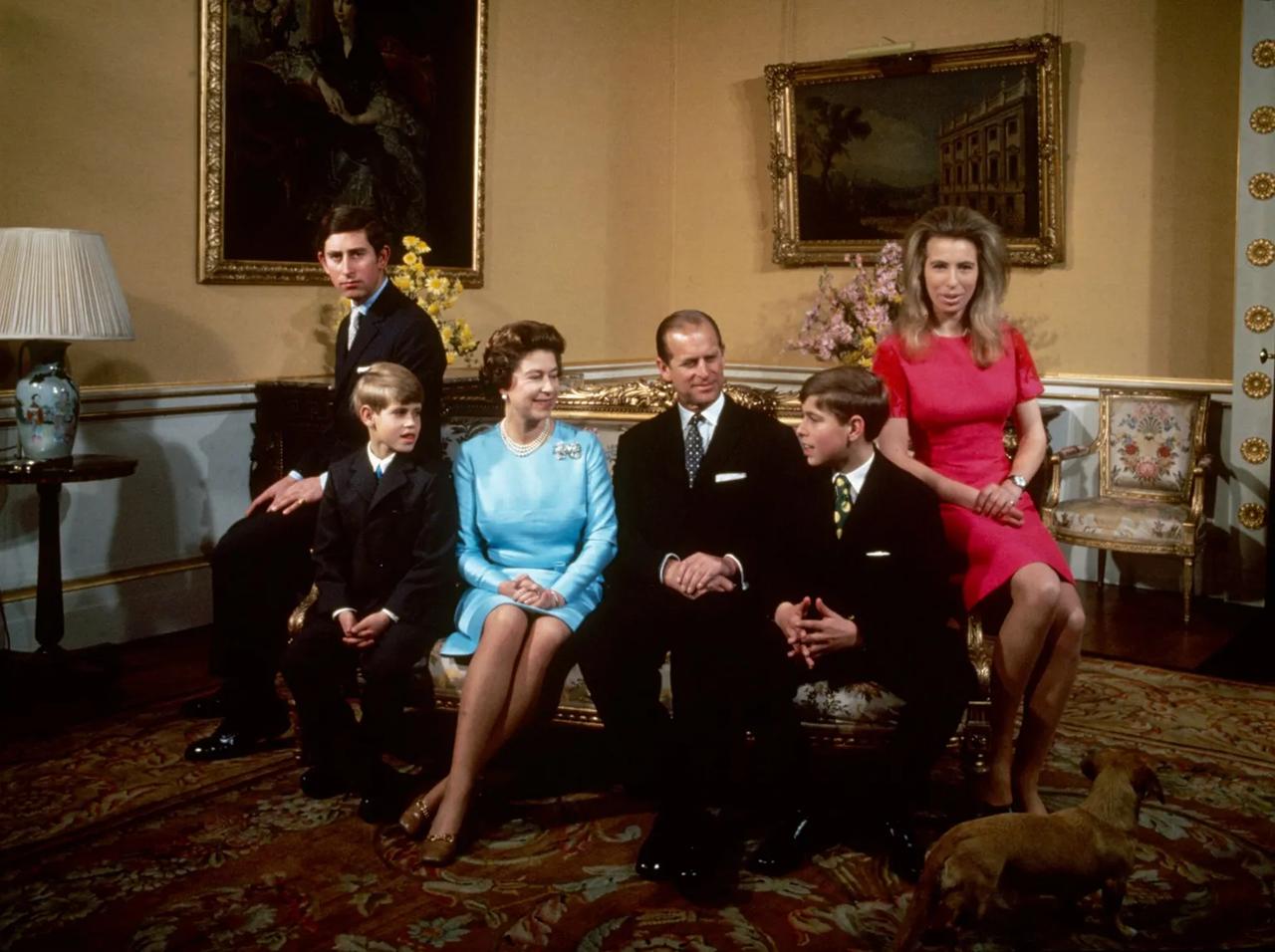

To understand why this arrest feels like a cultural earthquake, you have to look at the nursery.
Andrew wasn’t just a son; he was the queen's second chance at parenting. While she had been a distant, formal monarch for a young Charles, she was famously "hands-on" with her third child.
Royal biographer Penny Junor noted that by the time Andrew arrived in 1960, the Queen was a "strong-willed 33-year-old monarch" determined to spend more time with her children.
She even allotted specific time to be with the baby in her leather-bound appointment book. The society photographer Cecil Beaton, who was permitted to take the first family portraits, wrote in his diaries that the infant Andrew "looked like a Spanish Christ as it waved its strong little arms."
This indulgence wasn't just about cuddles; it was institutional.
In 2001, when Andrew needed a career after the Navy, the Queen appointed him as a UK special representative for international trade. It was an appointment that Charles reportedly saw as “a disaster waiting to happen.”
In his book entitled "The Rise and Fall of the House of York," historian Andrew Lownie quotes a royal source stating that Charles feared Andrew would not “be able to resist the temptation of mixing business with pleasure.”
Despite these warnings, the Queen's support remained a "vital" factor in securing a role that eventually earned him the tabloid moniker "Air Miles Andy."
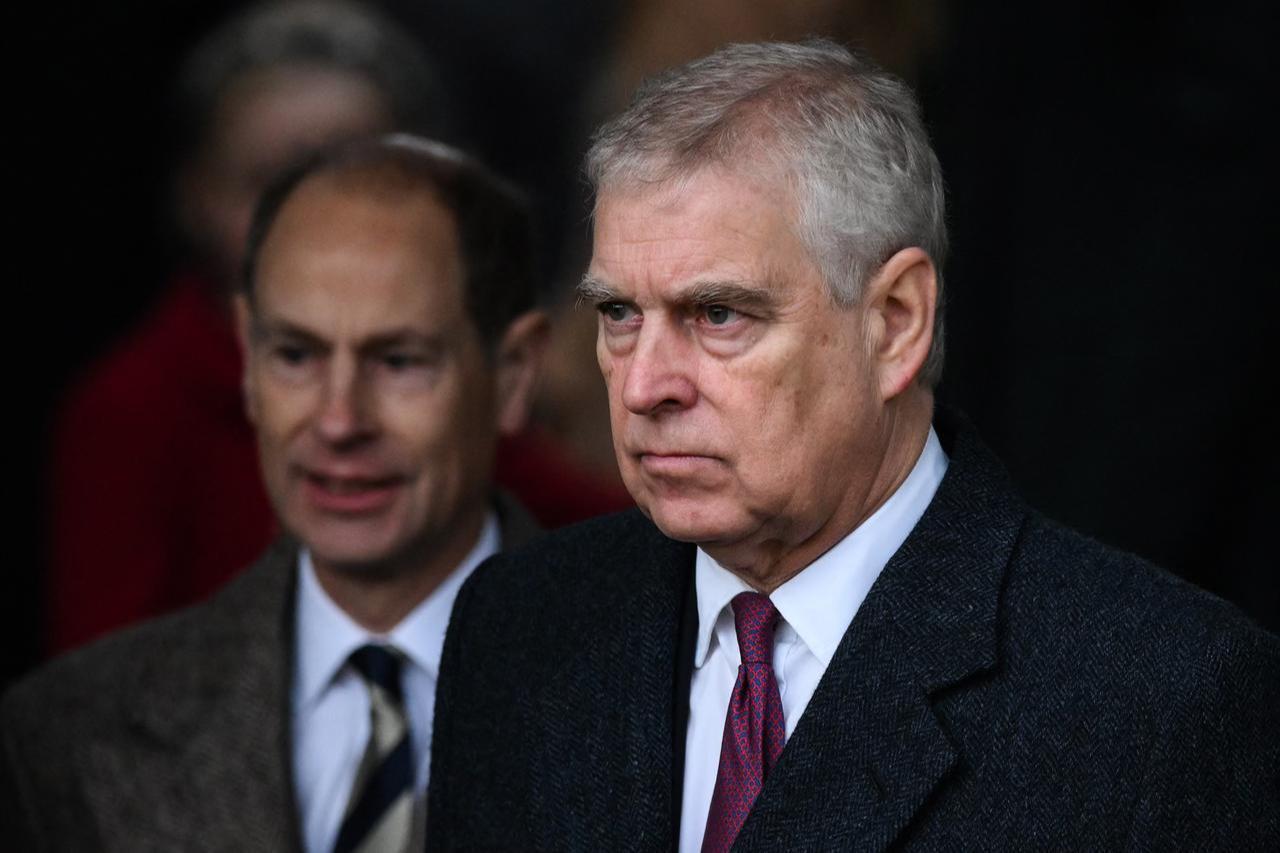
In the wake of this scandal, a tired trope has resurfaced: blaming the mother.
Royal commentator Tina Brown, speaking on The New York Times podcast The Interview, was blunt about this dynamic.
"She [Elizabeth] was the one who protected him," Brown argued, "so, unfortunately, it made him worse." Brown contends that Andrew’s fall from grace was enabled over decades by a monarch who reigned for 70 years, noting that the "hagiography around the Queen is intense" and that, historically, "you're not allowed to ever criticize the Queen."
However, looking at the queen's motives reveals a more complex picture than mere "spoiling." Elizabeth II was a woman who had to act as the front for a brand and the custodian of an enduring legacy while navigating the minefield of a dysfunctional family.
There is a sense that her indulgence of Andrew was a reaction to her own history; having been a distant, formal parent to a young Charles, she seemed determined to "get it right" with her second batch of children.
On the other hand, her approach was also an exercise of monarchical power that prioritized institutional survival over accountability.
To Elizabeth, protecting Andrew acted as a silencing mechanism that kept the family’s dirty laundry behind palace walls, regardless of the cost to the women seeking justice.
By the way, if the Queen’s "pampering" is truly responsible for creating a monster, why didn't it have the same effect on his brother, Edward?
Prince Edward was part of that same "second family" raised in the same relaxed era. Yet, while Andrew was earning his "Randy Andy" reputation, Edward was keeping his life remarkably discreet. In fact, following the latest revelations, it was Edward who publicly broke the silence to remind everyone that "there are a lot of victims in all this."
If the parenting was the same, the difference lies in the person.
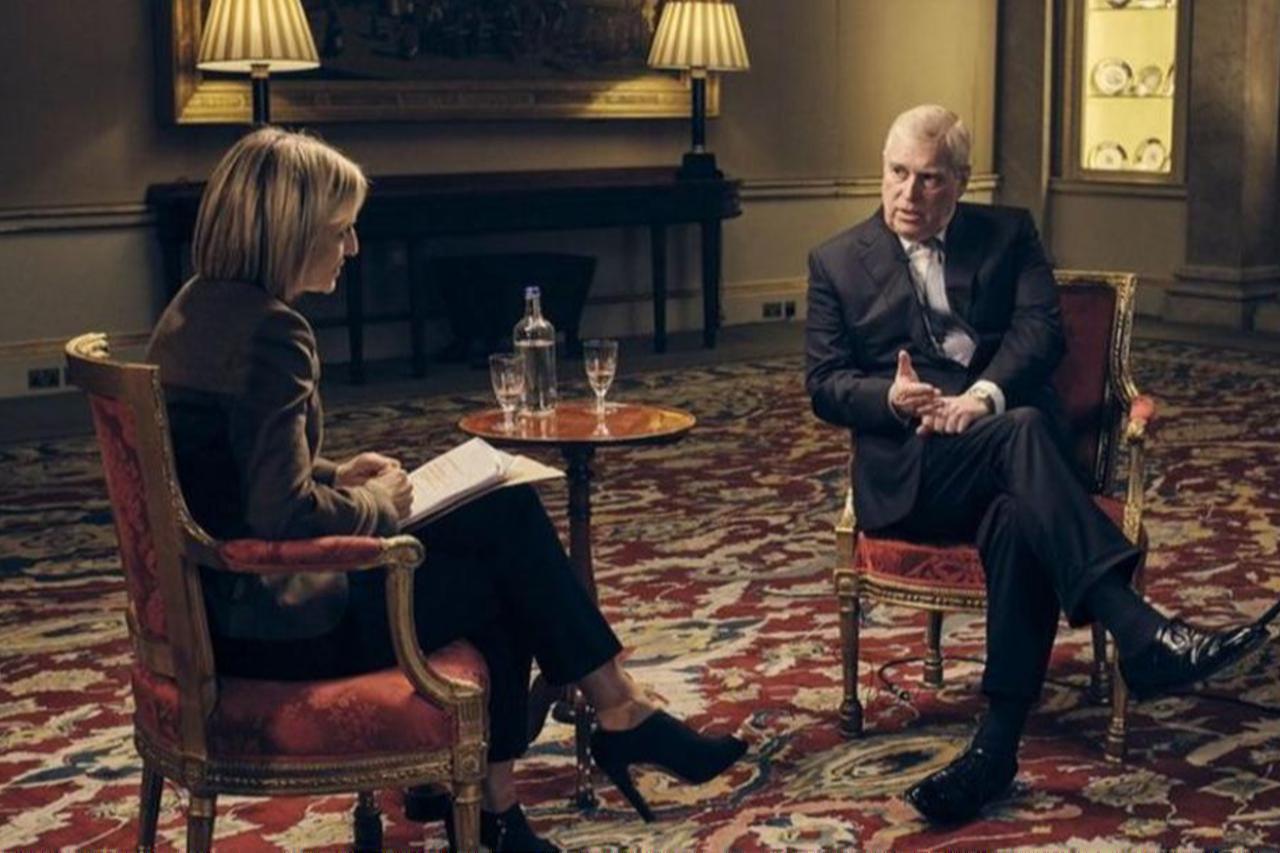
If the late Queen were alive today, the police might still have knocked, but we would never have seen that "haunting" photograph of Andrew slumped in the back seat of a car after his interrogation.
Elizabeth II was a master of the symbolic gesture, and she used her sovereign power to manage Andrew's optics for years, effectively providing a royal shield that his victims could not penetrate.
As biographer Ingrid Seward told Town & Country Magazine, the Queen "knows where the photographers hang out," and she used that knowledge to protect her son’s dignity.
When the press was biting after his disastrous 2019 interview, she would pointedly ride horses with Andrew at Windsor to signal her public support.
Yet, maternal indulgence had its limits. In January 2022, as the legal walls closed in, the Queen made the clinical decision to strip Andrew of his military titles and his "His Royal Highness" style. It was a rare, public "defrocking" that proved her primary loyalty was always to the Crown.
Even so, just months later, she still chose him to escort her into Westminster Abbey for Prince Philip’s memorial service. Even as the Epstein scandal raged in 2011, she had presented him with the Knight Grand Cross of the Royal Victorian Order to honor his "services to the crown."
So, if Elizabeth were alive today, she would have probably respected the law but also ensured the "Men in Grey Suits" managed the exit so it didn't look like a tabloid feeding frenzy.
Under Charles, however, the drawbridge is well and truly up. Andrew is being treated like any other subject: exposed, distressed, and very much alone. It is the accountability every Epstein associate should face, yet over one thousand victims are still waiting.
The late queen operated on a "family first" policy that simply cannot survive in the cold light of 2026.
As author Catherine Mayer explained, Elizabeth II believed that "protecting the monarchy was her duty as a monarch and that protecting him was her duty as his mother. "
To her, there was possibly no distinction; she treated Andrew as a protected asset of both the family and the Crown.
That era of institutional immunity has officially expired. King Charles and Prince William recognize what Elizabeth perhaps couldn't: the survival of the institution now depends on the clinical sacrifice of the favorite son.
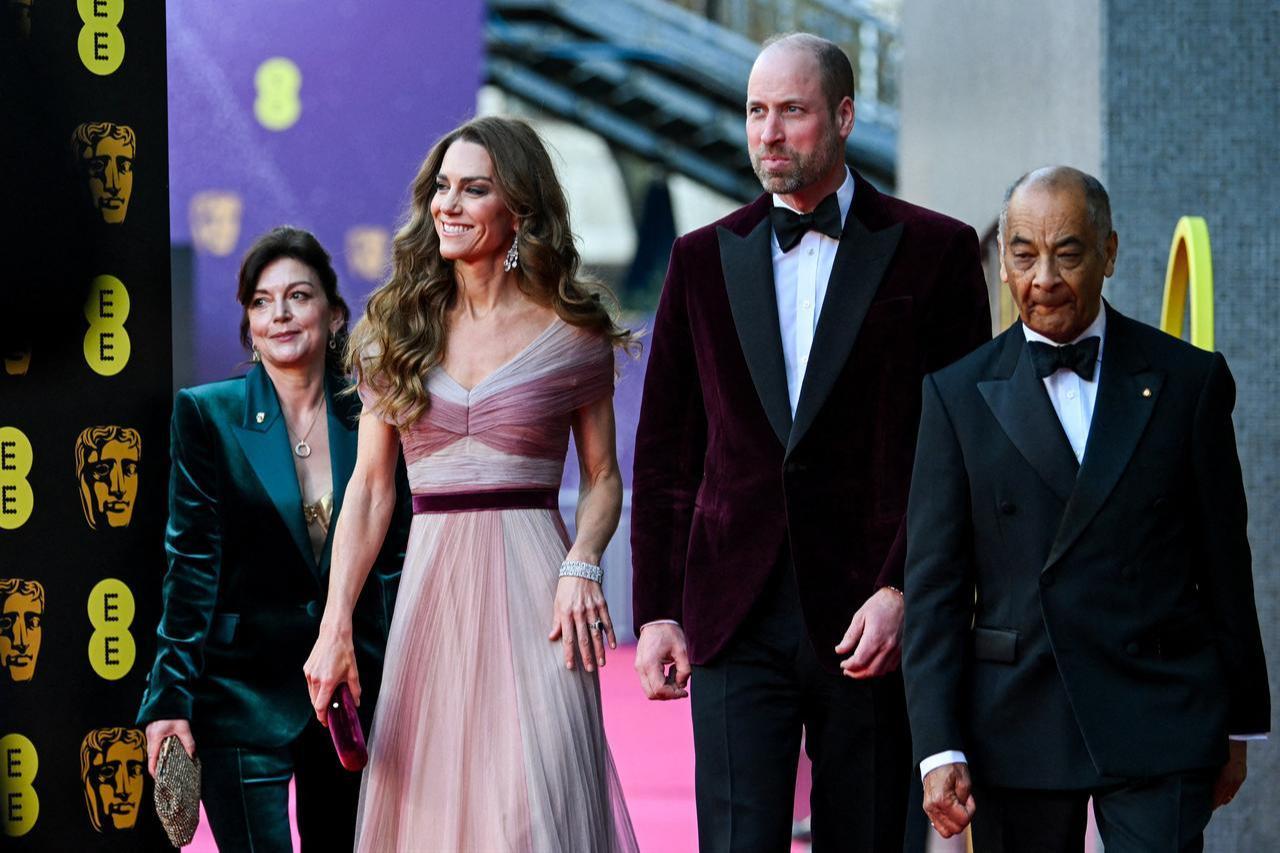
While attending the BAFTAs earlier this week, William admitted to the Daily Mail that he hadn't yet watched the film "Hamnet"—a haunting portrayal of a family’s intergenerational grief. His reason felt like a stark admission of the current palace atmosphere: “I need to be in quite a calm state, and I am not at the moment.”
By issuing a statement that sounds more like a legal disclaimer than a brotherly defense, Charles has officially pulled up the drawbridge.
The Queen’s handbag might have always held a photo of her "Spanish Christ," but Charles’s desk now holds something far more final: the signature for a brother’s potential downfall.
The era of the "protected prince" is over; in its place is a king who has decided that for the Crown to live, the favorite son must finally stand alone.


 Set as preferred source
 Set as preferred source



 2 min read