Newsletters


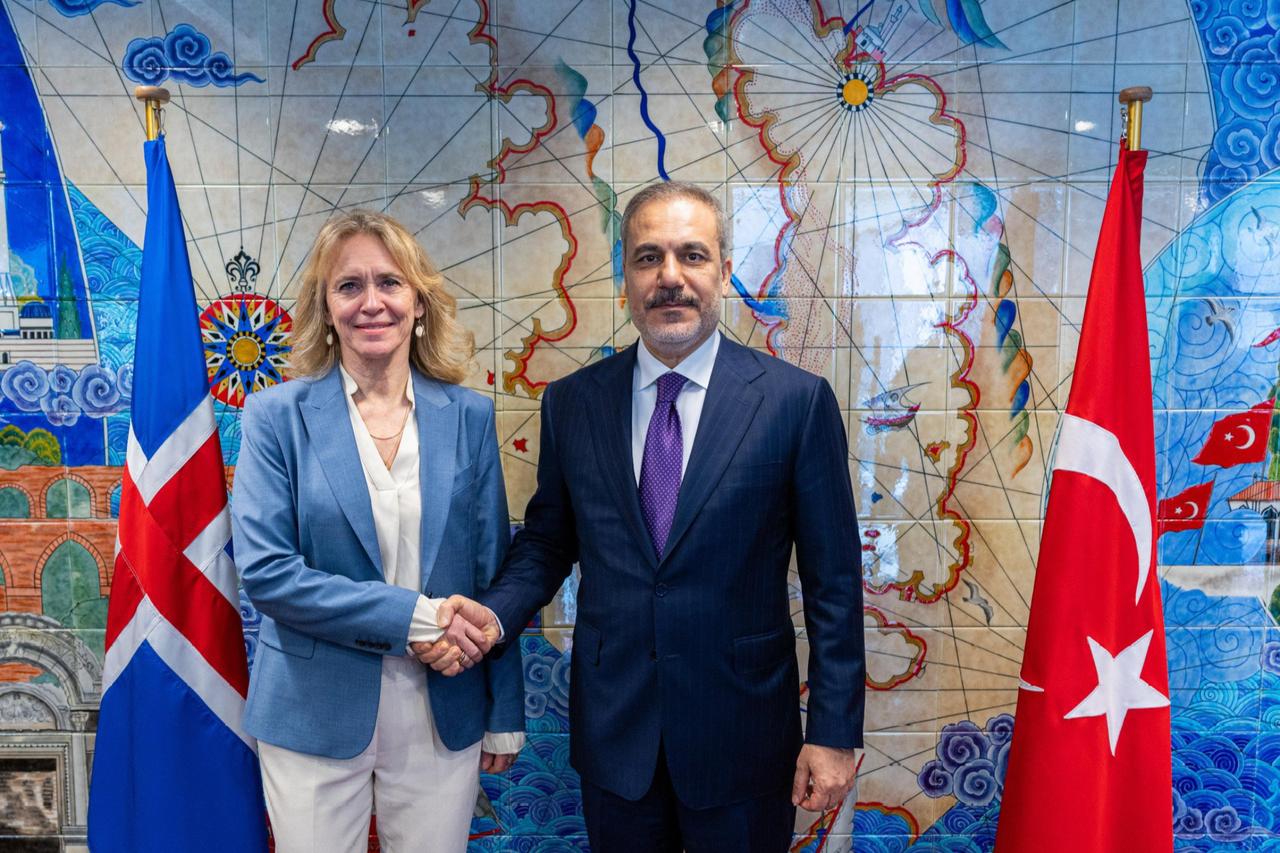


As the "Greenland question" persistently resurfaces in Washington and melting ice opens new maritime corridors, Türkiye is signaling that it no longer views the High North as a peripheral concern as a NATO ally.
By planting its flag in Reykjavik, the Turkish government is positioning itself as a stakeholder in a region where security, energy and sovereignty are rapidly colliding. Opening an embassy in Reykjavik is a step for Türkiye to hold a stake in these emerging conversations.
From this vantage point, Ankara may seek to serve as a mediator—not only between Russia and the West but also among U.S. and Nordic NATO allies as they navigate the shifting geopolitics of the Arctic.
This approach also fits a wider pattern in Turkish foreign policy that prioritizes early engagement and institutional presence. Rather than reacting to developments after they unfold, Ankara is seeking to place diplomatic infrastructure where future political, economic, and security debates are likely to intensify.
Held earlier this week, a phone diplomacy between Foreign Minister Hakan Fidan and his Icelandic counterpart Katrin Gunnarsdottir has accelerated the process. These talks paved the way for plans to open a resident mission in Reykjavik.
Until now, Türkiye’s diplomatic presence in Iceland relied on a combination of an honorary consul and coverage from its embassy in Oslo. Periodic visits by so-called “roving embassy” teams handled consular and diplomatic affairs.
A permanent embassy would allow Ankara to conduct sustained political dialogue, manage growing economic ties, and engage more directly with Icelandic institutions. It also reflects a recognition that Northern Europe now warrants the same level of attention as more traditional regions of Turkish diplomacy.
Iceland is a member of the Arctic Council, the leading intergovernmental forum addressing issues faced by Arctic governments and Indigenous communities. Türkiye has sought observer status in the Council since 2017, with its application still awaiting a positive answer.
By establishing an embassy in Iceland, Ankara demonstrates a willingness to invest diplomatically in the region rather than limiting its engagement to formal applications and declarations.
The embassy would provide Ankara with a platform to follow Arctic debates more closely and to coordinate with like-minded states on environmental, economic, and scientific issues.
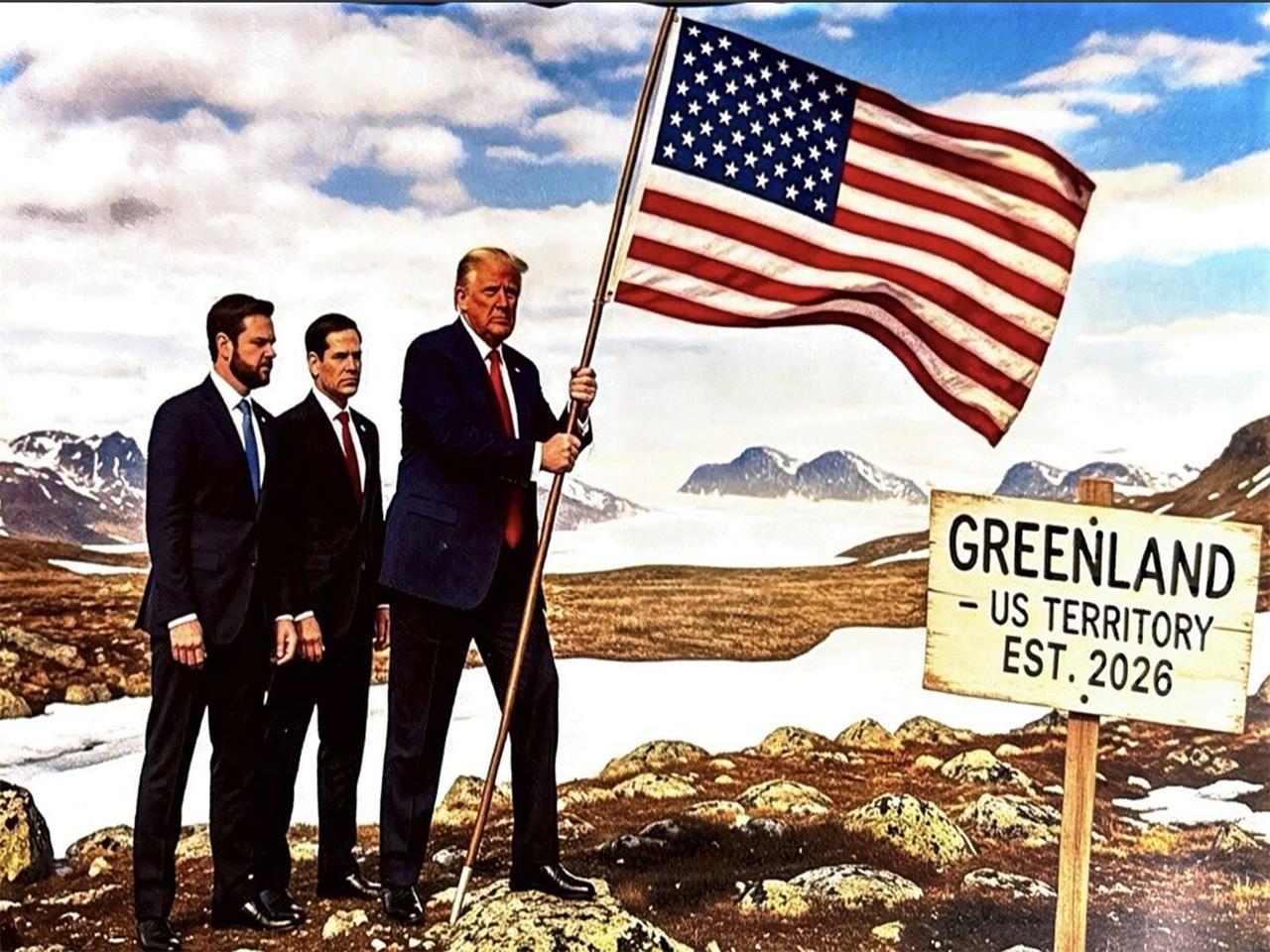

The timing of the move has drawn particular attention, given renewed international focus on Greenland. Statements and policy signals from Washington have once again underscored the island’s strategic value, placing the broader North Atlantic firmly back on the geopolitical agenda.
President Trump even once confused Greenland with Iceland, which Reykjavik bought lobby influence to address the confusion about.
Against this backdrop, Türkiye’s decision to deepen its presence in Iceland appears far from coincidental. By positioning itself in a key Arctic-adjacent NATO country, Ankara gains a vantage point on developments that could reshape transatlantic security calculations.
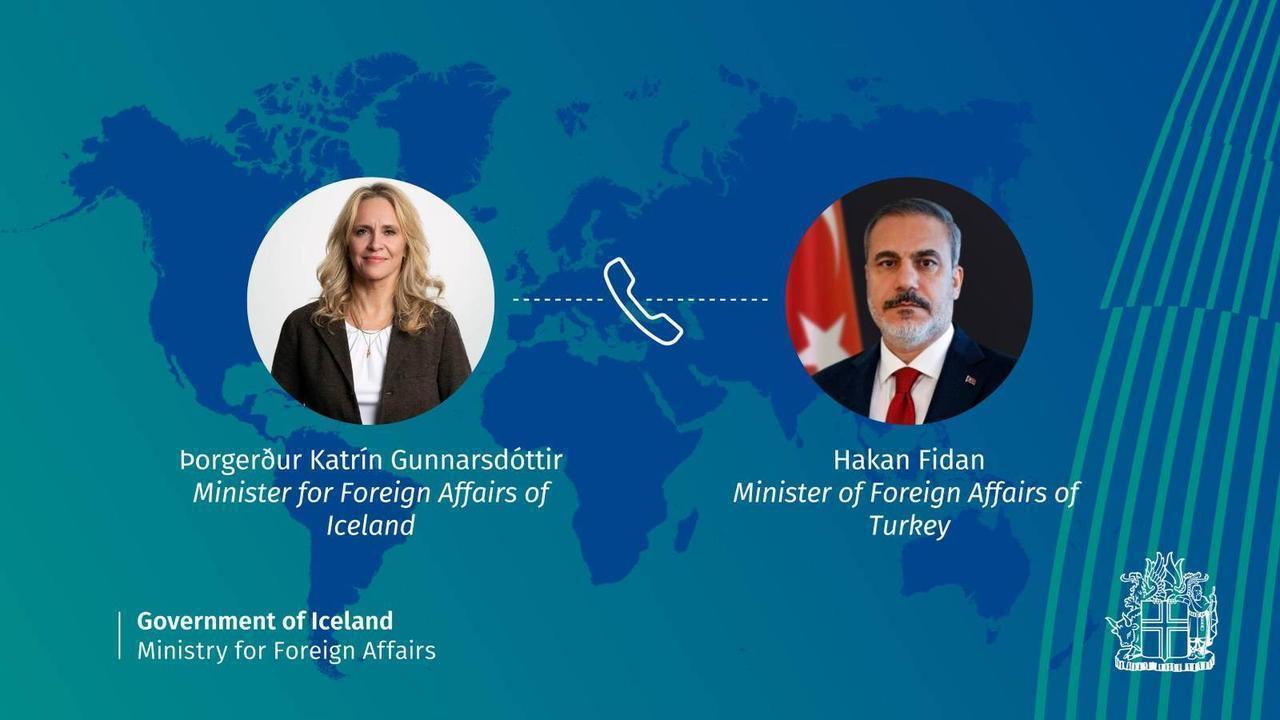
From Iceland’s perspective, the relationship with Türkiye is anchored in shared alliance commitments. Reykjavik has publicly underlined that both countries are members of NATO, noting Türkiye’s role as the alliance’s second-largest military power.
Such statements highlight that the embassy move is not viewed merely as a courtesy. Instead, it is seen as a reinforcement of allied presence in a strategically exposed region of the North Atlantic.
The emphasis on cooperation in energy, fisheries, tourism, and culture suggests that Iceland sees tangible benefits in closer engagement with Ankara, extending well beyond formal diplomacy.
While the embassy is expected to become operational by the end of 2026, the economic ties between the countries have grown steadily in recent years. Official data show bilateral trade nearing the $100 million mark in 2024, up from $85 million in 2022.
Türkiye’s exports to Iceland have reached approximately $63 million, producing a trade surplus of around $26 million in Ankara’s favor. Key export items include salt, sulfur, earths, and stone products, while imports from Iceland are dominated by fisheries products and raw materials.
This expanding commercial relationship has increased demand for direct diplomatic engagement. A resident embassy is expected to support trade promotion, resolve regulatory issues more efficiently, and encourage diversification beyond traditional sectors.
Direct reciprocal flights between Istanbul and Reykjavik, launched as a milestone in bilateral relations, were abruptly canceled by Icelandic carrier Icelandair last week.
The decision has raised questions in both countries, particularly given the broader context of improving relations. While no official explanation has been publicly detailed, the cancellation has not altered the overall diplomatic trajectory.
On the contrary, the episode has reinforced arguments in Ankara for stronger institutional links that can better manage unexpected disruptions and sustain momentum.
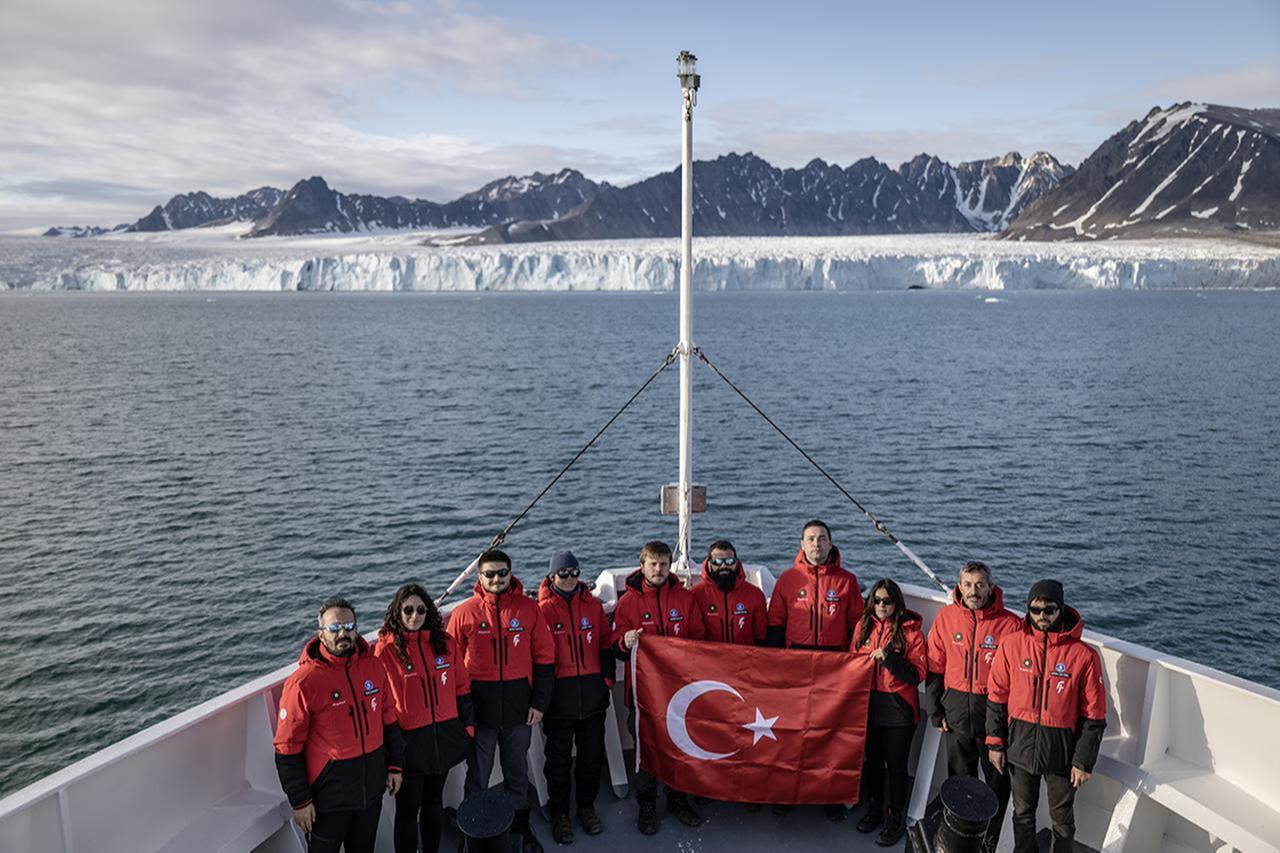
Türkiye has also taken concrete legal steps to strengthen its Arctic profile in the last decade. Its accession to the Svalbard Treaty has formally entered into force following a presidential decree, granting Turkish citizens and companies rights to reside, acquire property, and engage in fishing, mining, and scientific research in the archipelago.
These legal rights provide Ankara with practical stakes in the Arctic, reinforcing the rationale for a permanent diplomatic presence in the region.
Türkiye has simultaneously consolidated its standing in global maritime governance. It was recently re-elected to the council of the International Maritime Organization during elections held in London in the last days of 2025, which is an institution that is a member of the Arctic Council.
Ankara’s current foreign policy can be characterized as a form of "entryism." Rather than tethering itself to rigid, long-term regional blueprints, Türkiye is prioritizing active participation across diverse theaters. This opportunistic but calculated approach spans from its fledgling space program to its accession to the Svalbard Treaty. In the High North, as elsewhere, the primary goal is simple: to ensure that when the major powers sit down to redraw the map, Ankara already has a seat at the table.


 Set as preferred source
 Set as preferred source


 4 min read