Newsletters




In January 1971, Ted Kennedy walked into the Senate Democratic caucus holding what he believed were 28 face-to-face commitments. He walked out with 24 votes and without his job as whip, which went to Robert Byrd, 31 to 24. Secret ballots do that to promises.
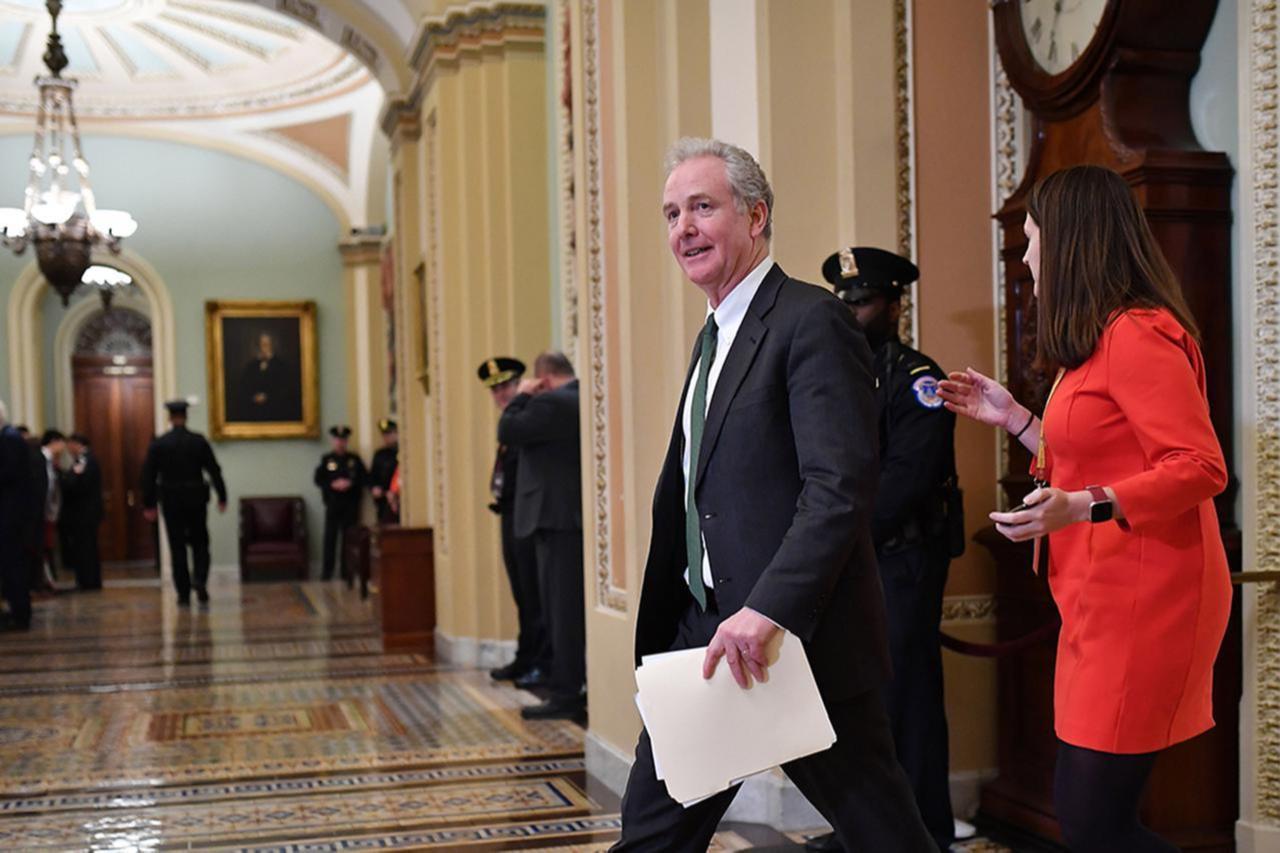
Fifty-five years later, Chris Van Hollen is betting that history repeats itself, and he is the first to admit he starts behind. On Thursday night, he went on TV and announced he would challenge Chuck Schumer for leader of the Senate Democrats. Asked by reporters whether he is the underdog, he answered: yes.
The question hanging over the caucus is almost comically simple. Is Schumer the manager who just won the World Series, or a Washington dinosaur whose time ran out the day voters handed Democrats at least 55 seats? Both camps use the same election result as evidence.
The vote is early next month, in a closed room. The Congressional Research Service says each party conference picks its floor leader by secret ballot before the new Congress convenes, a simple majority wins, and incoming senators vote before they are sworn in. With 55 members, the threshold is 28. If Mary Peltola's lead in Alaska holds and she joins the caucus, it becomes 29.
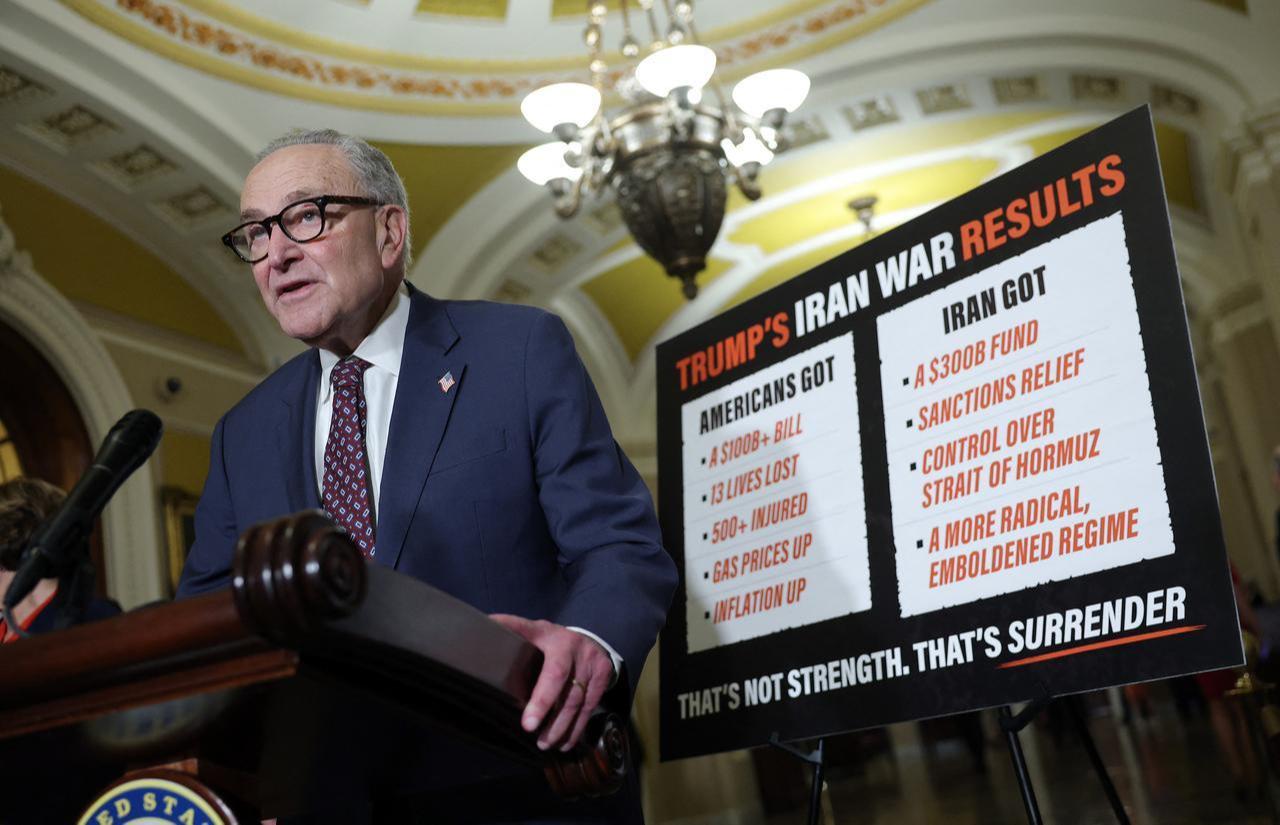

Van Hollen is 67, the junior senator from Maryland, and no outsider. He spent seven terms in the House as a Pelosi ally and ran the House Democrats' campaign arm in 2008 and 2010. He was sworn into the Senate on Jan. 3, 2017, the day Schumer became leader. He has never served a single day under anyone else.
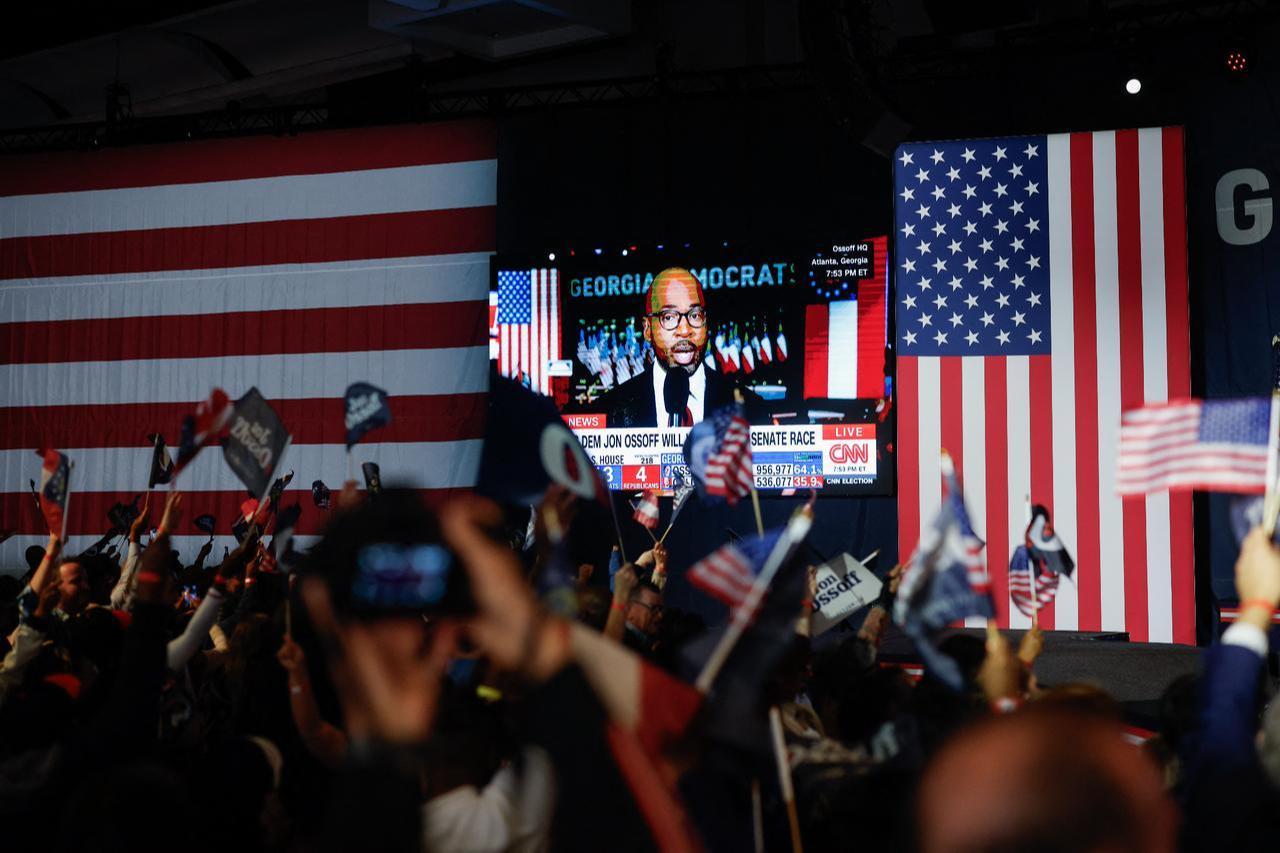
Why now? Democrats went from 47 seats to at least 55, and Van Hollen argues the winners won without Washington, sometimes against it. He points to Abdul El-Sayed in Michigan and Peggy Flanagan in Minnesota, "two senators who wouldn't be there if the current majority leader had his way."
In Michigan, the party's Senate campaign operation backed Representative Haley Stevens, and El-Sayed beat her in the primary. Schumer's preferred candidates also lost a primary in Maine.
Then there is the money. Time reports that AIPAC's super PAC spent about $54 million on House and Senate races this cycle, with its biggest outlay against El-Sayed. Van Hollen says Schumer and the campaign committee sided with the crypto industry and AIPAC against some of these candidates.
Under him, he says, the committee would take no AIPAC money and stay out of contested primaries. His third argument is the oldest. Schumer has led the caucus since 2017, and "a little democracy" is a good thing.
Who are the power brokers? Start with the people whose names are on the final list. Van Hollen's column has 11 senators and senators-elect, counting himself: Bernie Sanders, Elizabeth Warren and Jeff Merkley among the veterans, and the newcomers El-Sayed, Flanagan, Troy Jackson of Maine, Adam Hamilton of Kansas, Annie Andrews of South Carolina and Juliana Stratton of Illinois. Elissa Slotkin sits there too, though her own condition is blunt: whoever wants her vote must show "a concrete plan that's definitively different."
Schumer's column has 13 confirmed names plus his own, and its center of gravity is the Senate's working core. Angus King, Tammy Baldwin, Ruben Gallego, Kirsten Gillibrand, Mark Kelly, John Fetterman and Tim Kaine are there, along with Catherine Cortez Masto, Jacky Rosen, Richard Blumenthal, Sheldon Whitehouse and the Ohio senator-elect Sherrod Brown. The most awkward name is Angela Alsobrooks, Van Hollen's own Maryland colleague.
Schumer, with himself, has 14 and needs 14 more. Van Hollen has 11 and needs 17. Between them sit 29 votes. Three are change advocates who have not picked a side: Chris Pappas, Peter Welch and Scott Colom, who put it simply: "I gotta know my options."
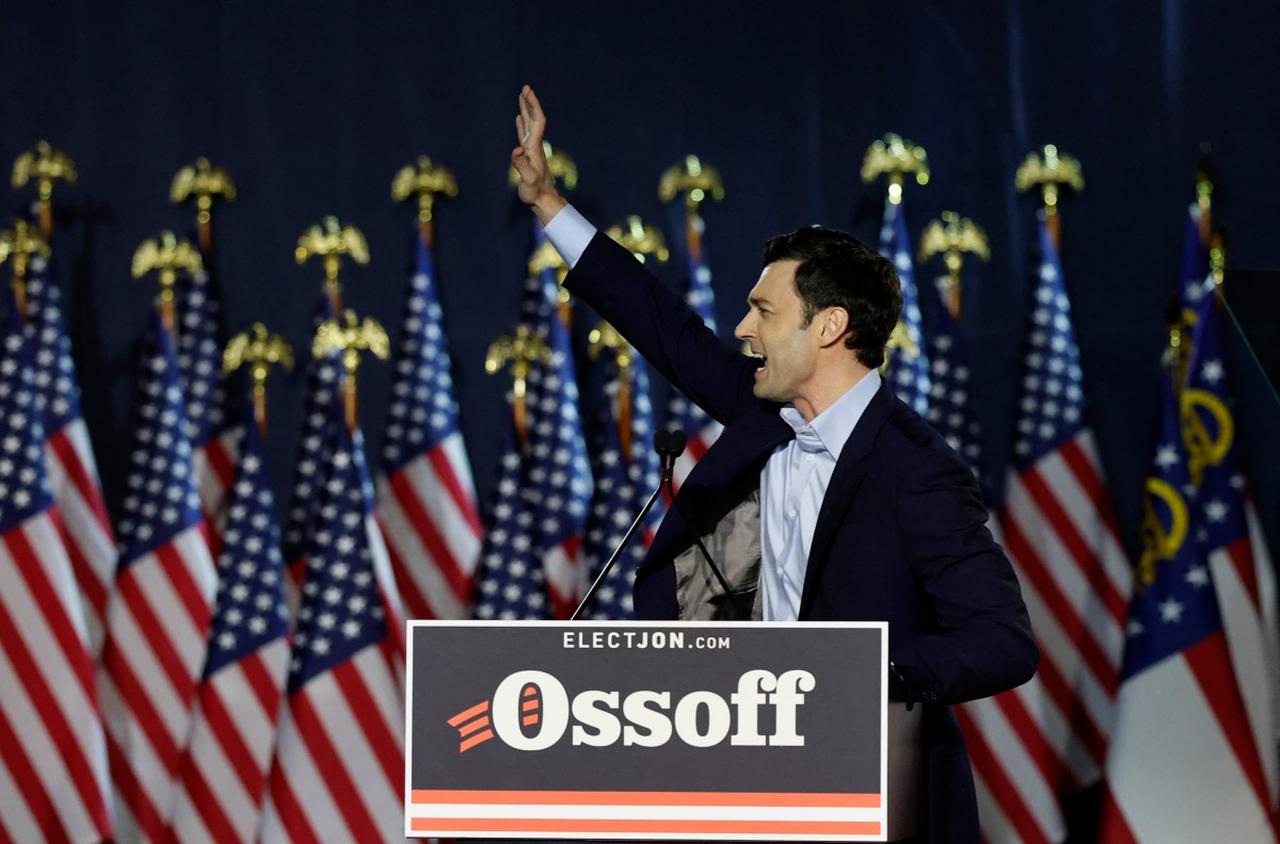
Nine could lean either way, among them Chris Murphy, Cory Booker, Jon Ossoff, Mark Warner, Patty Murray and Raphael Warnock, plus Maggie Hassan and the senators-elect James Talarico and Josh Turek. Seventeen are not on record at all.
Schumer's real power is not on that list. Time describes him as running the party's Senate campaign machine with a "vise-like grip" for two decades, raising billions directly or through an allied super PAC.
That gives him "plenty of chits to call in." Van Hollen's counterweight is outside the building. Indivisible, MoveOn and the Working Families Party say they will back 2028 primary challenges against Democratic senators who do not vote for him, and a machinists' union with 600,000 members endorsed him the day he announced.
The newcomers may decide it. By the count of the official records, at least 30 of the 55 voters have never served under a Democratic leader other than Schumer.
Has a party ever voted out its own Senate leader? Not in modern times, according to the Research Service's tables.
Schumer's defenders keep returning to baseball. "Why would you fire the manager when you just won the World Series?" King asked. Gallego oddly said the same.
Critics date their anger to March 2025. Schumer said he would oppose a Republican spending bill, reversed the next day and voted to let it advance, arguing a shutdown would let Trump and Elon Musk dismantle government services faster.
The polling behind the revolt is obviously big. An Economist/YouGov poll conducted after the midterms found 54% of Democrats viewed Schumer unfavorably, while more progressive-leaning platforms like MoveOn say 82% of its respondents oppose Schumer.
The job matters less than the fight suggests and more than nothing—the leader is generally the only senator who can successfully propose what the Senate takes up.
The candidate-elect also will schedule the floor and pick who sits on the committee that hands out Democrats' committee seats, subject to caucus approval. The filibuster still limits what either man can pass. With 55 or 56 seats, nearly every bill needs four or five Republicans.
The difference shows up in tactics, and the first test is close. Government funding runs out Dec. 11.
Van Hollen wants to use the deadline as leverage to end it, and has joined Bennet, Sanders and Duckworth in opposing any short-term funding bill that does not restrict money for the war. He would also run the campaign committee without AIPAC money and open with health care costs, Medicaid funding and the Affordable Care Act tax credits.
So, can Van Hollen beat Schumer? Schumer starts ahead, with more public backers, an incumbent's machine and a record in which no sitting Senate leader has lost to his own party. But the ballot is secret, 29 votes are undecided, leaning or silent, and a dozen of the 55 voters were elected weeks ago. Ted Kennedy thought he had the votes too.


 Set as preferred source
 Set as preferred source


 2 min read