Newsletters





Artificial intelligence companies' use of books and publishing content to train commercial AI models without paying copyright fees has raised concerns across Türkiye's publishing industry, with sector representatives calling for greater transparency and a licensing system that could turn copyrighted material into a new source of revenue.
Halil Celik, president of Türkiye's Press and Publishing Association (Basin Yayin Birligi), told Anadolu Agency (AA) that publishers currently have no reliable way of finding out which books have been used to train AI models or how extensively their content has been incorporated.
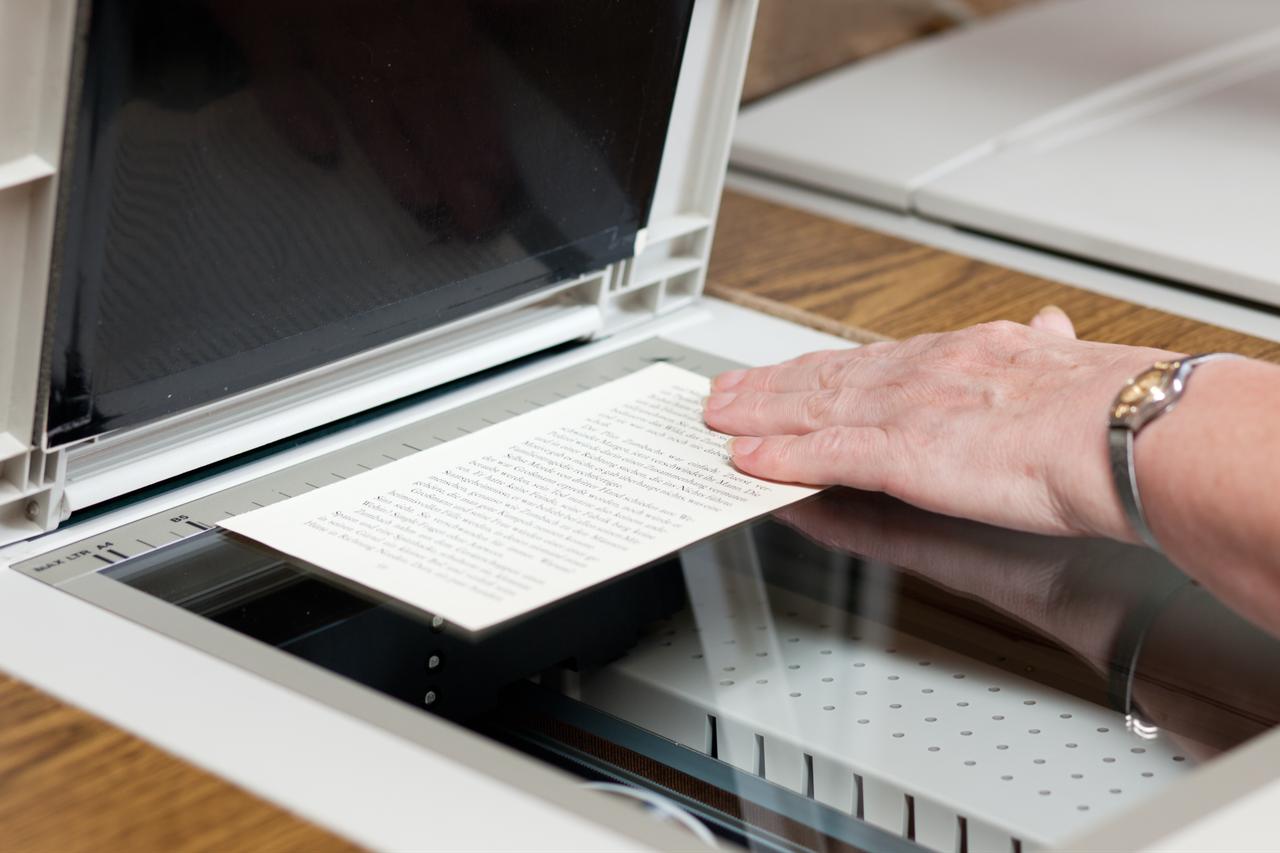
The debate has intensified following allegations that AI companies are buying printed books in bulk, scanning them to build digital datasets and subsequently destroying the physical copies. The reported practice has drawn criticism from secondhand booksellers in Europe, while large orders for academic publications and rare books have raised similar concerns in other countries, including Türkiye.
Celik warned that the potential destruction of rare and out-of-print books presents a particular risk to cultural heritage, especially when companies dismantle physical copies to scan individual pages.
He explained that some books may be among the last surviving copies held by libraries or secondhand booksellers, meaning that digitization could preserve their contents while permanently destroying the original physical objects.
Beyond the preservation issue, Celik said the publishing industry was concerned about the commercial value of content produced through the combined efforts of authors, translators, editors, publishers and designers.
When AI developers use these works without obtaining permission or providing compensation, he argued, the economic value generated by the publishing industry effectively becomes an input for another commercial business.
Celik said Türkiye's existing copyright framework protects reproduction, adaptation, distribution and other economic rights, but does not specifically regulate the use of copyrighted works as training data for artificial intelligence.
To close this legal gap, he called for amendments to Türkiye's Law on Intellectual and Artistic Works, including clear rules governing AI training, disclosure requirements for datasets and effective penalties for violations.
He also proposed a licensing system under which AI companies would pay for commercially using copyrighted material, potentially through collective agreements negotiated on behalf of publishers, authors and other rights holders rather than separate contracts for individual books.
Such agreements, he added, should clearly establish the scope, duration, geographical coverage and fees associated with the use of publishing content.
 1 min read

Despite the concerns, Celik said artificial intelligence should not be treated solely as a threat, arguing that a properly regulated licensing market could benefit both technology developers and content creators.
However, he emphasized that individual publishing houses may have limited negotiating power against major technology companies, making cooperation among publishers' associations, authors' organizations and other rights holders essential.
He called for a reliable database identifying copyright ownership, licensing eligibility and permitted uses of published works, alongside mechanisms allowing rights holders to monitor how their content is used.
"If the right legal and licensing system is established, content that is used free of charge today could become a new source of copyright and licensing revenue tomorrow," Celik said.
He stressed that the industry's objective was not to stand in the way of technological development, but to ensure that publishers, authors and copyright owners receive fair treatment as AI becomes increasingly integrated into the commercial use of published content.


 Set as preferred source
 Set as preferred source



 1 min read