Newsletters


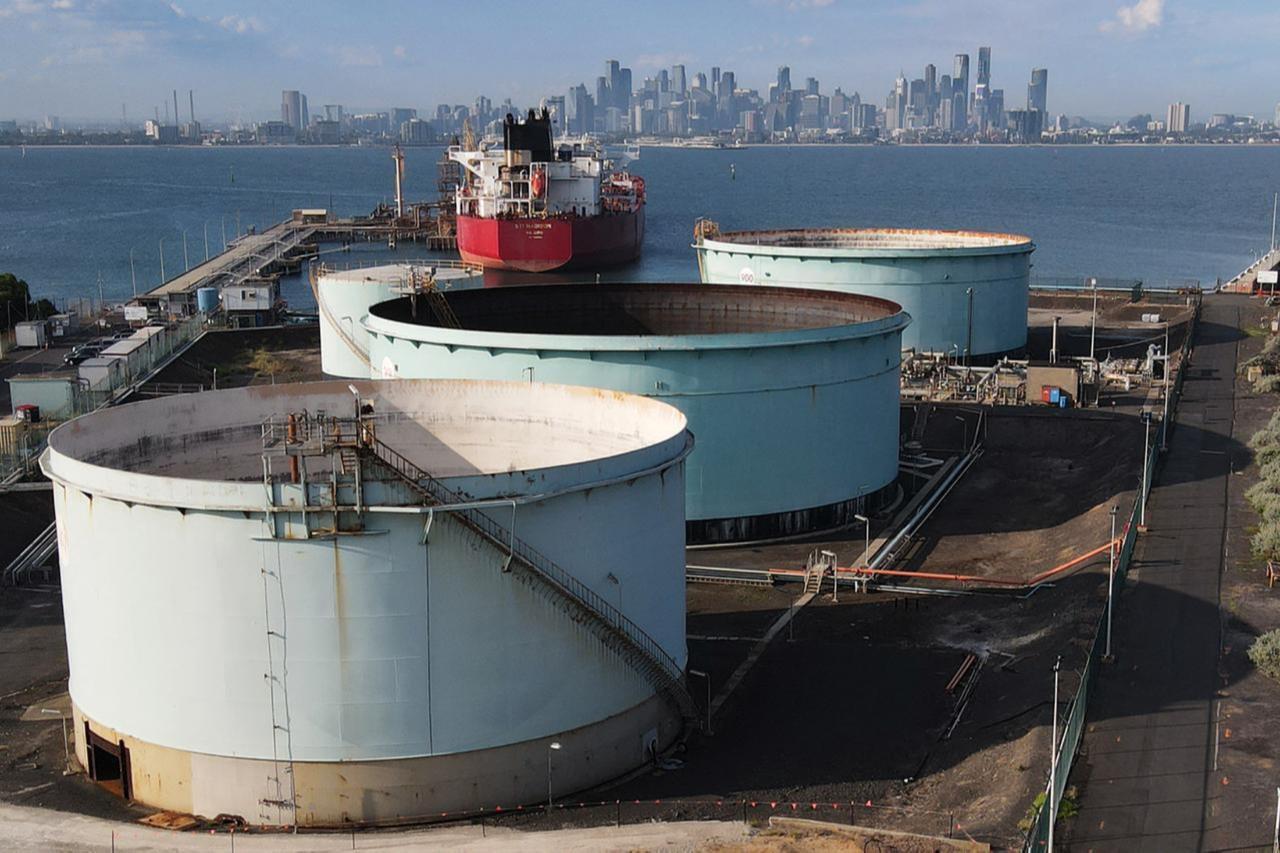


Two Australian states announced they will offer free public transportation in response to rising fuel costs and supply risks linked to the ongoing conflict involving the US-Israel alliance and Iran in the Middle East.
Victoria will waive fares on trains, trams, and buses for one month beginning April 1.
Tasmania will offer fare-free buses and ferries from March 30 to June 30.
The Middle East conflict has disrupted global energy markets, increasing fuel prices and supply concerns in Australia.
Hundreds of service stations have reported shortages, with delivery disruptions affecting agriculture and mining.
Victoria Premier Jacinta Allan stated the program aims to reduce cost-of-living pressures and help residents lower fuel expenses. The state government has scheduled additional services to accommodate increased demand.
Not all states are adopting similar measures. New South Wales Transport Minister John Graham stated the crisis is ongoing and ruled out free public transit.
Western Australia Premier Roger Cook noted that fares are already low, while South Australia said it is focusing on other cost-of-living relief measures instead of free transport.
Australian Prime Minister Anthony Albanese said March 27 that his government had taken “every practical measure” to address rising oil prices driven by the regional escalation between the US, Israel, and Iran.
The conflict has had significant global consequences.
The Strait of Hormuz, which handles about 20% of the world’s daily seaborne oil and liquefied natural gas (LNG) trade passes, has been effectively closed since early March following joint US-Israeli strikes on Iran on February 28 and subsequent retaliatory attacks by Tehran.
This disruption has increased global oil prices and shipping costs, with approximately 20 million barrels of oil typically passing through the strait each day.
Asian economies have been among the most affected. The Philippines was the first to declare a national energy emergency, stating fuel reserves would last 45 days.
Taiwan reported approximately 11 days of LNG reserves, while Bangladesh’s reserves are estimated at 9 to 14 days.
Japan, India, South Korea, and other major importers are diversifying supply, using strategic reserves, and implementing demand-reduction measures.
Pakistan introduced a four-day work week for government offices and two-week school closures. Indonesia is considering hybrid schooling and a weekly remote work day.
The International Energy Agency (IEA) announced March 11 that member countries had agreed to release 400 million barrels from strategic reserves, the largest drawdown in the agency’s history


 Set as preferred source
 Set as preferred source


 1 min read
 1 min read