

 Newsletters


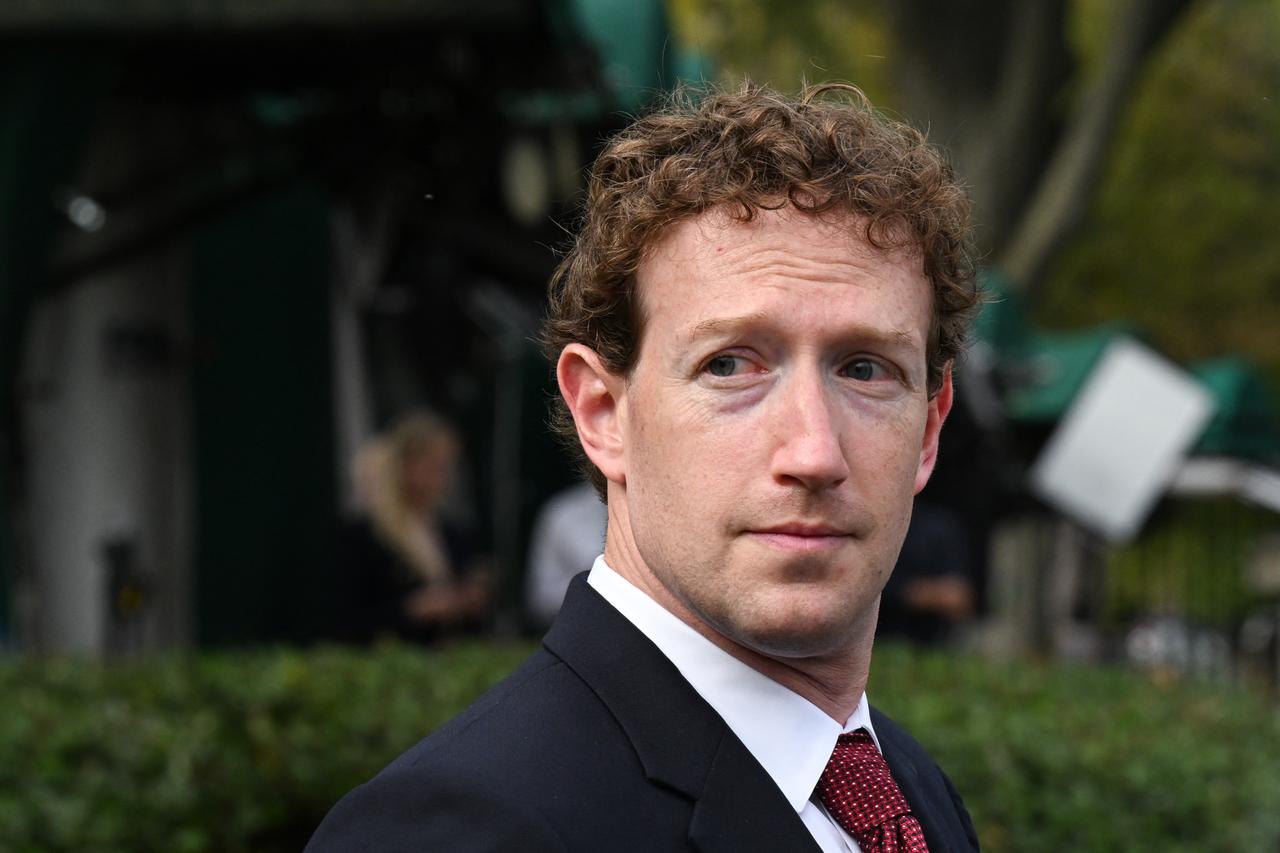


Biohub, the research organization backed by Mark Zuckerberg, is partnering with Google, Meta, and the U.S. government on a $1.8 billion project to produce biological data for artificial intelligence (AI) models, the institute said Wednesday.
Biohub said the U.S. Department of Energy (DOE) and the National Institutes of Health (NIH) are joining its Virtual Biology Initiative, along with Google DeepMind, Isomorphic Labs and Meta.
The project aims to create and standardize large volumes of biological data needed to build predictive models of cells.
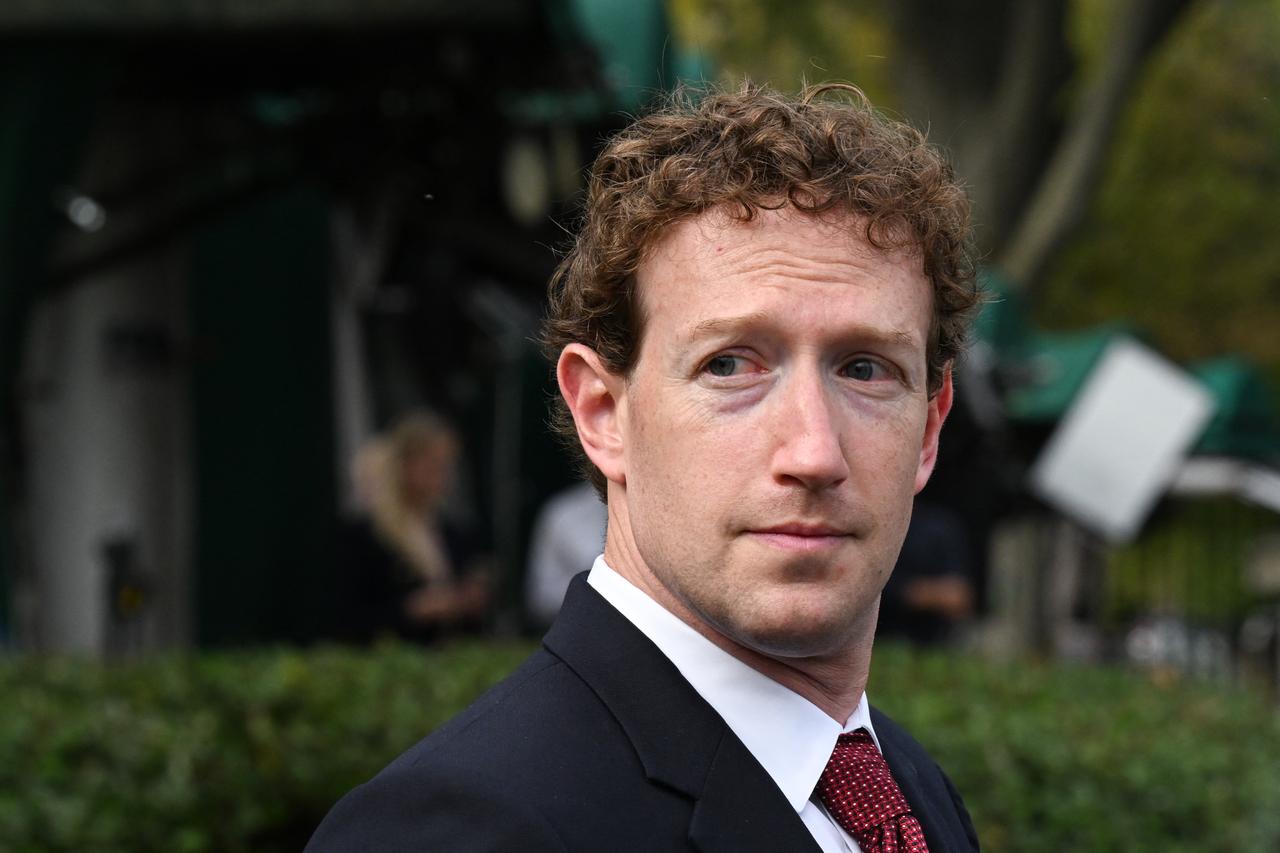

Google DeepMind, Meta, and Isomorphic Labs, an AI drug discovery company, will together invest $300 million. The DOE will provide more than $500 million over five years for biological measurement, modeling, and computing.
The NIH will supply datasets and other resources created through more than $500 million in earlier federal funding. Biohub will work to standardize that information so it can be used to train AI systems.
Biohub is a nonprofit research organization co-founded by Zuckerberg and his wife, physician Priscilla Chan. It started the five-year Virtual Biology Initiative in April with a $500 million commitment.
The initiative's long-term goal is to develop AI models that can predict how cells behave and respond to interventions such as drugs or genetic changes. Scientists could then test options digitally before conducting physical experiments.
"An accurate predictive model of biology could dramatically accelerate scientific discovery by enabling scientists to perform experiments digitally," said Alex Rives, Biohub's head of science.
Biohub said the datasets will eventually be shared with the broader scientific community. According to Rives, commercial partners will have one year of exclusive access to data they help fund before it becomes public, while data funded by the government will not be subject to that restriction.


 Set as preferred source
 Set as preferred source


 1 min read
 1 min read


