Newsletters


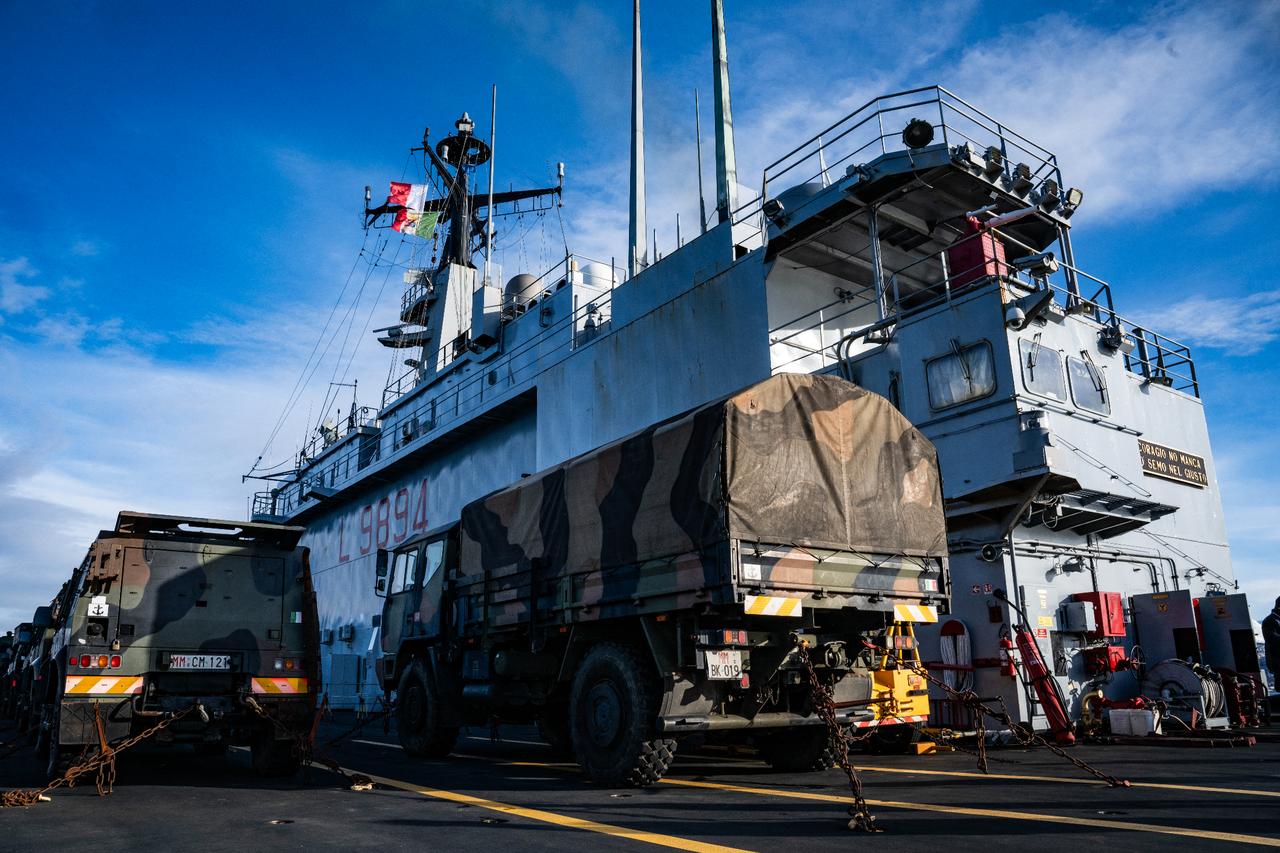


Six major international powers, including Britain, France, Germany, and Japan, said Thursday they were ready “to contribute to appropriate efforts to ensure safe passage through the Strait of Hormuz.”
The group, which also includes Italy and the Netherlands, said in a joint statement it welcomed “the commitment of nations who are engaging in preparatory planning,” while condemning “in the strongest terms recent attacks by Iran on unarmed commercial vessels in the Gulf.”
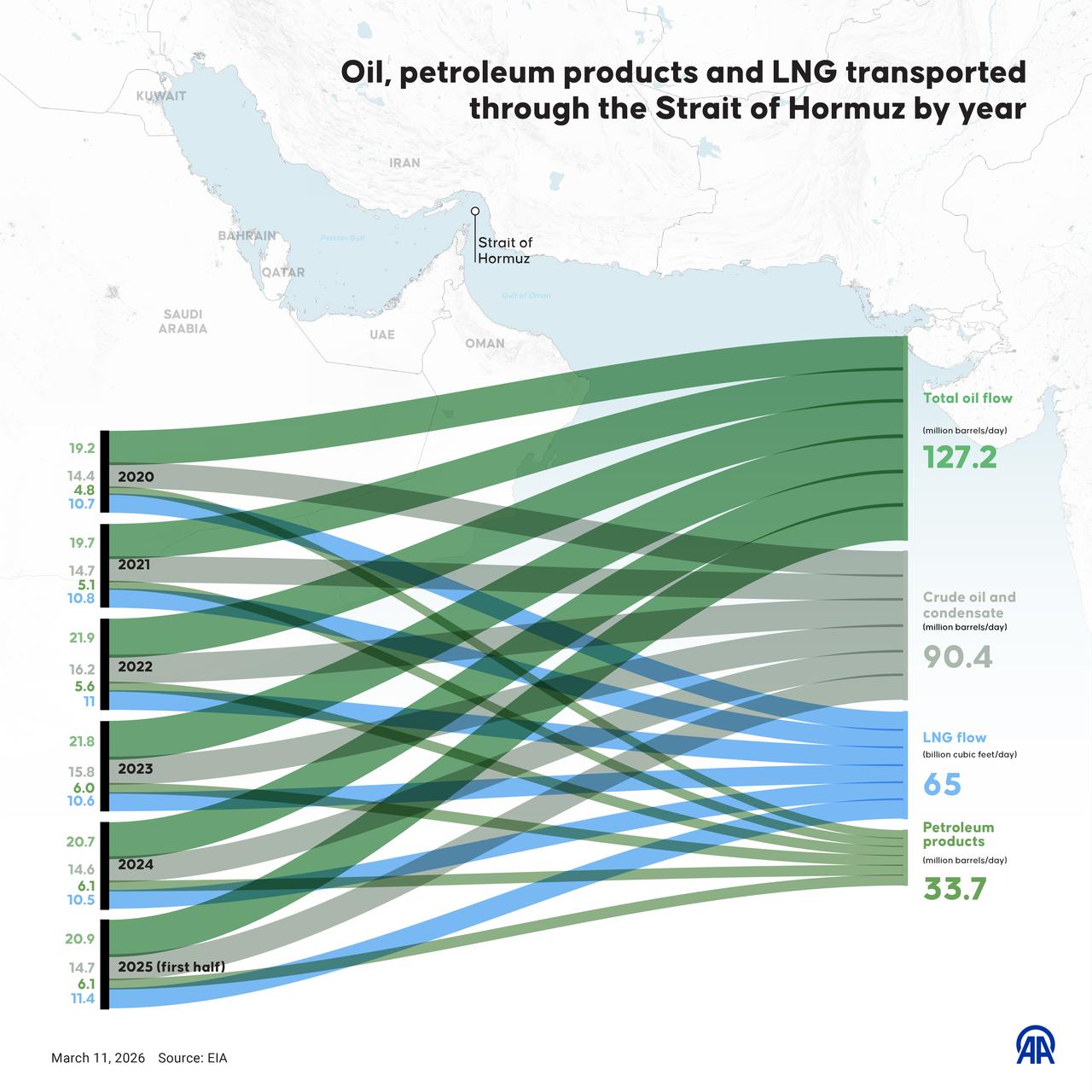
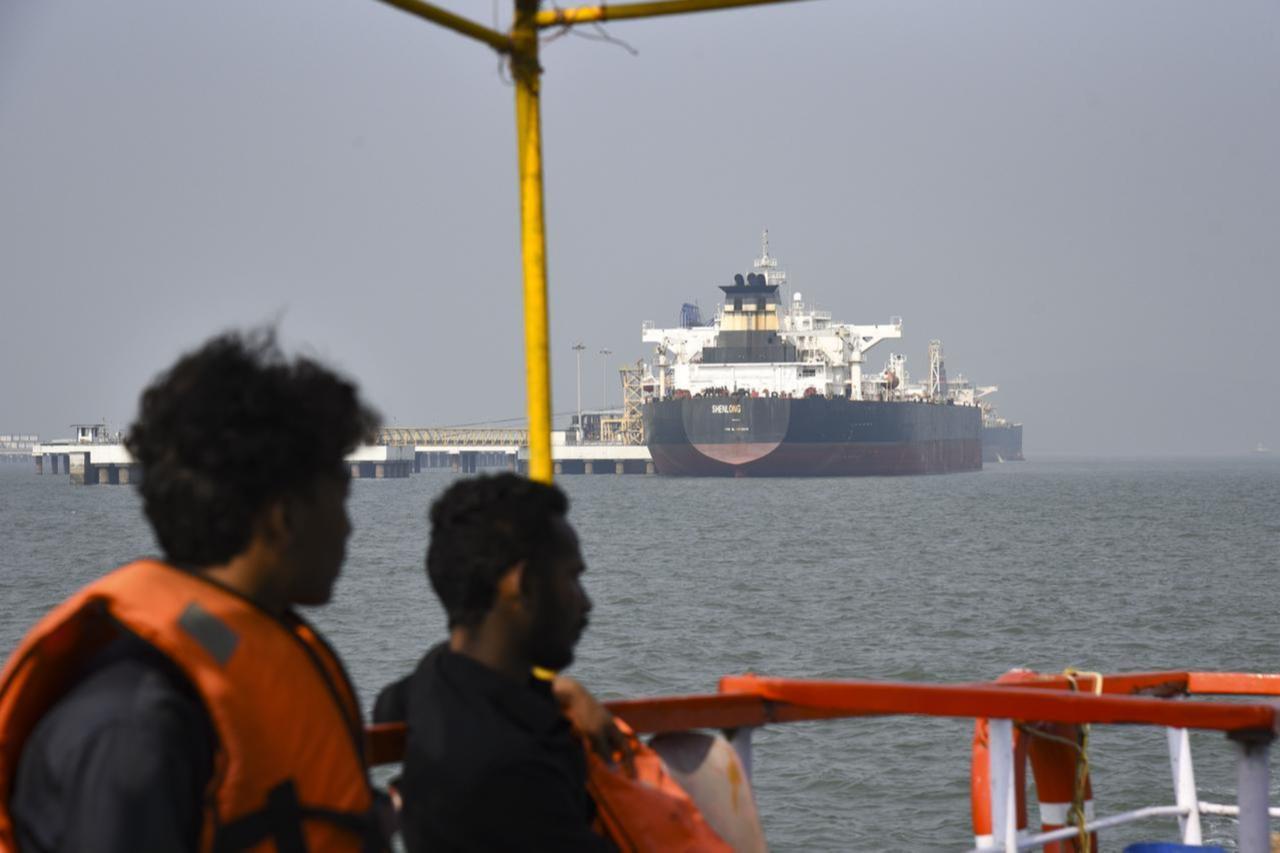
The statement comes as an effective Iranian blockade has paralyzed commercial shipping through the strategic chokepoint, which in peacetime handles about one-fifth of global crude oil and liquefied natural gas flows.

The war, which erupted on Feb. 28 with U.S.-Israeli strikes on Iran, has triggered Iranian retaliation across the Gulf, with at least 23 commercial vessels—including 10 tankers—reporting attacks or incidents.
The disruption has left around 20,000 seafarers stranded on approximately 3,200 vessels west of the strait, according to the International Maritime Organization.
“We express our deep concern about the escalating conflict,” the joint statement said.
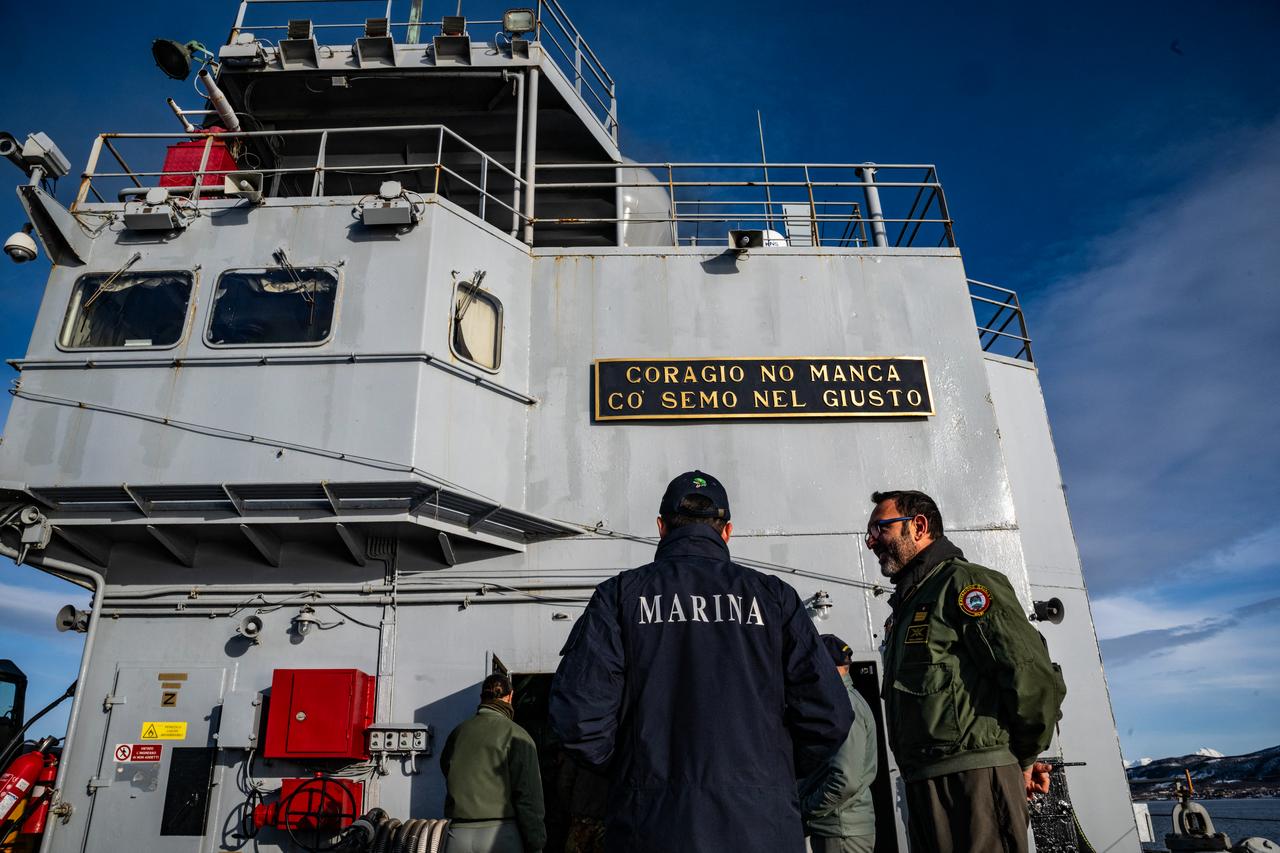
“We call on Iran to cease immediately its threats, laying of mines, drone and missile attacks, and other attempts to block the Strait to commercial shipping.”
The statement stressed that “freedom of navigation is a fundamental principle of international law,” warning that the consequences of the disruption would be felt globally, particularly by vulnerable populations.
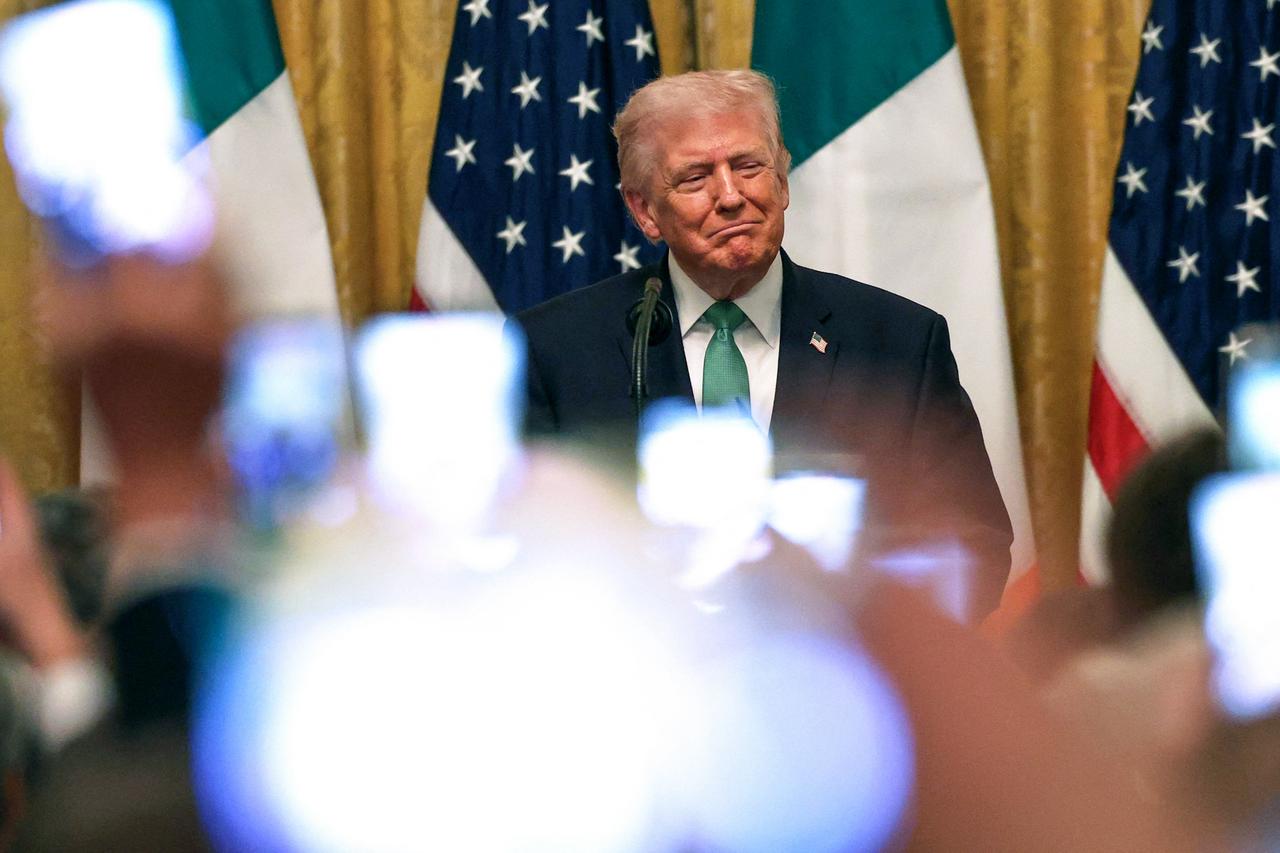
U.S. President Donald Trump has urged world powers and NATO allies to help reopen the Strait of Hormuz, but countries have so far stopped short of committing military deployments.
“The level of threat is such that I don't see many nations being willing to put warships into the middle of that threat right now,” a British defense official said Wednesday.
“We're working closely with allies and partners in terms of what we might be able to do and what we can offer, as and when the situation allows,” the official added.
The official said Britain has sent a “small number” of additional military planners to U.S. Central Command (CENTCOM) to support contingency planning for potential operations related to the strait.


 Set as preferred source
 Set as preferred source


 2 min read
 1 min read