Newsletters


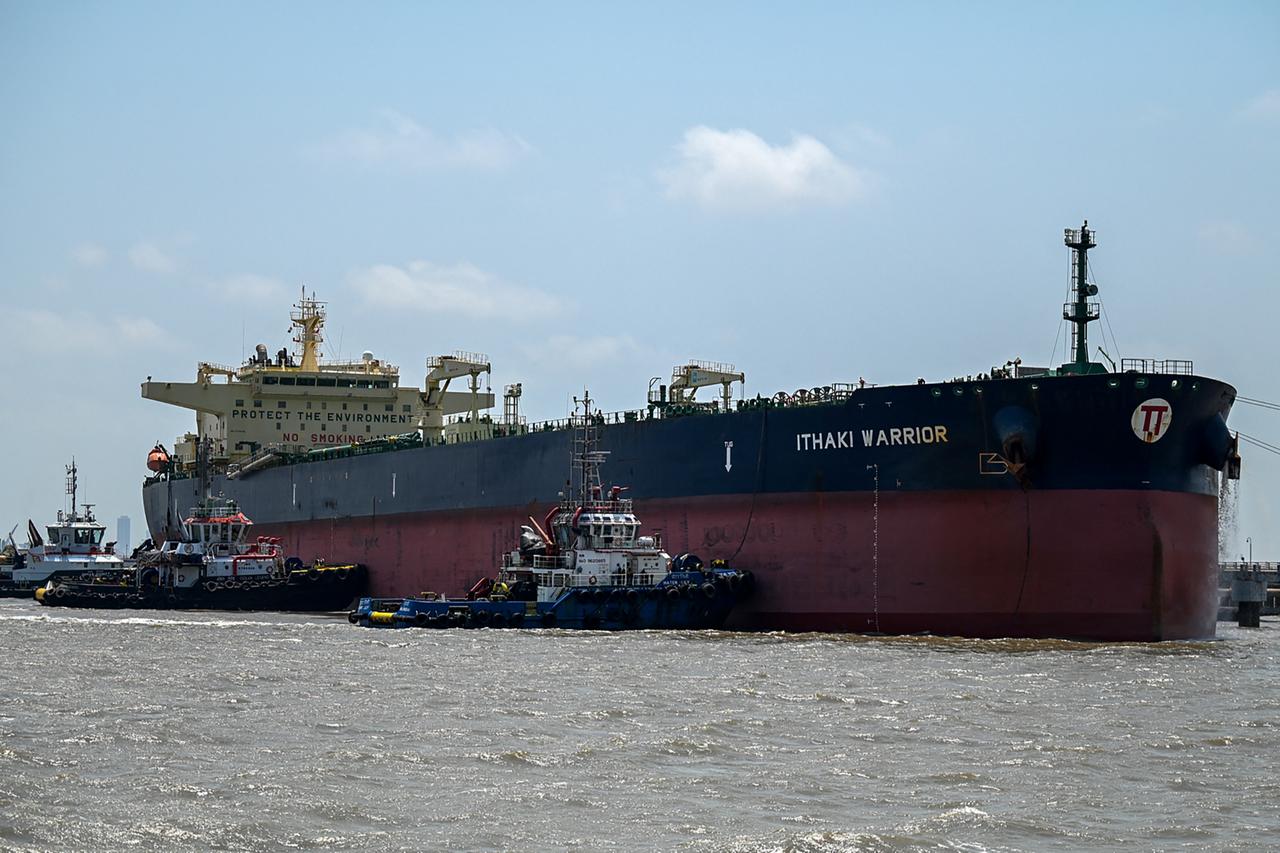


Oil prices eased after Thursday’s sharp rally, which pushed Brent above $126 per barrel, falling back to around $111 on Friday.
U.S. benchmark West Texas Intermediate (WTI) also declined, trading at $105.2 as of 7:40 a.m. GMT, as uncertainty over the Iran conflict continued to fuel volatility amid reports the U.S. is reviewing plans to resume military action and extend its naval blockade.
Global financial markets showed a muted reaction as several major exchanges remained closed for the May 1 International Workers’ Day holiday.
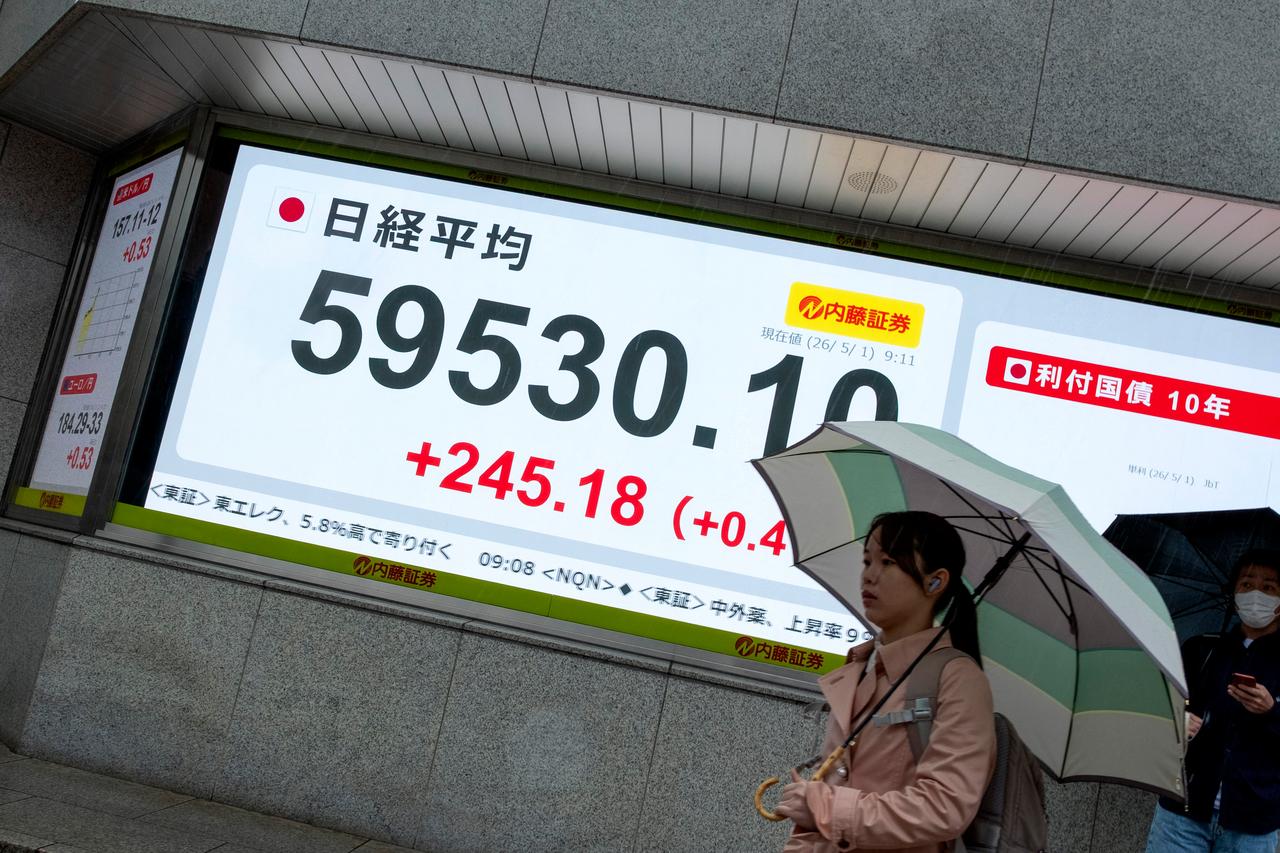
In Asia, Japan’s Nikkei 225 edged up 0.4%, while European markets stayed shut. U.S. stock futures pointed higher, following a tech-led rally that pushed the S&P 500 up more than 1% in the previous session.
Meanwhile, precious metals extended losses. Gold dropped 0.8% to $4,580, while silver declined 0.6% to $73.3 per ounce. Palladium and platinum also moved lower, falling to $1,510 and $1,950, respectively.
Cryptocurrencies moved in the opposite direction. Bitcoin rose 1.3%, climbing back above $77,000, while Ethereum gained around 1% to trade near $2,280.

Concerns remain elevated as uncertainty continues to surround Middle East energy flows, particularly with no clear progress in diplomatic efforts.
Talks between Washington and Tehran have stalled over the past week, reducing expectations for any near-term agreement to reopen the Strait of Hormuz—a critical route handling roughly a fifth of global oil and gas supply.
Adding to market anxiety, U.S. media reports indicated that President Donald Trump received briefings on potential new military strike options targeting Iran from CENTCOM.
At the same time, Trump told U.S. media that the blockade of Iranian ports could last for months, further tightening an already constrained supply channel.
Volatility traces back to earlier this year, when U.S. and Israeli strikes on Feb. 28 were followed by Iran closing the Strait of Hormuz on March 2.
After a two-week ceasefire was reached and follow-up talks in Pakistan failed to produce a lasting deal, Washington moved to impose a naval blockade on Iranian ports to curb Tehran's oil revenues and push it back to negotiations.
An Iranian proposal to delay nuclear talks until after peace was restored, while focusing on reopening maritime routes, reportedly did not satisfy Trump, prompting him to adopt tougher rhetoric and threaten Iran.


 Set as preferred source
 Set as preferred source


 1 min read
 1 min read