Newsletters


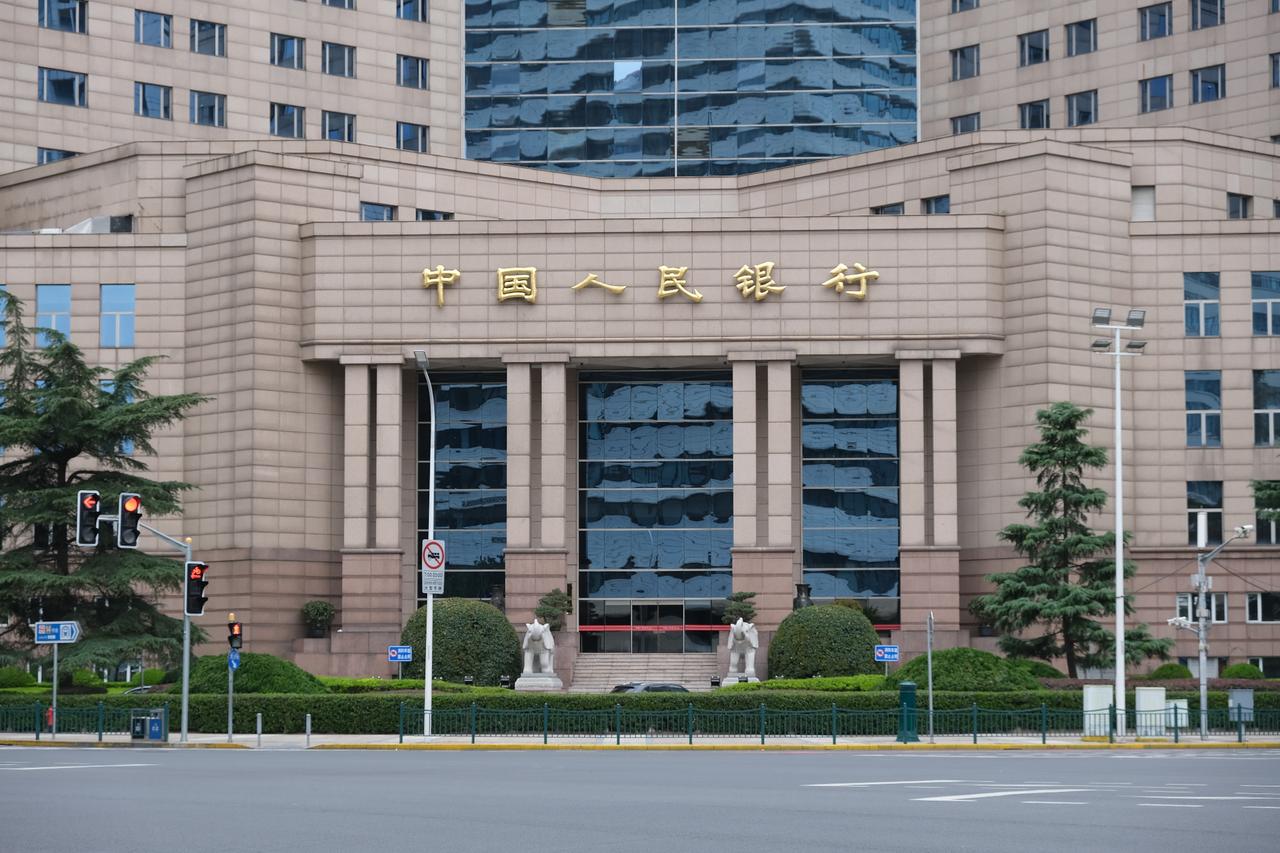


The People’s Bank of China (PBOC) continued its gold-buying streak in November, extending it to 13 straight months with a purchase of 30,000 troy ounces (0.93 tons), according to data released by the institution.
The accumulation effort, which began in November 2024, reinforces China’s strategy to diversify its foreign reserves and reduce reliance on the U.S. dollar, while its offer to store gold for other central banks positions the country as a growing hub in the international bullion ecosystem, in line with Beijing’s broader financial ambitions to bolster confidence in alternative reserve mechanisms outside Western institutions.
Thus, PBOC’s total holdings reached 74.12 million troy ounces (2,305.6 tons), maintaining its role as one of the leading central banks in global gold reserves.
Meanwhile, data from the World Gold Council show that global central bank purchases picked up in October following a mid-year slowdown. Net buying reached 53 tons during the month, the highest monthly total in 2025.
Cumulative official sector purchases between January and October stood at 254 metric tons. While this implies a more moderate pace compared to recent years, emerging market central banks—particularly those in Brazil, Poland, Uzbekistan, and Türkiye—were the main drivers of October’s demand.
Gold continues to serve as a hedge against currency risks, particularly in the context of persistent geopolitical tensions, global trade disputes, and concerns over the long-term value of fiat currencies. As central banks in advanced and emerging economies increase monetary expansion and sovereign debt levels, investors increasingly view gold as protection against potential currency debasement and the erosion of purchasing power.


Gold prices have remained elevated in recent months, consolidating above the $4,000 per ounce level after retreating from an October peak near $4,400.
The resilience is largely driven by investor expectations that the U.S. Federal Reserve will cut interest rates at its next policy meeting on Dec. 9–10, which would bring the benchmark rate down to 3.50–3.75%. The prospect of lower borrowing costs has added to surging demand, pushing prices back above $4,200 per ounce after two weeks.
Speculation that the next Fed chair may adopt a more accommodative approach to monetary policy has also buoyed the precious metal. Lower borrowing costs tend to enhance the appeal of non-yielding assets like gold.
As of the December 5 close, gold has already posted its second-best annual performance since 1979 in 2025, with gains approaching 60% since January.


 Set as preferred source
 Set as preferred source


 2 min read
 1 min read