Newsletters


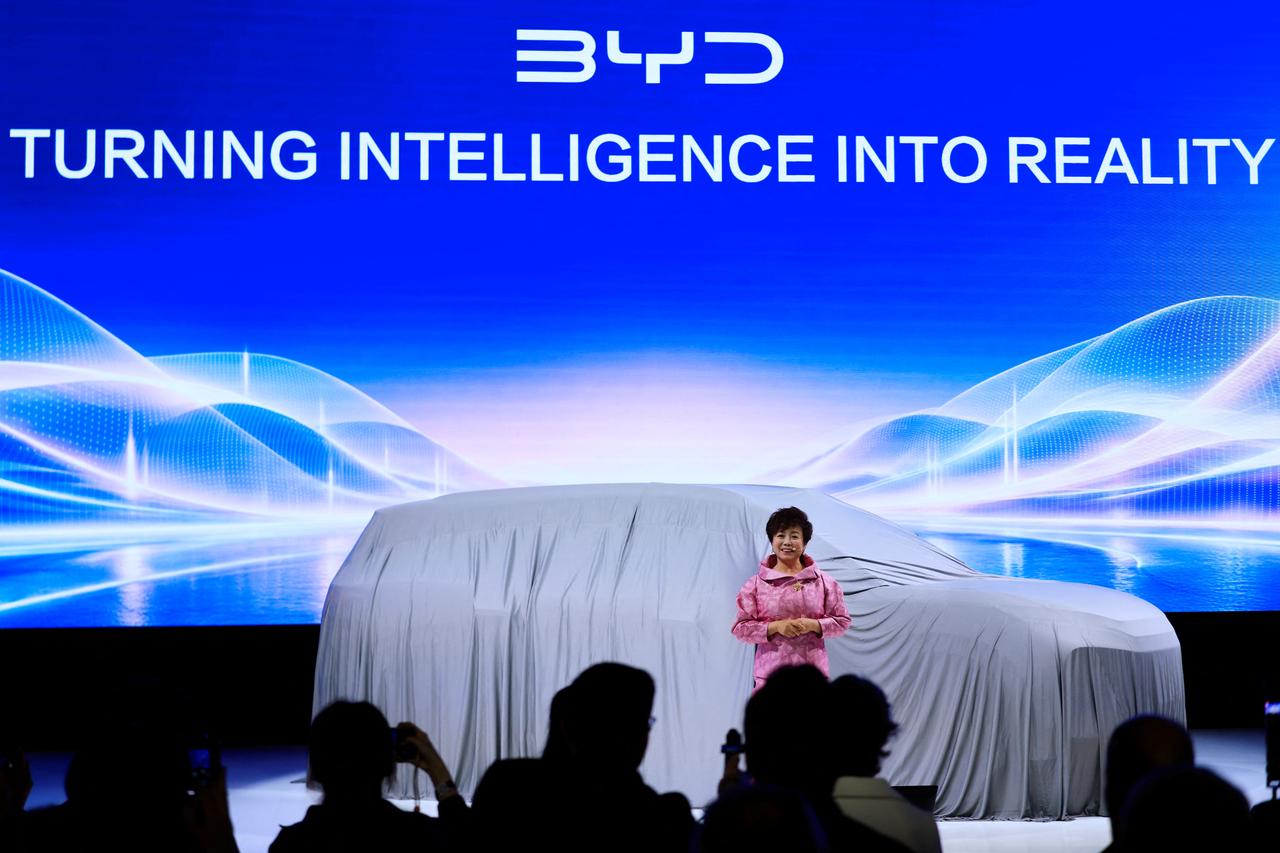


Chinese electric vehicle maker BYD is considering France for a new factory as it looks to expand its manufacturing footprint in Europe to avoid tariffs on Chinese electric vehicle imports that have been in place since 2024.
"France is on the shortlist. We're studying the possibility of building a factory in France very closely," BYD Vice President Stella Li told BFM television ahead of the Paris Auto Show. Li also outlined the company's plans to add more production capacity across the continent, saying BYD would seek to establish a second and third factory in Europe.
 2 min read
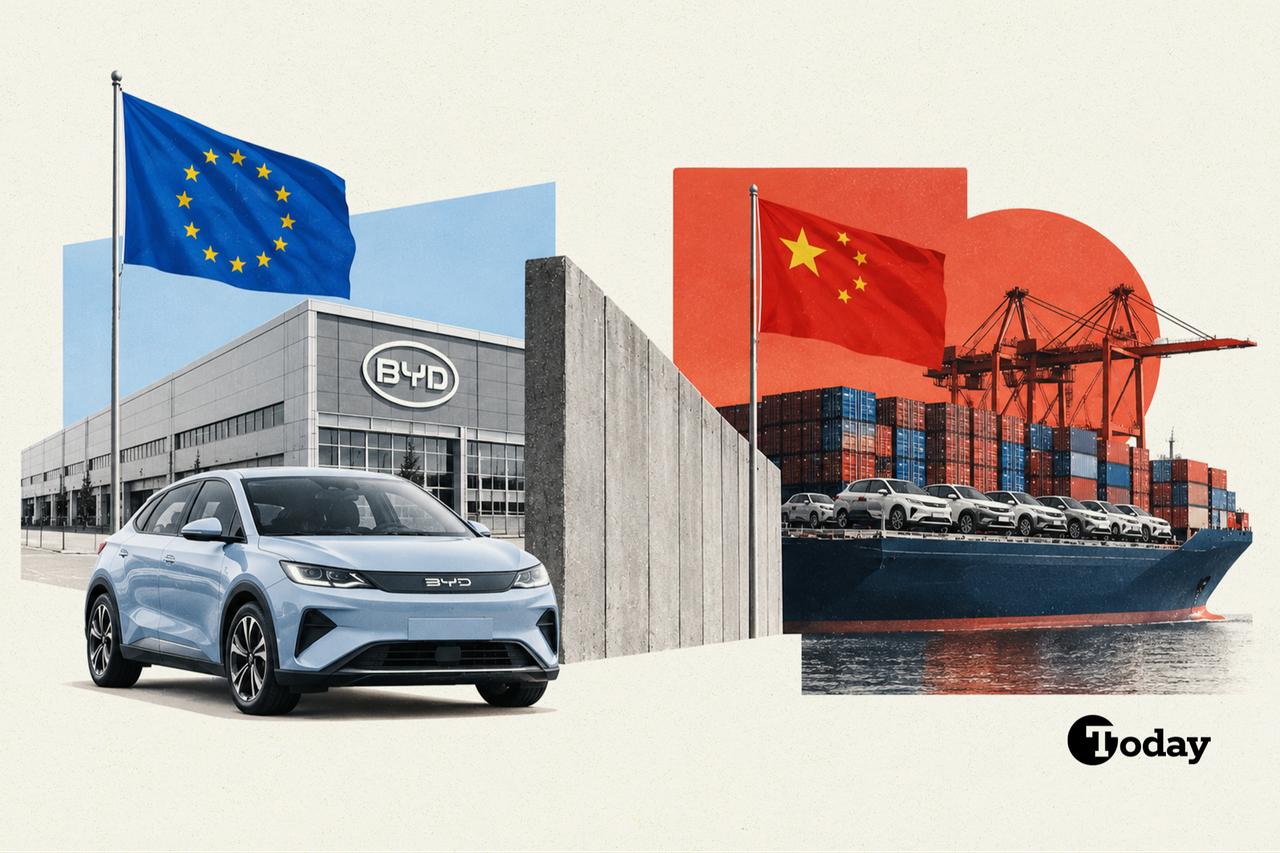
The EU has stepped up trade measures against Chinese-made electric vehicles to protect European automakers from lower-cost competition, adding pressure on BYD to expand production within the bloc.
Since October 2024, the bloc has imposed additional countervailing duties ranging from 7.8% to 35.3%, depending on the manufacturer, on top of its standard 10% import duty. BYD faces an additional tariff of 17%.
The EU and China also reached an understanding last week to curb Chinese hybrid vehicle exports to the bloc. The European Commission announced Monday that imports of Chinese hybrid vehicles would be capped at 350,000 a year, less than half the current level. Li said she did not yet have details of the agreement.
Meanwhile, BYD is preparing to begin production at its Hungarian factory in the fourth quarter of 2026. The €4 billion ($4.5 billion) plant in Szeged, southern Hungary, is designed to produce 150,000 vehicles a year initially, with capacity eventually rising to 300,000.
Producing vehicles within the EU could help BYD reduce its exposure to import duties on cars shipped from China while bringing manufacturing closer to European customers.
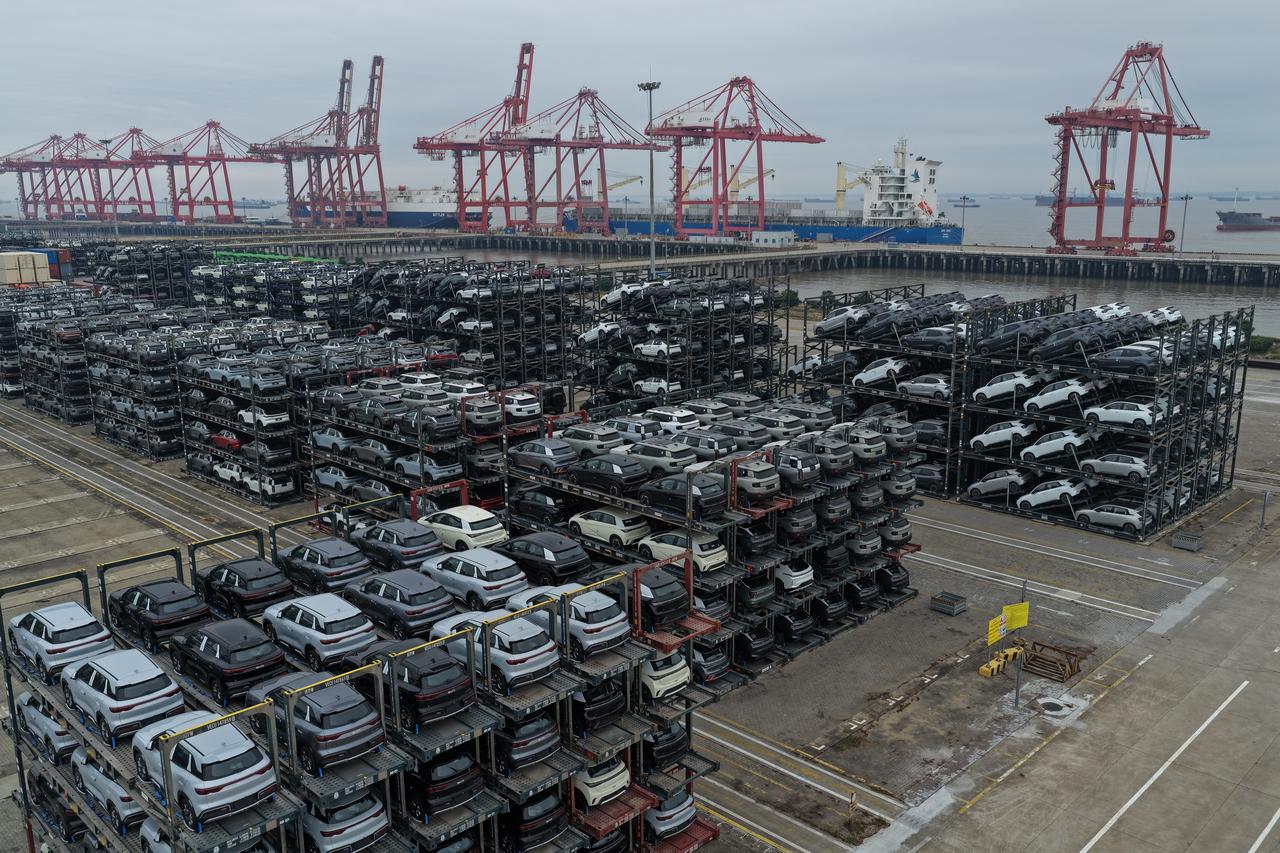

The push comes as other Chinese automakers and suppliers expand their manufacturing operations across Europe.
Chery is preparing to resume production at the former Nissan plant in Barcelona through its partnership with Spain's EBRO, with output expected to begin by the end of 2026 or in early 2027. The partners aim to ramp up annual production to as many as 150,000 vehicles by 2029.
SAIC's MG brand is pursuing plans for a €200 million factory in Ferrol, in Spain's Galicia region. The project is expected to create about 1,000 jobs, with construction planned for 2027 and operations targeted for 2028, subject to regulatory approvals.
Chinese battery manufacturer CATL is investing €2.1 billion in a plant in Spain, adding to its growing presence in Europe's electric vehicle supply chain.
The broader trend is reflected in Chinese foreign direct investment in the EU and the United Kingdom, which rose 67% to €16.8 billion in 2025, its highest level since 2018, according to a May report by Rhodium Group and the Mercator Institute for China Studies.
The automotive sector accounted for €7.6 billion ($8.5 billion), or 45% of total Chinese investment in Europe. Of that amount, 93% went into the electric vehicle supply chain, including battery production. Hungary attracted the largest share of Chinese investment at €3.9 billion, followed by Germany with €2.5 billion and France with €1.9 billion.


 Set as preferred source
 Set as preferred source


 1 min read