Newsletters


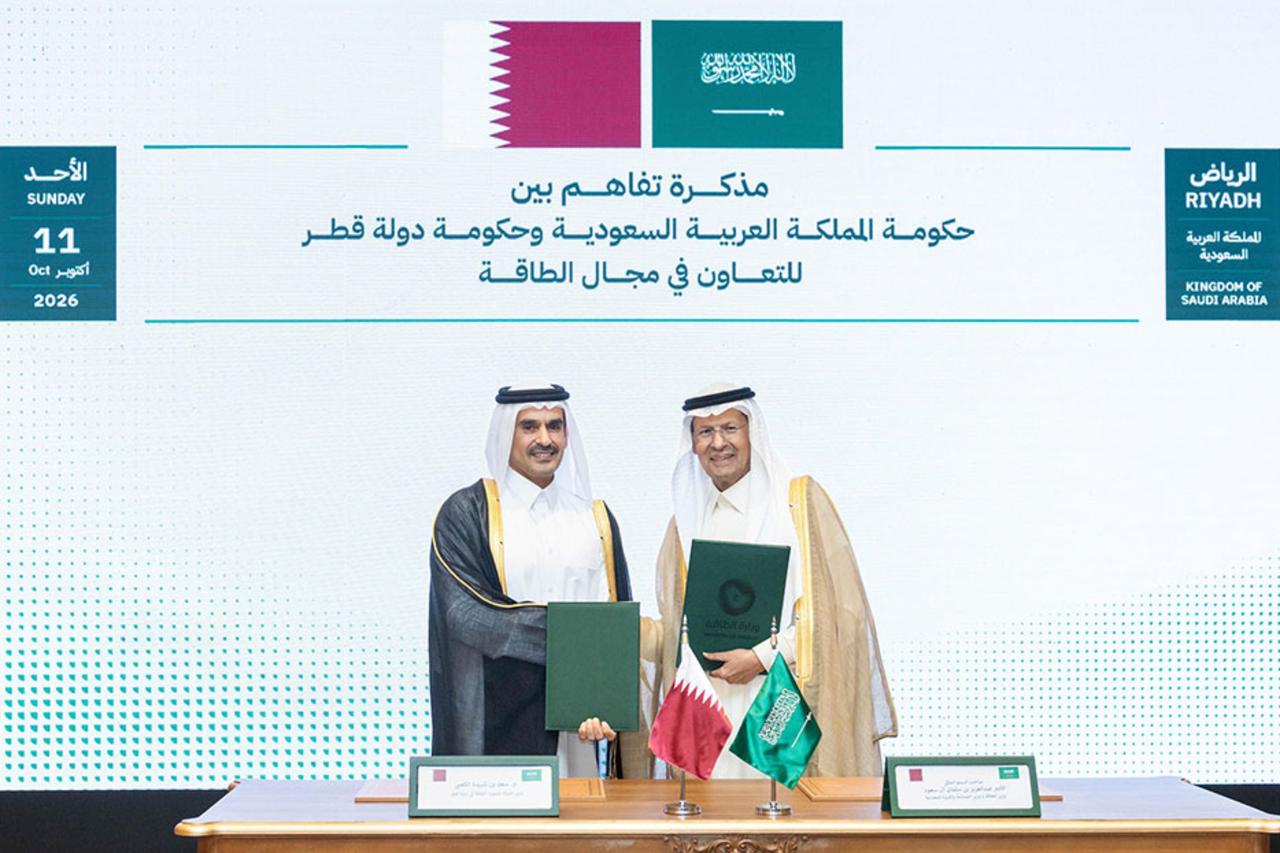


Qatar and Saudi Arabia signed an energy cooperation deal Sunday that includes exploring joint pipeline projects to transport and export oil and natural gas, as both countries seek to strengthen energy supply routes amid the ongoing Strait of Hormuz crisis.
Qatar's Energy Minister Saad Sherida Al-Kaabi and Saudi Energy Minister Prince Abdulaziz bin Salman signed the memorandum of understanding on the sidelines of the 17th International Energy Forum Ministerial Meeting in Riyadh.
The agreement provides a framework for the two countries to explore opportunities to jointly establish oil and gas pipelines, alongside cooperation in refining, petrochemicals, electricity, clean hydrogen, renewable energy, energy efficiency and storage, according to the Saudi Press Agency. The memorandum does not announce a finalized pipeline project.
The two countries also plan to develop sustainable petrochemical materials for construction and other sectors and cooperate on energy infrastructure. The deal further covers emissions reduction and sustainability, including carbon capture, transport, reuse and storage, as well as coordination on energy and climate change through relevant international initiatives.
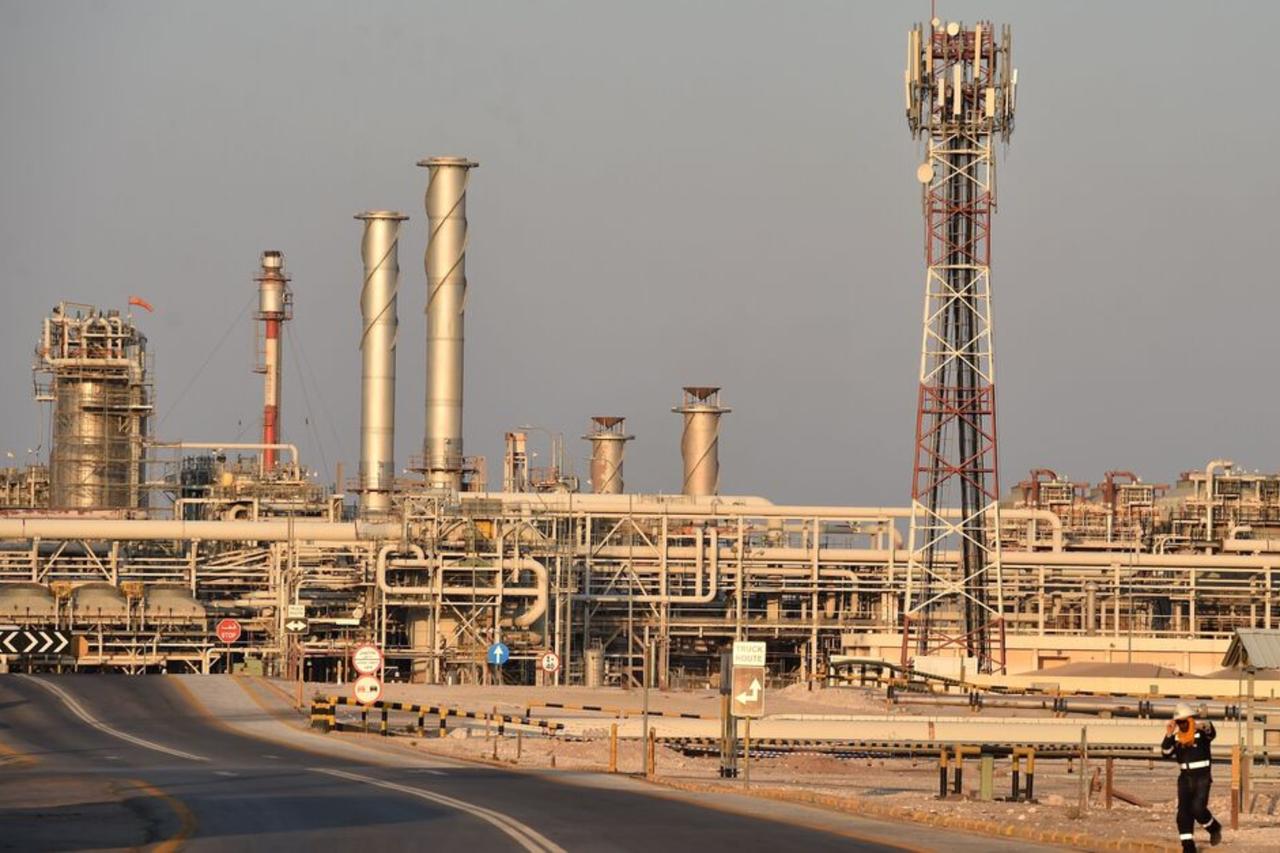
The deal comes amid continuing disruption to Gulf energy flows linked to the U.S-Israeli war with Iran and threats to shipping through the Strait of Hormuz, a critical route for global oil and gas trade.
Gulf oil flows have recovered from their sharpest disruptions but remain below prewar levels. Crude, condensate and refined-fuel exports from Saudi Arabia, Kuwait, Qatar, Oman, Bahrain, Iraq and the United Arab Emirates averaged 19.2 million barrels per day in September, compared with about 23.6 million barrels per day before the war.
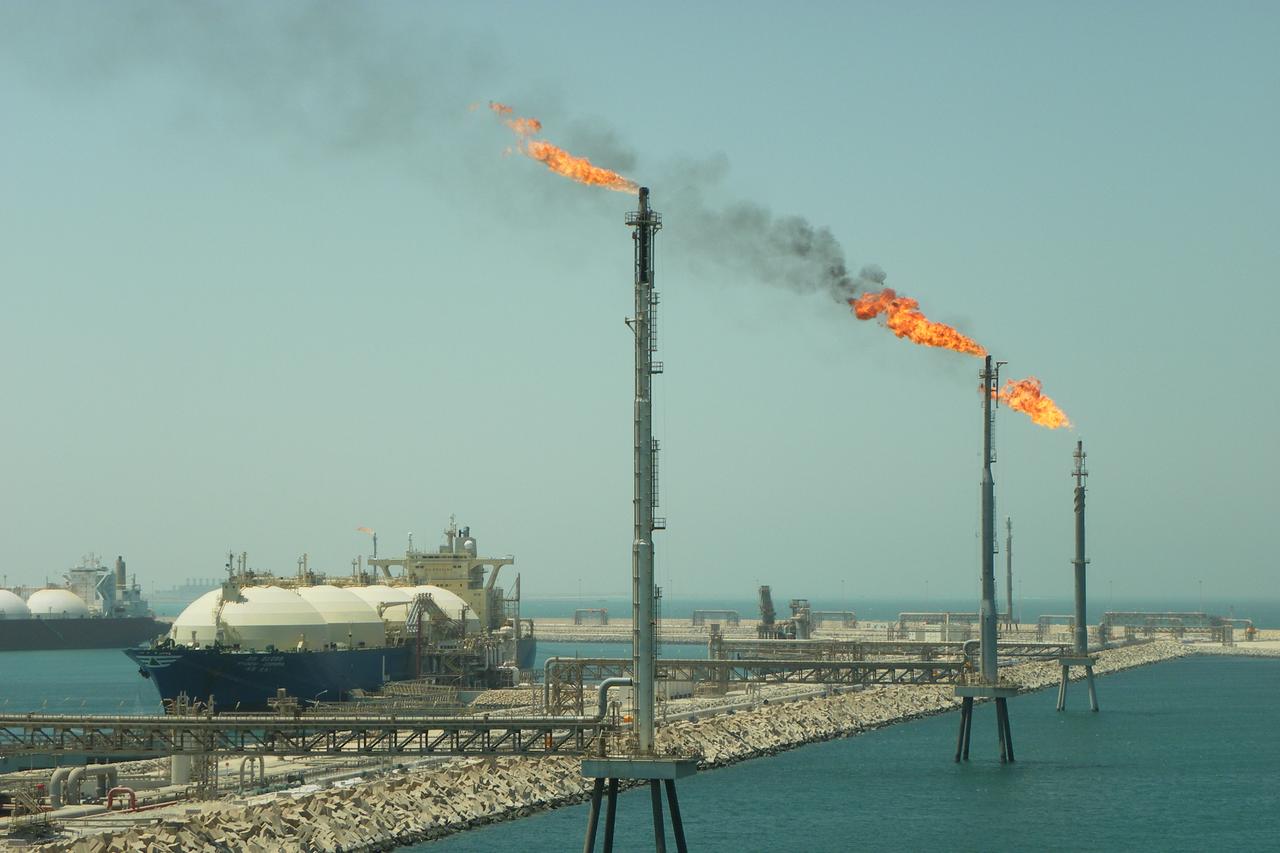
Qatar, the world's second-largest LNG producer, shipped just 1.6 million tons in September, less than a quarter of its prewar monthly average, as missile attacks and Strait of Hormuz disruptions hit exports.
Speaking at the forum, Kaabi called for a global energy system in which supplies and infrastructure are protected from political disputes and armed conflict. "Energy security should not divide us, but unite us; it must be protected and not used as a weapon," he said.
He warned that the regional conflict had triggered what he described as the world's worst energy crisis by far, affecting the flow of about 20% of global hydrocarbon supplies. Attacks on energy facilities across the region had caused tens of billions of dollars in damage and triggered serious volatility in global markets, Kaabi added.
He also stressed that energy security could not be separated from geopolitical stability, describing it as increasingly fragile after the developments of recent months.
Kaabi highlighted the broader consequences of supply disruptions, noting that one billion people worldwide still lack access to electricity, while about 4 billion depend on food produced using artificial fertilizers.
He also expressed Qatar's solidarity with Saudi Arabia's leadership and people, offered condolences to the families of those killed in Houthi attacks and wished the injured a speedy recovery.

Prince Abdulaziz bin Salman highlighted Saudi Arabia's decades-long investment in energy supply chains, saying the strong international turnout in Riyadh reflected the kingdom's global energy standing and commitment to keeping supplies moving amid regional security risks.
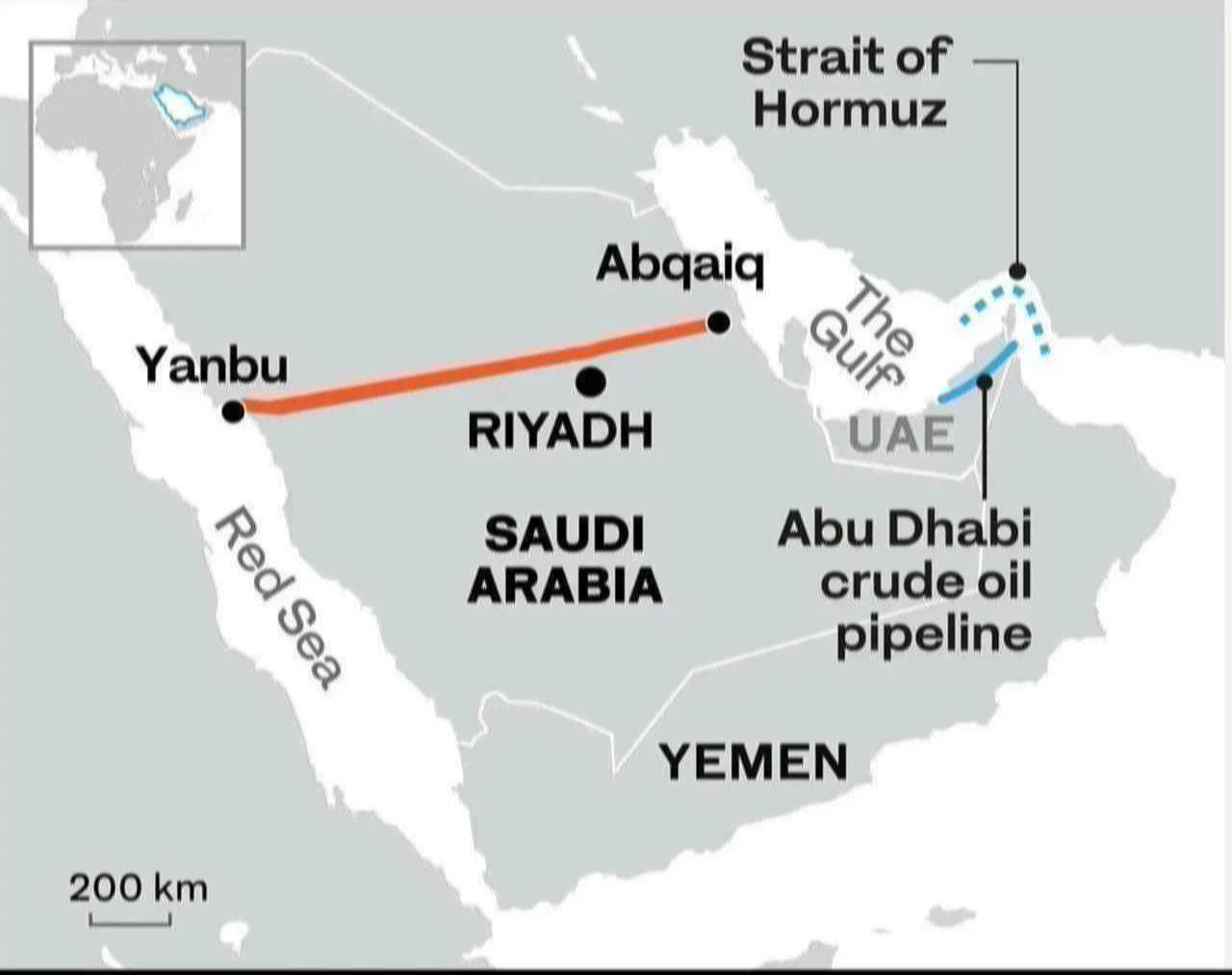
He said Saudi Arabia was developing alternative pipelines to bypass the Strait of Hormuz, arguing that the cost of building new routes would be far lower than the losses caused by having no alternatives during a crisis. The kingdom is also seeking international partners to diversify pipeline ownership, operations and financing.
The existing East-West pipeline illustrates the strategy, carrying crude from Saudi Arabia's eastern oil fields to the Red Sea port of Yanbu. It resumed operations on Sept. 22 after a 10-day shutdown following a drone attack.
In early September, Abdulaziz reported that flows through the pipeline had reached 5.8 million barrels per day.
He cautioned against taking energy security for granted but expressed confidence in Saudi Arabia's ability to overcome challenges and protect the interests of future generations.
Abdulaziz also described energy security as a shared international responsibility, stressing the need for closer cooperation between producers and consumers to maintain reliable supplies during disruptions.
He called for continued implementation of Vision 2030 and a reliable energy sector under all conditions, adding that the energy transition must reflect countries' differing needs. Saudi Arabia would continue developing emissions-reduction technologies and making better use of available energy sources.


 Set as preferred source
 Set as preferred source


 2 min read
 1 min read