Newsletters


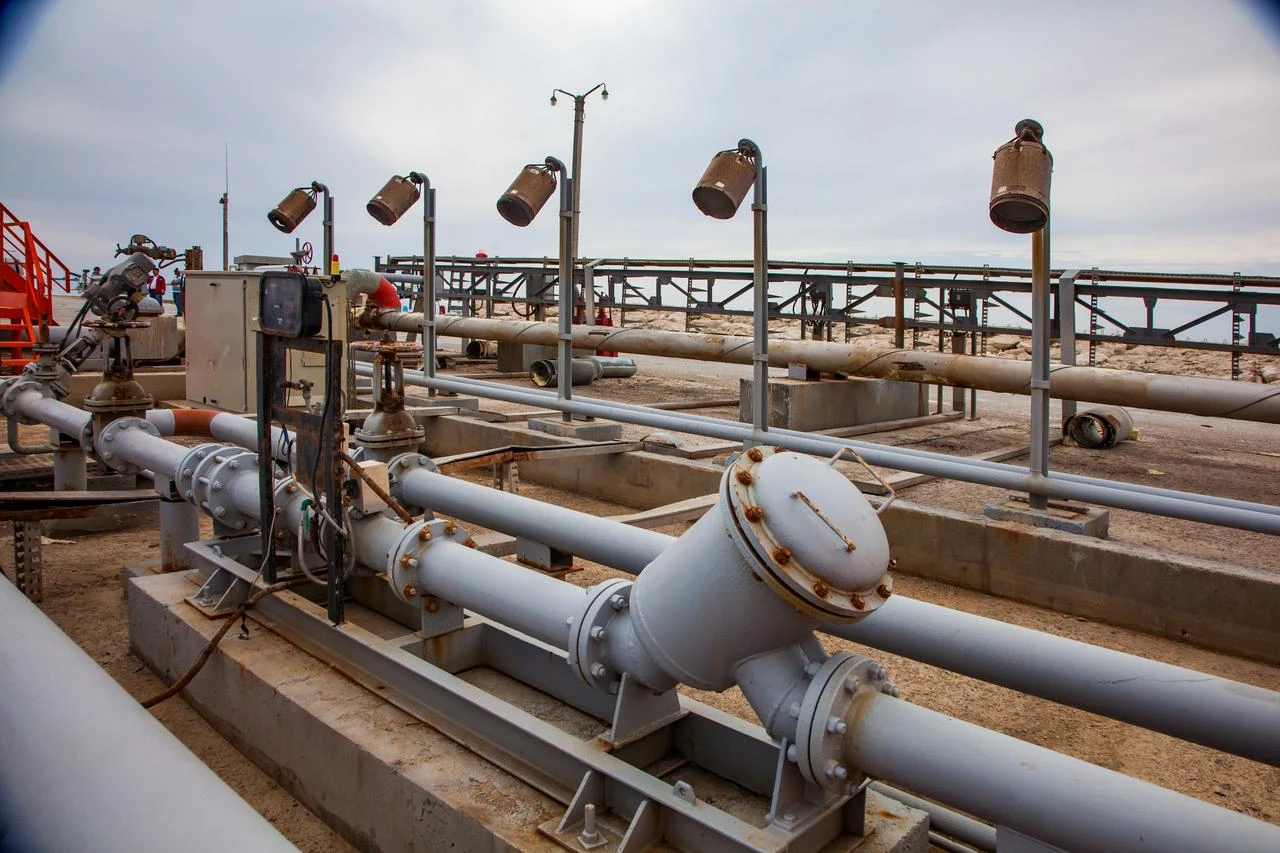


Caspian Pipeline Consortium (CPC), a major international oil transportation system linking fields on the Caspian Sea with its Black Sea terminal, saw shipments fall 7.4% in the first half of 2026 to 33.3 million tonnes from 36 million tonnes in the same period of 2025, according to Kazakhstan’s state-run oil company KazMunayGas (KMG).
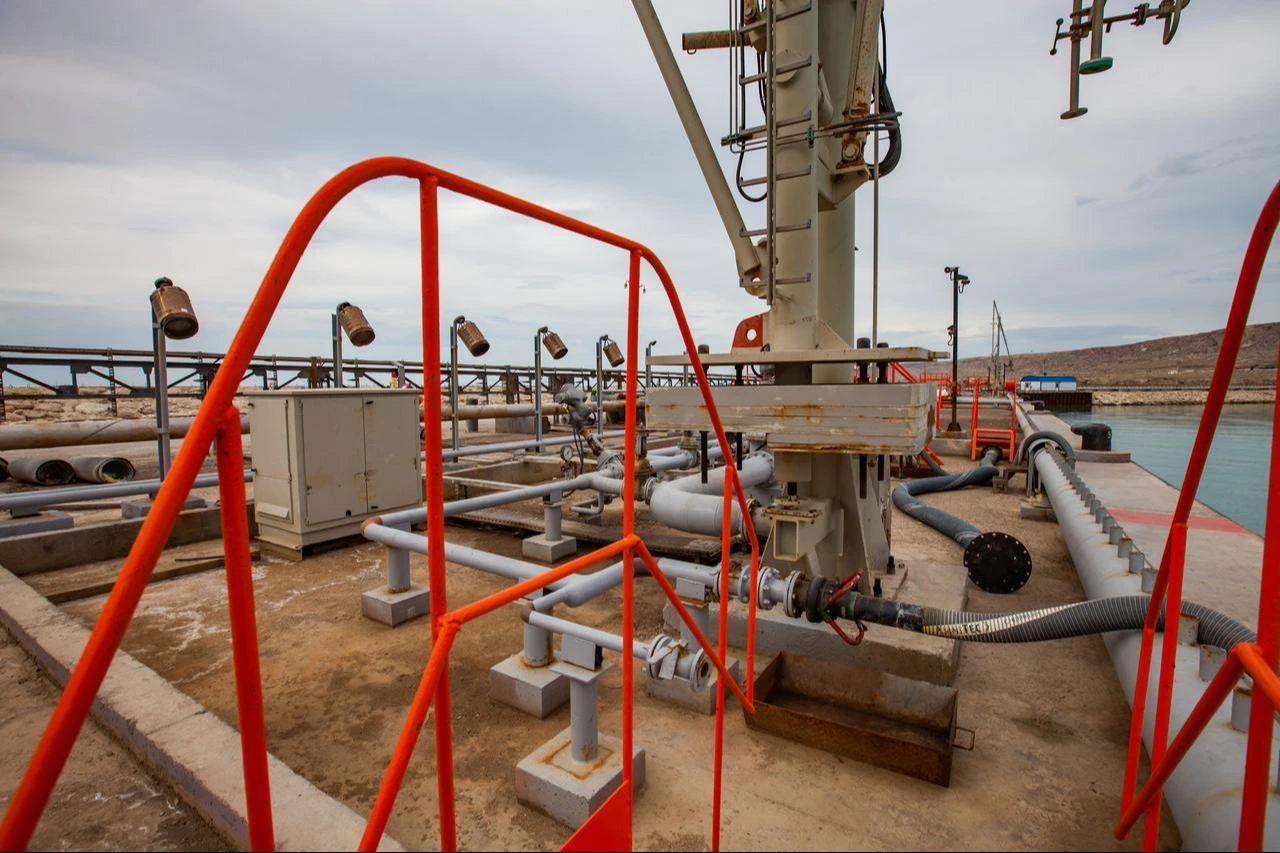
The company partly attributed the lower transportation volumes to a temporary disruption at CPC’s Single Point Moorings (SPMs) in January 2026, following repeated Ukrainian attacks on the infrastructure.
A Ukrainian naval drone attack severely damaged SPM-2 at CPC’s Black Sea terminal in November 2025, leaving the offshore loading point out of service, while SPM-3 was under repair. The damage and reduced number of operating loading points cut the terminal’s capacity as the new year began, hitting a key part of CPC’s export system.
CPC’s 1,500-kilometer network connects oil fields in western Kazakhstan and Russian fields on the Caspian Sea shelf with its marine terminal at Novorossiysk. More than 80% of the system’s total throughput comes from Kazakhstan.
The security threat around CPC’s Black Sea operations has intensified since the start of the year. Drone attacks in July cut CPC oil loadings by more than 20%, according to Reuters, while repeated disruptions and safety concerns have continued to affect tanker movements around the terminal.
On Aug. 14, another drone attack forced the nearby Sheskharis terminal at Novorossiysk to suspend crude loadings after storage tanks reached capacity. Operations resumed on Aug. 17.
KMG’s own share of CPC transportation stood at 6.9 million tonnes, down from 7.5 million tonnes a year earlier. On a total system basis, CPC handled 33.3 million tonnes in the first half, compared with 36 million tonnes in the same period of 2025.

The weaker CPC performance came as KMG’s overall oil transportation rose 4% to 43.3 million tonnes in the first half, while trunk pipeline volumes increased 0.8% to 36.3 million tonnes. Higher volumes elsewhere only partly offset the CPC decline.
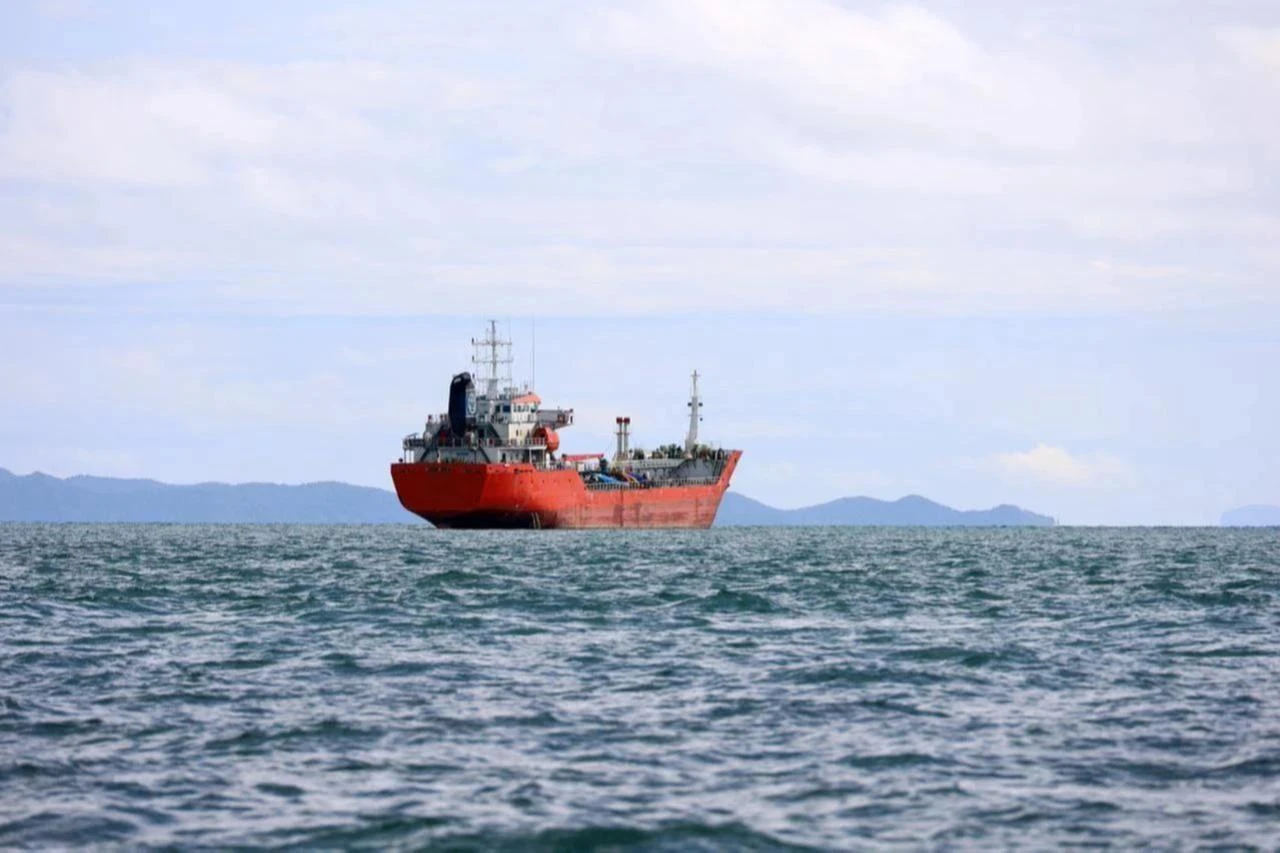
Marine transportation rose 24.4% to 6.9 million tonnes, driven by an expanded tanker fleet on Black Sea and Mediterranean routes and additional Suezmax tankers in the Mediterranean.
The disruption also affected several major fields feeding CPC. Tengiz oil production fell 14.7% to 3.3 million tonnes, with KMG citing CPC intake restrictions and a January fire at power-generation facilities that disrupted electricity supplies and left the Future Growth Project operating below capacity.
Kashagan produced 1.5 million tonnes of oil, broadly unchanged year on year, while gas output fell 6.5% to 930 million cubic meters because of temporary CPC SPM restrictions.
Karachaganak’s oil and condensate production fell 12.9% to 0.5 million tonnes, with KMG citing unstable CPC oil intake and limited raw gas intake from the Orenburg Gas Processing Plant.
CPC expects oil shipments to reach 72 million tonnes in 2026, up from 70.5 million tonnes in 2025, according to the consortium.


 Set as preferred source
 Set as preferred source


 1 min read
 1 min read