Newsletters


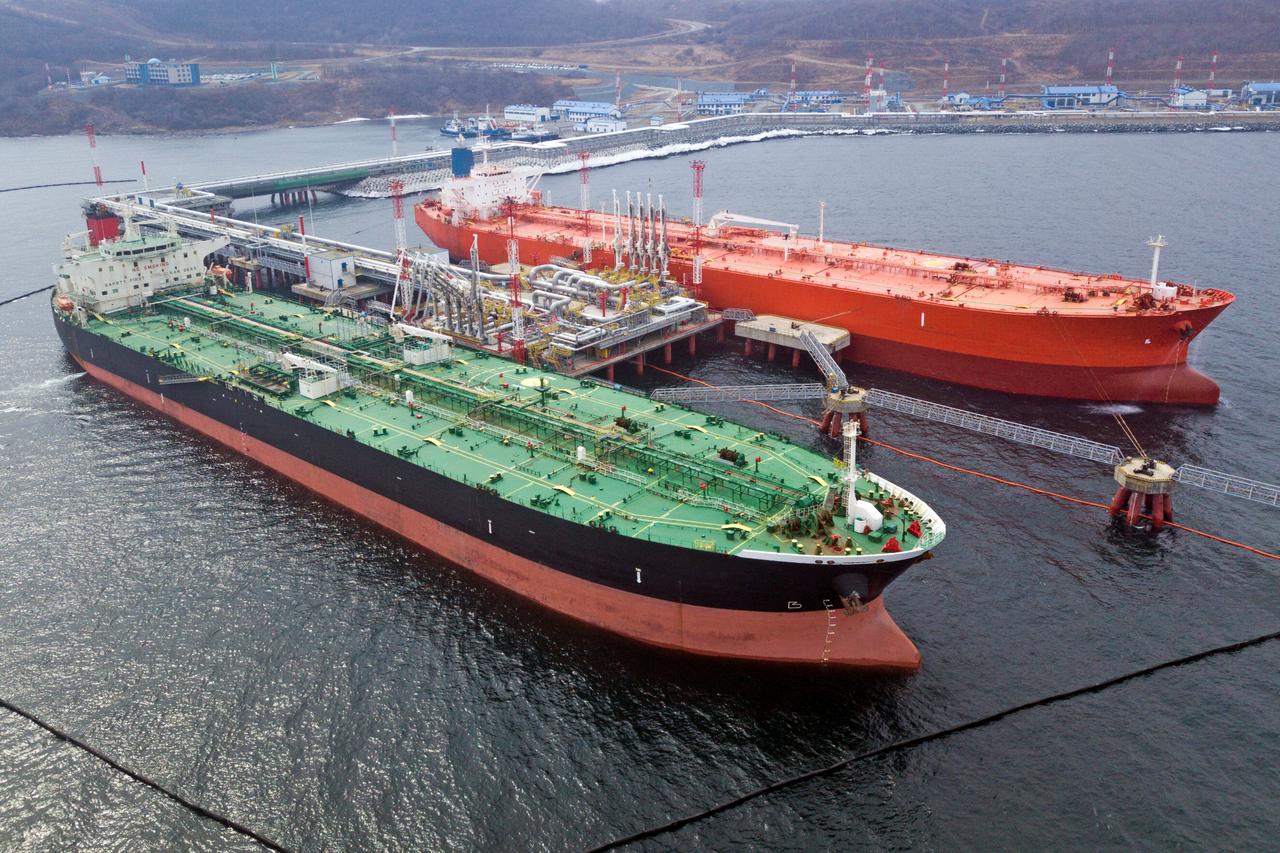


Oil prices fell more than 5% since Tuesday as markets reacted positively to news that Iran and Oman agreed on a temporary shipping route through the Strait of Hormuz.
International benchmark Brent crude dropped from around $92 per barrel to $87 per barrel. At the same time, U.S. WTI fell from $87 per barrel to $80 per barrel over two days, as a potential deal is seen as key to reopening the vital energy corridor.
Major Asian markets traded higher on Wednesday, with Japan’s Nikkei 225 rising 0.7% and South Korea’s Kospi gaining 1.4%. China’s Shanghai Composite added 0.6%, while Hong Kong’s Hang Seng edged up 0.8%.
European stock futures were mixed, with pan-European Stoxx 50 futures up 0.1%, Germany’s DAX down 0.1% and the UK’s FTSE up 0.2%. Futures tied to major U.S. indexes were mostly flat.
Gold retreated from its three-month high, losing 0.5% to around $4,640 per ounce, while silver ticked up 0.6% to $69.1 per ounce. Palladium and platinum were up 0.6% to $1,340 and $1,870 per ounce, respectively.
Cryptocurrencies pared their gains after recent optimism over the U.S. Clarity Act, which aims to establish clearer rules for digital assets, with bitcoin losing more than 2% to retreat to the $79,000 level.
Ethereum slid 1.8% to around $2,460, while the total cryptocurrency market capitalization shed more than 2%.


Iran and Oman are working on a framework to establish a temporary shipping corridor through the Strait of Hormuz and clear mines from the waterway, according to a statement following talks in Tehran between Iranian Foreign Minister Abbas Araghchi and his Omani counterpart, Badr al-Busaidi.
The two diplomats discussed a phased framework covering a joint temporary navigational corridor and a project to clear mines from the strait, Iran’s Deputy Foreign Minister Kazem Gharibabadi said.
Araghchi also held separate calls with Pakistan’s Army Chief Field Marshal Asim Munir and Qatari Foreign Minister Mohammed bin Abdulrahman Al Thani on easing regional tensions, preventing further escalation and supporting freedom of navigation through Hormuz.
Al Thani stressed Qatar’s "full support for diplomatic efforts" to secure maritime navigation and pave the way for a comprehensive agreement to achieve sustainable peace.
The diplomatic activity comes as the White House steps up economic pressure on Iran and its trading partners. U.S. Treasury Secretary Scott Bessent said the administration was declaring an "economic D-Day" against Iran and its trade partners, although the measures were viewed as softer than many had expected.
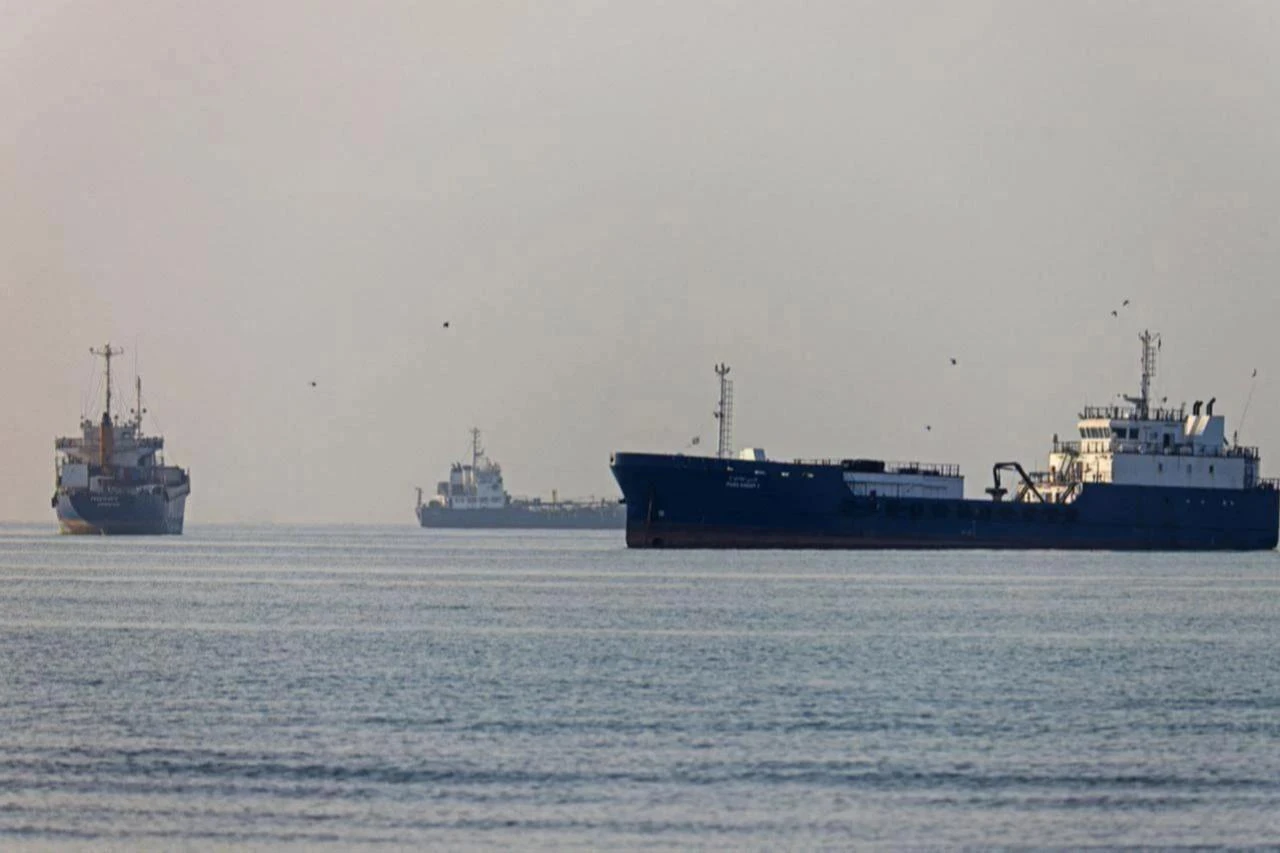
The Strait of Hormuz is a vital energy corridor linking the Persian Gulf with the Gulf of Oman and the Arabian Sea, with shipping traffic disrupted since the regional conflict began in late February.
Crude and oil product flows through the strait had fallen from around 20 million barrels per day (bpd) before the conflict to a near standstill, while Gulf countries had cut oil production by at least 10 million bpd as storage filled up and bypass capacity remained limited, according to the International Energy Agency (IEA) figures.


 Set as preferred source
 Set as preferred source


 1 min read
 1 min read