Newsletters


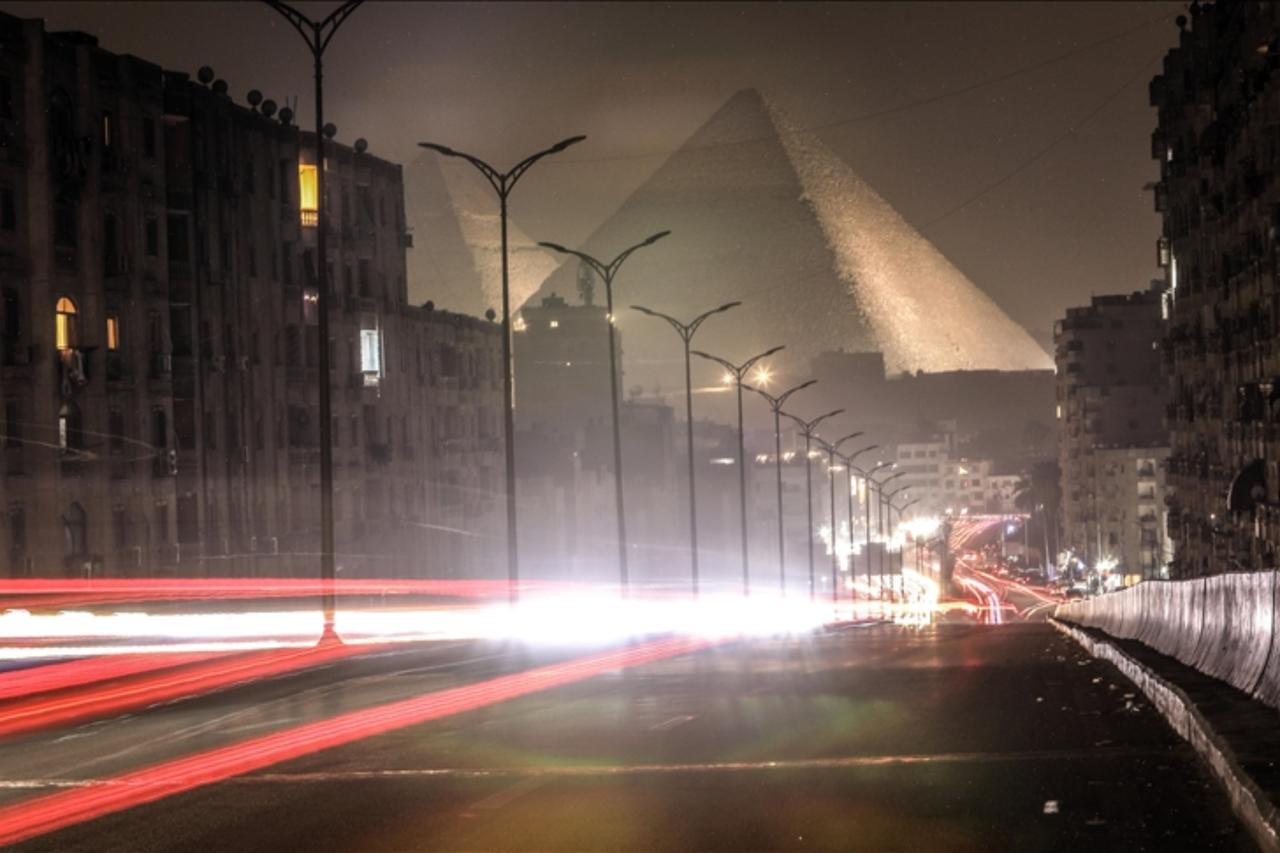


Prime Minister Mostafa Madbouly announced on Saturday that, following the rise in global oil prices in the wake of U.S. and Israeli attacks on Iran, Egypt has implemented a comprehensive package of energy-saving measures for one month.
"These measures aim to mitigate the effects of rising energy import costs due to high global oil prices," Madbouly said at a press conference, adding that Egypt's energy import bill climbed from $1.2 billion in January to $2.5 billion in March.
Shops, restaurants, shopping centers, cinemas, theaters, and wedding halls must now close by 9 p.m. local time (7 p.m. GMT) on weekdays, with the deadline extended to 10 p.m. (8 p.m. GMT) on Thursdays and Fridays, according to a statement from Madbouly's office.
Street lighting will be reduced nationwide, and advertising lights on streets will be cut by half. Fuel for government vehicles will be reduced by 30 percent. The government district in the New Administrative Capital will close at 6 p.m. (4 p.m. GMT).
Authorities also ordered a two-month slowdown of major national projects that use a lot of diesel. Starting April 1, remote work will be in place on Sundays.
Pharmacies, grocery stores, and tourist sites along the Nile in Cairo and Giza, as well as tourist spots in South Sinai, Luxor, Aswan, Hurghada, and Marsa Alam, do not have to close early.
These measures followed a series of fuel price hikes ranging from 14% to 30%, announced by the Egyptian Ministry of Petroleum on March 10.
However, Madbouly acknowledged that these increases have covered only about one-third of the rise in the country’s energy import bill since oil prices began to rise.
The prime minister did not specify when the one-month measures would be reviewed or whether they might be extended.
Global energy markets have experienced significant volatility since the U.S. and Israel launched an air offensive against Iran on February 28.
On March 2, Iran announced restrictions on navigation through the Strait of Hormuz, a key oil tanker transit route. About 20 million barrels of oil pass through the strait daily, and its partial closure has driven up shipping and insurance costs, triggering broader economic concern.
Egypt is one of several countries seeking to protect its economy from the effects of the crisis.
For Cairo, which imports much of its energy, the pressure is especially strong.
The new measures show that Egypt does not expect relief from global markets anytime soon.


 Set as preferred source
 Set as preferred source


 1 min read
 1 min read