Newsletters


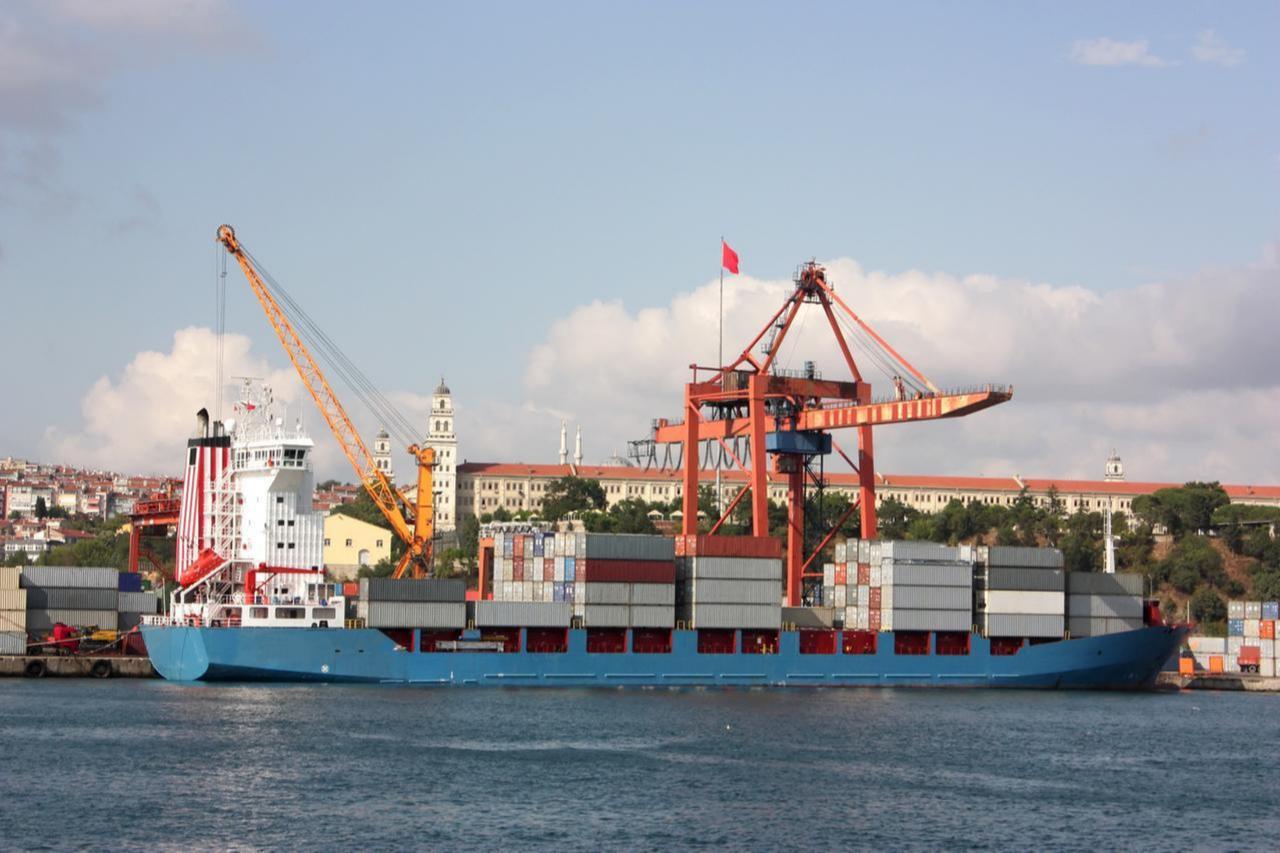


The European Union is preparing to prioritize products manufactured within its borders as part of its new industrial policy, potentially excluding trading partners such as Türkiye, which has long been an integral part of European industry.
This approach, particularly relevant to the automotive sector, not only threatens Türkiye's exports and future investments but also raises important questions about Europe's own economic interests. After all, the EU is turning to policies that restrict competition in an attempt to regain its lost global competitiveness.
Excluding more efficient producers from support mechanisms simply because they operate outside the EU may benefit certain European firms in the short run. In the longer term, however, it risks further undermining Europe's competitiveness by increasing costs, weakening innovation, and reducing productivity.
Behind this policy shift lie the prolonged economic stagnation and weak growth performance experienced by several EU economies, particularly Germany and France. Europe's technological and economic decline relative to the United States and China has prompted a reassessment of its traditional economic policies.
The new industrial policy emerging from these circumstances represents an approach in which governments actively support strategic sectors, direct investment, and increasingly influence the geographical distribution of production.
The European Union is thus moving away from its long-standing emphasis on free competition and market efficiency toward a more interventionist and protectionist industrial strategy.
Industrial policy itself is hardly a new concept. Governments have long intervened in their economies to promote development, accelerate technological progress, and expand productive capacity.
What distinguishes Europe's current approach is that the role of the state extends beyond correcting market failures and regulating competition. Governments are increasingly seeking to influence which industries develop, where investment takes place, and where production is located.
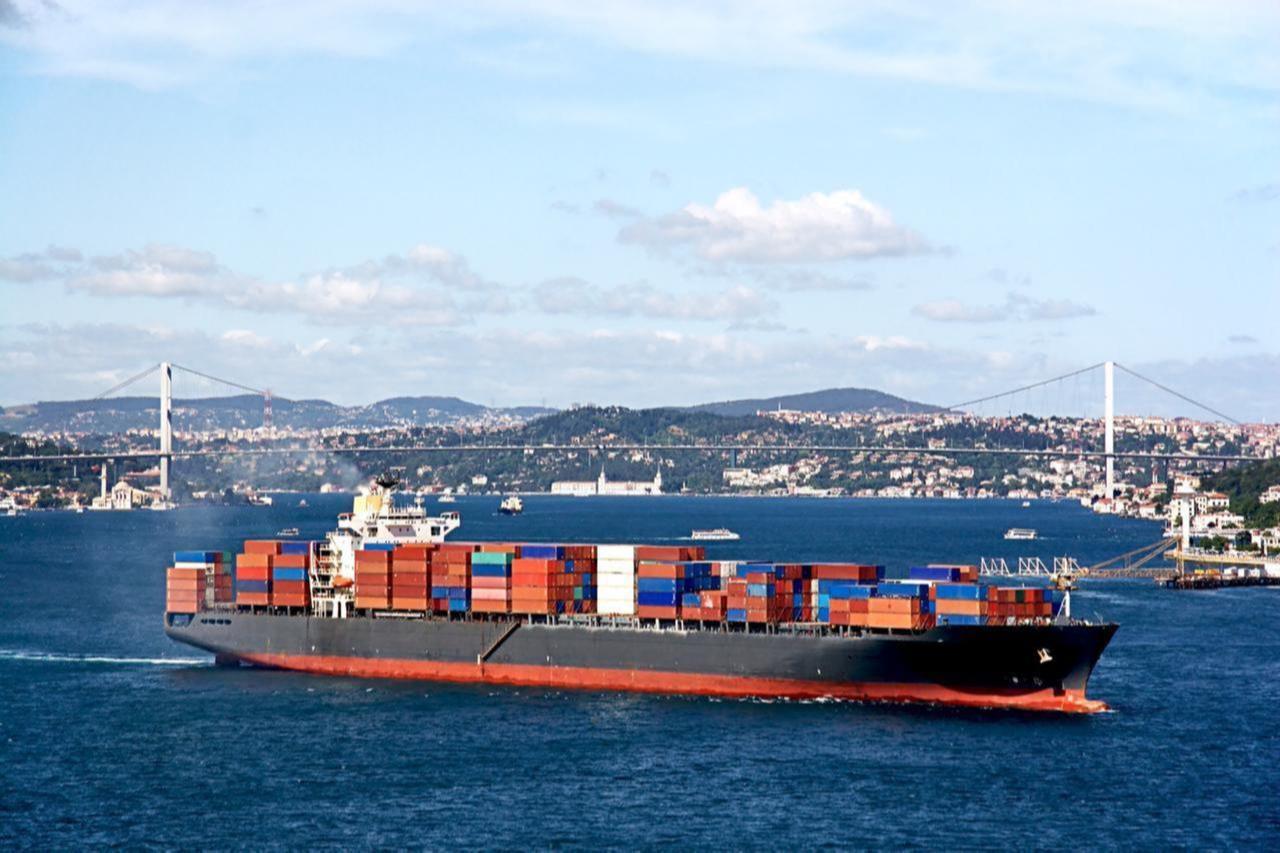

The European Commission presents this policy primarily as part of Europe's green and digital transitions. Nevertheless, the ambition to restore the competitiveness of European industry against the United States and China also plays a decisive role.
Indeed, when environmental objectives conflict with industrial competitiveness, economic concerns increasingly appear to take precedence. The agreement between Germany and France to ease regulations designed to effectively end the sale of new petrol and diesel cars from 2035 is a striking example of this shift in priorities.
One of the clearest manifestations of this new approach is the Industrial Accelerator Act (IAA), proposed by the European Commission on March 4, 2026. The legislation, which has not yet been adopted, aims to strengthen the global competitiveness of European industry and increase manufacturing's share of the EU economy to 20% by 2035.
To achieve these objectives, it proposes giving preference to European-made products through public procurement and government incentives in strategic sectors such as automotive manufacturing, steel, cement, aluminium, batteries, and clean energy technologies.
The most significant implication of the "Made in Europe" approach for Türkiye is the possibility that certain production activities will be excluded from these support mechanisms. Earlier proposals envisaged allowing non-EU countries with customs union arrangements with the EU to participate under certain conditions.
However, the agreement reached between Germany and France in October 2026 has raised concerns that Türkiye, particularly its automotive industry, could be left outside the scheme.
For Türkiye, this debate goes far beyond foreign trade. Given the country's position within the European automotive industry, the potential consequences extend from production and employment to foreign investment and technological transformation.
In 2025, Türkiye's automotive sector recorded exports of $41.5 billion, of which approximately $30.1 billion, or 72.5%, went to EU countries. These figures illustrate the extent of Türkiye's integration into the European automotive market.
Moreover, Türkiye is not simply an exporter of vehicles to Europe. European automotive manufacturers have developed extensive production networks with factories and suppliers operating in Türkiye over several decades.
Vehicles and components manufactured in industrial centres such as Bursa, Kocaeli, and Sakarya form an important part of European production processes.
Excluding Turkish production from support schemes could therefore affect not only Turkish companies but also European manufacturers with substantial investments in the country.
There are, of course, legitimate economic arguments for industrial policies aimed at reducing dependence on foreign suppliers in strategic sectors, encouraging technological development, and strengthening security of supply.
Yet even if the overall benefits of such policies outweigh their costs, excluding trading partners such as Türkiye, Japan, and South Korea, which are deeply integrated into European production networks, could create serious economic problems.
One of the fundamental principles of international trade theory is that countries benefit economically by exploiting their comparative advantages at different stages of production.
Consider a European car manufacturer that can obtain a component from Türkiye at a lower cost but is required by rules of origin to purchase it from a more expensive EU supplier.
Such a requirement would lead to an inefficient allocation of resources. Furthermore, Türkiye's cost advantages do not arise solely from lower labour costs. Specialization, economies of scale, well-developed supplier networks, and accumulated manufacturing expertise are equally important sources of competitiveness.
This problem can also be understood through the concept of trade diversion, introduced into international trade theory by Jacob Viner. Replacing a more efficient Turkish producer with a higher-cost EU supplier may increase the profits of the protected firm while reducing overall economic welfare.
In modern manufacturing, moreover, imported inputs and domestic production are often complements rather than substitutes. Higher costs for automotive components sourced from Türkiye may ultimately translate into higher prices for vehicles manufactured in Europe, weakening the position of European producers in global markets. In short, protecting one stage of production does not necessarily strengthen the entire value chain.
The Japanese automotive manufacturer Toyota highlighted this concern precisely when it proposed a "Made with Europe" approach instead of "Made in Europe" on Oct. 16. The strength of European industry depends not only on production within its own borders but also on the extensive manufacturing networks it has developed over many years with reliable trading partners.
Another cost of protectionist measures is their potential to weaken competitive pressures in domestic markets. Excluding more efficient foreign suppliers may allow EU firms to raise prices while reducing their incentives to lower costs and innovate. Fewer participants in public procurement tenders may also increase government expenditure.
Furthermore, firms may increasingly devote resources to lobbying for subsidies and preserving existing privileges rather than improving productivity. As a result, incentives initially intended to be temporary may gradually turn into permanent protection.
Concentrating production within European borders is also questionable from the perspective of supply security. As the wars in Ukraine and Iran have demonstrated, the resilience of modern supply chains depends not only on domestic production but also on the diversification of supply sources.
Concentrating production in a single geographical area may increase firms' exposure to common energy, infrastructure, and regulatory shocks. Excluding production partners such as Türkiye, which is geographically close to Europe, possesses an advanced industrial base, and is closely integrated with European production standards, could therefore weaken rather than strengthen supply security.
Uncertainty arising from new rules of origin may also discourage future investment. Firms establish international production networks based on expectations of stable and predictable market access. An automotive company operating in Türkiye will inevitably consider eligibility for EU support when deciding where to develop and manufacture its future models and technologies.
Consequently, even if Türkiye retains its existing cost and production advantages, new investments may be redirected toward EU countries or investment decisions may be postponed.
The compatibility of protectionist industrial policies with Europe's environmental objectives also deserves closer examination. If the primary objective is to reduce carbon emissions, this should be achieved at the lowest possible economic cost.
Excluding a lower-carbon, more cost-efficient product from support schemes simply because it is manufactured outside Europe could make the green transition unnecessarily expensive. This creates a potential mismatch between the instruments used to protect domestic industry and the environmental objectives those policies are intended to achieve.
Ultimately, Europe's search for a new industrial policy is understandable in the face of economic stagnation and intensifying global competition. However, implementing such a policy through protectionist and discriminatory measures risks aggravating the very problems it seeks to address. Excluding countries such as Türkiye, which are deeply integrated into European production networks, could also damage the EU's own economic interests.
What Europe needs is not a protectionist industrial policy that confines production within political borders, but one that strengthens productivity, technological progress, and competition.
In this respect, a "Made with Europe" approach appears better aligned with the long-term interests not only of Türkiye and other trading partners but also of the European economy itself. Europe will not regain its global competitiveness by shielding itself from competition, but by making better use of the efficiency gains and opportunities for innovation that competition creates.
The European Parliament's committee vote on the Industrial Accelerator Act is scheduled for Nov. 30, followed by a plenary vote expected in mid-December. There is also discussion of addressing the automotive provisions in a separate legislative package.
The negotiations in the coming weeks will therefore be important in determining how Europe balances protectionism with economic integration in shaping its new industrial policy.


 Set as preferred source
 Set as preferred source


 1 min read

 1 min read