Newsletters


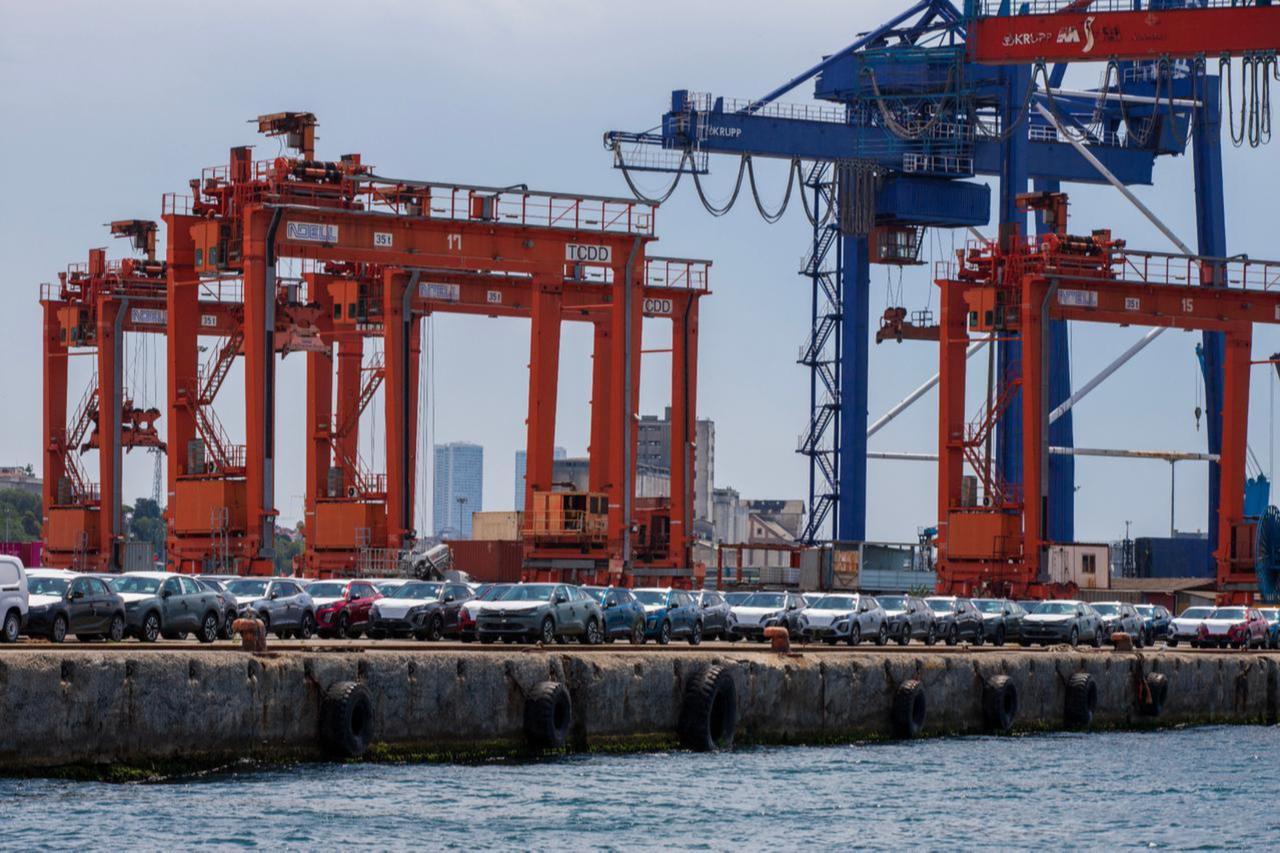


The European Automobile Manufacturers’ Association (ACEA) has called on the European Union to grant targeted exemptions for European automakers operating in Türkiye, warning that excluding the country from proposed “Made in Europe” rules could put existing investments at risk and weaken the bloc’s industrial competitiveness.
The call comes after Germany and France reached a preliminary agreement last week on the geographic scope of the EU’s proposed Industrial Accelerator Act (IAA), which aims to strengthen European manufacturing against Chinese competition.
The emerging framework leaves room for the United Kingdom and European Free Trade Association (EFTA) countries but excludes Türkiye.
Although the agreement is not yet binding and the legislation remains under negotiation, the proposed exclusion has raised concerns across Türkiye’s automotive industry, which is closely integrated with European production and supply chains.
Maria Linkova-Nijs, ACEA’s executive director for policy and strategy, told Turkish outlet Hurriyet that the association supports the EU’s efforts to strengthen industrial production but believes the legislation should protect manufacturers that have invested under existing rules.
"The European automotive industry is undergoing a profound transformation amid intense global competition, rising production costs and challenging market conditions," she said.
Linkova-Nijs stressed that the new framework should not inadvertently penalize European manufacturers that have already committed capital under the current rules.
She also urged EU lawmakers to account for investments made by ACEA members in countries outside the proposed framework, particularly in the heavy commercial vehicle segment.
"Particularly in the heavy commercial vehicle segment, the protection of investments by ACEA members operating in countries such as Türkiye and Morocco must be taken into account in the ongoing negotiations," she added.
Leaving these operations outside the law’s geographic scope could weaken European manufacturers’ competitiveness, put long-term investments at risk, and create uncertainty over future production and investment decisions, according to Linkova-Nijs.
ACEA supports targeted exemptions for European manufacturers operating in neighboring countries that maintain close industrial ties with the bloc. Such exemptions should protect existing investments without creating legal loopholes or undermining the legislation’s objectives, she explained.
The scale of Türkiye’s role is evident in the heavy commercial vehicle sector. ACEA members produced 29,000 trucks and 8,500 buses in the country in 2025.
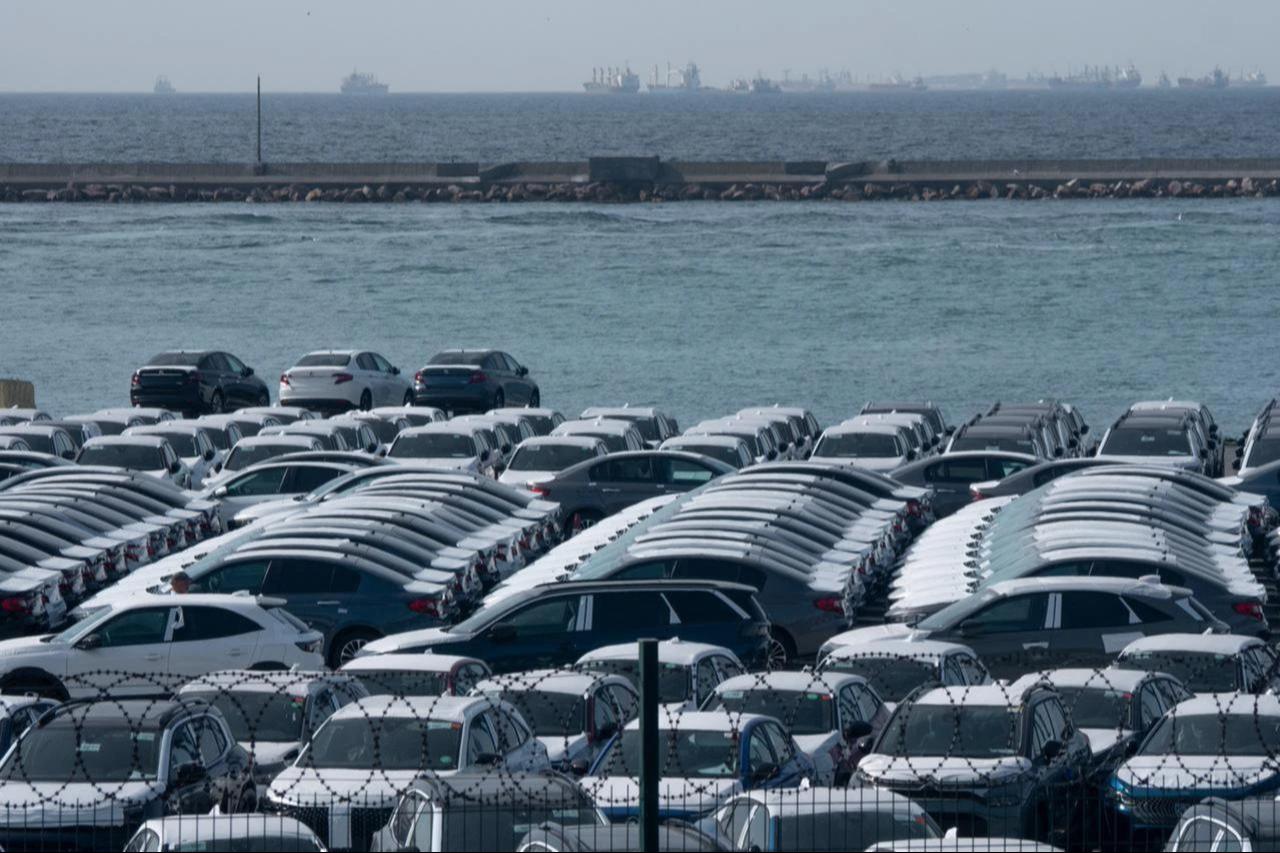

The Automotive Manufacturers Association of Türkiye (OSD) has also warned that excluding Türkiye could weaken European automakers’ competitiveness. OSD Chairperson Cengiz Eroldu described the German-French agreement as inconsistent with Europe’s existing production and supply networks.
"We view this approach, which does not align with the existing production and supply structure of the European automotive industry, as a decision that falls short of Europe’s competitiveness goals and has no economic justification," he told the outlet.
Türkiye and the EU are major markets and suppliers for each other, making their automotive industries deeply interconnected. Excluding Türkiye could hurt domestic manufacturers and European companies producing and investing in the country.
Türkiye has been part of Europe’s automotive value chain for more than 30 years through the Customs Union, with ties spanning joint investments, manufacturing, supply chains, engineering and research and development.
Eroldu stressed that the German-French agreement reflects the position of two EU member states, not a final decision by the bloc.
"The EU’s legislative process is ongoing. We are continuing our engagement to ensure that the final regulation takes an inclusive approach that recognizes the economic integration established through the Customs Union and existing industrial ties," he said.
After the German-French agreement, Trade Minister Omer Bolat met automotive industry representatives on Oct. 19 to discuss the proposal and the next steps, Eroldu said.
The Trade Ministry and industry groups have spent the past year lobbying EU institutions, member states and automotive representatives for Türkiye’s inclusion.
The European Parliament is scheduled to vote on the proposal in December, with negotiations involving the European Council, Commission and Parliament expected to begin early next year.
Eroldu said public and private sector efforts would continue to protect joint production and supply chains and preserve Europe’s global competitiveness.


 Set as preferred source
 Set as preferred source


 2 min read

 1 min read