Newsletters


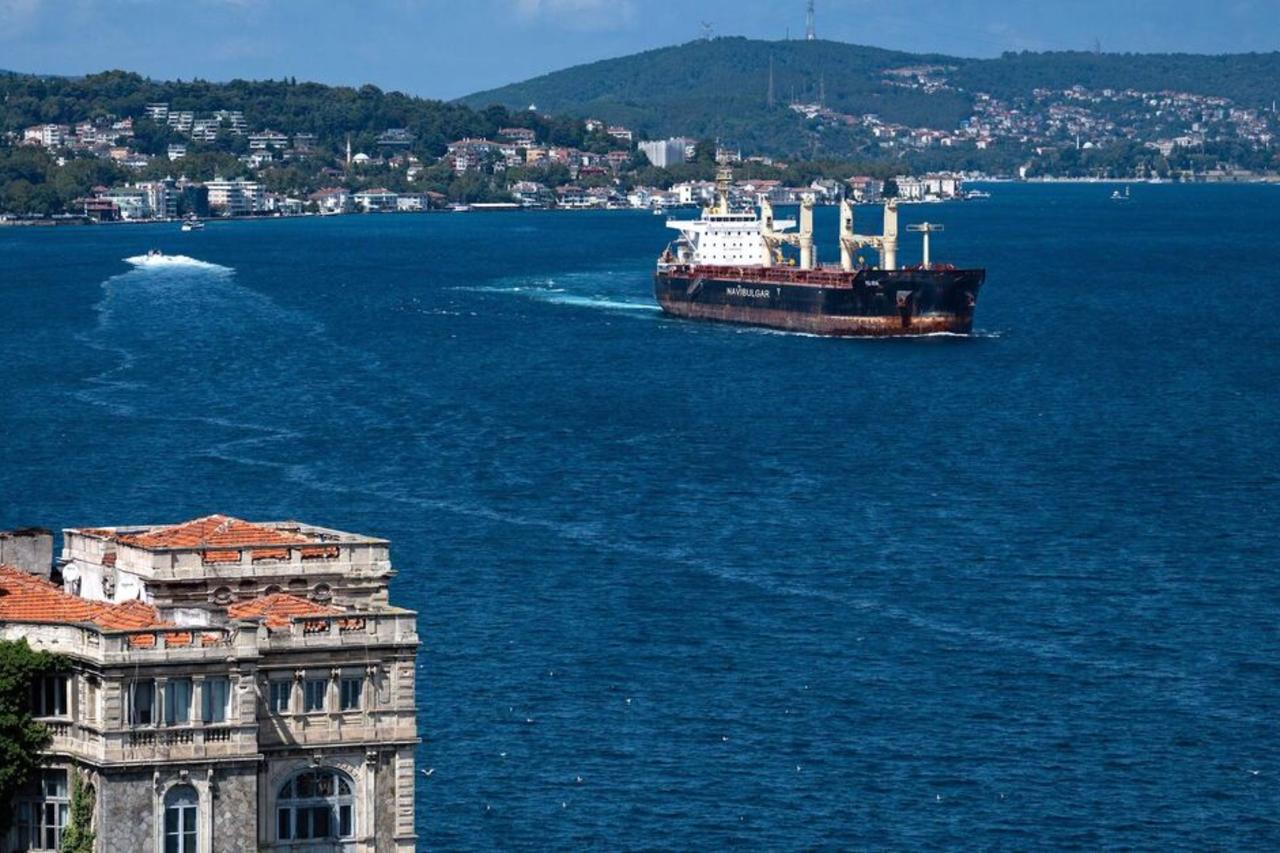


Insurance costs for ships crossing the Black Sea have quadrupled, and freight rates have more than tripled in the last three months as drone attacks on merchant vessels spread toward Bulgarian and Romanian waters, with some operators shifting to crews from India and Bangladesh, where wage costs are lower, in an effort to "offset the losses.”
"Insurance costs have risen from 1.5% to 6% over the past three months, while freight rates have increased from $30 to $100 per ton," a maritime source told Türkiye Today, speaking on condition of anonymity.
The Black Sea carries a large share of the world’s grain, oil and oil products, and a wave of attacks, including on several Turkish-owned ships, is raising costs for traders, pushing shipowners onto longer coastal routes and putting pressure on fuel and grain prices.
To compensate for the losses, some operators have begun hiring Indian and Bangladeshi crew members instead of Turkish and European sailors, the source noted.
The Black Sea shipping companies have been victimized in the last months as the Russia-Ukraine war has entered into a new, bloody phase.
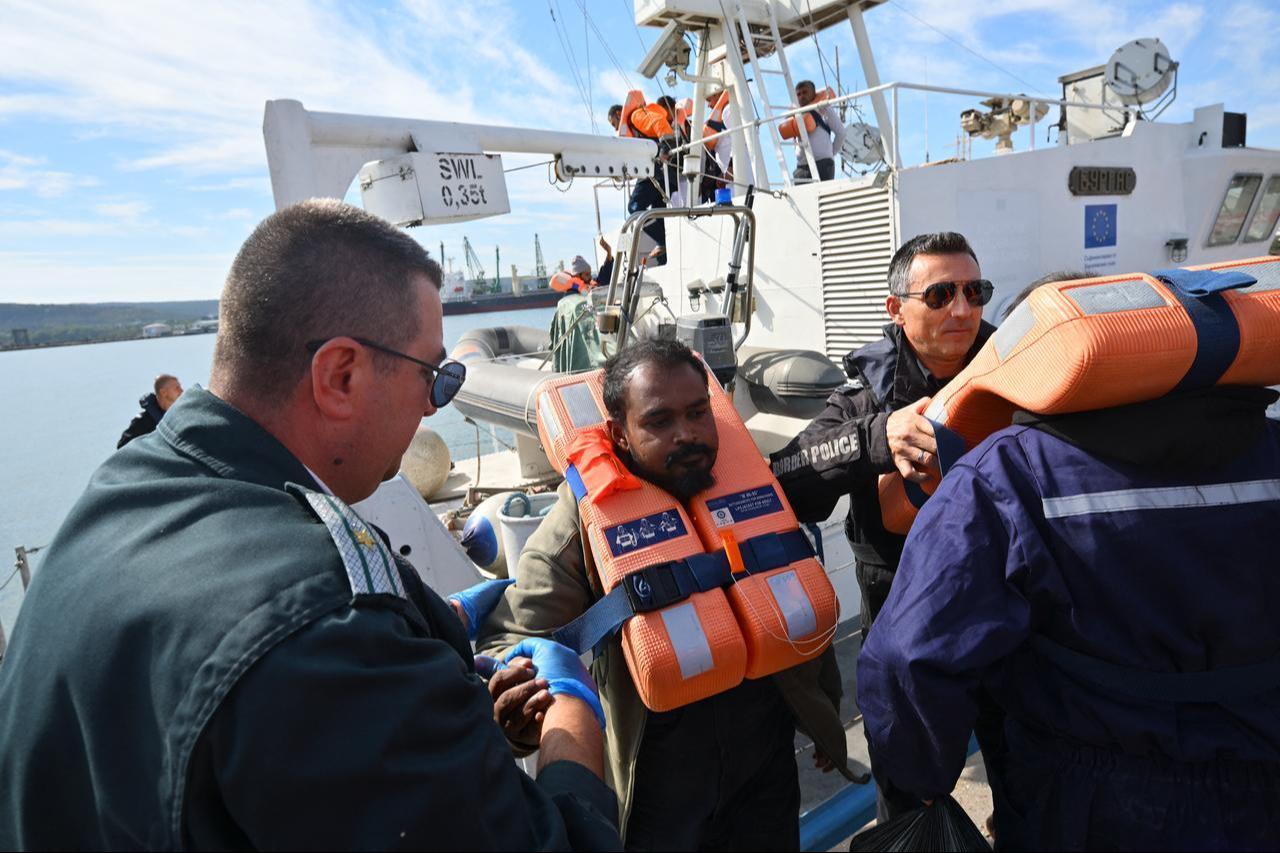
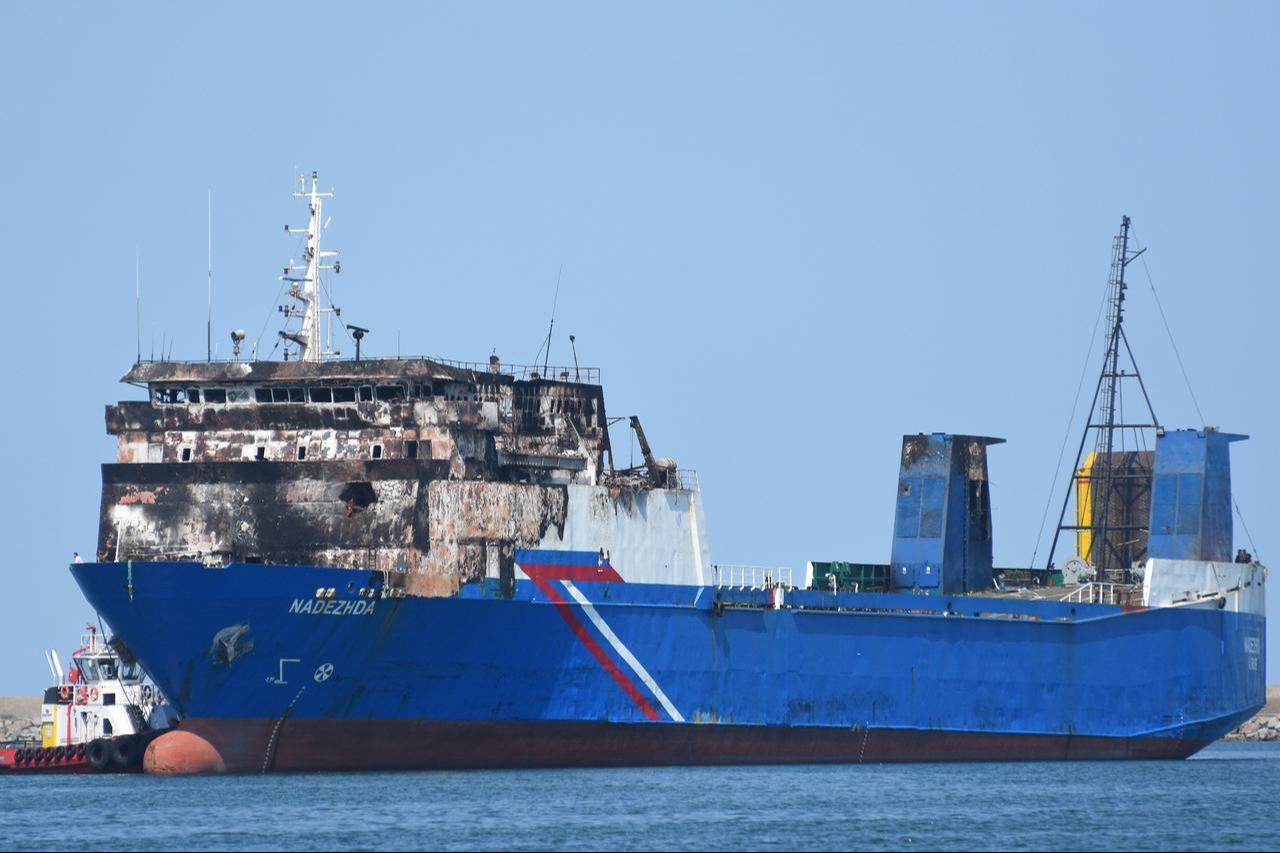
Recently, eleven Turkish and seven Indian sailors were rescued from the Palau-flagged Able, operated by Istanbul-based Ocean Eagle, after drones struck it off Bulgaria on Oct. 6. The crew of the Alfa Watan, operated by Mersin-based Baraka Shipping, remains missing after the vessel sank. The nine Syrians and one Egyptian on board are presumed dead.

Brokers and traders describe a steep and volatile rise in war-risk premiums, though figures vary by vessel, cargo and route.
The war insurance market for Black Sea transits is now testing rates of 0.6% to 1% of a ship’s value, up from 0.2% to 0.5% last week, BPG Shipping Director Gennadiy Ivanov said.
With a 50% no-claims bonus, the actual premium is about 0.3% to 0.5%, compared with 0.1% to 0.25% a week earlier, he wrote on Facebook.
Freight broker Konstantin Sobol, founder of Marelis Navigation, said premiums rose fivefold in two weeks, from 0.1% to 0.5%, a rate insurers confirmed as of Oct. 6, with the market expecting at least 1%.
"Take a conditional 5,000-tonner worth $1.5 million. At a rate of 0.5%, the insurance premium is $7,500. If it carries 5,000 tons of cargo, that’s $1.5 per ton on top of freight, for those who follow the club’s recommendations and pay this premium," Sobol told Ukraine's Latifundist.
At 1%, the cost would reach $3 per ton.
Insurance for oil tankers operating in the Black Sea has climbed from about $200,000 to $2.5 million per vessel in recent months, adding pressure to fuel prices in Bulgaria, Evgeni Simeonov, a commercial manager for Lukoil’s companies in Bulgaria, told public broadcaster BNT.
 2 min read

Shipowners are increasingly sailing within the 12-nautical-mile territorial waters of Türkiye, Bulgaria and Romania, which lie outside the London market's expanded high-risk zone and do not require additional war insurance.
"There are already shipowners who, as expected, are ready to go within the 12-mile zone (territorial waters), i.e., without insurance (here I think safety is the priority, not savings)," Ivanov wrote.
The coastal route from Istanbul to Romania's Constanta is about 90 to 100 nautical miles longer than the direct route, or 180 to 200 miles round trip, adding about $20,000 in charter and fuel costs, he said.
Sobol estimated about 90% of the transit fleet now uses the coastal route, but warned insurance terms could change again if attacks reach territorial waters.
The Joint War Committee of the London insurance market expanded its listed area to the whole Black Sea in September, excluding only the territorial waters of Bulgaria, Romania, Türkiye and Georgia.
"This week, the JWC has expanded the Black Sea reporting requirements to the whole of the Black Sea area. The coastal waters of Russia and Ukraine were already listed," Neil Roberts, head of marine and aviation at the Lloyd’s Market Association, said at the time, Reuters reported.
War-risk premiums were adding hundreds of thousands of dollars to every 7-day voyage.
The expansion widened the high-risk zone about 2.4 times, to roughly 411,200 square kilometers, Bulgarian outlet Maritime.bg reported.
Insurers had warned of volatility earlier this year.
"Rapid risk escalation, with few indicators and warnings preceding, has become a hallmark of the Black Sea environment," Munro Anderson of Vessel Protect told Reuters in January, when rates rose to 1% after drones hit two Greek-managed tankers near a Russian terminal.


 Set as preferred source
 Set as preferred source



 1 min read