Newsletters


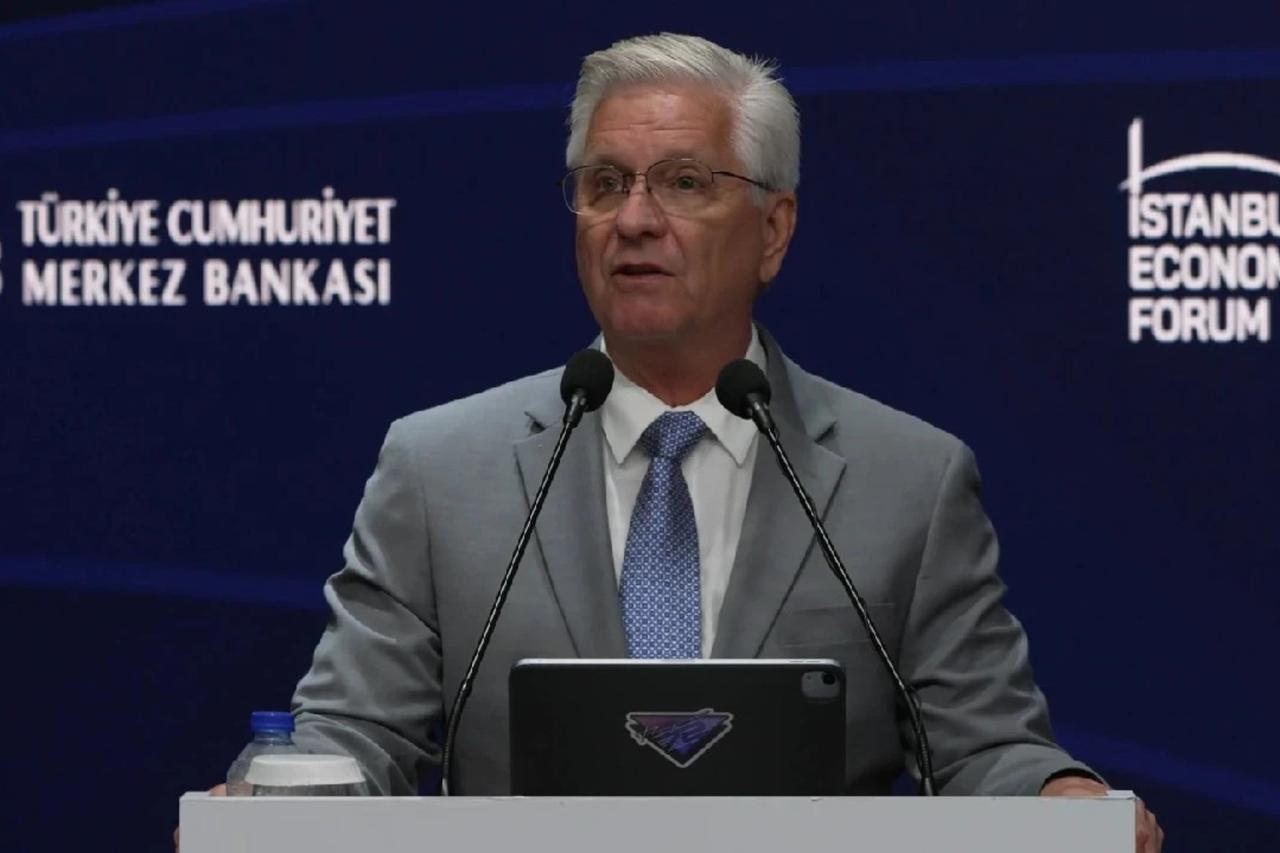


Federal Reserve Governor Christopher Waller signaled Thursday that the U.S. central bank could raise interest rates further if economic data continued to develop as expected, pointing to persistent inflation pressures and a labor market that remained stable.
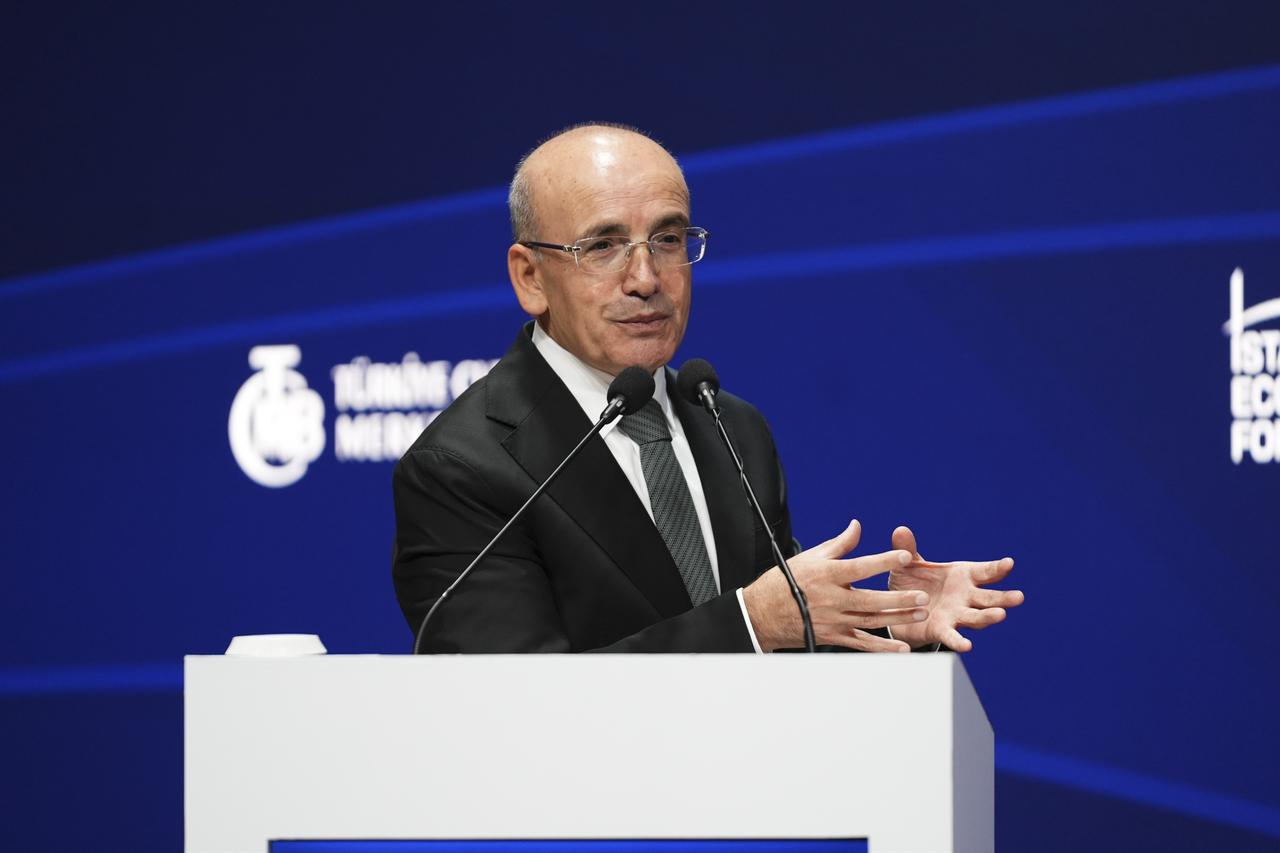
Waller made the remarks at the Istanbul Economic Forum organized by the Central Bank of the Republic of Türkiye (CBRT) at the Istanbul Financial Center (IFC), where he discussed the outlook for the U.S. economy and monetary policy.
"If economic data continues to come in as expected, I expect further rate increases to support a faster return of inflation to our 2% target," Waller said, adding that the increases did not have to come at consecutive meetings but needed to take place within a reasonable period.
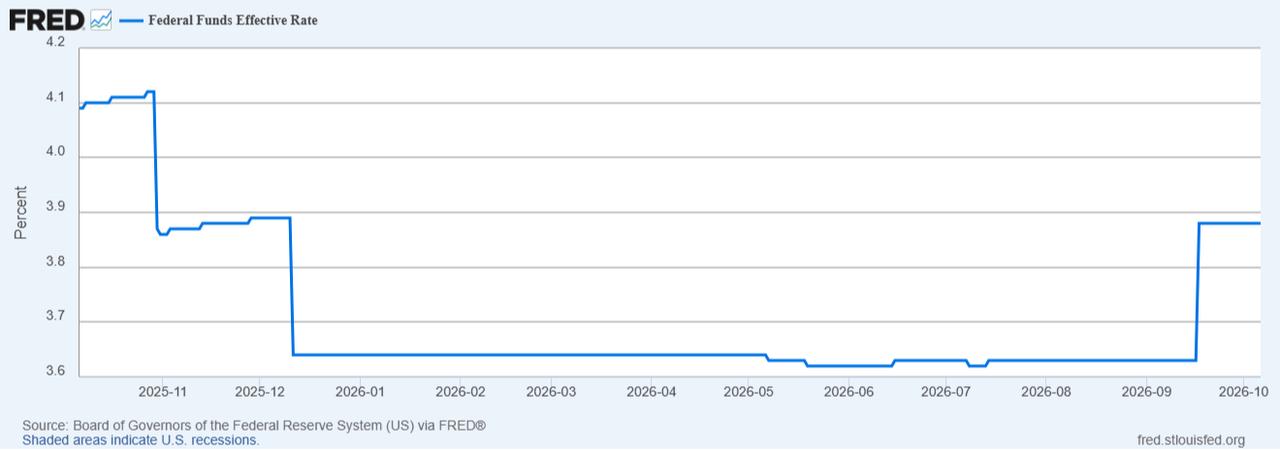
Federal Open Market Committee raised its policy rate by 25 basis points in September to 3.75%-4%, following a nine-month period in which rates had remained unchanged. The Fed had previously cut rates by a combined 75 basis points over its final three meetings last year as weakness emerged in the labor market.
Waller pointed to persistent inflation as a key reason for expecting further tightening. The latest official data showed core PCE inflation at 3% in August, while Waller noted that 12-month core inflation had remained between roughly 2.5% and 3% since spring 2024, well above the Fed's 2% target.
Meanwhile, September payrolls rose by 29,000, and the unemployment rate stood at 4.2%, with Waller describing the labor market as solid and stable.
He was also concerned that the latest acceleration in inflation could lift expectations among consumers, investors, and businesses that set prices, potentially making inflation harder to bring back down. Waller noted that progress in bringing inflation down had partly stalled because conflicts in the Middle East had pushed energy prices higher.
Those expectations had weakened, however, as experts warned that low inventories and damaged infrastructure could keep oil prices elevated throughout 2027.
Waller said he was not overly concerned that tighter monetary policy would cause a serious economic slowdown. He pointed to signs that economic activity had strengthened during the second half of the year.

Waller also flagged AI investment and trade disputes as inflation risks, saying AI infrastructure spending was pushing up prices for high-tech goods while new tariffs could add to those pressures. He warned that AI companies could borrow trillions of dollars in coming years, potentially driving up U.S. government borrowing costs.
Waller called AI a major productivity opportunity that could change "the way jobs are done, the speed at which they are done, and the amount of output that is produced." But he said its broader impact had yet to show clearly in economic data.
AI could also reshape the labor market, with some jobs disappearing and new ones emerging. Waller's main concern was the pace of that shift. "In the past, the transitions took a lot longer, so you could see the new jobs emerge," he said, noting that potential job losses were easier to identify than the new roles that could replace them.
Still, Waller expected the AI market to span multiple companies rather than produce a single winner and did not expect the technology to trigger a major economic downturn.
He attributed higher bond yields to stronger growth and productivity expectations, inflation concerns and expectations for further Fed hikes. Consumer spending had also remained resilient despite higher food and energy costs.
Waller also highlighted the rapid growth of private credit, noting that properly structured funds could keep investors' money committed for longer because they were not required to repay it on demand.


 Set as preferred source
 Set as preferred source


 1 min read
 1 min read