Newsletters


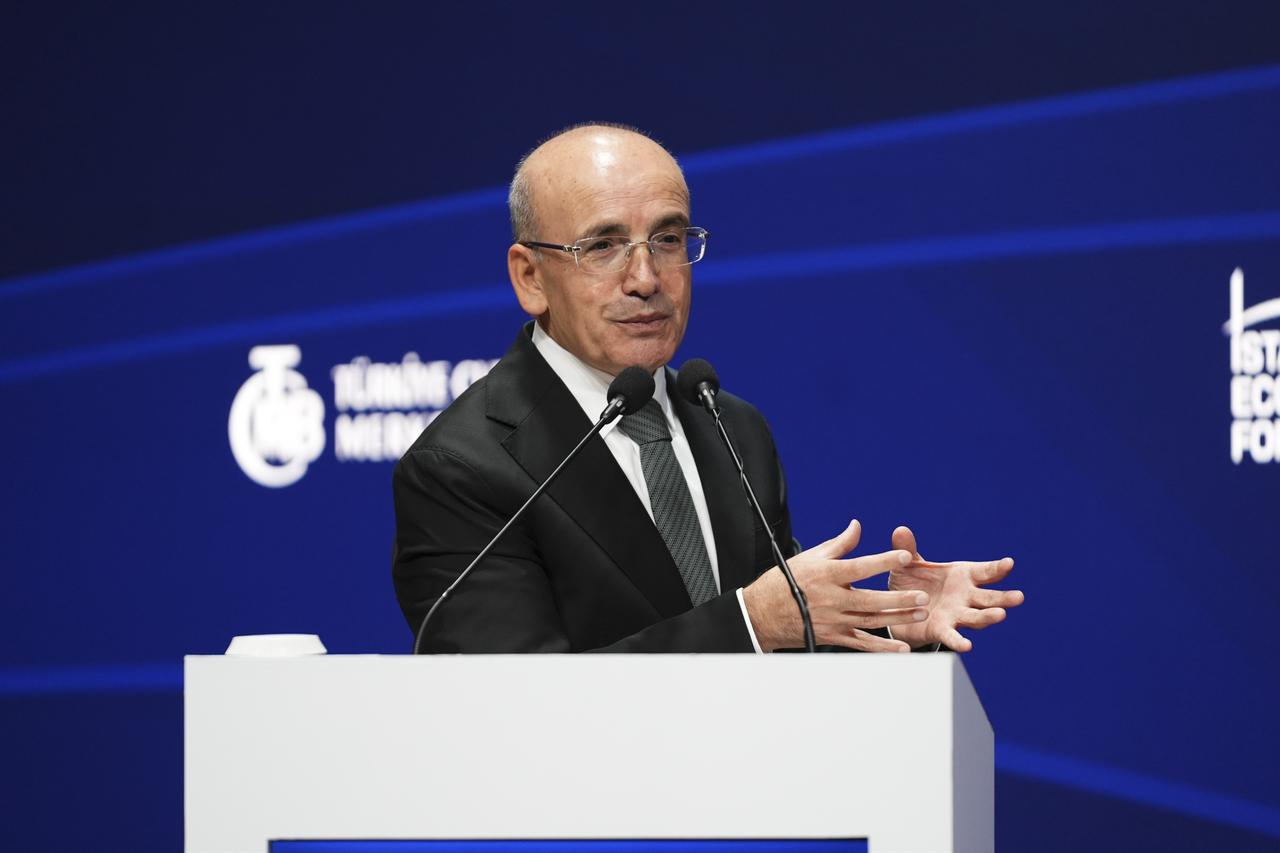


Türkiye is stepping up its defense investments while seeking to stay out of regional conflicts, with Finance Minister Mehmet Simsek saying defense research and development has exceeded $100 billion and the country's 2027 defense budget is set to rise by 229%.
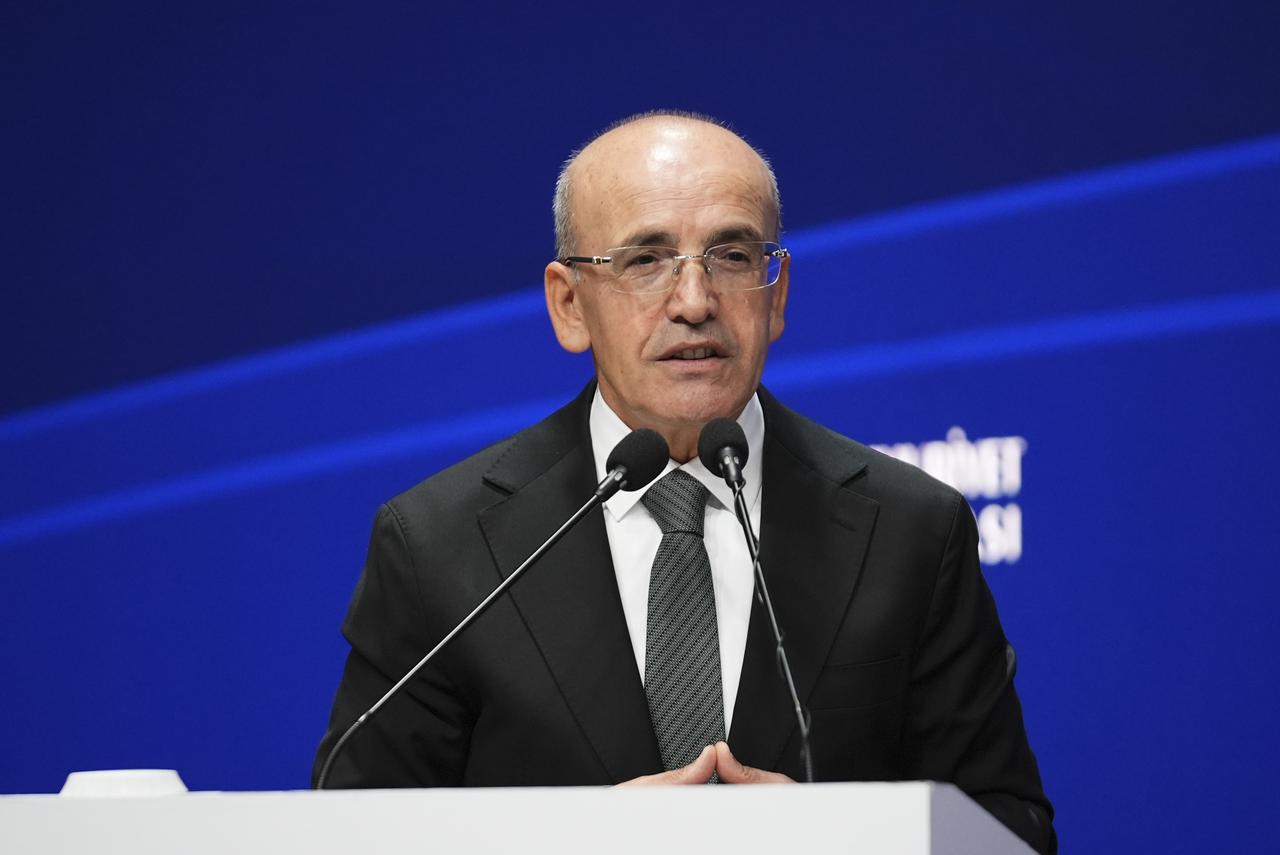
Speaking at the Istanbul Economic Forum, Simsek framed the buildup as part of Türkiye's effort to strengthen its deterrence while investing in peace in a region facing continuing conflicts and tensions. "We avoid conflicts but at the same time invest in peace," he said.
Simsek also pointed to investments in regional connectivity, energy security and the green transition. Türkiye is developing the Middle Corridor and Development Road Project to strengthen links between Europe, Asia and the Middle East, while Turkish Airlines maintains the world's largest flight network.
"Energy supply security is one of the most critical issues today," Simsek said, highlighting Türkiye's long-running investment in pipelines for natural gas, oil and other energy resources.
Renewables now account for nearly 60% of Türkiye's electricity generation. As host of COP31, the country aims to raise its electrification rate from 23% to 35%, which Simsek said would significantly cut energy import dependence.
Türkiye is also expanding its services exports, with 54 free trade agreements in force and three more in the approval process. Talks are underway with Japan, Indonesia, the Gulf Cooperation Council and Canada. "Türkiye is competitive in services exports," Simsek said, pointing to tourism, healthcare and television series.
Tourism revenues have risen ninefold in dollar terms over the past 25 years, and the government aims to nearly double them again over the next decade. Türkiye has more than 50 internationally accredited health institutions, while Turkish TV series rank third globally in services exports.
On technology, Simsek said work on 5G+ infrastructure was complete, fiber capacity was expanding and Türkiye was seeking investment in large-scale data centers.

Türkiye responded to recent shocks by tightening monetary policy while keeping fiscal policy relatively tight and using available fiscal space to cushion their impact.
On debt, Simsek highlighted Türkiye's comparatively low levels. Emerging economies have an average debt ratio of about 230%, versus around 90% in Türkiye, while public debt stands at 22% of GDP.
The government plans to strengthen its position through reforms to public procurement, fiscal rules and state-owned enterprise governance.
Turning to recent turmoil in the fund market, Simsek said, "The situation is under control." He added that the developments could help create "healthier and deeper capital markets" and stressed that policymakers have room to respond to shocks.
Simsek acknowledged that disinflation slowed somewhat this year because of the effects of war but stressed that the government remains committed to the program.
"The primary objective of the Medium-Term Program is to ensure price stability. Fiscal discipline has been achieved and will be maintained. The Turkish economy continues to grow," he said.
Türkiye grew by more than 3% last year, compared with about 1.5% growth among its trading partners, while its average annual growth over the past 25 years has been close to 5.5%, Simsek noted.


 Set as preferred source
 Set as preferred source


 1 min read
 1 min read