Newsletters


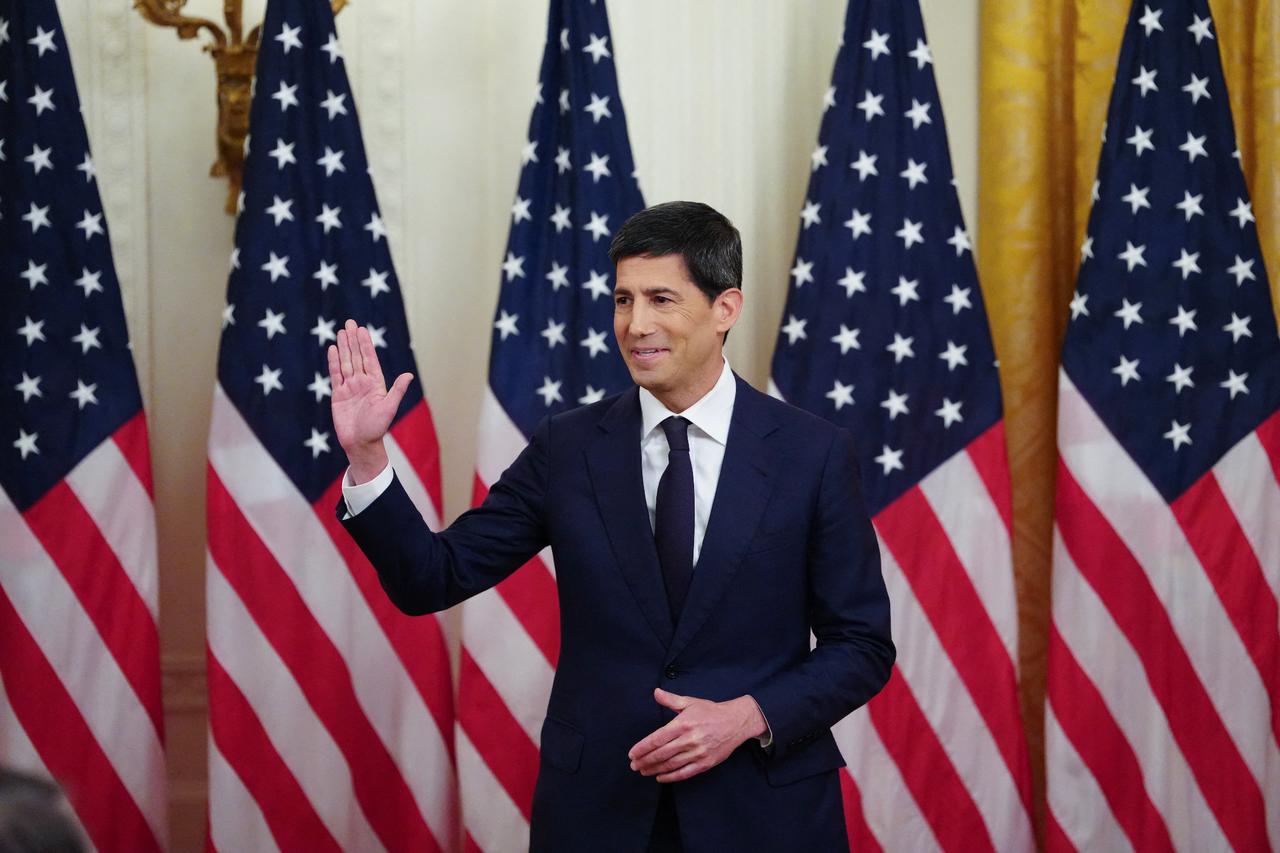


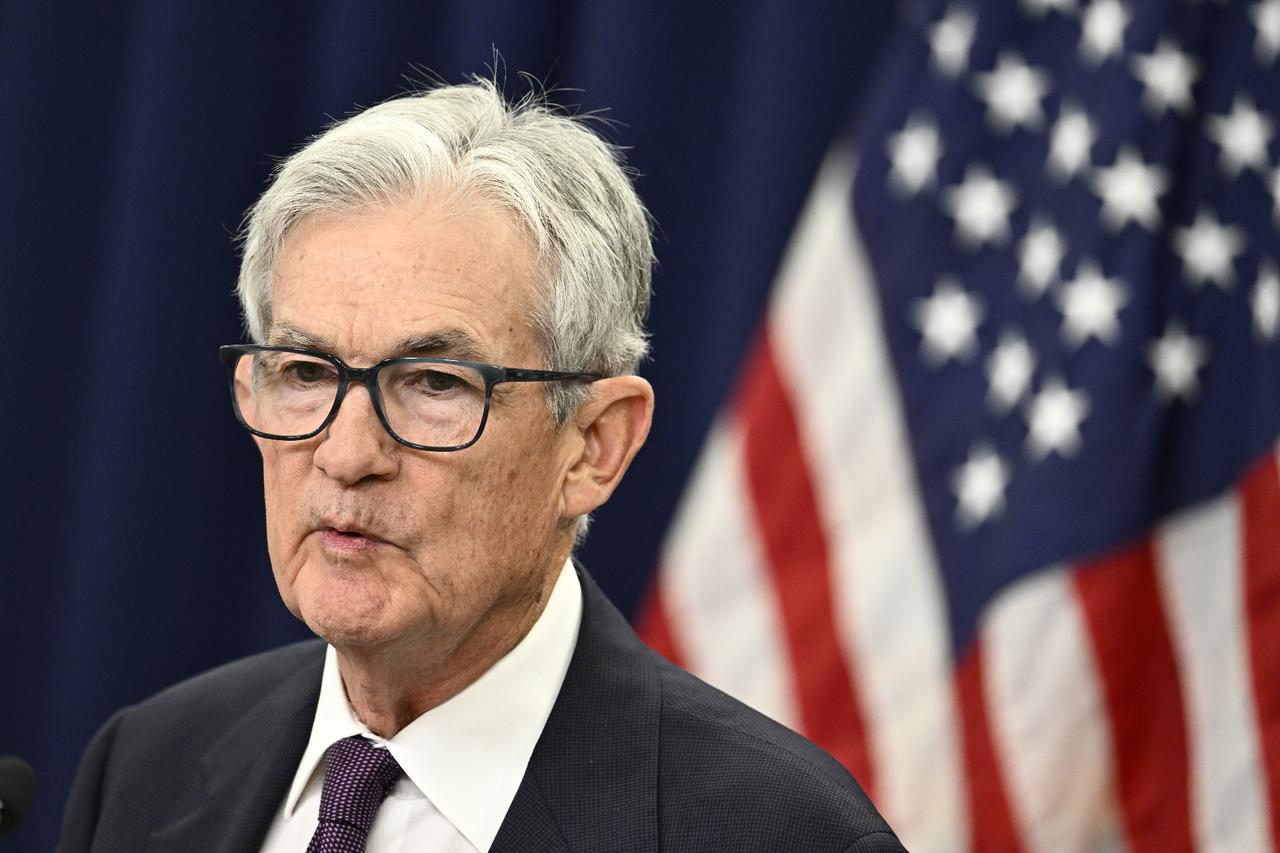
Kevin Warsh was sworn in Friday as the new chair of the U.S. Federal Reserve, taking over at a time when the Trump administration is closely watching the central bank’s handling of monetary policy.
The ceremony at the White House capped the end of a months-long clash between U.S. President Donald Trump and outgoing Fed Chair Jerome Powell, whose resistance to cutting interest rates repeatedly frustrated the administration.
Friday’s ceremony became the first White House swearing-in for a Federal Reserve chair since Alan Greenspan took office in 1987 under President Ronald Reagan.
After taking the oath of office, Warsh signaled that he would pursue reforms at the central bank while keeping inflation and employment at the center of policy decisions.
"I will lead a reform-oriented Federal Reserve," Warsh said, adding that the institution would learn from past successes and mistakes while moving away from "static frameworks and models."
The 56-year-old economist argued that lower inflation and stronger economic growth can coexist if policymakers approach the Fed’s dual mandate "with wisdom and clarity, independence and resolve."
"If we pursue these goals with wisdom and clarity, independence and resolve, inflation can be lower, growth stronger, real take-home pay higher, and America can be more prosperous," he stated.
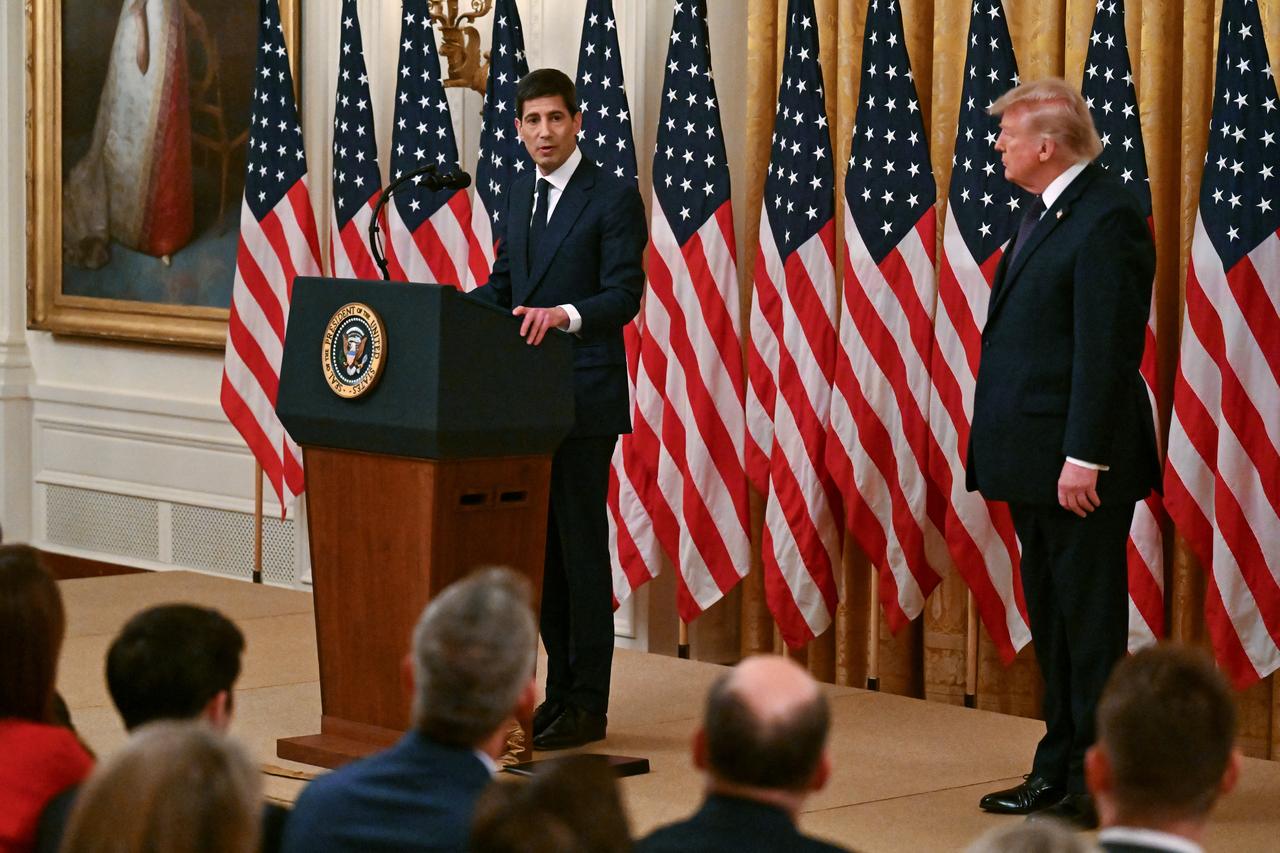
Trump also pointed to Warsh’s economic approach as a break from some previous Fed leadership, saying the administration wants to curb inflation without slowing growth. "We want to stop inflation, but we don’t want to stop greatness," Trump said.
The president added that Warsh would bring long-needed modernization to the Fed, including changes to data collection practices and less reliance on forward guidance.
At the same time, Trump insisted he wanted the new Fed chief to act independently. "I want Kevin to be totally independent," Trump remarked. "Don’t look at me, don’t look at anybody, just do your own thing and do a great job."
Warsh takes charge as the Fed navigates stubborn inflation and signs of weakness in the labor market.
U.S. consumer inflation reached 3.8% in April, marking a three-year high, while unemployment has remained relatively stable around 4.3% over the past year. Job growth, however, has swung between expansion and contraction in recent months.
At last month’s Fed meeting, a majority of policymakers indicated that further rate hikes may still be necessary if inflation remains above the central bank’s long-term 2% target.
Warsh has previously argued that productivity gains driven by artificial intelligence could help the U.S. economy expand rapidly without adding inflationary pressure.


 Set as preferred source
 Set as preferred source


 1 min read
 1 min read