Newsletters


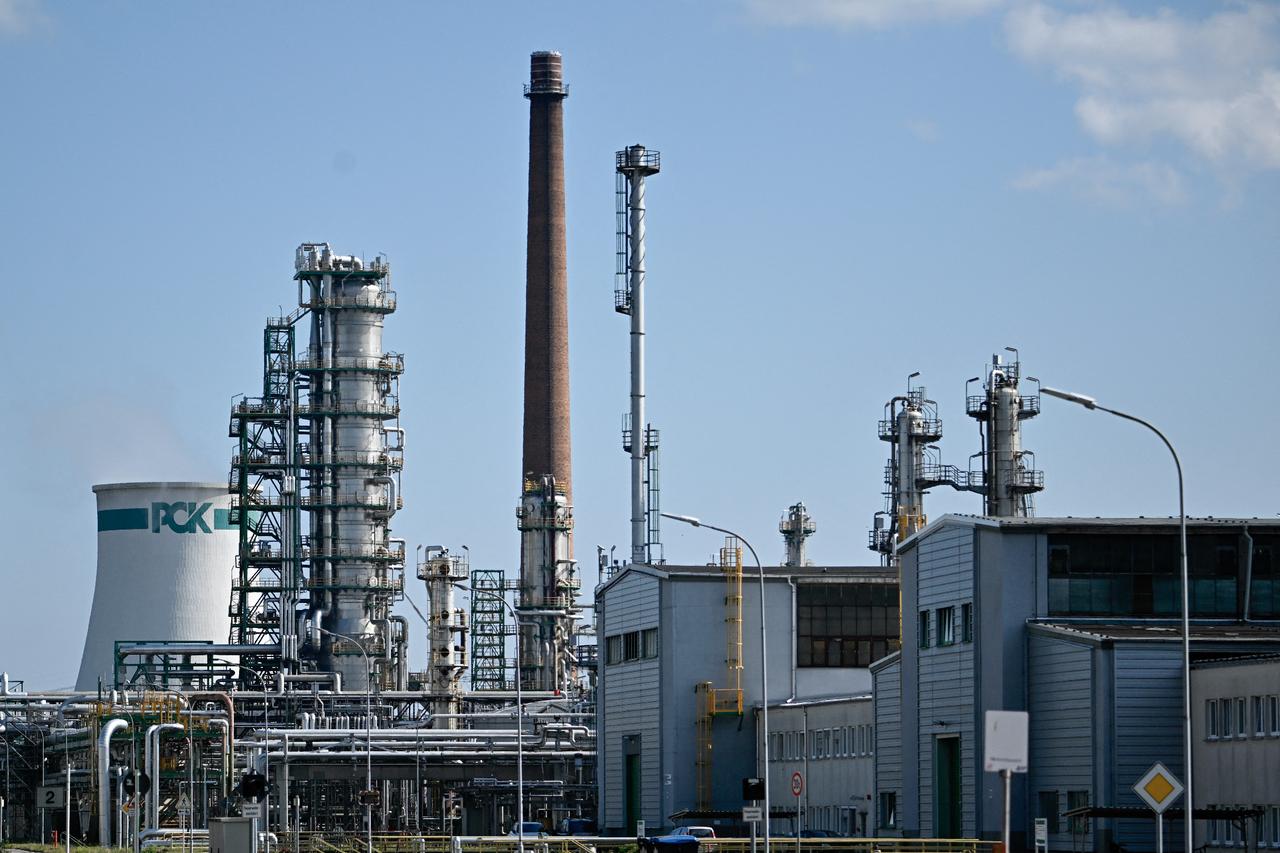


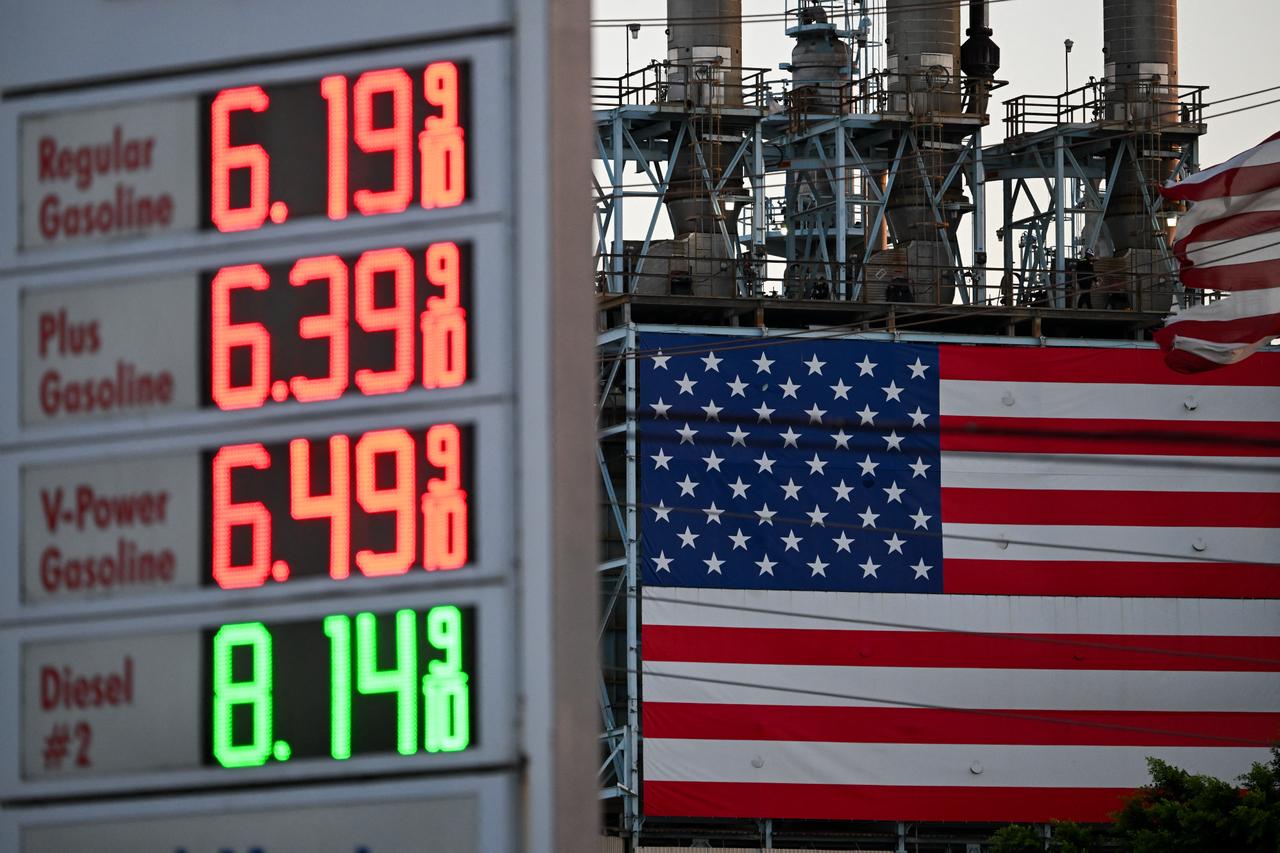
Oil prices surged more than 3% in early Monday trading after the United States carried out fresh strikes on Iran for the first time in weeks, while tensions remained high over navigation through the strategically important Strait of Hormuz.
Both Brent crude and US benchmark West Texas Intermediate rose more than 3% before paring their gains. As of 7.50 a.m., both benchmarks were up about 2%, with Brent at $90 and WTI at $85.3 per barrel.
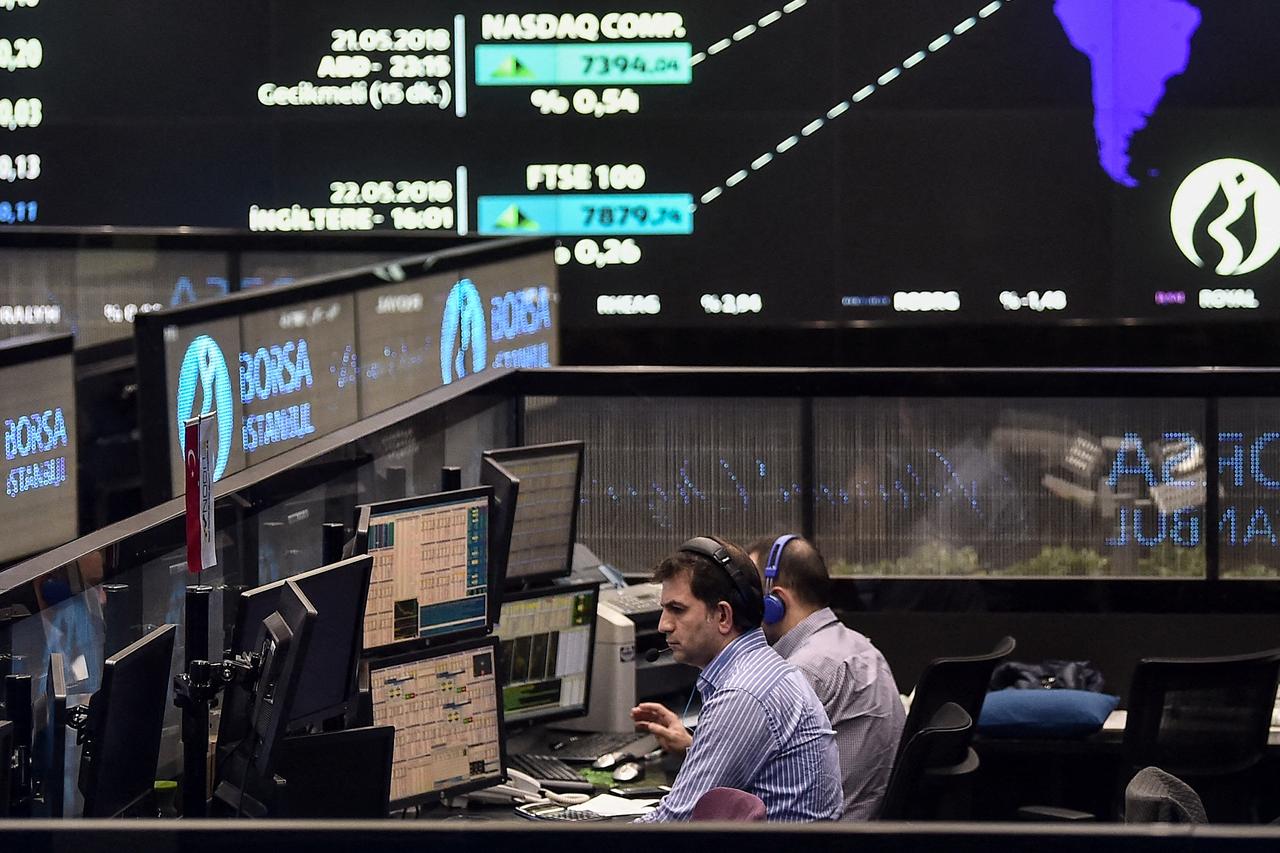
Asian stocks opened the week with mixed moves as investors weighed the renewed U.S-Iran confrontation. Japan's Nikkei 225 fell 0.1%, while South Korea's Kospi gained 0.5%. Hong Kong's Hang Seng dropped 0.3%, while the Shanghai Composite climbed 0.9%.
European markets also moved lower. The pan-European Euro Stoxx 50 traded 0.1% lower, Germany's DAX lost 0.4% at the opening bell and France's CAC 40 started the session flat. U.S. stock futures declined, with both the S&P 500 and Dow Jones futures down 0.2%.
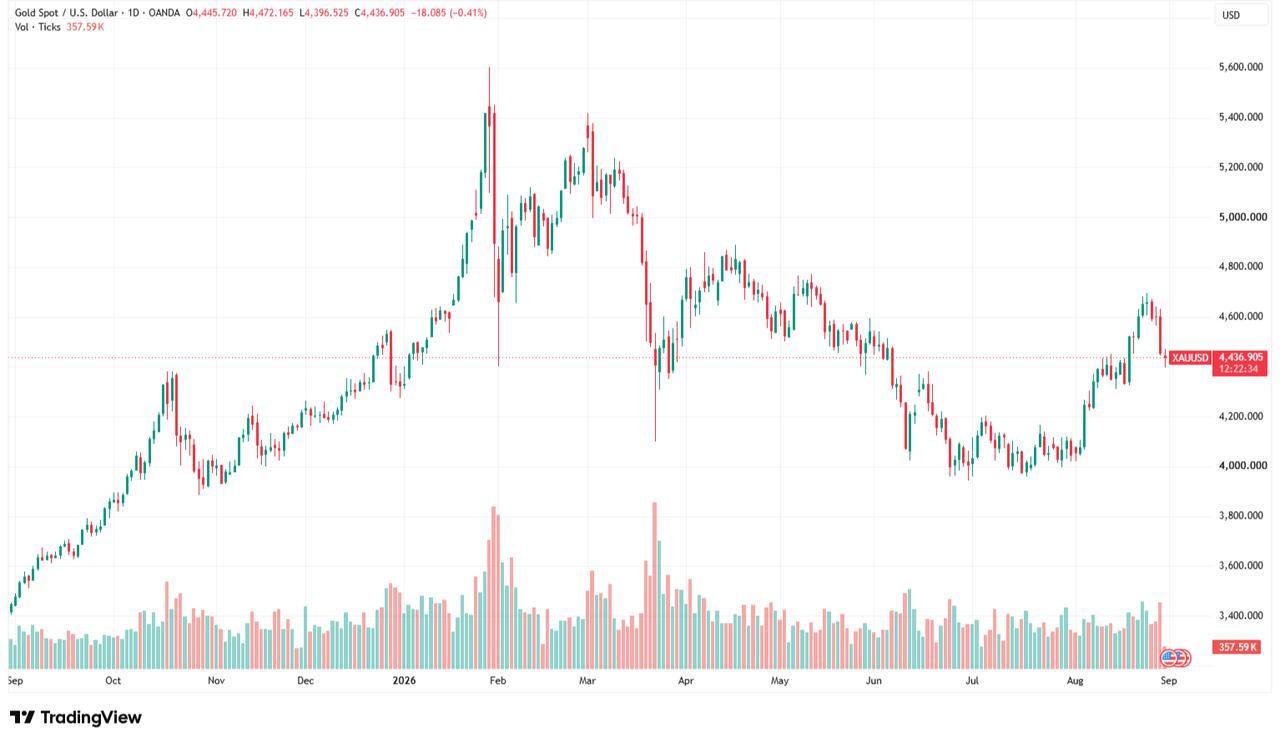
Gold extended its decline, slipping 0.4% to $4,436, while silver rose 1% to $67 per ounce. Palladium fell 1.3% to $1,400, and platinum declined 1.2% to $1,800 per ounce.
Cryptocurrencies saw limited movement. Bitcoin edged down 0.1% to $78,075, while ethereum fell 0.8% to $2,430. Total cryptocurrency market capitalization decreased 0.3% to $2.6 trillion.
Iran's Islamic Revolutionary Guard Corps reported that a U.S. strike on Larak Island killed and wounded fighters and civilians, while its Aerospace Force targeted Jordan's King Hussein and Azraq airbases with missiles and drones, with the force claiming "heavy" damage.
Iran's army also reported launching dozens of explosive drones at U.S. troops and helicopters at Al Minhad Air Base in the UAE.
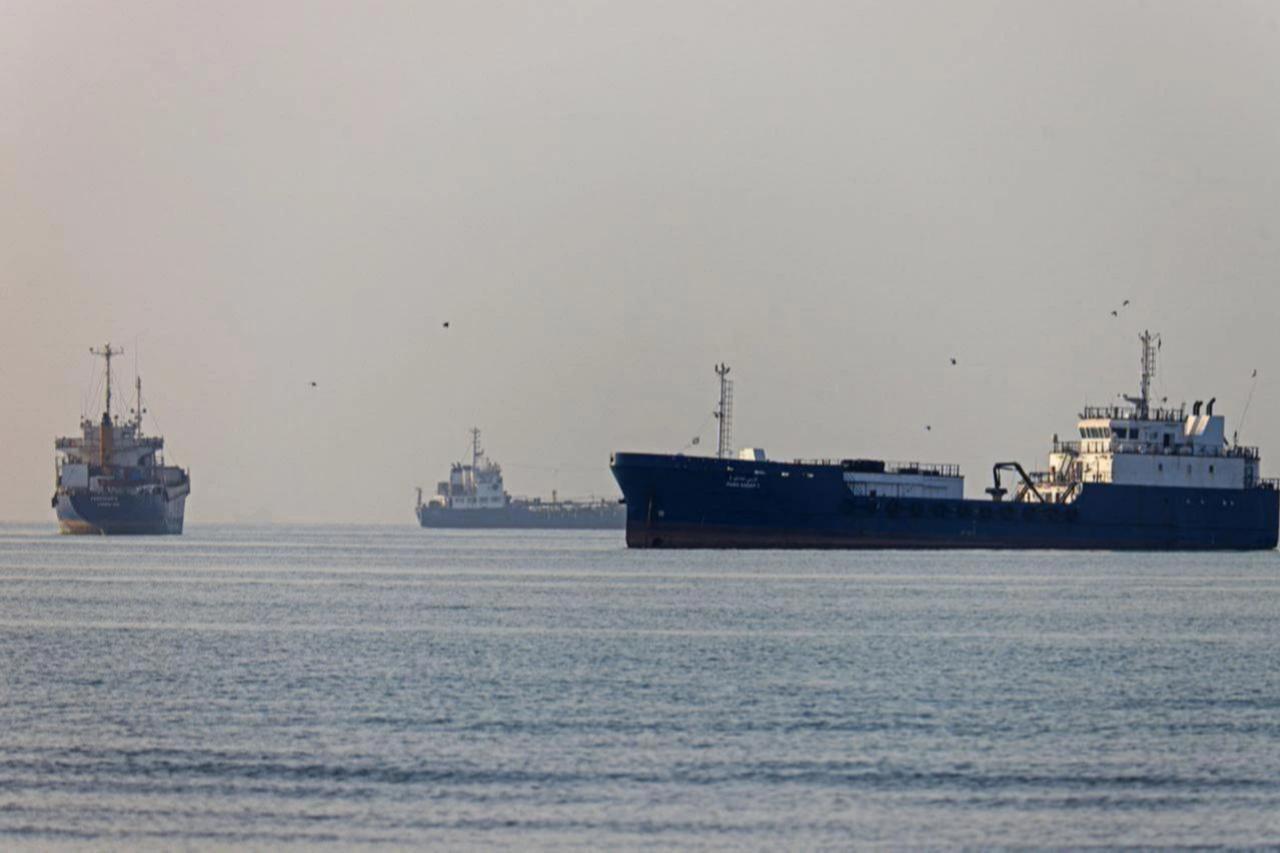
The IRGC Navy separately reported that a supertanker trying to cross the southern Strait of Hormuz on "an illegal route" struck two sea mines, caught fire and stopped completely, while warning other vessels that violate its security rules could face a similar fate.
Markets are also pricing in higher odds of a U.S. rate hike as inflation remains elevated and energy costs add to pressure on the Federal Reserve.
At Jackson Hole, Fed Chair Kevin Warsh warned that more work is needed if underlying inflation does not move toward the Fed's target quickly enough, while investors await U.S. jobs data this week and CPI next week.


 Set as preferred source
 Set as preferred source


 1 min read
 1 min read