Newsletters


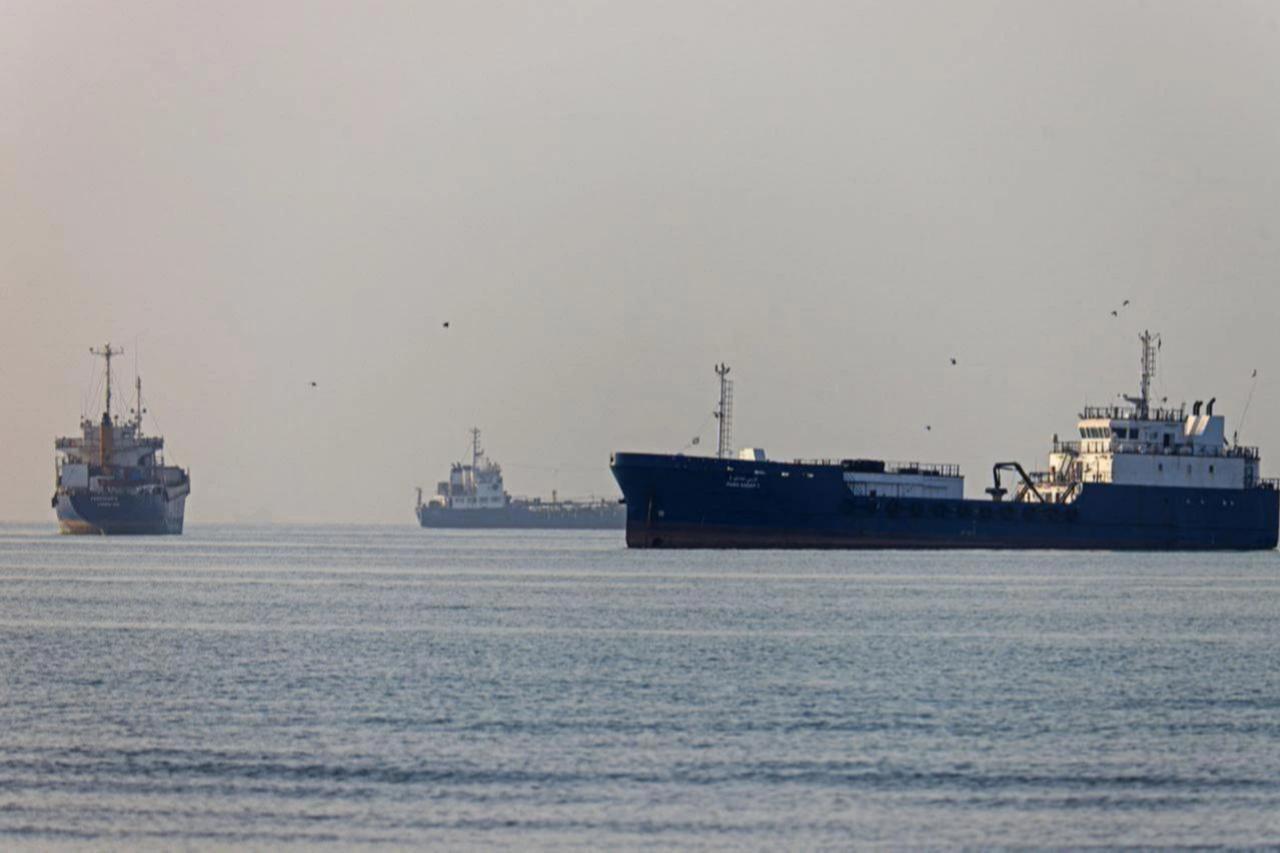


Iran transferred $7.5 billion in oil revenues to its central bank from sales between March 21 and July 22 despite a U.S. naval blockade that disrupted its oil exports and maritime trade, according to data from Iran’s Oil Ministry.
The funds were enough to cover the government’s foreign-currency spending through December, with revenues coming in at 99% of the amount budgeted for the period, Fars News Agency reported Saturday.
Iran also had enough oil available for sale outside the U.S. naval blockade to meet the revenue requirements set under its state budget for March 21, 2026-March 20, 2027.
The U.S. first began enforcing a naval blockade against maritime traffic entering and leaving Iranian ports on April 13, 2026.
U.S. Central Command said the restrictions applied to vessels of all nationalities entering or departing Iranian ports and coastal areas, while vessels transiting the Strait of Hormuz to and from non-Iranian ports were not to be impeded.
U.S. President Donald Trump has claimed the blockade was costing Iran about $500 million a day, arguing that the restrictions were putting heavy financial pressure on Tehran.
The first phase ended in June after Washington and Tehran reached a memorandum of understanding aimed at halting hostilities and opening a path toward further negotiations.
However, the blockade resumed on July 14 after the interim agreement unraveled amid renewed attacks involving commercial vessels and escalating disputes over the Strait of Hormuz. The U.S. military again restricted vessels traveling to or from Iranian ports and coastal areas.
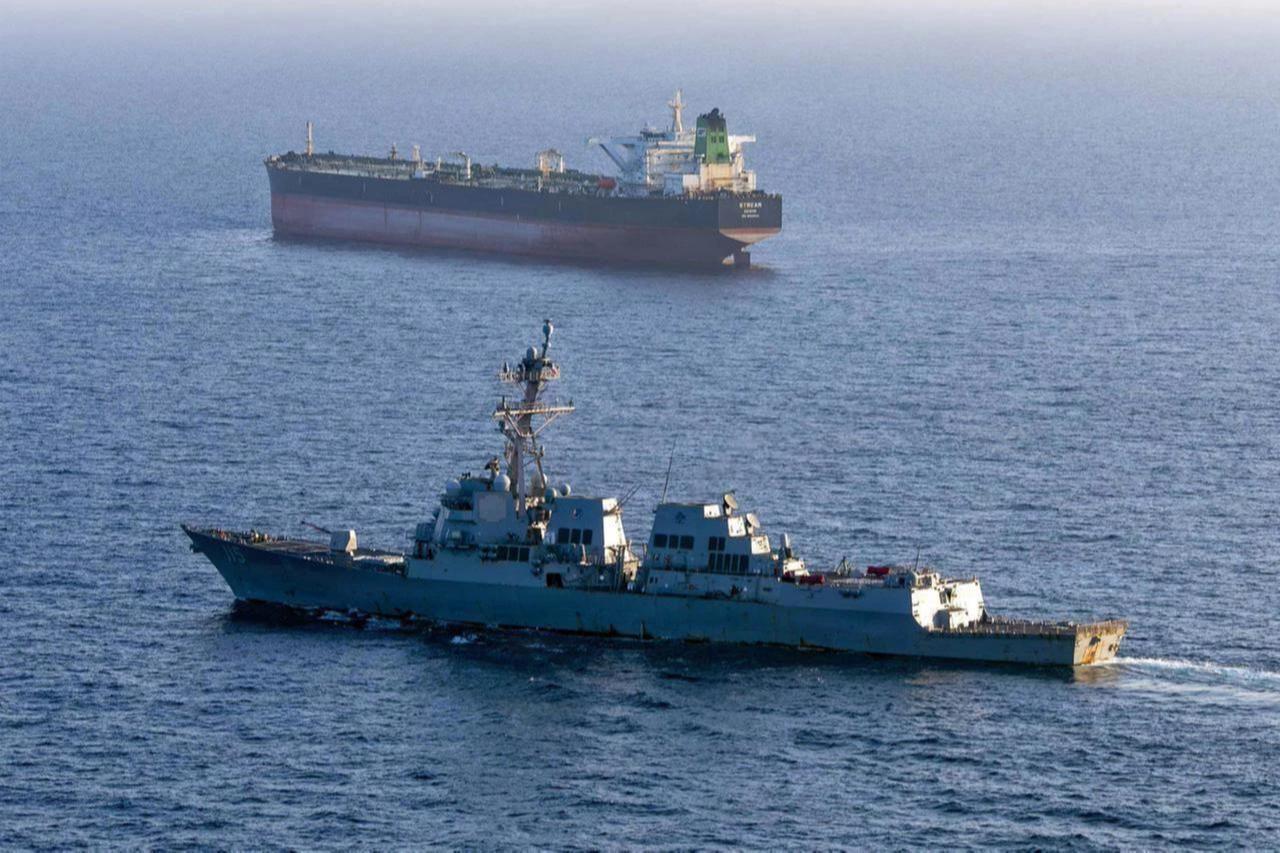

The White House said on Friday that Iran had exported no oil from its shores since the U.S. blockade resumed in July.
It also claimed that 75 vessels attempting to break the blockade had been turned around and that nearly 1,500 commercial vessels had moved through the Gulf under U.S. protection.
Iran's President Masoud Pezeshkian has also acknowledged the broader economic damage, saying Iran’s foreign trade has shrunk 35% because of U.S. sanctions and the naval blockade.
Pezeshkian also noted that Iran had managed to sell about 90 million barrels of oil during the short-lived June memorandum, when Washington temporarily allowed Iranian oil sales.
Alongside the blockade, the U.S. has stepped up its economic campaign against Iran, targeting financial networks, oil revenues and companies accused of helping Tehran bypass U.S. sanctions.
On Aug. 24, the White House launched what it called "Operation Economic Outcast," describing it as a campaign to cut off the Iranian government’s remaining economic lifelines.
Washington has also warned companies and countries doing business with Iran that they could face secondary sanctions, extending the pressure beyond Iranian entities and making it more difficult for foreign businesses and financial institutions to maintain ties with Tehran.


 Set as preferred source
 Set as preferred source


 2 min read
 1 min read