Newsletters


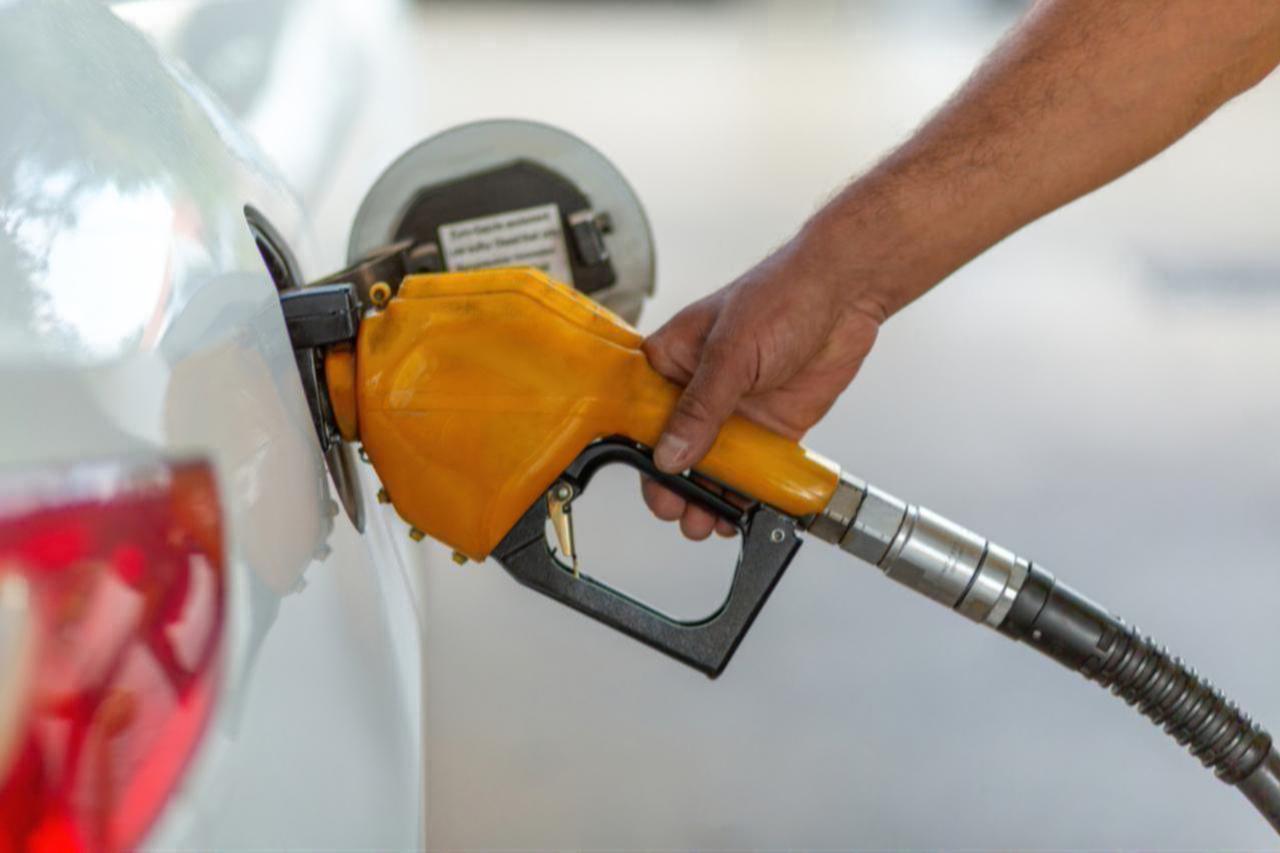


Fuel prices in Türkiye are expected to decline starting Friday, with only a limited reduction reflected in gasoline pump prices, while diesel prices are also expected to fall on Saturday, according to reports.
The adjustment comes as global oil prices eased from four-year highs last week to below $100 per barrel, amid signs that the U.S. and Iran could be moving closer to ending the conflict.
According to information obtained from industry representatives, gasoline prices are due for a ₺2.74 ($0.061) per-liter discount. However, only ₺0.69 of the cut will likely reach pump prices, as 75% of the reduction will offset the Special Consumption Tax (SCT) under the sliding scale tax system.
After the adjustment, gasoline prices on Istanbul’s European side will likely decline to ₺63.78 per liter.
No diesel price change is planned for Friday, but prices are projected to fall on Saturday. Unless global fuel markets reverse course, around ₺1.33 of the projected ₺5.30 per-liter discount is likely to reach consumers under the sliding scale tax mechanism.
Following the adjustment, diesel prices on Istanbul’s European side are projected to decline to ₺70.44 per liter.
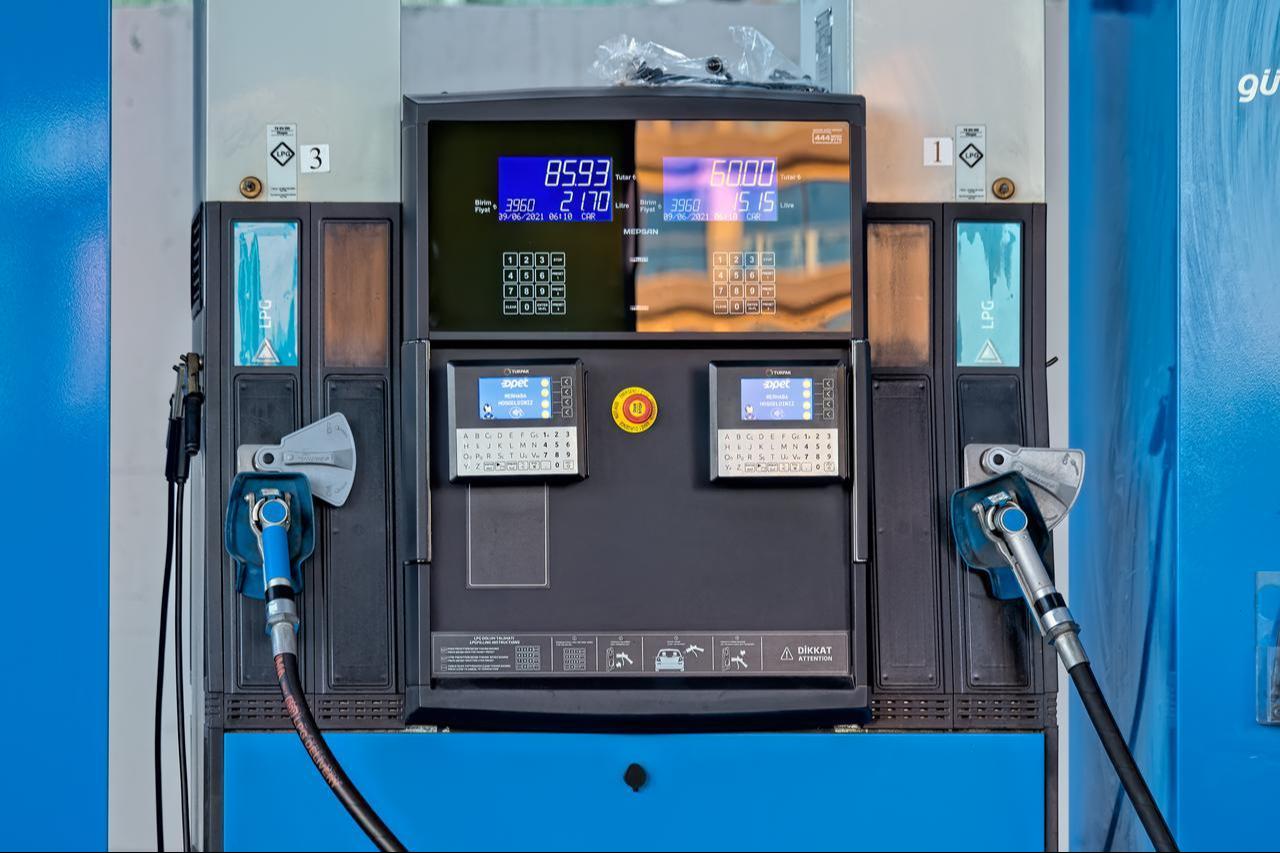

Fuel prices in Türkiye are determined by international crude oil and CIF Mediterranean refinery prices, the USD/TRY exchange rate, distribution and dealer costs, and domestic taxes, including the SCT and value-added tax (VAT).
The government reintroduced the fuel tax buffer, known as the sliding scale tax mechanism, in early March to limit the impact of sharp fuel price fluctuations on consumers.
Under the mechanism, the government cuts SCT on fuel by up to 75% when global oil or refinery prices rise, meaning only 25% of the increase reaches consumers. When prices fall, the system works in reverse, with up to 75% of the decline absorbed through higher taxes instead of fully reducing pump prices.
The cost of the system to the government budget is estimated at around ₺600 billion if it remains in place for the rest of the year, as Finance Minister Mehmet Simsek indicated that the two-month cost reached around $2 billion.
Since the start of the conflict, gasoline prices have risen by roughly 12.5%, while diesel prices have increased by nearly 19% despite the tax buffer system, adding to inflationary pressures in Türkiye.


 Set as preferred source
 Set as preferred source


 1 min read
 1 min read