Newsletters


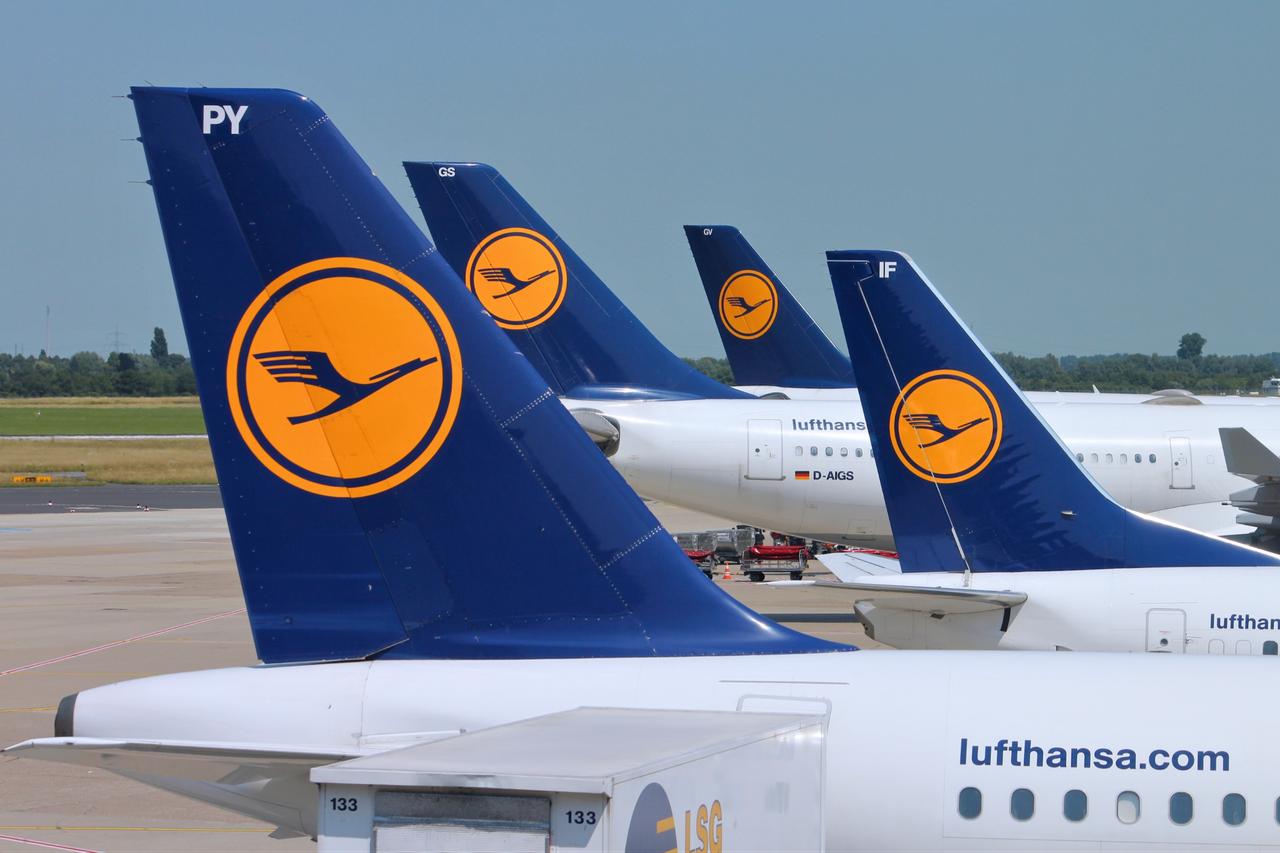


German airline Lufthansa has decided to cut around 20,000 short-haul flights from its summer schedule through October, scaling back operations as jet fuel prices spike following the Iran conflict.
The move targets mainly loss-making routes from Frankfurt and Munich, while the airline shifts capacity toward more efficient services across its European hubs.
The cuts are expected to reduce total capacity by less than 1% but save over 40,000 metric tons of jet fuel.
The airline explained the changes as part of a broader network optimization, aiming to protect long-haul connectivity while trimming inefficient short-haul operations.
Jet fuel prices have doubled since the outbreak of the Iran conflict to above $200 per barrel, pushing airlines worldwide to rethink schedules and pricing.
Lufthansa confirmed that removing the flights would directly translate into significant fuel savings, helping offset rising operating costs.
Despite the pressure, the group said its fuel supply remains secured in the near term, supported by procurement strategies and hedging measures designed to cushion price volatility.
The airline has already rolled out an initial round of adjustments, canceling about 120 flights per day through May 31, with several destinations temporarily removed from the schedule.
At the same time, Lufthansa is consolidating 10 routes through alternative hubs such as Zurich, Vienna and Brussels. Cities including Cork, Ljubljana and Stuttgart are among those seeing connections rerouted rather than fully cut.
Lufthansa also plans to release an updated schedule for the rest of the summer in late April or early May.
The update is set to include further tweaks to its short-haul network, with a focus on stabilizing operations while maintaining efficiency during the peak travel period.
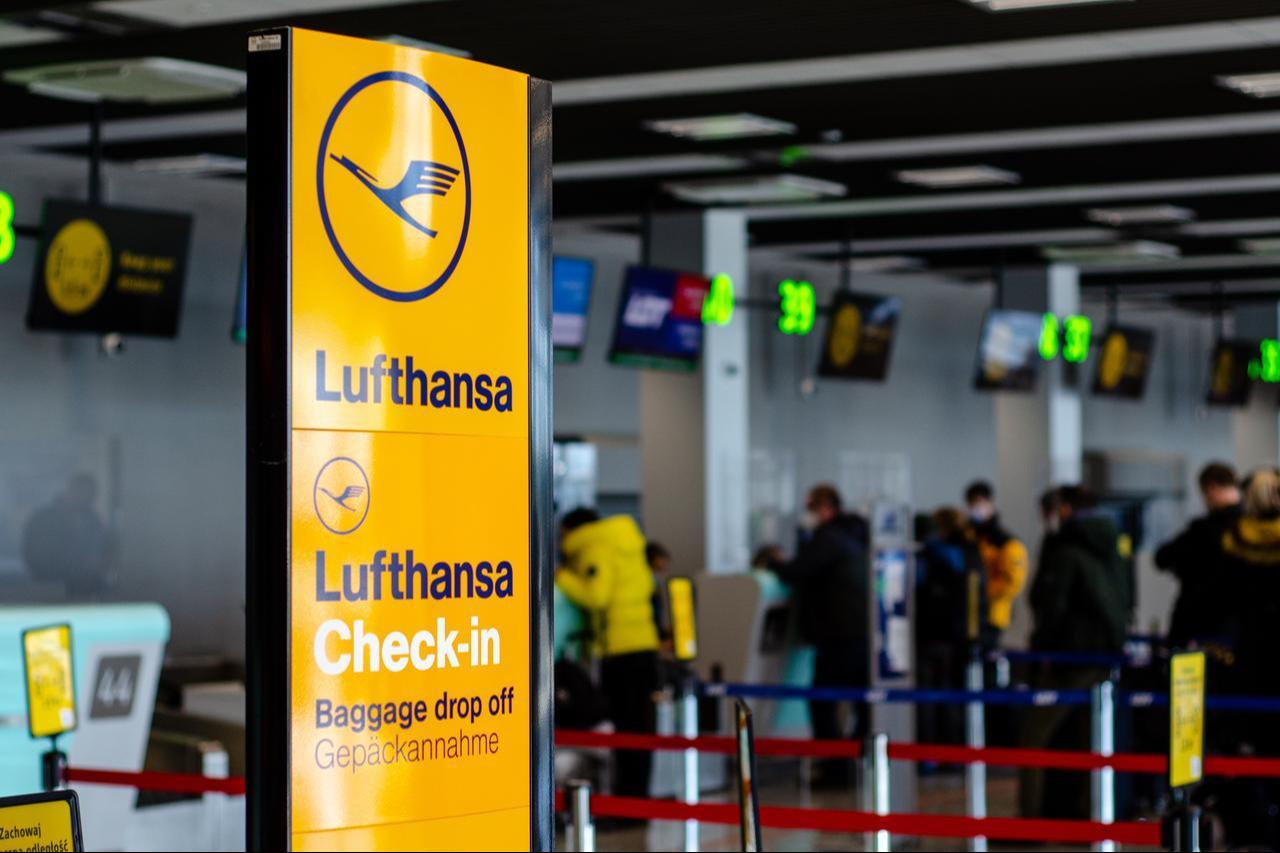

The cuts come as European officials weigh emergency measures to prevent fuel shortages. The International Energy Agency (IEA) chief, Fatih Birol, warned last week that Europe may have less than six weeks of jet fuel reserves, prompting discussions on alternative supplies and regulatory flexibility.
EU officials are considering steps such as sourcing non-standard fuel types and easing slot usage rules at airports to help airlines adapt.
Additional plans to monitor and redistribute fuel stocks across member states are expected to be announced shortly.
Across the industry, airlines are responding in similar ways. Carriers in the U.S., Europe, and Asia have begun trimming unprofitable routes, adding fuel surcharges, or raising ticket prices to absorb the cost shock triggered by disruptions around the Strait of Hormuz.
The waterway, which has remained restricted to shipping traffic since the start of the conflict on Feb. 28, normally carries 24% of the global jet fuel supply, and disrupted flows have crippled the sector with rising costs and the prospect of shortages.


 Set as preferred source
 Set as preferred source


 1 min read
 1 min read