Newsletters


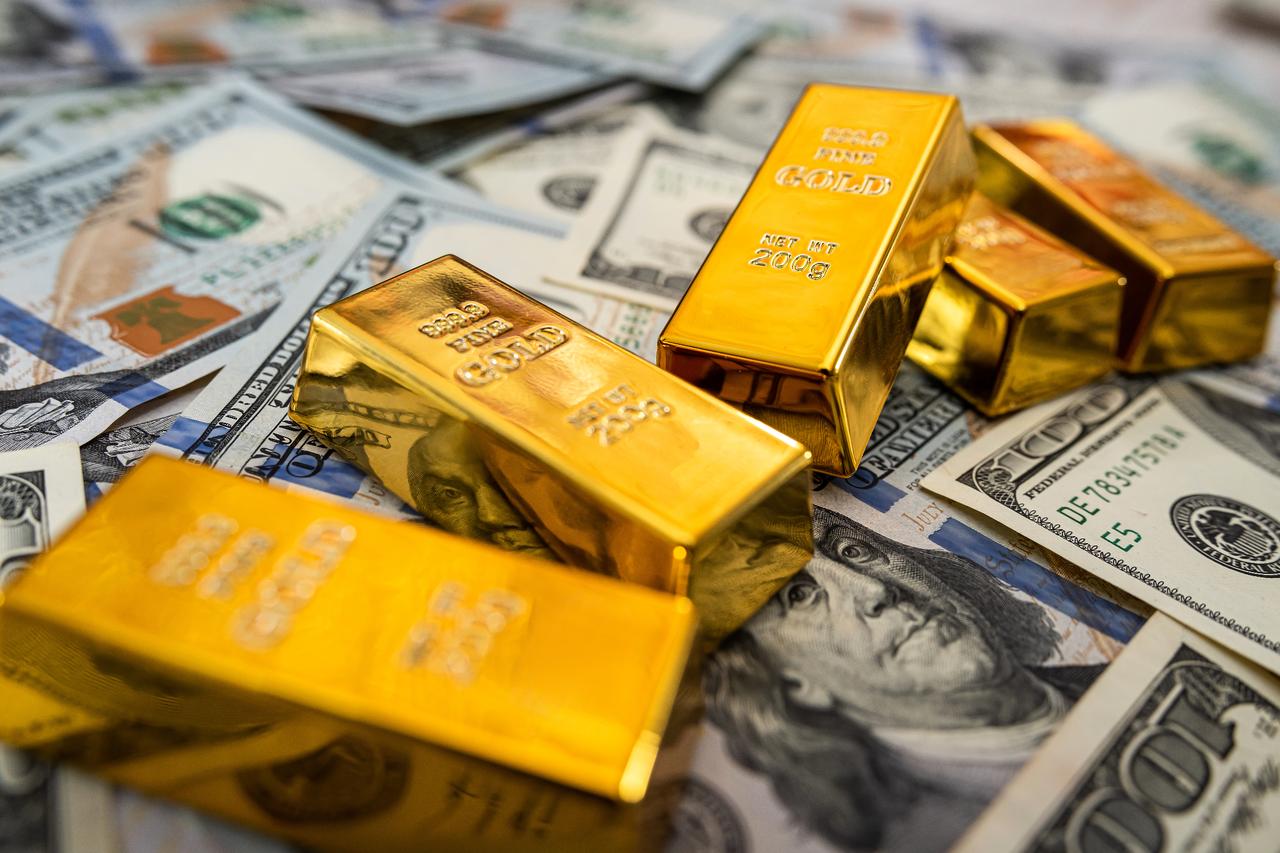


Gold prices fell sharply by over 2% on Tuesday as rising government bond yields increased the opportunity cost of holding non-yielding assets, weighing on precious metals and equities as yield-bearing assets became relatively more attractive.
Spot gold declined to around $4,328 per ounce as of 1.18 p.m. GMT, its lowest level since Aug. 19, extending losses after dropping below $4,400 earlier in the session. Silver fell nearly 3% to $64.4 per ounce, while platinum lost over 2% to around $1,750 and palladium dropped over 3% to $1,310 per ounce.
The selloff in precious metals came as U.S. Treasury yields climbed to their highest levels in decades, with the 30-year bond hitting 5.258%, the highest since 2007, amid mounting concerns that rising energy prices and tensions in the Middle East could fuel inflation.
The yield on the U.K.’s benchmark 10-year government bond climbed as high as 5.254%, its highest level since the 2008 global financial crisis.
Germany’s 10-year bond yield rose to 3.364%, reaching its highest level since 2011, while the yield on comparable French debt increased to around 4.222%, its highest since 2008.
In Japan, the benchmark 10-year government bond yield climbed above 3% for the first time since 1996, reaching its highest level in three decades.
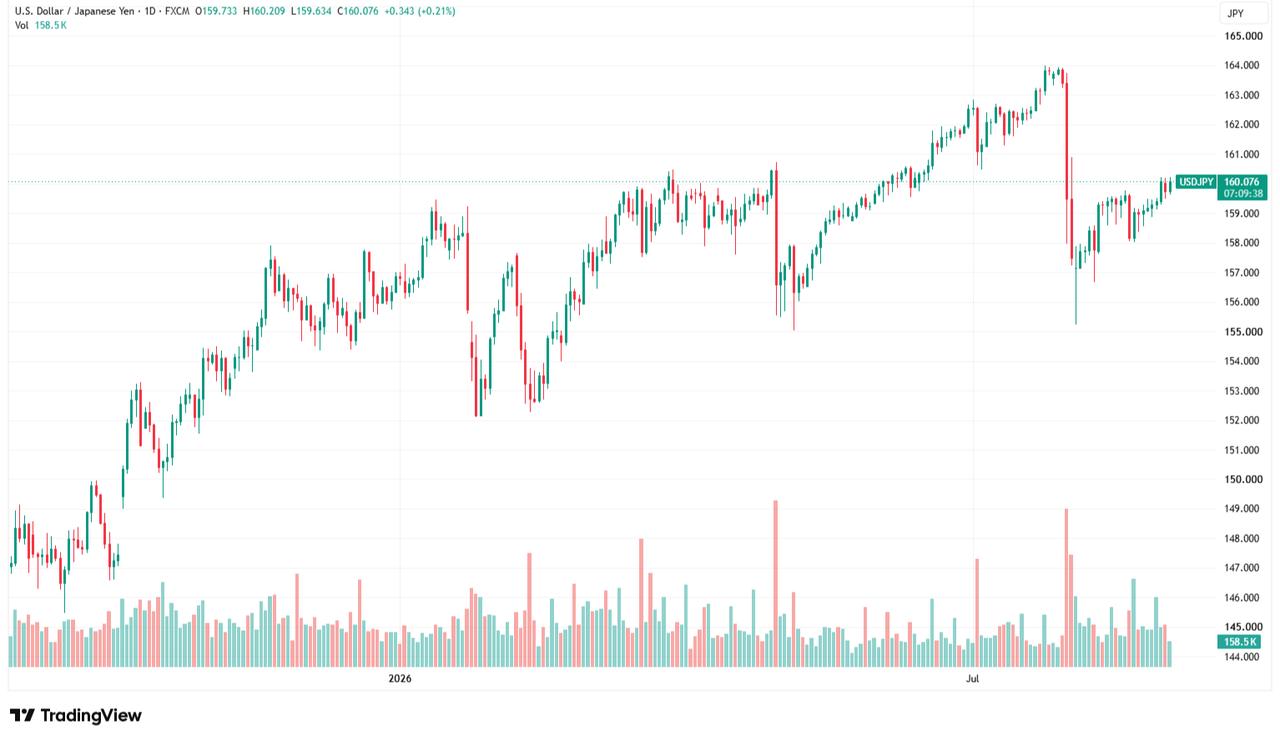
The yen weakened beyond 160 against the U.S. dollar for a third consecutive trading session, reviving speculation that Japanese authorities could intervene in the foreign exchange market.
The currency was trading at around 160.1 yen per dollar after surrendering much of the gains recorded following a rare coordinated U.S.-Japanese intervention in late July.

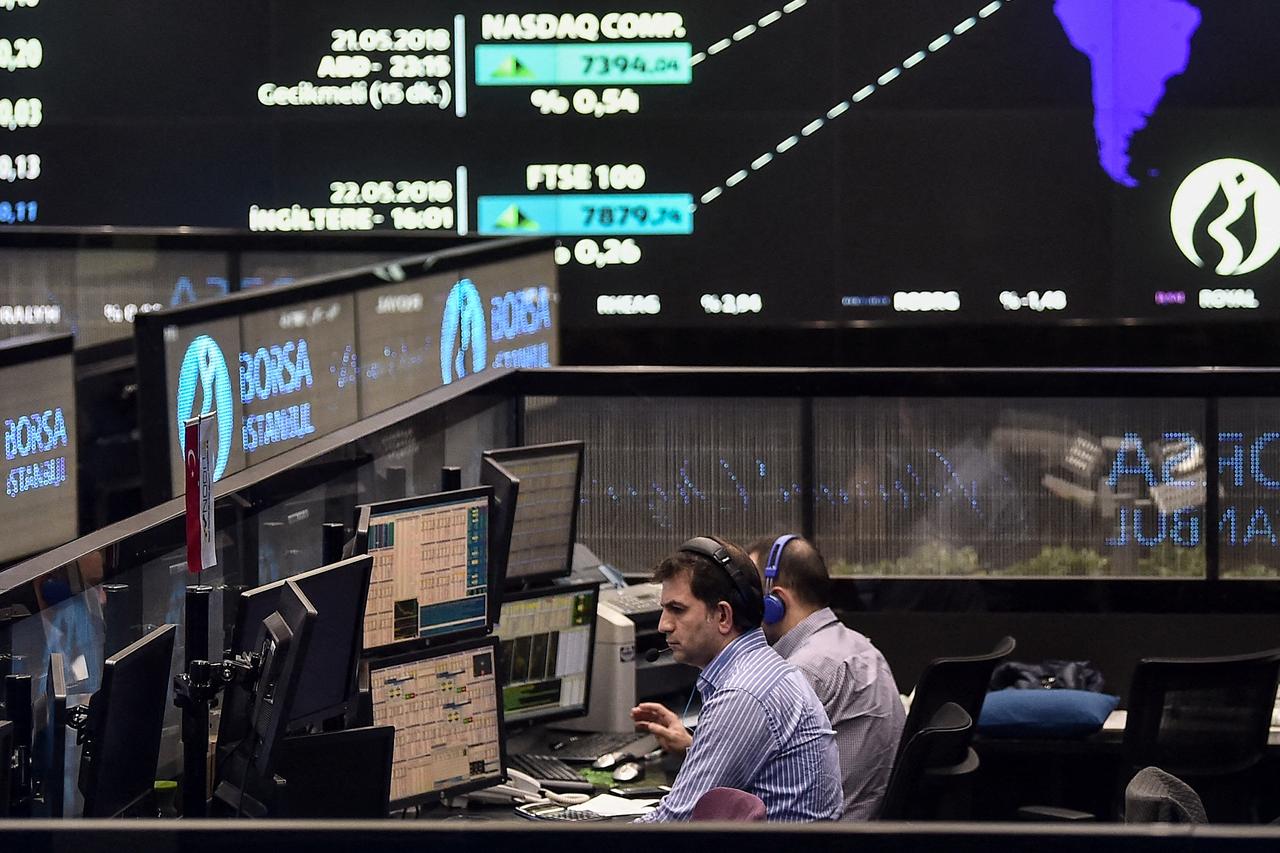
Elsewhere in the markets, Asian stocks were mostly subdued in early Tuesday trading, with Japan’s Nikkei 225 falling 0.2% and South Korea’s Kospi gaining 0.2%. Hong Kong’s Hang Seng declined 0.9%, while China’s Shanghai Composite fell 0.2%.
European stocks turned lower, with the pan-European Stoxx 600 down 0.4%, Germany’s DAX falling 1% and France’s CAC 40 declining 0.2%. Following the opening bell, all major U.S. indexes also moved lower, with the tech-heavy Nasdaq dropping nearly 1.4%.
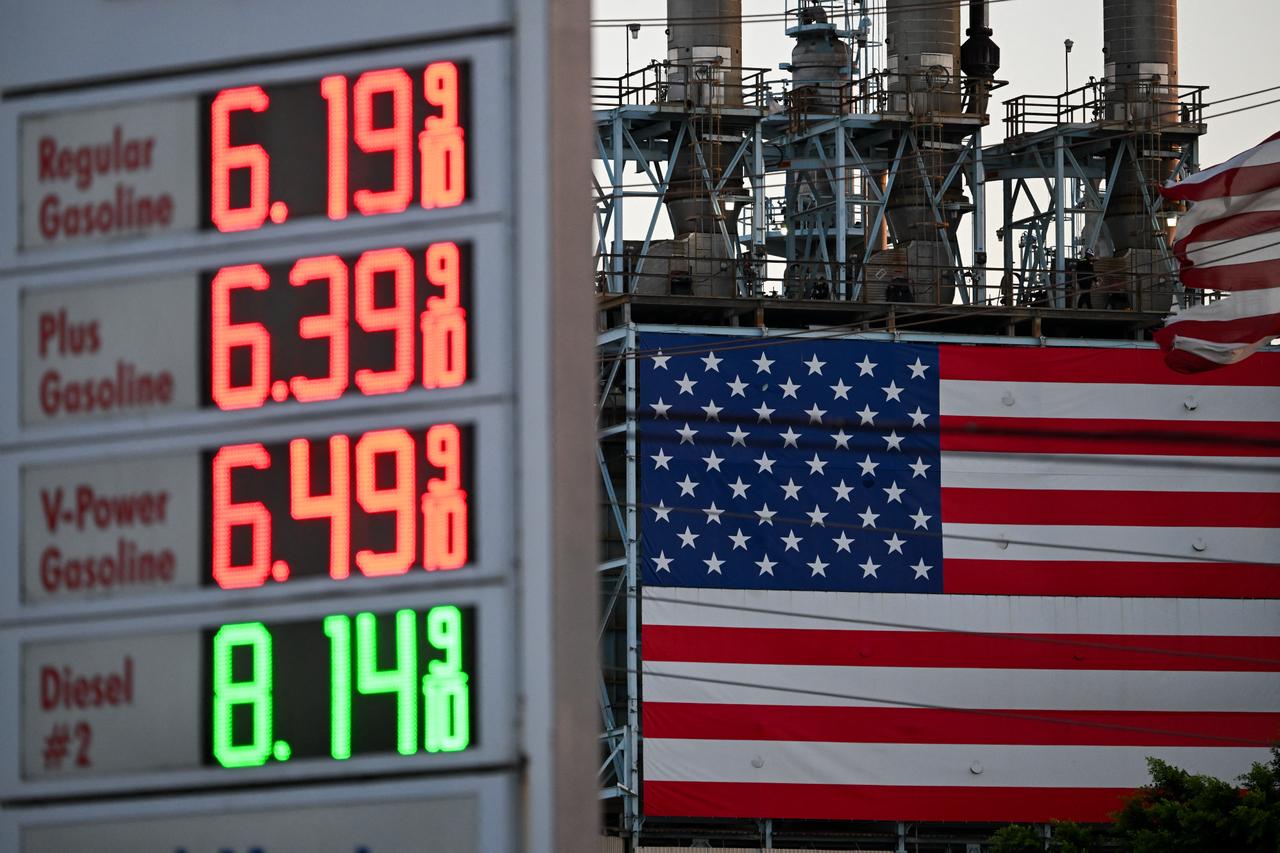
Oil prices extended their gains, with the international benchmark rising more than 2% to $92.5 per barrel.
The market moves came as investors weighed rising government borrowing costs and renewed concerns that higher energy prices could keep inflation elevated. A broad bond selloff pushed benchmark yields higher across major economies, strengthening expectations that central banks may need to keep monetary policy tighter for longer.
Higher oil prices added to those inflation concerns as Brent crude moved above $92 per barrel amid fears that escalating tensions involving Iran could disrupt supplies through the Strait of Hormuz. Euro area inflation also accelerated to 3.3% in August, well above the European Central Bank’s 2% target, further reinforcing expectations of additional interest-rate tightening.
In the U.S., markets are also pricing in a roughly 65% probability that the Federal Reserve will raise interest rates in September, while investors await fresh labor-market data for clues on the strength of the economy and the Fed’s policy path.


 Set as preferred source
 Set as preferred source


 1 min read

 1 min read