Newsletters


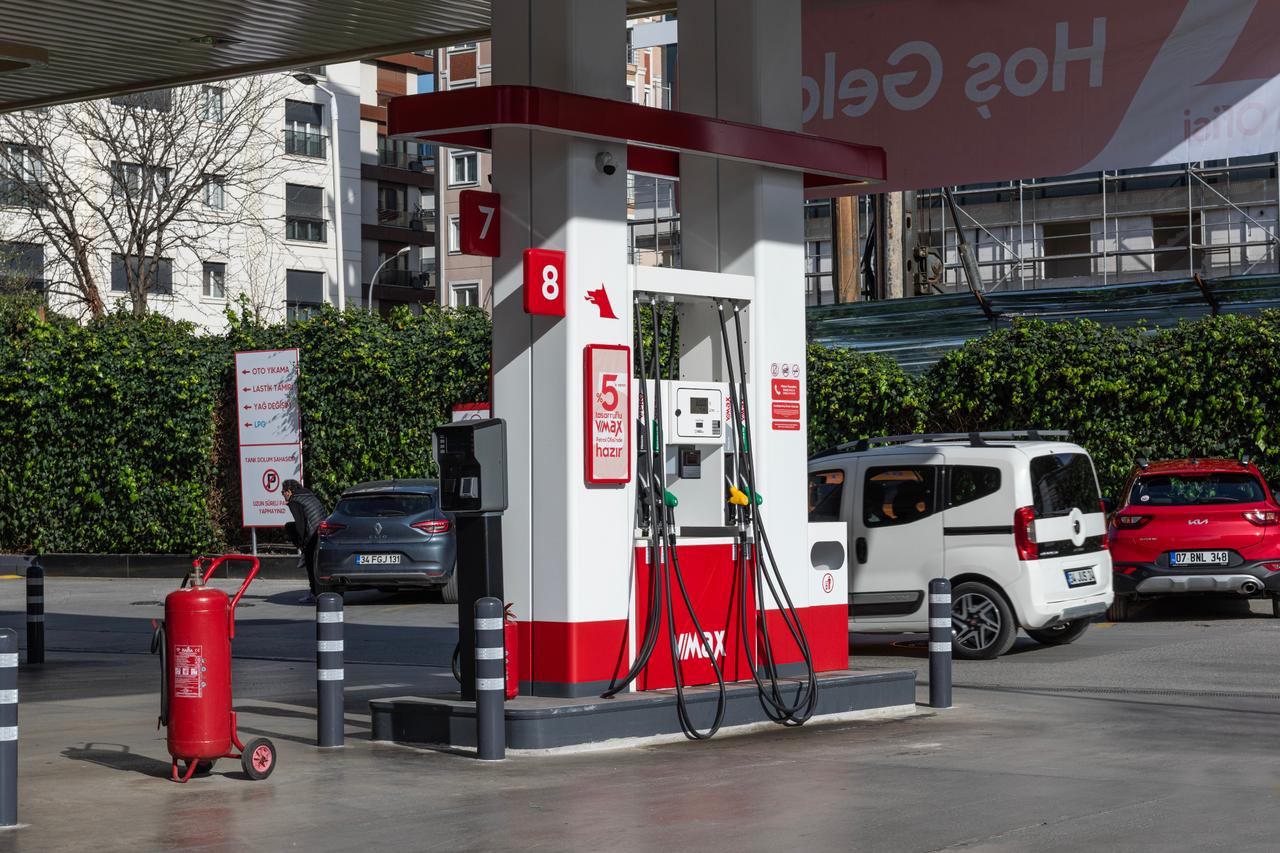


Surging oil prices driven by the Iran conflict have reportedly triggered a fresh policy review in Ankara, with officials considering reinstating the fuel price smoothing mechanism to ease inflationary pressures, the report said.
The mechanism lowers the special consumption tax on fuel to offset increases in refinery prices when global oil rises, allowing the government to absorb part of the cost surge instead of passing it fully on to consumers at the pump.
First introduced in 2018, suspended shortly after and reinstated in 2019, the escalator system was officially terminated in 2022.
People familiar with the discussions told Bloomberg that the Treasury and Finance Ministry is calculating the potential revenue loss if the so-called escalator system is reinstated. A decision is expected later this week, the report said.
Fuel prices in Türkiye are formed by adding the refinery price to the special consumption tax (SCT), value-added tax and distribution margins. Because the system adjusts automatically, higher crude prices feed directly into pump prices.
In 2025, the government collected ₺522.2 billion ($13.2 billion) in special consumption tax revenues from oil and natural gas products, accounting for 26.11% of its total SCT intake of ₺2 trillion ($50.6 billion).
In 2021, however, with the escalator system in place to cushion surging fuel prices as inflation topped 30% and a currency shock hit the Turkish economy, revenues from the same category fell to ₺31.29 billion, down 54.7% from ₺69 billion a year earlier.

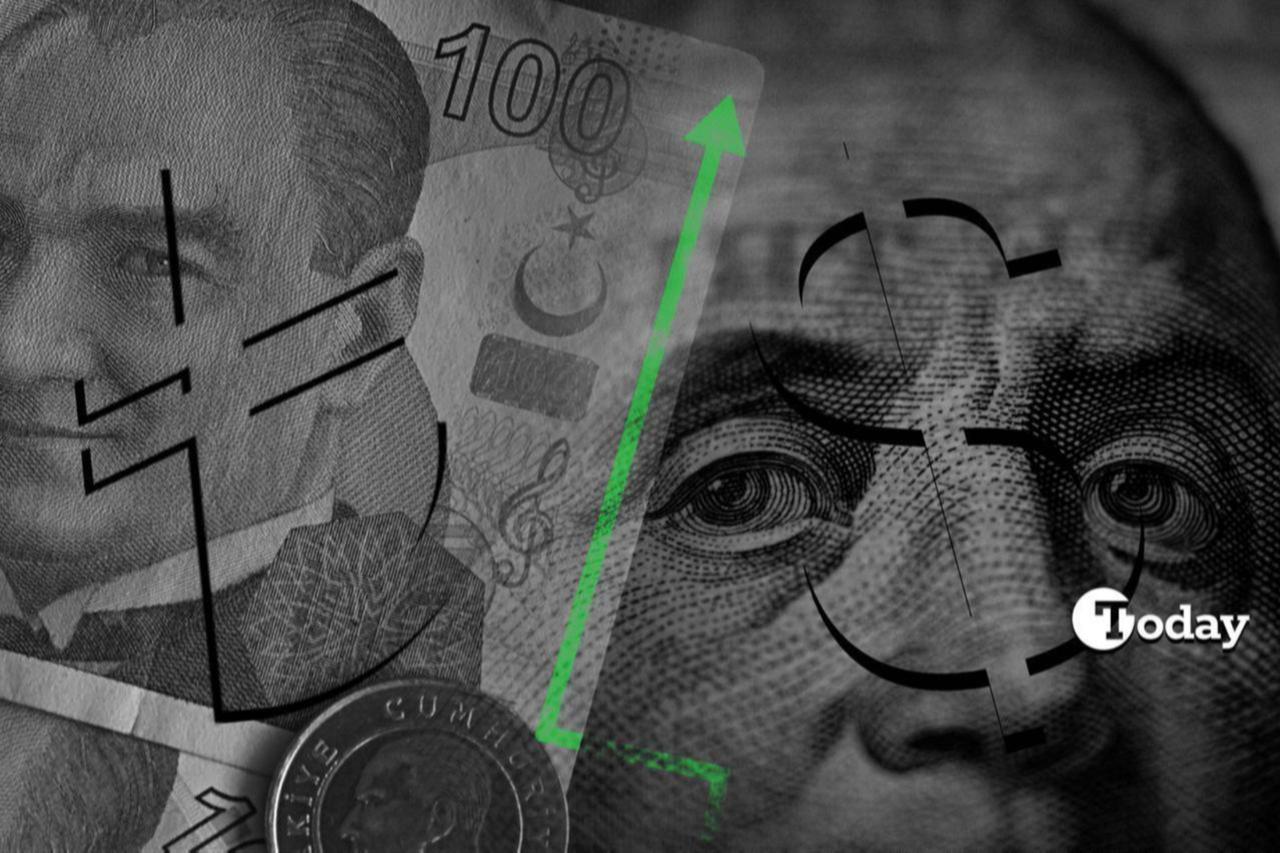
Türkiye’s inflation rose to 31.5% in February as food prices continued to drive pressures, with monthly inflation coming in at 3%.
Ahead of the Central Bank of the Republic of Türkiye’s (CBRT) Monetary Policy Meeting on March 12, markets widely expect the bank to pause its easing cycle and keep the policy rate at 37%. At the same time, rising oil prices have added fresh uncertainty, with Brent crude topping $80 per barrel.
As an energy-dependent country, Türkiye remains sensitive to moves in global oil markets. According to a CBRT analysis, every $10 increase in Brent crude prices is estimated to lift inflation by 1.2 to 1.6 percentage points.
In Türkiye’s Consumer Price Index (CPI) calculation, fuel prices account for roughly 3.2% of the overall basket and have already risen about 14% since the start of the year.
Addressing the latest developments, Treasury and Finance Minister Mehmet Simsek said on Tuesday that the government is evaluating steps to limit the potential inflationary impact of higher energy prices.
"We are working to limit the inflationary impact of rising oil prices driven by geopolitical developments," Simsek said in a social media post. "We are using all our policy tools in coordination to ensure the continuation of the disinflation process."


 Set as preferred source
 Set as preferred source


 1 min read
 1 min read