Newsletters


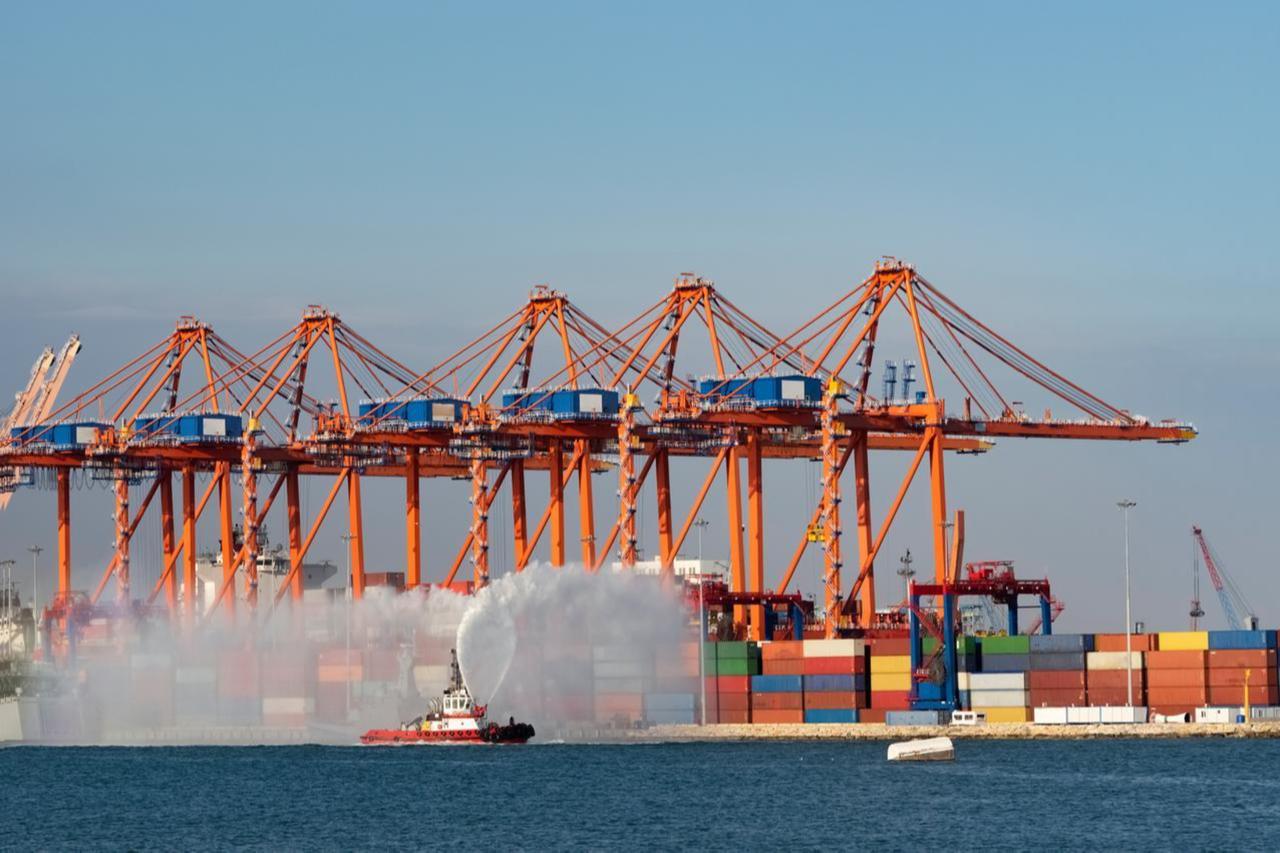


Mersin Port handled nearly 500,000 20-foot equivalent units (TEUs) in the first quarter of 2026, marking an 11% increase from a year earlier as the Hormuz crisis pushed regional trade flows toward Türkiye’s southern coast, according to sector data.
The shifting landscape in global logistics has turned Mersin into one of the Eastern Mediterranean’s key trade hubs, with the port increasingly standing out as a "safe harbor" for cargo moving through the region, Mersin Chamber of Shipping Secretary-General Fuat Gedik indicated.
Türkiye’s overall cargo handling volume shrank by 0.7% during the same period, while Mersin posted 1.3% growth, Gedik noted.
Container traffic climbed from around 450,000 TEUs in the first quarter of 2025 to nearly 500,000 TEUs this year, far above the nationwide container growth rate of 0.5%.
According to chamber data, Mersin accounts for roughly 7.5% of Türkiye’s total cargo handling volume and over 14% of the country’s container traffic.
Imports of legumes and cereals recorded the strongest gains in early 2026, while exports of chemicals, industrial raw materials and mining products also moved higher.
Textile exports, however, lost momentum as manufacturing gradually shifted toward countries such as Egypt and demand in European markets weakened, Gedik explained.
The ongoing crisis in the Strait of Hormuz, after Iran moved to restrict passage through the waterway during the war, has strengthened Mersin’s role in Middle Eastern trade, particularly in food and industrial shipments, Gedik said.
He added that the region’s strong grain and pulse processing capacity helped support the rise in cargo volumes.
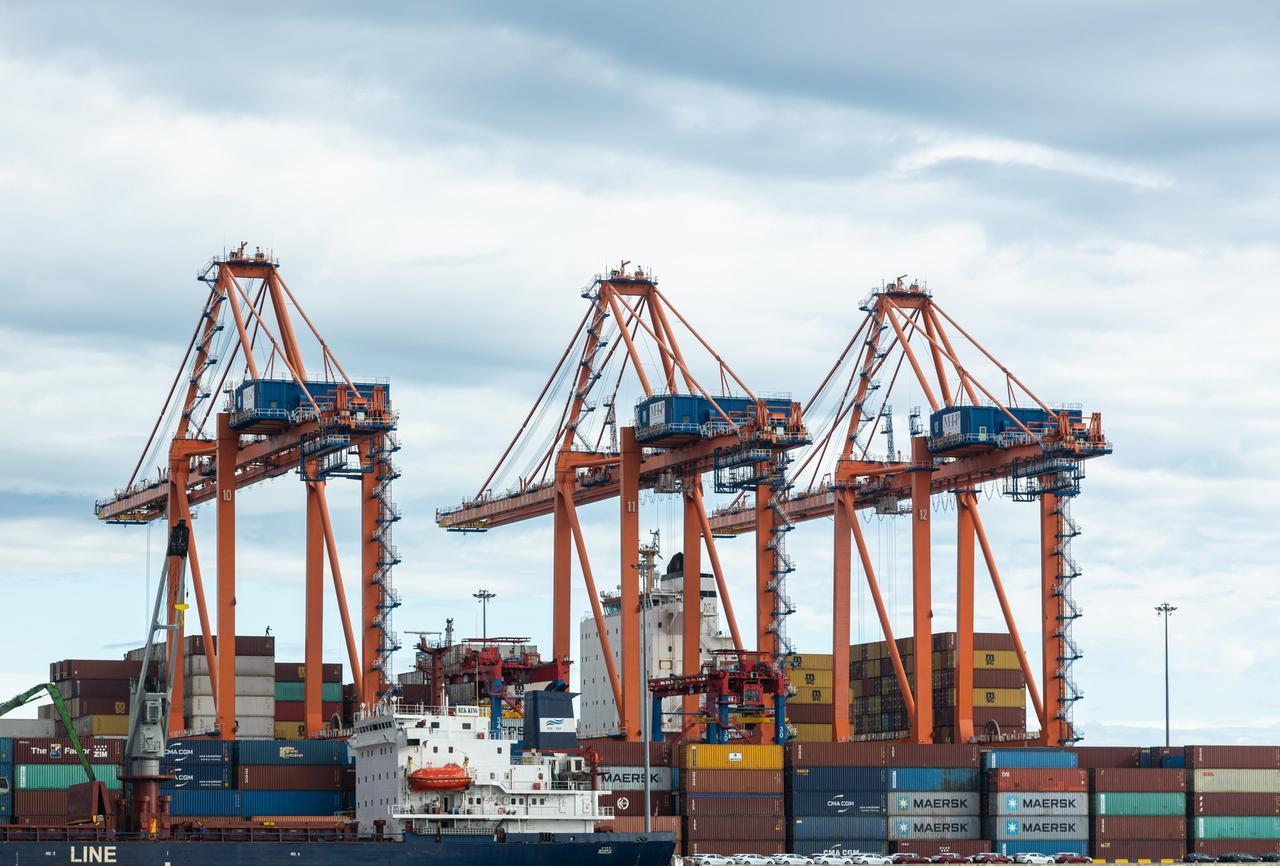
Official port statistics for March 2026 showed total loaded and discharged cargo reaching 3.1 million tons, while container throughput exceeded 161,000 TEUs during the month.
Petroleum products, general cargo and chemicals ranked among the largest cargo groups handled at the port.

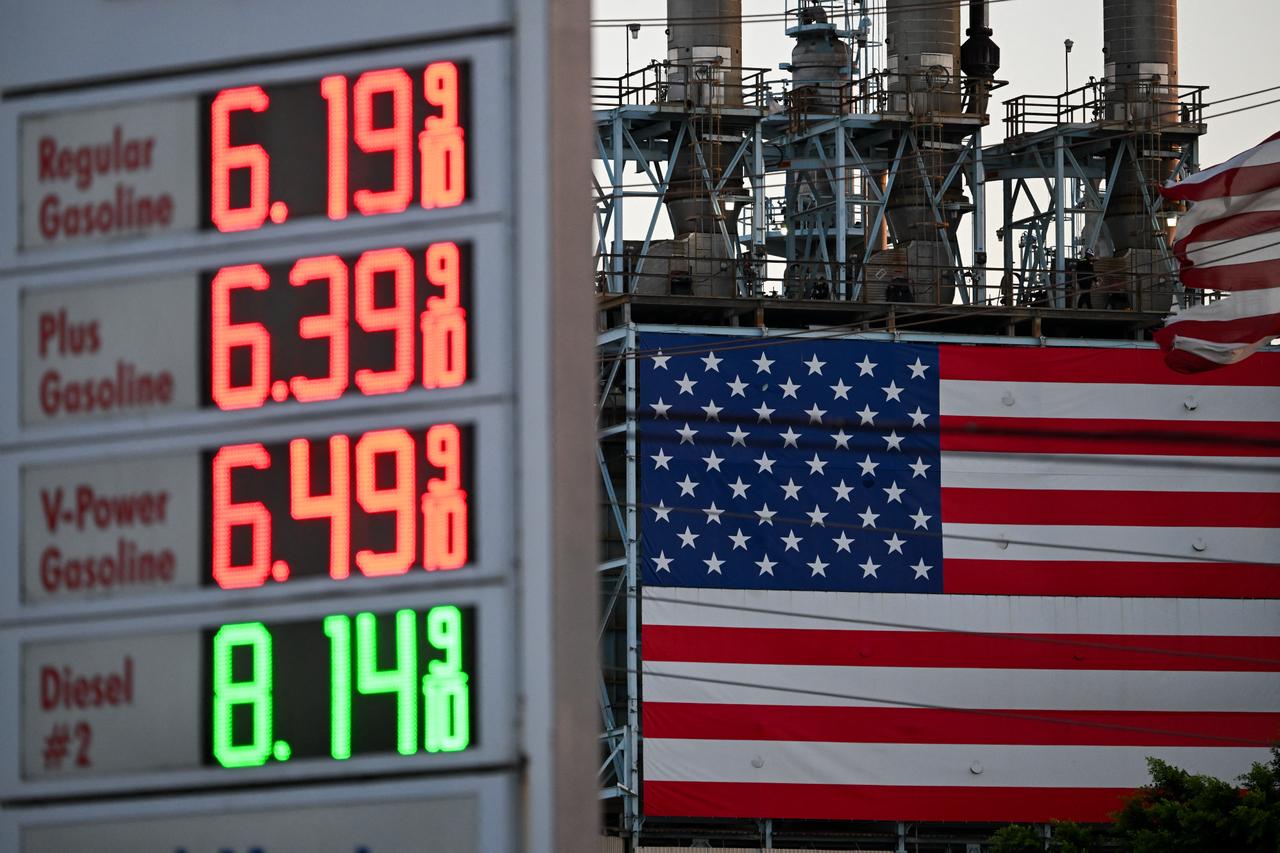
Rising geopolitical risks are also driving up logistics costs worldwide. Gedik pointed to the tensions between the U.S. and Iran, arguing that instability in Hormuz has extended shipping routes while increasing fuel expenses and insurance premiums.
"This situation poses a serious risk not only regionally but also for the global economic system," he said.
He also linked the shifts in global supply chains to projects such as the Development Road, which aims to connect Iraq and the Gulf to Europe through Türkiye, and the Middle Corridor linking China and Europe via Central Asia and the Caucasus, saying both are boosting Mersin’s strategic importance on the Asia-Europe trade route.
Located on key Mediterranean shipping routes, Mersin International Port ranks among the region’s biggest logistics hubs, with annual container capacity reaching 3.6 million TEUs and connections stretching across Europe, the Middle East and Asia.


 Set as preferred source
 Set as preferred source


 1 min read
 1 min read