Newsletters


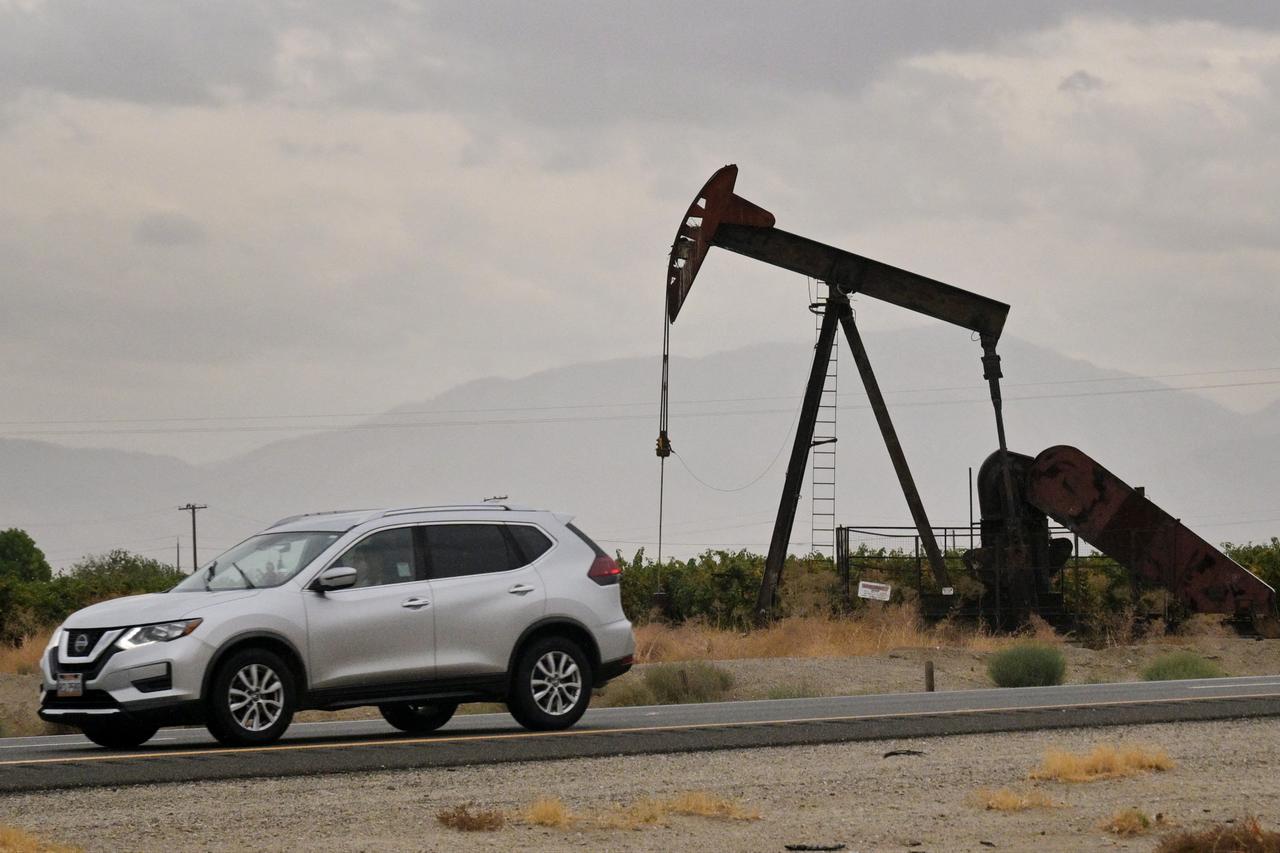


International Energy Agency (IEA) Executive Director Fatih Birol expects the global energy crisis to drag on into 2027, warning that its effects will continue to hit economies even as governments seek new energy sources and shore up supplies.
Speaking remotely at the Investment Summit Towards COP31 in Istanbul on Friday, Birol pointed to global developments and national energy policies as reasons to doubt that conditions will return to normal next year.
"I am not optimistic about normalization in 2027," he said. "Even when I try to look at things optimistically, I cannot find an argument that convinces me."
The world will still be dealing with the damage in the coming year, Birol added, unless fresh disruptions make matters worse. "This crisis will continue in one form or another in 2027. The world will still be trying to heal its wounds, provided no new wounds emerge," he said.
The crisis around the Strait of Hormuz is reaching beyond energy markets, affecting agriculture and the wider economy, Birol noted. The fallout is pushing governments, companies and investors to reassess immediate decisions as well as longer-term plans.
He pointed to the oil shocks of 1973 and 1979 as precedents, noting that those episodes helped spur nuclear energy development and improvements in vehicle efficiency.
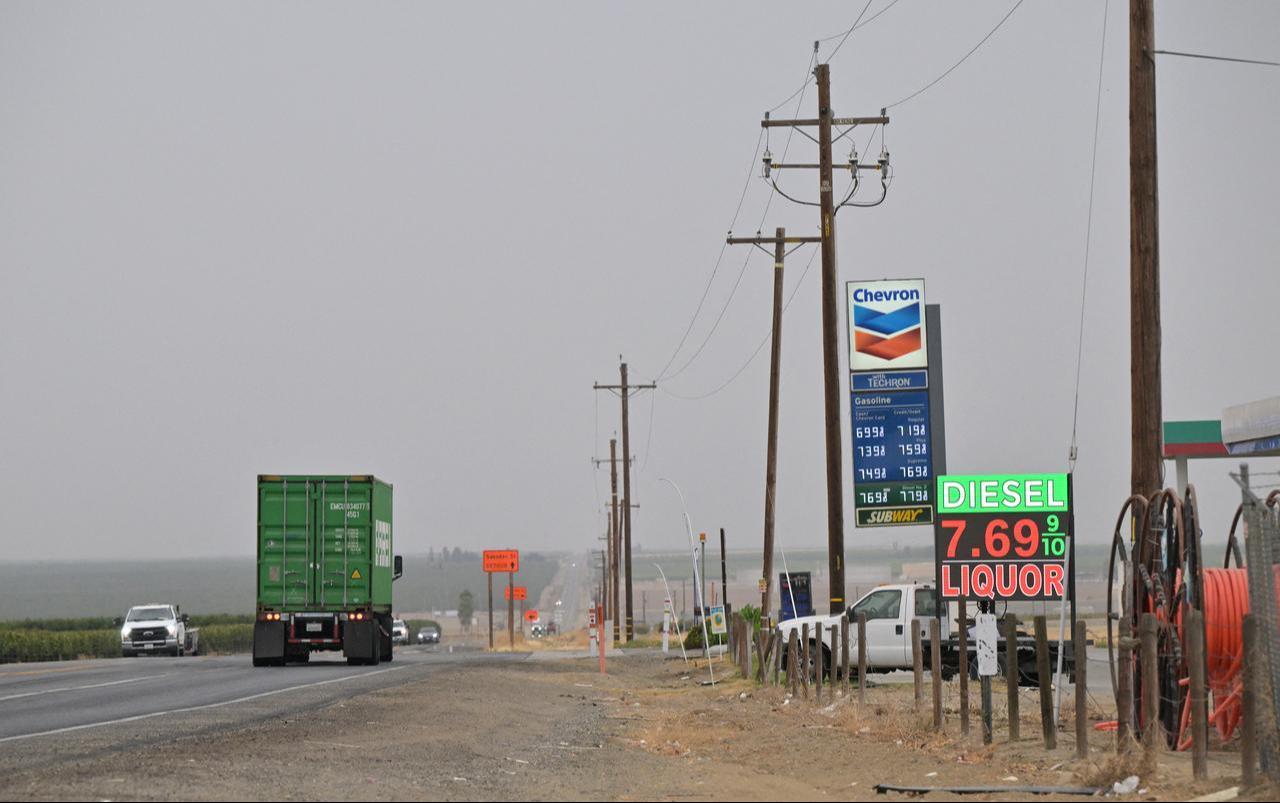

Birol described COP31 as a "golden opportunity" for Türkiye and the international community to turn the current turmoil into tangible commitments.
The proposal calls for electricity to account for 35% of global energy by 2035, up from 23%, with countries encouraged to endorse the commitment at the COP31 summit in Antalya, scheduled for Nov. 9-20.
A broader shift toward electricity could strengthen energy security and curb emissions, Birol argued, giving countries a common target despite deep international divisions.
Securing the commitment would also send a clear signal to investors and capital markets about the direction of energy policy, he added.
Birol identified government participation and the level of representation at the summit as two key tests of COP31's success. He expressed optimism about both the number of countries expected to attend and the seniority of their delegates.


 Set as preferred source
 Set as preferred source


 1 min read
 1 min read