Newsletters




Turkish banks face significant risks from global economic pressures and regional conflicts, but progress in curbing inflation and a better-than-expected economic outlook keep the situation manageable, according to S&P Global Ratings.
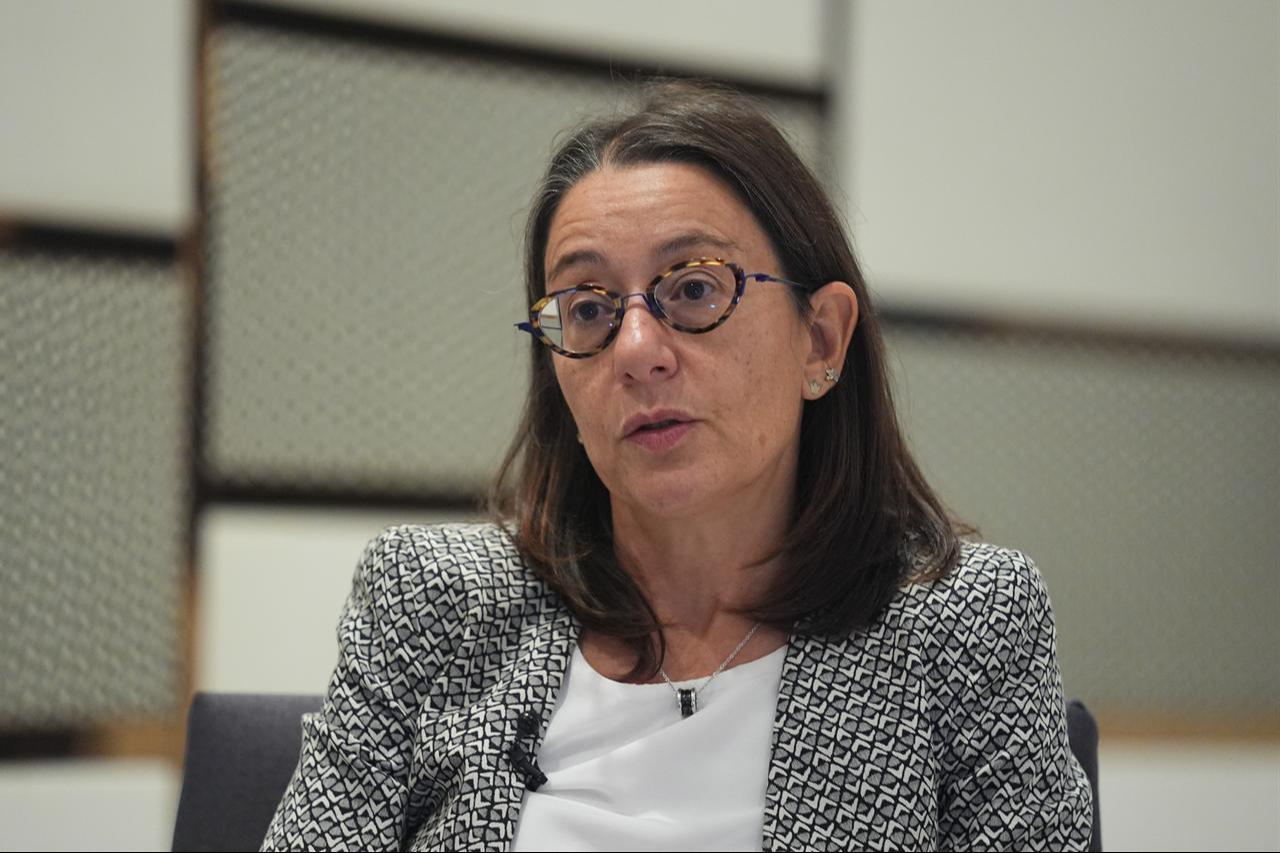
Regina Argenio, S&P Global Ratings' director of financial institutions, told state-run Anadolu Agency that the institution had recently approved its assessment of Türkiye's banking sector under its Banking Industry Country Risk Assessment (BICRA) framework.
"We think the risks they face are significant, but manageable due to the progress we have seen in reducing inflation and the better economic outlook than we anticipated at the start of the war in the Middle East," she said.
S&P also welcomed the removal of all deferral measures introduced over the past year, adding that further stabilization could bring positive developments for the sector.
High real interest rates are making it difficult for Turkish banks to expand lending, with credit volumes currently declining, Argenio said.
A shift toward looser monetary policy could improve the outlook next year if lower interest rates feed through to pricing and credit conditions. Small and medium-sized enterprises (SMEs) and retail customers are particularly exposed to the high cost of financing, creating potential risks for banks' asset quality.
"We expect net interest margins to improve next year," Argenio noted, adding that lower rates could quickly reduce funding costs for Turkish lira-denominated banking operations.
However, foreign-currency funding costs could rise depending on interest rate movements abroad. The outlook will also depend on the timing and scale of domestic rate cuts and the success of Türkiye's disinflation program, she noted.
Central Bank of the Republic of Türkiye (TCMB) resumed its easing cycle on Thursday after a 5-meeting break, lowering its key funding rate by 100 basis points to 36% as inflation retreated for the fourth consecutive month in September to 29.7%.
However, the bank kept its cautious stance, citing upside risks to inflation from elevated energy costs.
A sustained decline in inflation could strengthen confidence in the economy, support stronger growth and make the country more resilient to foreign exchange risks, Argenio said.
Such improvements could also bolster banks' asset quality and real profitability, even if nominal earnings decline. Returns on capital should improve in real terms if economic conditions move in the right direction, she added.

Argenio also addressed the recent investment fund turmoil in Türkiye, saying the impact would likely remain limited if the issue proved to be isolated.
The rout, which emerged after several funds failed to meet investor redemption requests, put the Turkish market under heavy selling pressure, raising fears of systemic risks.
To contain fallout, the Capital Markets Board (SPK) subsequently ordered the liquidation of 131 funds managed by seven portfolio management companies, affecting over 455,000 investors with assets worth ₺936.3 billion ($19.1 billion) at the time.
Argenio pointed to the policy response and liquidity support provided to the banking sector as measures that helped contain the fallout.
The effect on banks' external borrowing costs, however, remains uncertain. S&P generally expects those costs to rise amid interest rate dynamics in international markets, while Turkish borrowers could also face a higher risk premium in the future.
How far those costs increase will depend on how effectively the situation is brought under control and how quickly authorities manage the fallout, Argenio said.


 Set as preferred source
 Set as preferred source


 1 min read
 1 min read