Sign in
 Newsletters


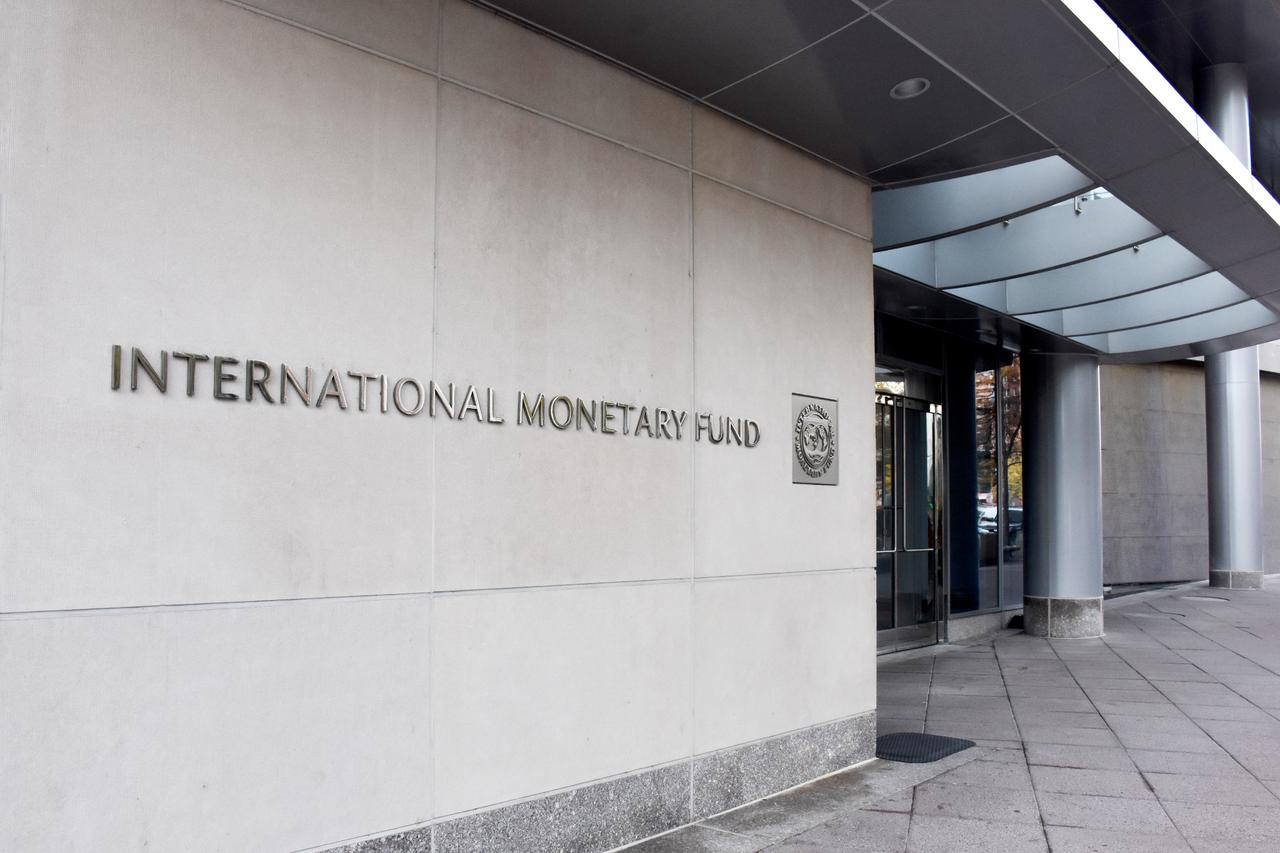


The International Monetary Fund (IMF) said Saturday that Türkiye faced a challenging 2026 as the Middle East conflict and September's investment fund crisis weighed on economic stability, while praising authorities for limiting the impact of rising energy prices and financial market disruptions.
In preliminary findings released following an IMF staff visit to Türkiye under its Article IV consultation process, the fund said the country had encountered significant economic shocks despite earlier progress under its stabilization program.
The IMF said decisive policy measures had helped contain the inflationary effects of the energy price shock and preserve financial stability.
However, the shocks had negatively affected economic growth, inflation and the country's financial buffers, underscoring the need for continued policy discipline.
The fund expects economic growth to recover gradually while inflation declines at a slower pace.
It said a carefully sequenced package of monetary, fiscal and structural measures could accelerate disinflation and support external economic rebalancing.
The IMF emphasized that Türkiye's monetary policy should remain sufficiently restrictive to accelerate disinflation and reanchor inflation expectations.
The fund also acknowledged that fiscal discipline had been maintained despite the difficult macroeconomic environment.
However, it called for a larger and more front-loaded fiscal adjustment than currently envisaged under Türkiye's 2027-2029 Medium-Term Program.
The additional adjustment should be supported by improvements in revenue collection and spending efficiency, the IMF said.
The fund argued that a coordinated policy approach would help strengthen economic resilience while supporting the gradual recovery in growth.
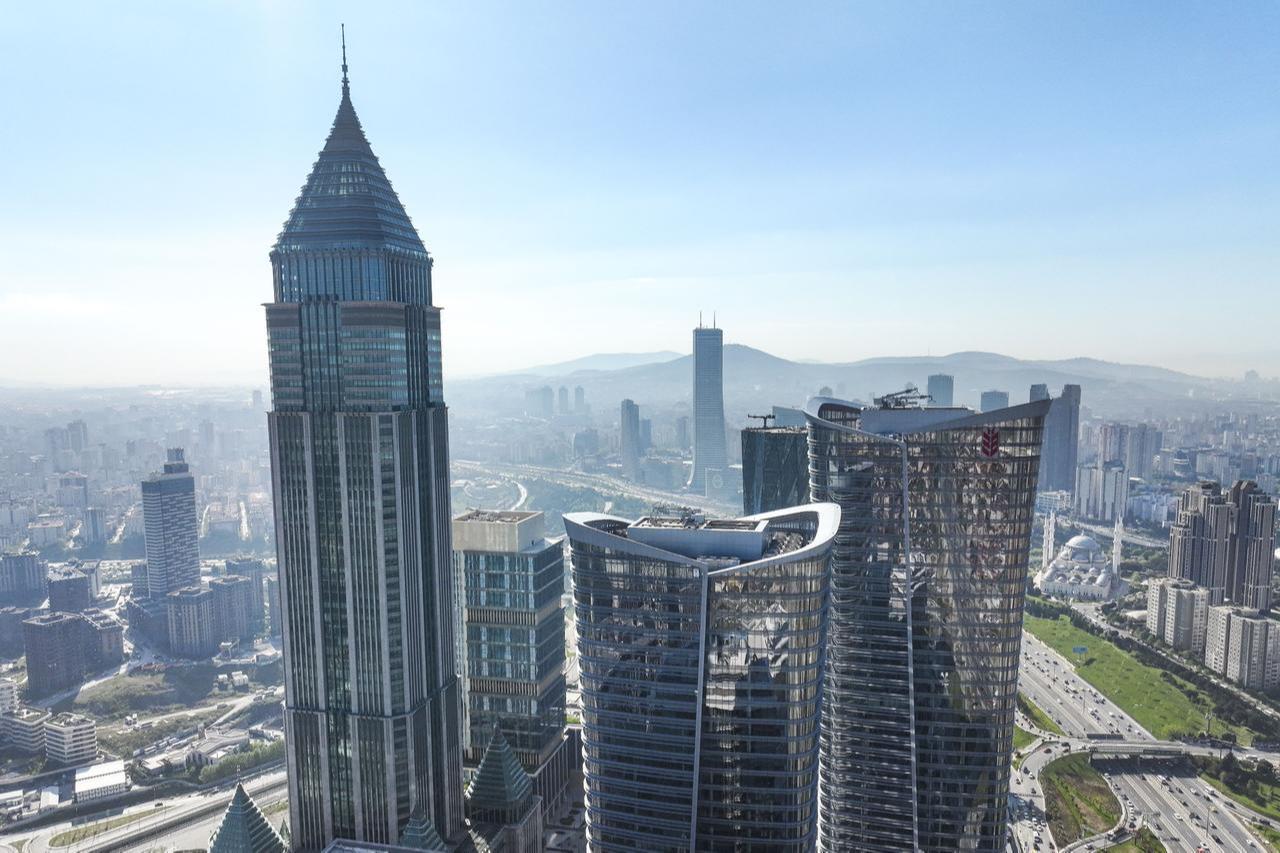

The IMF said Türkiye's banking system had remained resilient despite successive economic and financial shocks.
Although banks' capital buffers had declined, they remained above regulatory requirements.
Stress-test simulations suggested that banks could withstand adverse economic developments, including sharp increases in interest rates and exchange-rate volatility.
However, the fund stressed that evolving financial risks required a comprehensive policy response, particularly in banking supervision, investment funds, capital markets and financial safety nets.
It called for stronger regulatory oversight and greater transparency to address vulnerabilities revealed by the recent investment fund turmoil.
The assessment comes after several Turkish investment funds faced liquidity pressures in September, triggering regulatory intervention and broader concerns about oversight of the country's financial markets.
Beyond financial sector reforms, the IMF also highlighted the importance of structural changes to strengthen Türkiye's long-term growth potential and reduce the economic costs of disinflation.
It pointed to the country's 12th Development Plan and 2030 Industry and Technology Strategy, which prioritize technological transformation, education, reducing informality and improving the investment environment.
The fund said reforms building on these strategies should encourage employment, strengthen competition and support more sustainable economic growth.
The findings represent the IMF staff's preliminary assessment following its Article IV mission rather than a final decision by the fund's Executive Board.


 Set as preferred source
 Set as preferred source


 1 min read

 1 min read