Newsletters





Türkiye's imports from India surged 195.5% year-over-year to $1.5 billion in October, while purchases from Russia plunged 80.6% to $721.8 million, representing the sharpest swings in the country's trade with major partners.
On the export side, shipments to Egypt jumped 77.8% to $682.6 million, while exports to Saudi Arabia and China soared 76.2% and 74.2% to $479.2 million and $520.4 million, respectively.
Türkiye's exports increased 8.1% year-over-year to $25.9 billion in October, while imports rose 3.4% to $32.6 billion, according to preliminary Trade Ministry data. The foreign trade deficit narrowed 11.4% to $6.7 billion, while total trade volume expanded 5.4% to $58.5 billion.
Imports from Vietnam climbed 48.3% to $401.3 million, while purchases from Brazil increased 28.6% to $402.8 million. Meanwhile, exports to the U.S. rose 32.2% to $1.9 billion, and shipments to the United Arab Emirates gained 30.1% to $733.7 million.
At the other end, imports from Switzerland fell 73.6% to $529.5 million, while exports to Romania and Russia declined 18.6% and 16.5% to $601 million and $512.1 million, respectively.
China remained Türkiye's largest import source at $4.4 billion, up 11%, while imports from Germany reached $2.2 billion despite a 4.7% decline.
During January-October, exports rose 5.5% to $236.8 billion, while imports increased 5.1% to $314.5 billion. Total trade volume reached $551.3 billion, up 5.3%. The cumulative trade deficit, however, widened 3.9% to $77.7 billion, with exports covering 75.3% of imports.
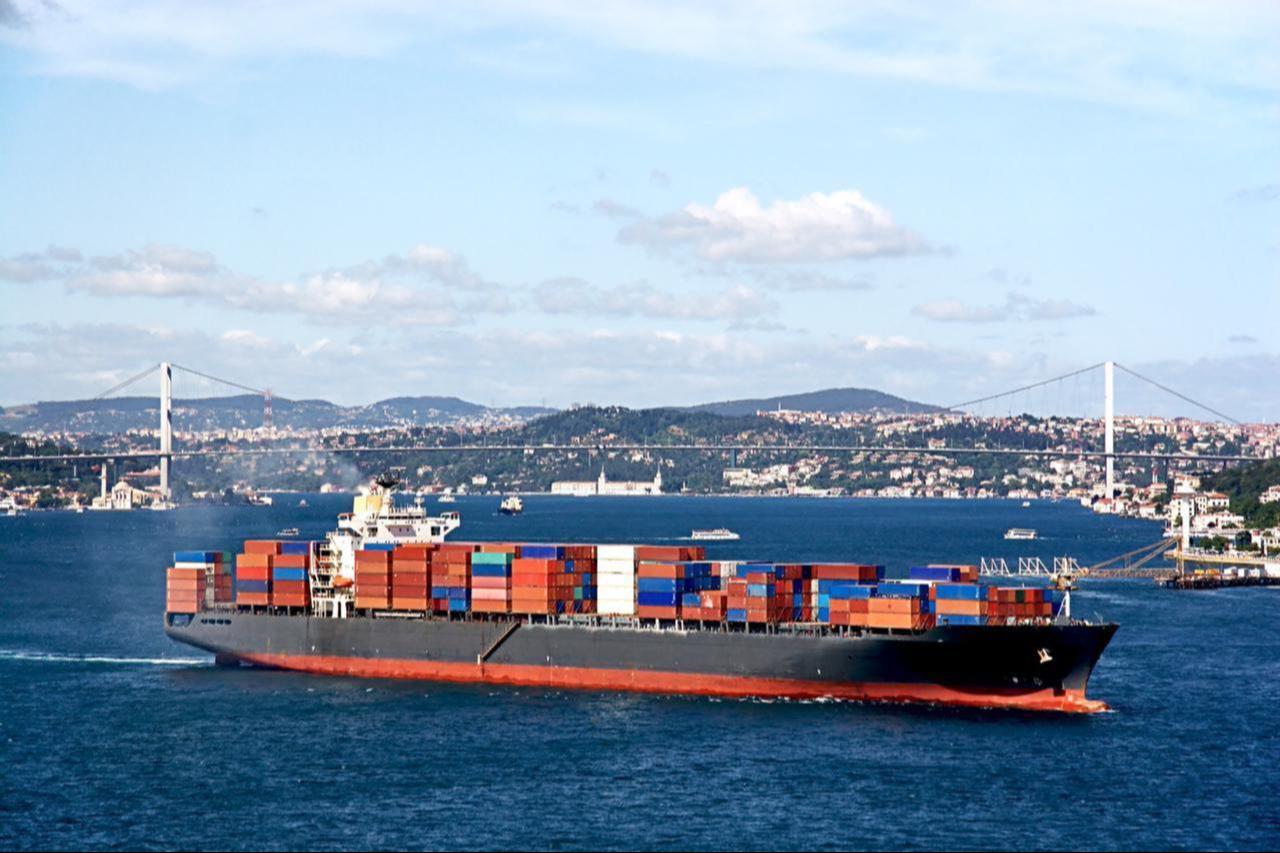

Aircraft and spacecraft recorded the strongest export growth among product categories in October, with shipments soaring 196.2% year-over-year to $402.6 million.
Exports of mineral fuels and oils increased 57.1% to $1.6 billion, while copper and copper products climbed 47.4% to $548.9 million. Aluminum exports rose 21.2% to $604.8 million, and electrical machinery and equipment shipments grew 18% to $1.9 billion.
Exports of edible fruits and nuts increased 16.3% to $701.3 million, while plastics and plastic products gained 14.7% to $1.2 billion.
Ready-made clothing and furniture faced some of the steepest declines. Exports of non-knitted apparel and accessories fell 16.7% to $482.8 million, while furniture and prefabricated buildings dropped 14.4% to $409.5 million.
On the import side, mineral fuels and oils posted the largest increase, surging 71.7% to $8.3 billion. Imports of knitted apparel climbed 35.3% to $263.8 million, while copper and copper products rose 30.9% to $945.9 million.
By contrast, imports of precious metals, stones and jewelry plunged 78.1% to $719.9 million. Motor vehicles and their parts fell 18.3% to $2.6 billion.
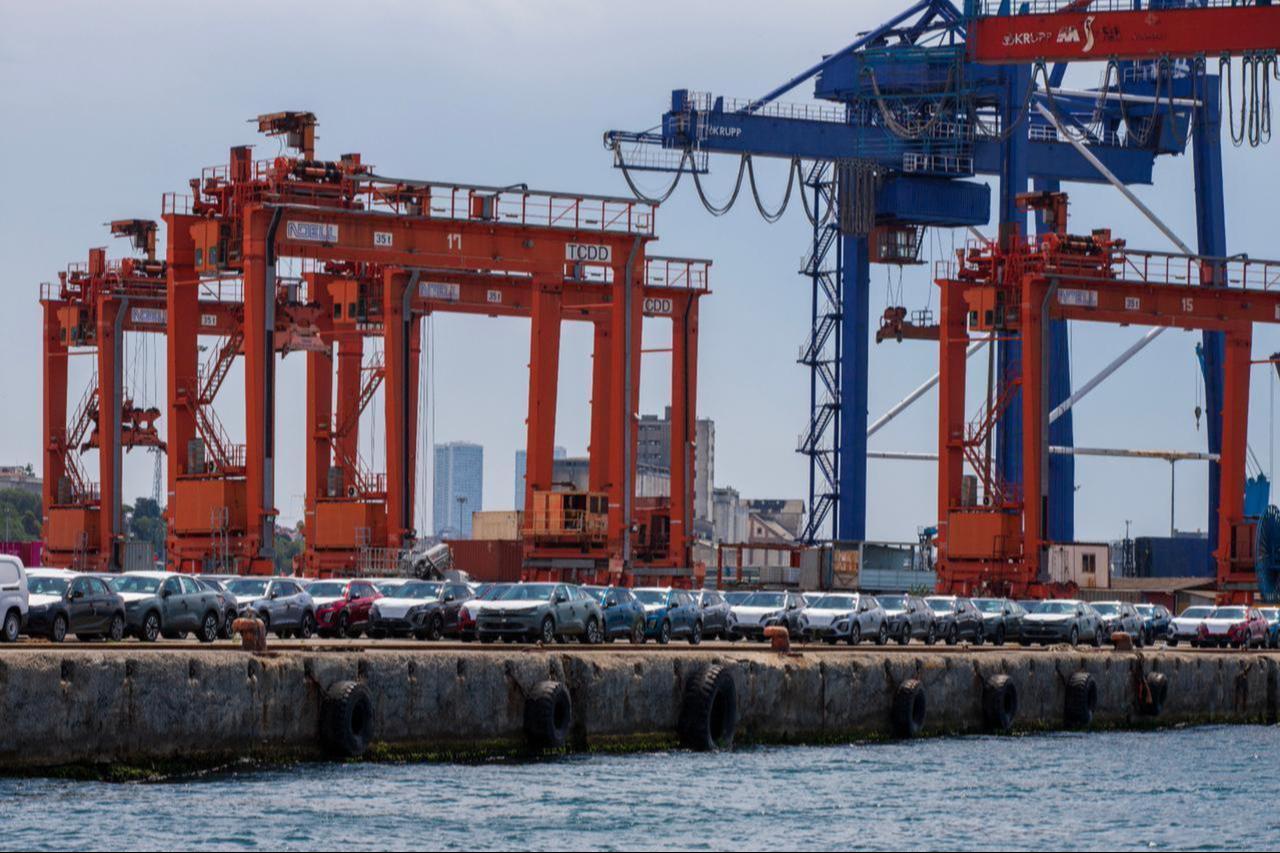
Trade Minister Omer Bolat highlighted the country's export performance, noting that goods exports over the past 12 months had increased by $15.6 billion. Annualized services exports reached $127.4 billion as of October, extending the acceleration recorded since August.
"Thus, as of the end of October, the total of annualized goods and services exports has reached $413 billion. We have exceeded the $410 billion target as of October," Bolat said.
Exports increased in 13 of Türkiye's 26 sectors in October and in 17 sectors over the January-October period, according to the minister. Despite unfavorable calendar and parity effects, goods exports rose 8.1% to $25.9 billion in October.
Unprocessed gold exports, which had supported export performance over the previous three months, stood at just $204 million in October, creating an estimated $850 million shortfall. "Despite these significant handicaps, an increase of $1.9 billion was achieved," Bolat said.
The minister added that Türkiye could close 2026 with $287 billion in goods exports if total exports averaged $50 billion across November and December.


 Set as preferred source
 Set as preferred source


 1 min read

 1 min read