

 Newsletters


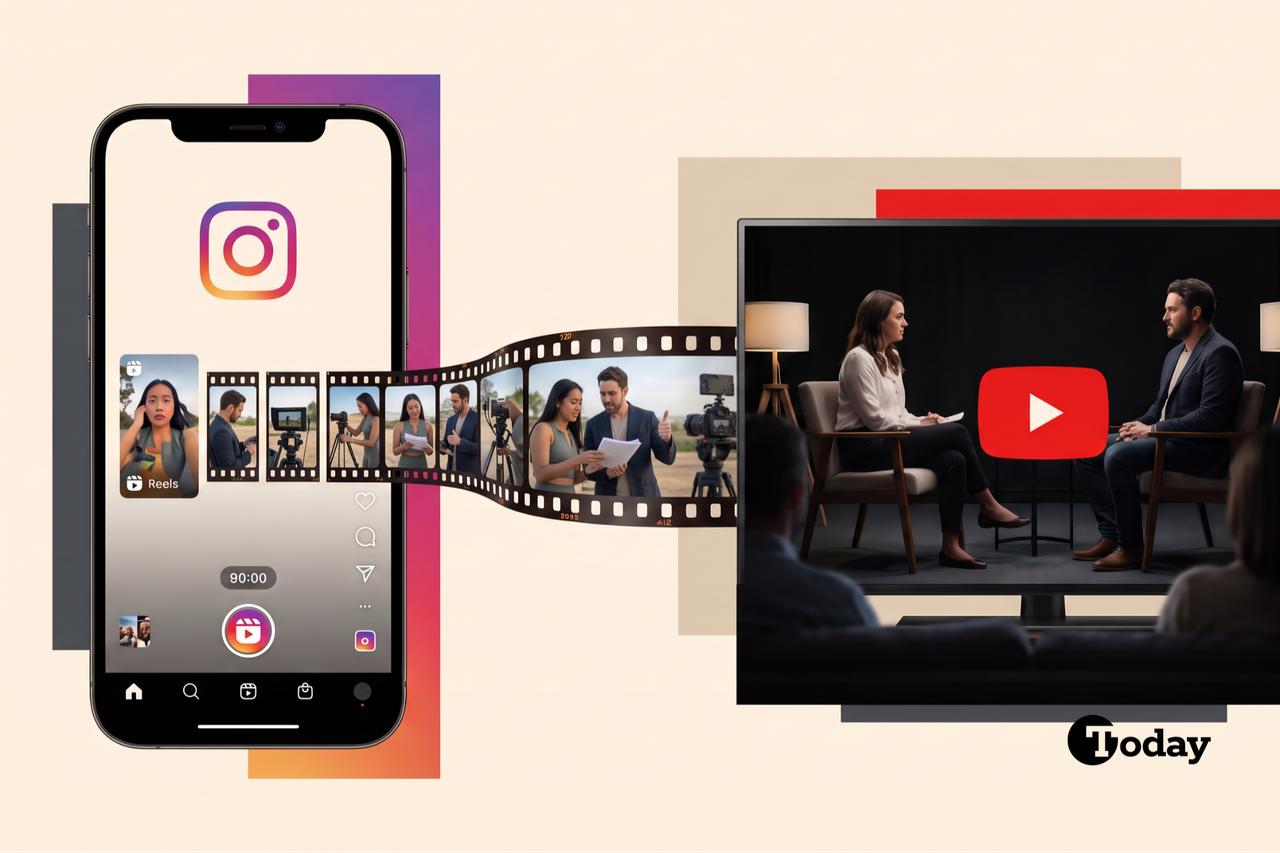


Instagram built its name on photos, stories and short reels. Now it is pushing into a territory long dominated by YouTube: podcasts, interviews and full-length episodes.
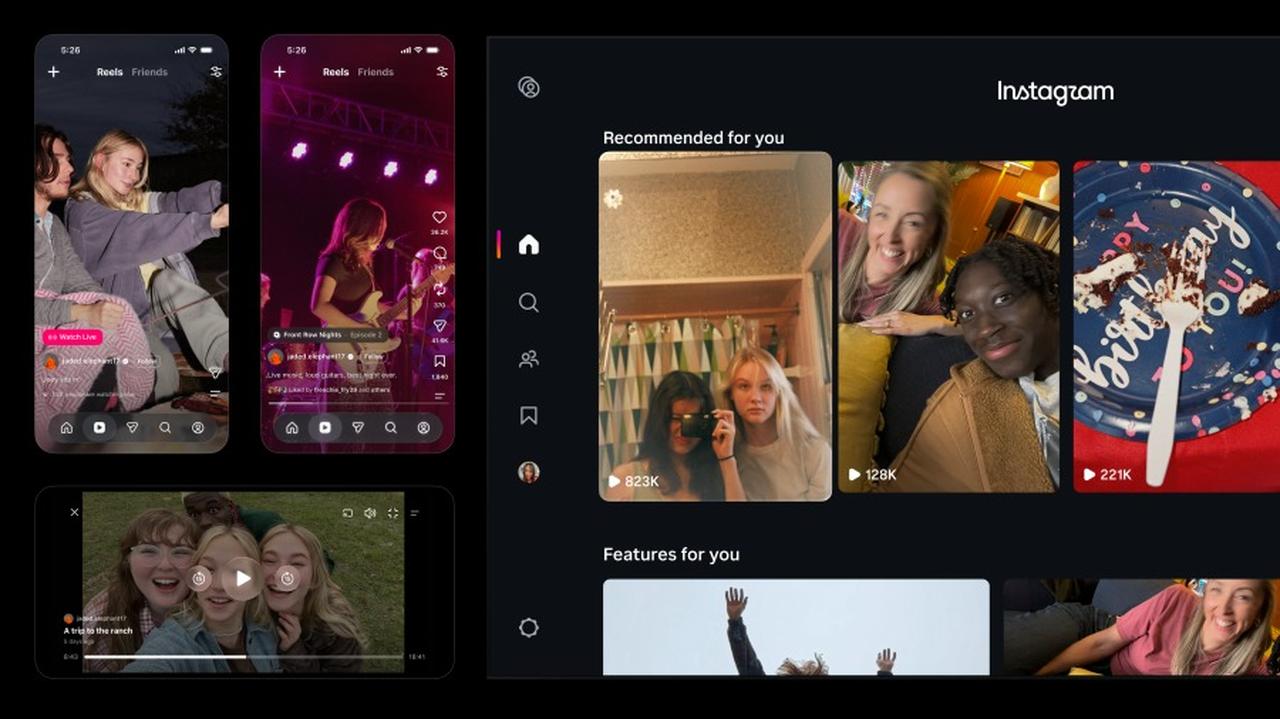
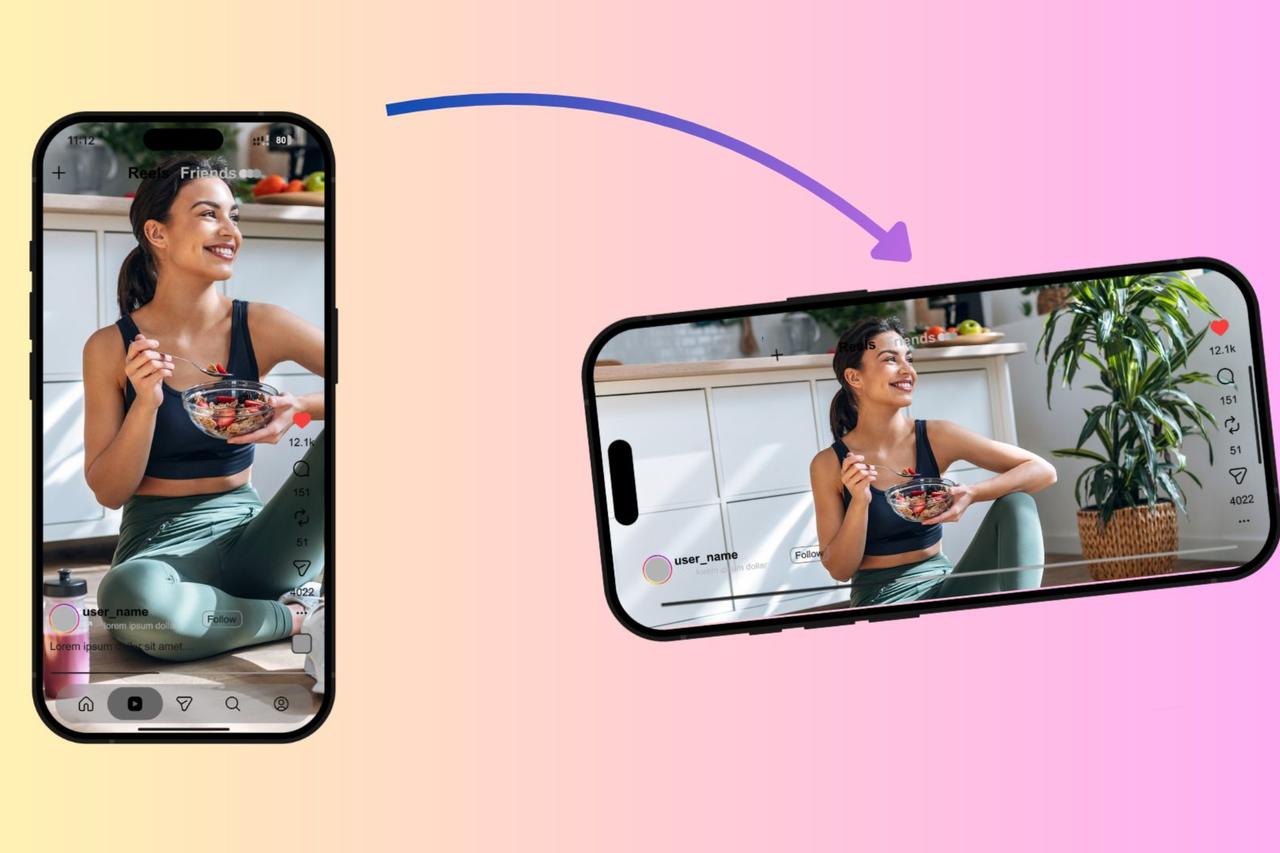
On Oct. 26, Instagram began testing “Features,” a format that lets selected creators upload horizontal videos of up to 90 minutes. According to TechCrunch, the test began with a limited group of creators in Brazil and is expanding to a small group in the U.S.
Features is only part of the package. Instagram is also letting creators link up to eight short clips to a single full-length video, so viewers who like a clip can watch the full version without leaving the app.
It is testing “series,” which lets eligible creators group videos together with a label showing that more episodes exist, so viewers can watch in order from the start; that test is expanding to more countries through the end of the year.
And it is widening its TV push, with “Instagram for TV” now available on Samsung, Amazon Fire TV and Google TV, as well as Apple TV.
''Features'' remains a test, and Instagram says it will gather feedback. Some basics are still missing, according to Business Insider: you can’t keep scrolling or use picture-in-picture while a video plays, and automated transcripts and subtitles aren’t available yet.

The simplest answer is that audiences and money are moving elsewhere.
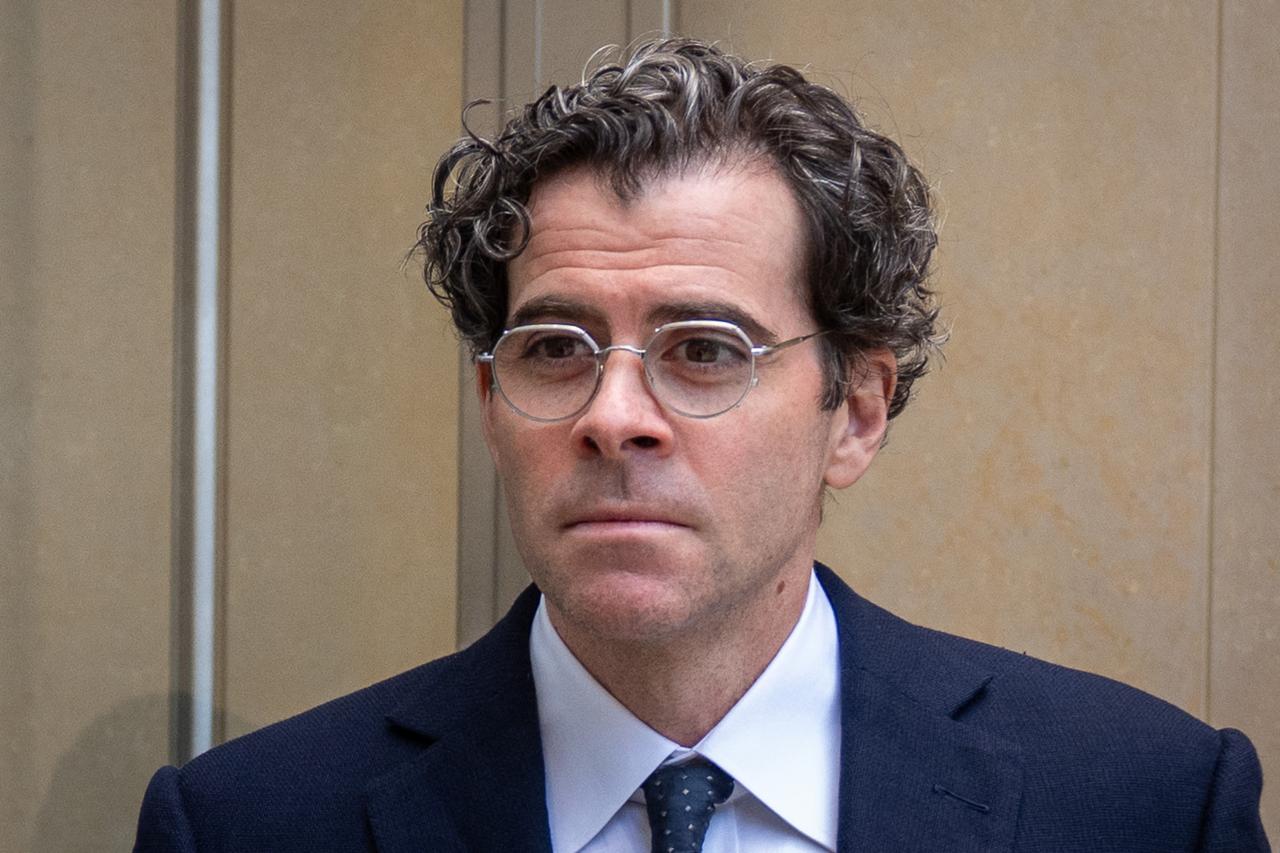
Instagram head Adam Mosseri said in an interview with Press Publish founders Colin Rosenblum and Samir Chaudry that the goal is to be “the most culturally relevant platform,” which means showing up “where people are.” Increasingly, people are on YouTube and on their TVs.
YouTube said viewers watched more than 700 million hours of podcasts on living-room devices in October 2025, up from 400 million a year earlier.
It also reported more than 1 billion monthly active viewers of podcast content. And the number of YouTube channels earning at least $100,000 a year from TV screens grew by more than 45% in a year.
Instagram is good at getting people in the door, but it loses them when they want something longer. Short clips draw viewers in, then those viewers go to other platforms to watch the full versions, taking their attention and the ad money with them.
Longer videos would keep people on Instagram for more of their time. It could also help the company look less like an endless-scroll app and more like a place where people watch things on purpose.
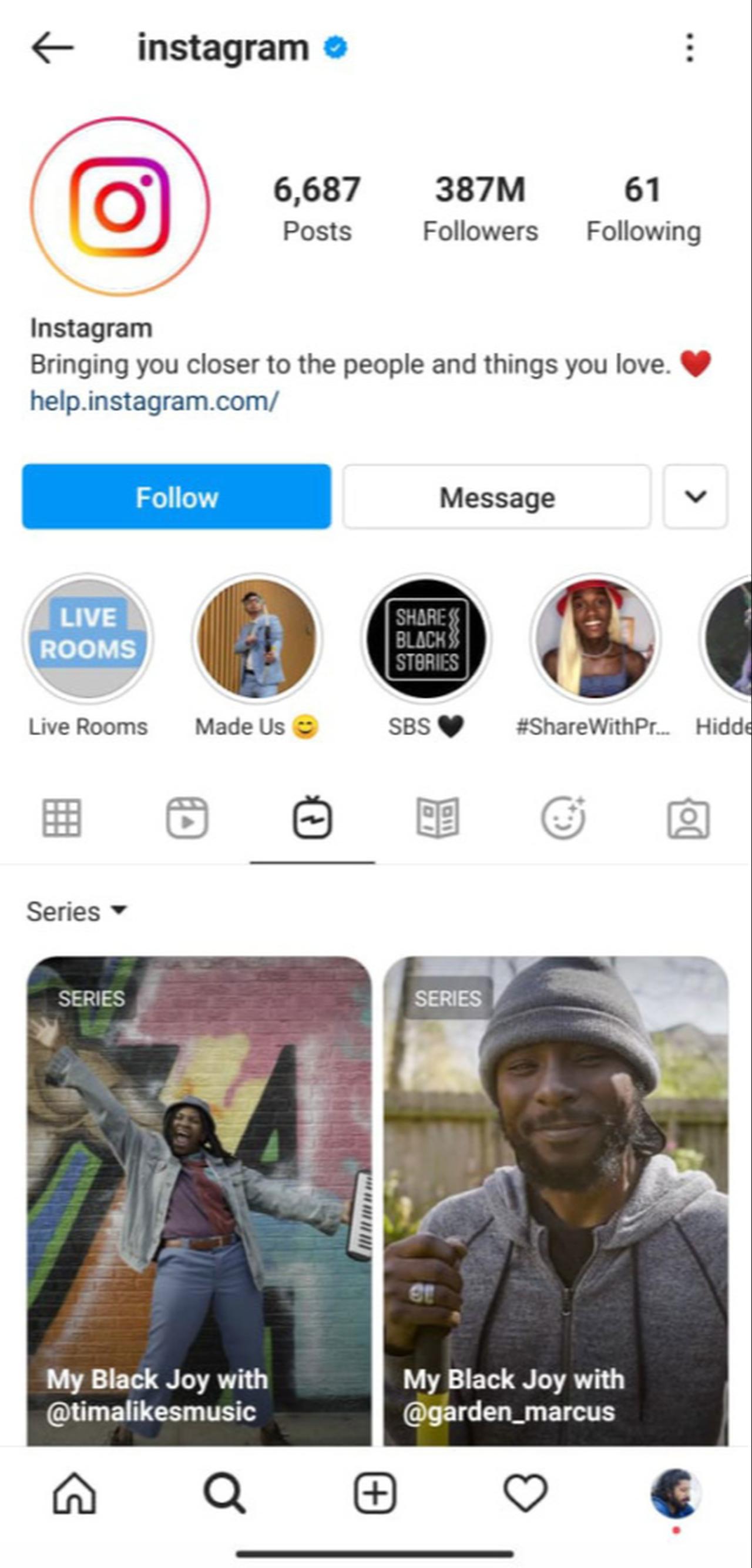
If this feels familiar, it is: Instagram launched IGTV in 2018 for videos longer than the main feed’s one-minute limit, then added creator payments in 2020. Meta shut the standalone app in 2022 and shifted its video push to Reels.
However, people don’t open Instagram to watch long videos, and changing that habit will be hard. Instagram’s last attempt failed for the same reason, and in markets where each app is tied to a specific way of watching, long-form is unlikely to be a big growth driver.
This is the biggest gap between Instagram and YouTube.
YouTube has a formal revenue-sharing system for channels in its Partner Programme. Creators get 55% of net ad revenue on long-form videos. For Shorts, they get 45% of the revenue allocated to them from a shared pool, based on their share of eligible views.
To qualify, creators need 1,000 subscribers plus either 4,000 valid public watch hours in the past 12 months or 10 million valid public Shorts views in 90 days. Memberships, Super Thanks and YouTube Premium add more income.
Instagram does not automatically pay creators by watch time.
Creators earn through brand deals, subscriptions, viewer Gifts bought with Stars, and selected incentive programmes. Bonuses linked to Reels plays have been limited to eligible or invited creators, so more views don’t guarantee a fixed payout.
Adam Mosseri, head of Instagram, says ads are on the table. He told Colin Rosenblum and Samir Chaudry, the founders of Press Publish, that Instagram is thinking about testing pre-roll and mid-roll ads that could lead to a revenue split.
But he was frank about past results: “We spend more money than we make back by a long shot,” he said of earlier broad revenue-sharing efforts. Creators, he said, typically didn’t make more content than they already did, and what they made tended to be lower quality. In the same conversation, he described Instagram’s existing performance-based programme for video as ROI negative, meaning it costs the company more than it earns. Still, he said Instagram will need to “figure it out” to crack long-form, and he would scale up incentives “as long as we’re breaking even.”
The lack of a payout has not gone unnoticed. After Instagram announced Features, creators flooded the comments on coverage of the launch, with many asking why they should post long videos for no pay.
Mosseri responded on X that the company understands the economics matter a great deal and is exploring several options to help long-form creators get paid.
Creators who already earn from YouTube have the most to lose. Business creator Vanessa Lau told Press Publish that the extra reach is exciting, but she worries that if viewers watch her long-form videos on Instagram instead of YouTube, she could be cutting into her own ad earnings. She said that could put many creators off posting full videos there.
X introduced a dedicated Video Tab for U.S. users in January 2025, with a full-screen feed across sports, entertainment, news and live events, and said video views rose 40% in 2024.
It also retired its Creator Revenue Sharing programme in September 2026 and replaced it with Original Content Rewards, which pays eligible creators based on qualified impressions from X Premium subscribers on the Home Timeline. Unlike YouTube’s model, it isn’t based on video watch time alone.
Mosseri himself acknowledged the risk. He said he had previously opposed long-form video partly because longer viewing could mean fewer shared Reels and fewer messages between friends. That matters because Instagram’s identity is built on social connection, not passive watching.
Longer videos can open up more sponsorships, brand integrations, and recurring shows, and Damani notes they can let creators charge more or sell products and courses to invested audiences.
But length alone doesn’t guarantee earnings, which still depend on audience size, engagement and advertiser demand.
The direction is clear: platforms want to link short-form discovery to longer entertainment on phones and TVs. Whether Instagram can do that without losing what makes it social is the open question.


 Set as preferred source
 Set as preferred source


 1 min read


 1 min read


