Newsletters


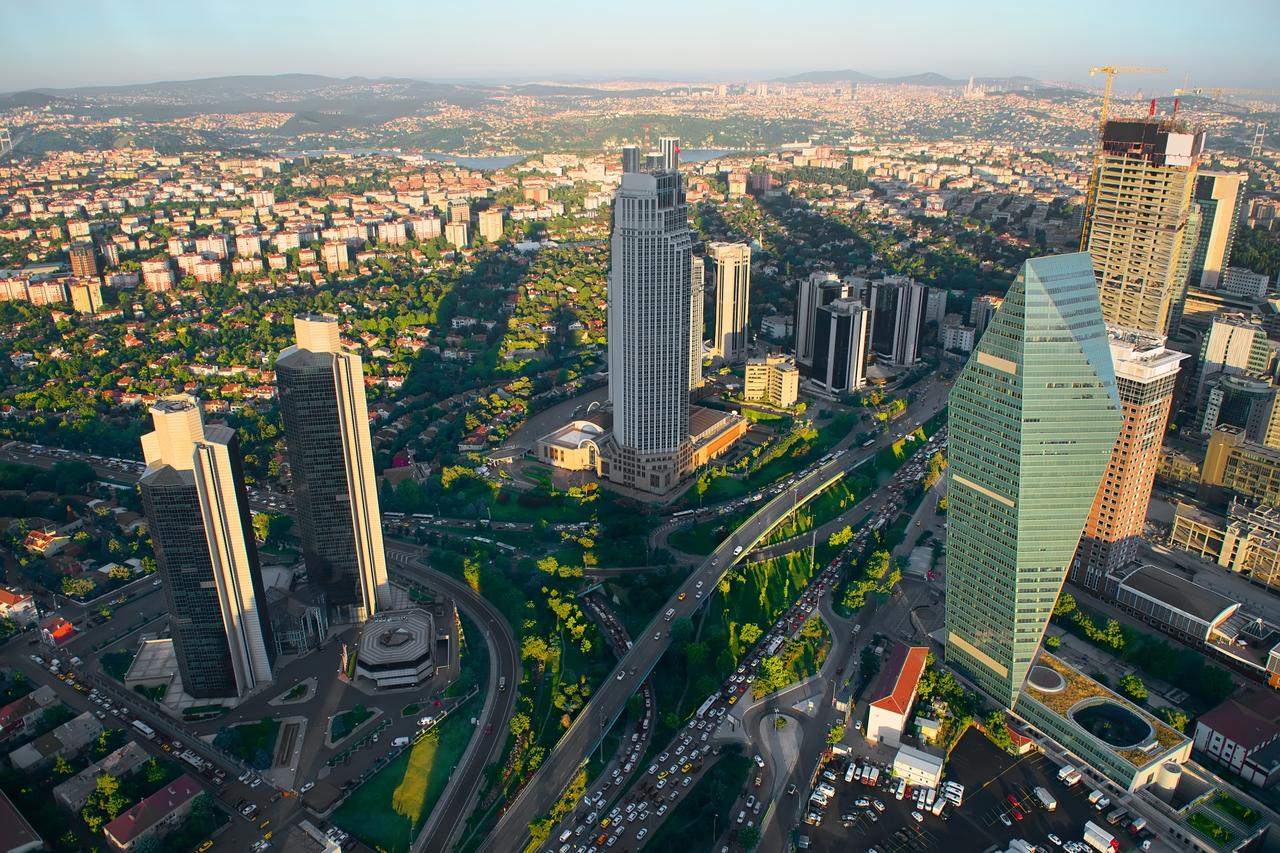


Türkiye's February inflation comes in at 3% on a monthly basis, with continuing pressure from surging food prices pushing annual inflation to 31.5%, official data showed Tuesday.
Monthly price growth in food and non-alcoholic beverages was 6.9%, up from January's 6.6%, and remained the top contributor to the Consumer Price Index (CPI). On an annual basis, the food inflation rose to 36.4%.
Markets were already pricing in a monthly rate of 3%, according to surveys, and the confirmation of these expectations is largely seen as an obstacle to the Central Bank of the Republic of Türkiye (CBRT)'s easing path ahead of its Mar. 12 meeting, particularly after surging energy costs amid the Iran conflict.
Among other heavily weighted expenditure groups, transportation and housing rose 2.6% and 2.4%, respectively, both below the overall monthly CPI increase. Annual inflation in these categories continued to ease, falling to 42.3% for housing and 28.9% for transport.
Energy prices rose 2% month-on-month, bringing annual growth down to 28.2%, ahead of a potential increase in March due to elevated oil and gas prices tied to the duration of supply disruptions through the Strait of Hormuz.
Core inflation, which excludes energy, food and non-alcoholic beverages, alcoholic beverages, tobacco and gold, was recorded at 1.5% in the month, with the annual core rate easing further to 29.5%.
The Domestic Producer Price Index (D-PPI), which tracks price developments at the producer level, edged up to 27.6% year-on-year, following a 2.4% monthly increase.
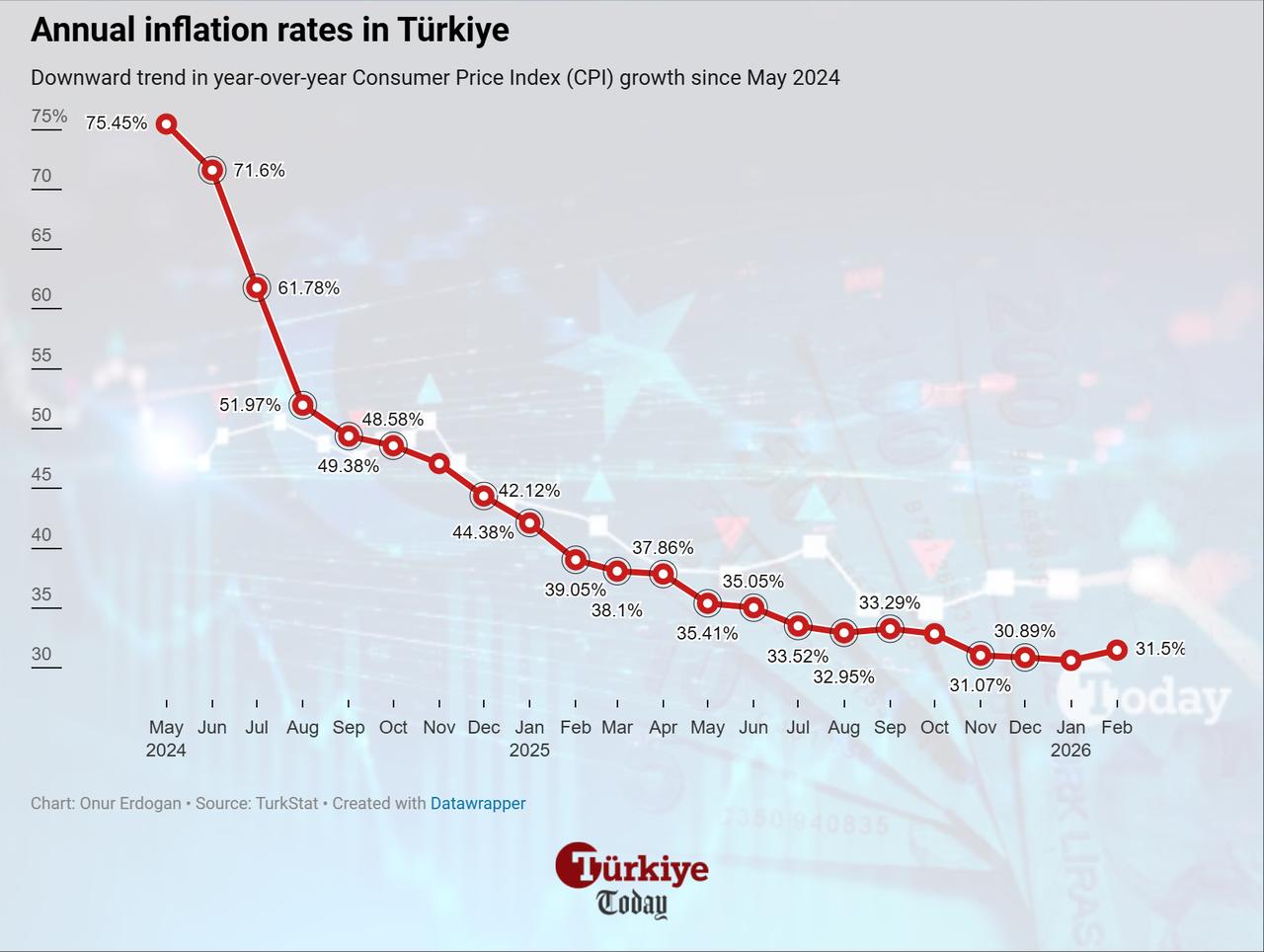

The latest figures complicate the CBRT policymakers’ decision ahead of the next Monetary Policy Committee (MPC) meeting, as investors have shifted their expectations and a 100 basis point rate cut, already in doubt, now appears even less certain.
Rising oil prices are estimated to add 1.2 percentage points to Türkiye’s annual headline inflation for every $10 increase in Brent crude, clouding Türkiye's disinflation process. In its latest MPC meeting in January, the policymakers moved with a 100-basis-point cut to bring the policy rate to 37%, citing pressures from seasonal food supply shocks.
In its first inflation report in February, the central bank maintained its cautious stance, while increasing its year-end inflation projection range to 15%-21%.
Ahead of Tuesday’s release, U.S.-based investment bank JPMorgan cut its year-end inflation forecast to 25% and lifted its policy rate forecast to 31%, saying the CBRT is now likely to pause its easing cycle, which began in July 2025 and continued for five straight meetings, bringing the policy rate down from 46%.
At Deutsche Bank, analysts said that if higher oil prices persist, the risks to their 30% year-end policy rate forecast are tilted to the upside, Bloomberg reported.
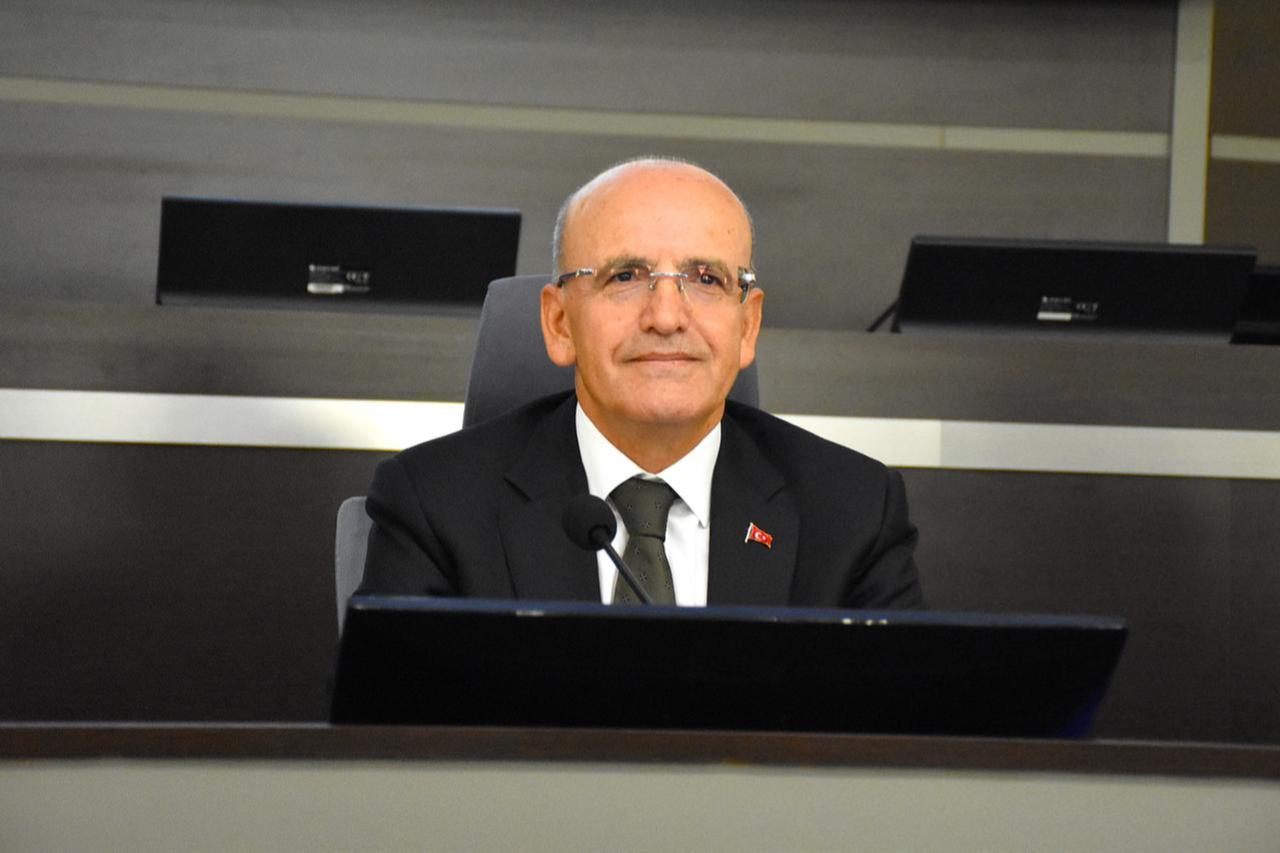
Commenting on the latest figures, Türkiye’s Treasury and Finance Minister Mehmet Simsek said that the sharp rise in food prices, well above their long-term average, had caused a temporary uptick in annual inflation.
"We are using all our policy tools in coordination to ensure the disinflation process continues," Simsek added.


 Set as preferred source
 Set as preferred source


 1 min read
 1 min read