Newsletters


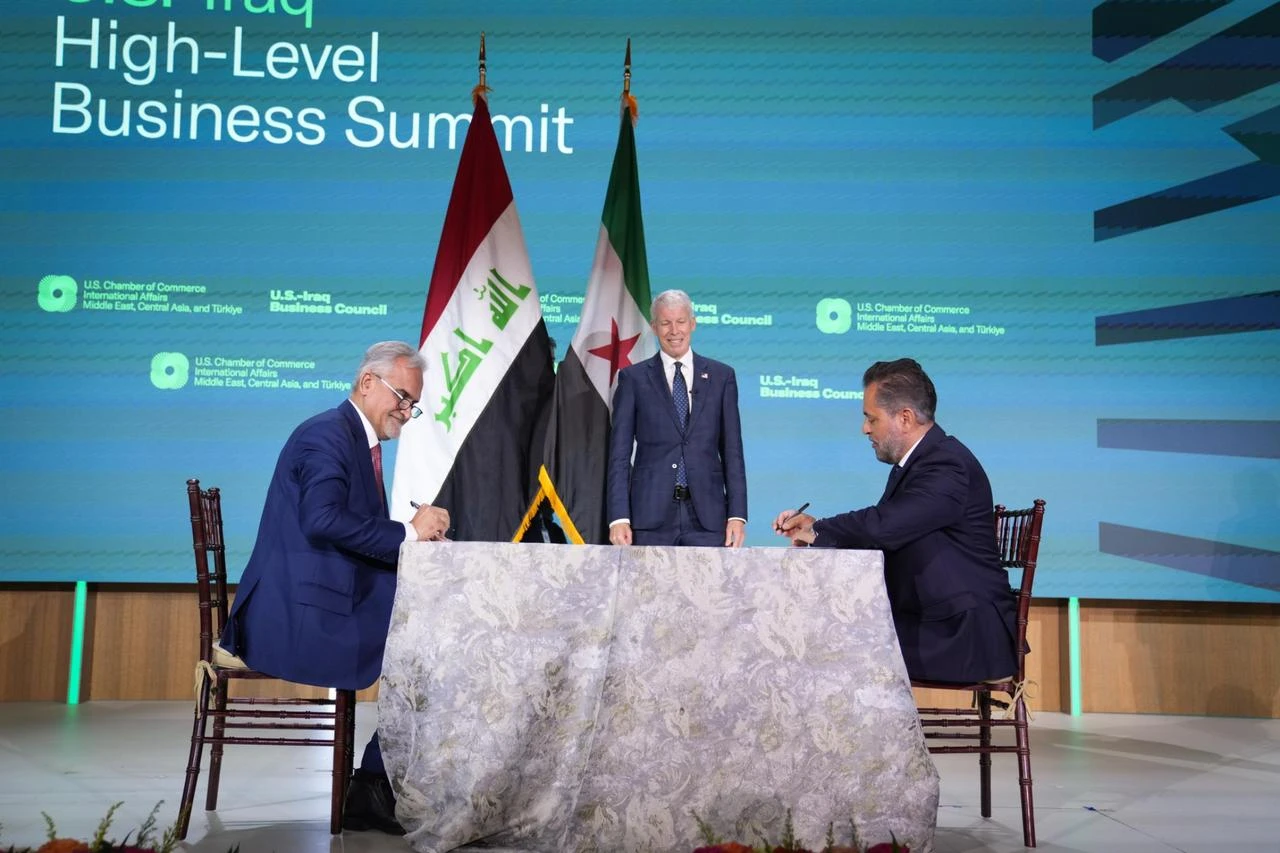


Iraq inked 48 agreements, memorandums of understanding and partnership declarations worth up to $60 billion with U.S. public and private sector entities during Prime Minister Ali ez-Zeydi's visit to Washington on Friday, according to an official statement.
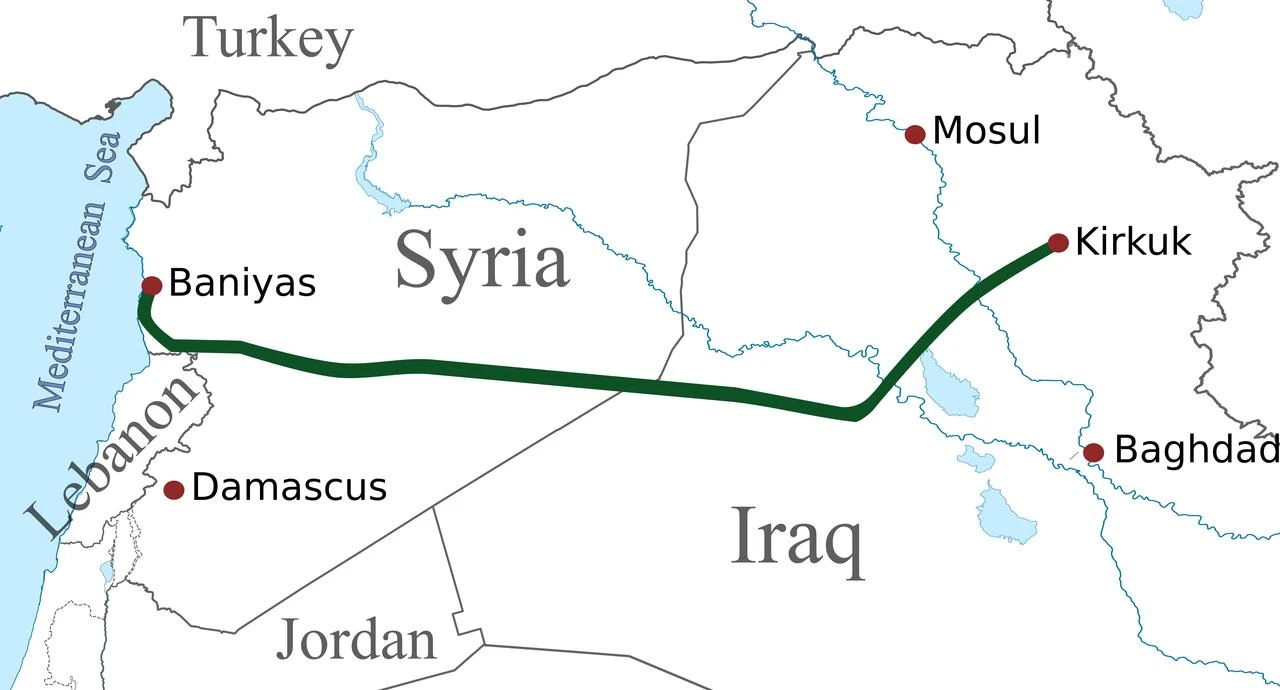
The deals, clinched during the U.S.-Iraq Business Council meeting, also include the revival of the long-idled Kirkuk-Baniyas oil pipeline, which has remained out of service since it was damaged during the 2003 U.S. invasion of Iraq.
Iraq's Basra Oil Company President Bassem Abdul Karim Nasr and Syrian Petroleum Company CEO Youssef Qablawi signed a memorandum of understanding to rebuild and restart the crude oil pipeline linking the Kirkuk oil fields in northern Iraq with Syria's Mediterranean port of Baniyas.
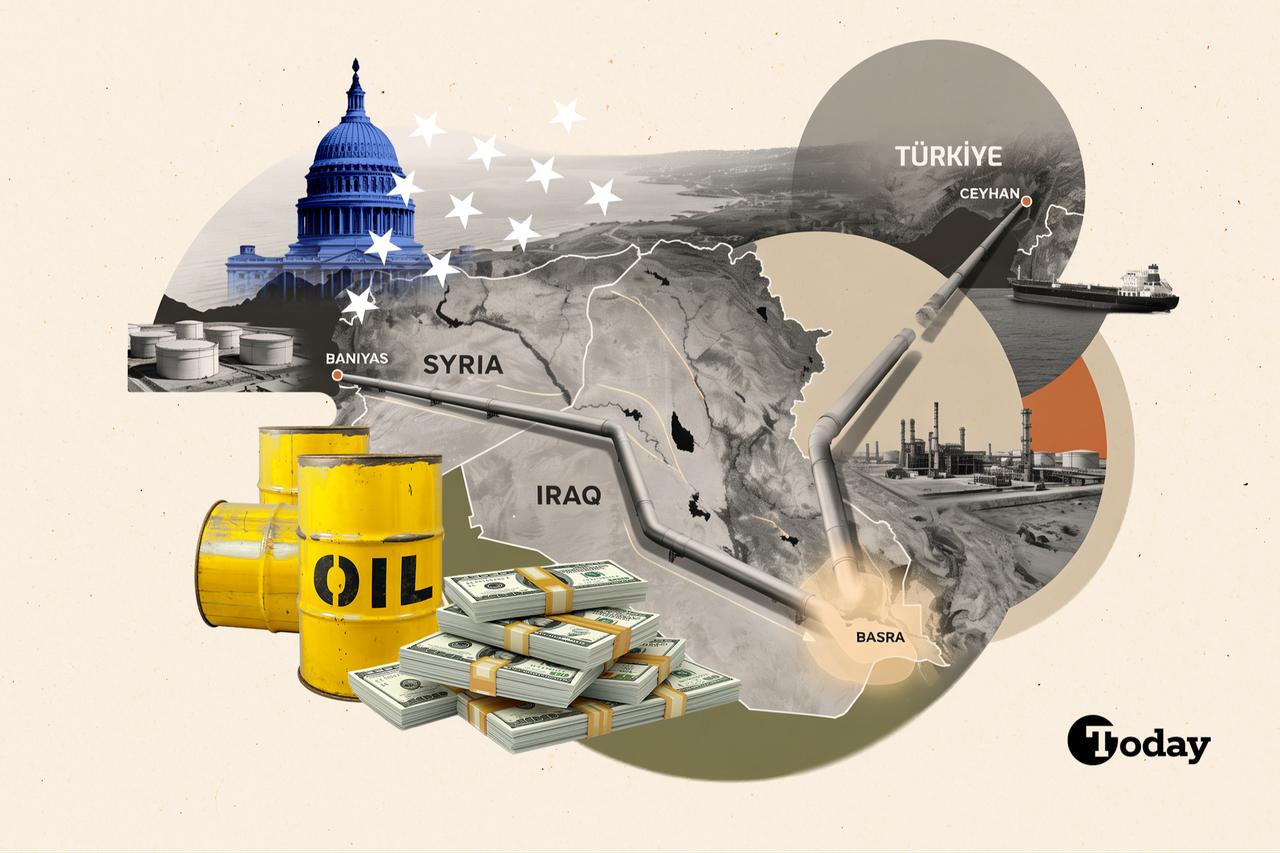
The revived pipeline is intended to provide an alternative export route to the Mediterranean, bypassing the Strait of Hormuz, with an initial capacity of up to 2 million barrels per day.
Earlier reports suggested that the project would be led by U.S. oil major Chevron, whose agreements with Baghdad also advance the company's potential entry into the West Qurna 2 and Nassiriya oilfields.
The U.S. State Department confirmed that a U.S.-led international consortium will oversee the project's technical and financial implementation.
Speaking at the event, U.S. Ambassador to Türkiye and Special Envoy for Syria Tom Barrack said the pipeline agreements could pave the way for a future in which the Strait of Hormuz becomes "secondary" from an energy supply perspective.

Alongside the pipeline project, Iraq's Oil and Electricity Ministries and their affiliated companies signed agreements with U.S. firms including ExxonMobil, KBR, GE Vernova, Shell and Halliburton, while Starlink reached a cooperation agreement with Iraq's Communications and Media Commission to introduce its services in the country.
Additional agreements include a memorandum of understanding between Keysight Technologies and Iraq's private sector, a cooperation agreement with PepsiCo, partnerships in education, pharmaceutical manufacturing and supply, and memorandums with KBR, UOP, Polaris, the Association of Energy Engineers and electronic networking company PPTA.
Two separate agreements were also signed with Frito-Lay to support Iraq's agricultural sector, alongside partnerships with companies operating in agriculture, trade and industry.
U.S. energy company ConocoPhillips also agreed to acquire a 42% stake in BP Energy Company of Kirkuk Limited to support the redevelopment of the Baba and Avanah domes and the Bai Hassan, Jambur and Khabbaz oil fields in northern Iraq.
The Iraqi Prime Minister's Office said the agreements establish a clear framework for economic and financial cooperation between the two countries, elevate bilateral relations to a more advanced level of mutually beneficial partnership, and lay the groundwork for deeper long-term collaboration.


 Set as preferred source
 Set as preferred source


 2 min read
 1 min read