Newsletters


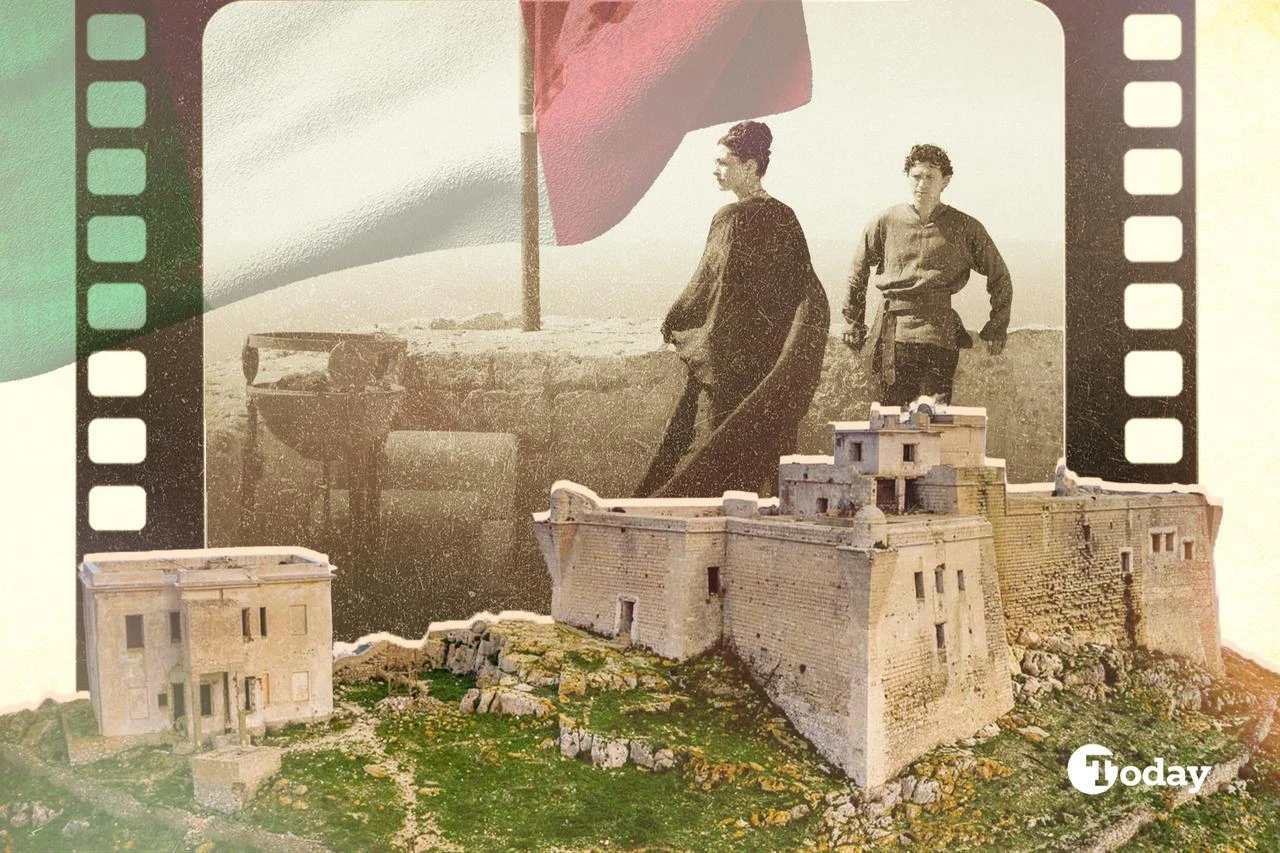


Italy's film and television tourism industry generates around €600 million ($700 million) annually and more than 11 million day visits to screen-famous locations, according to figures Italy's Tourism Ministry shared with Türkiye Today, as Christopher Nolan's "The Odyssey" brings fresh attention to the Sicilian island of Favignana.
The ministry's Cineturismo 2026 briefing shows that tourism linked to films and television series also accounts for around 1.3 million overnight stays directly connected to audiovisual productions each year. The figures, attributed to JFC Tourism & Management, underline how screen tourism has grown into a significant part of Italy's broader visitor economy.
Rather than centering its strategy on individual productions, Italy is increasingly looking at cineturismo, or film-induced tourism, as a way to connect cinema with cultural, natural, food and landscape-based travel.

The ministry said film tourism is becoming increasingly experience-driven, with travelers seeking out places, atmospheres and images they first encountered through films and television series.
According to figures from the Italian Food and Wine Tourism Report included in the ministry's briefing, 29% of Italian travelers have been influenced by audiovisual content when choosing a destination or deciding which experiences to pursue, up four percentage points from 2024.
The trend also overlaps with food and wine tourism. Chianti, Montepulciano and Mount Etna are already identified among prominent Italian examples of set-jetting, a term used for travel inspired by locations seen on screen.
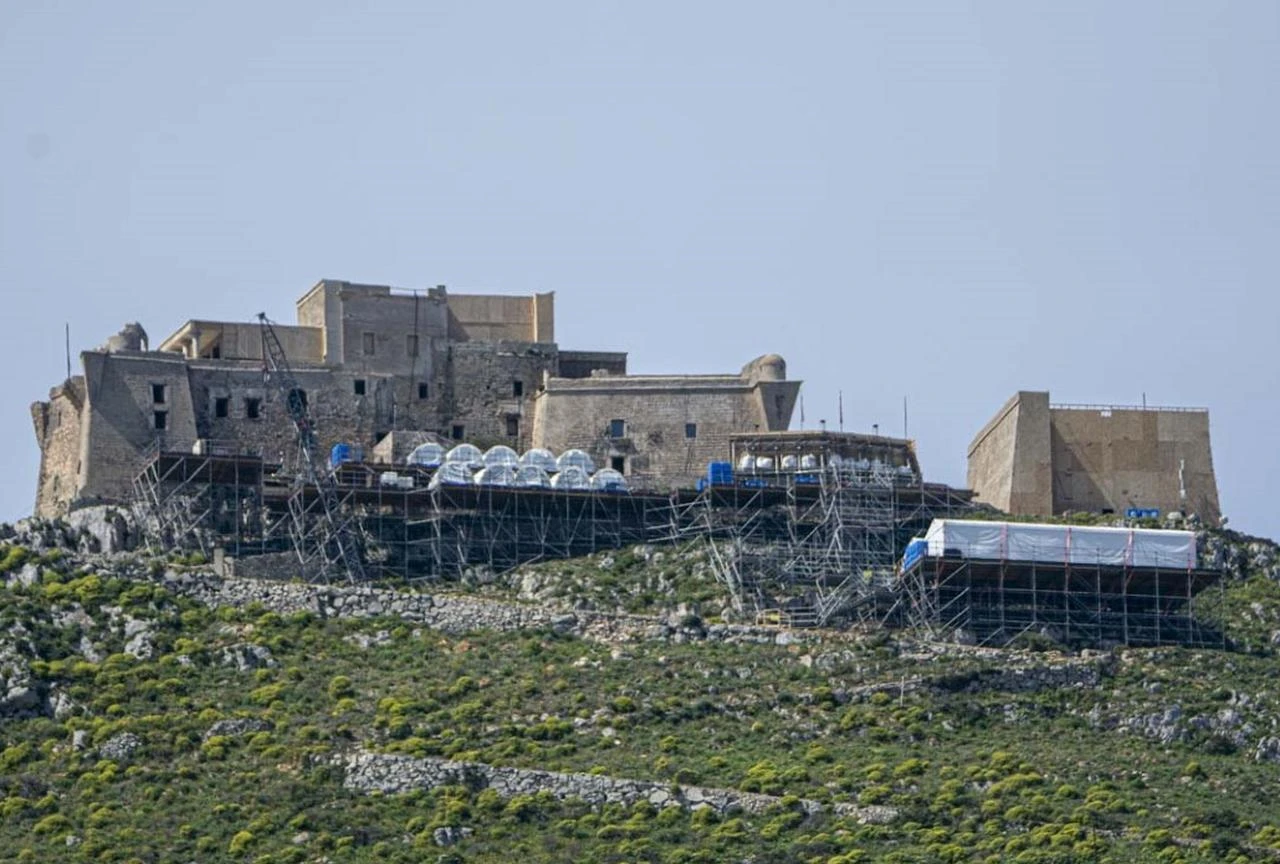
At the same time, the ministry said major international productions can draw attention toward destinations such as Favignana, the Egadi Islands, the Aeolian Islands and Ostia, potentially turning filming locations into tourism attractions in their own right.
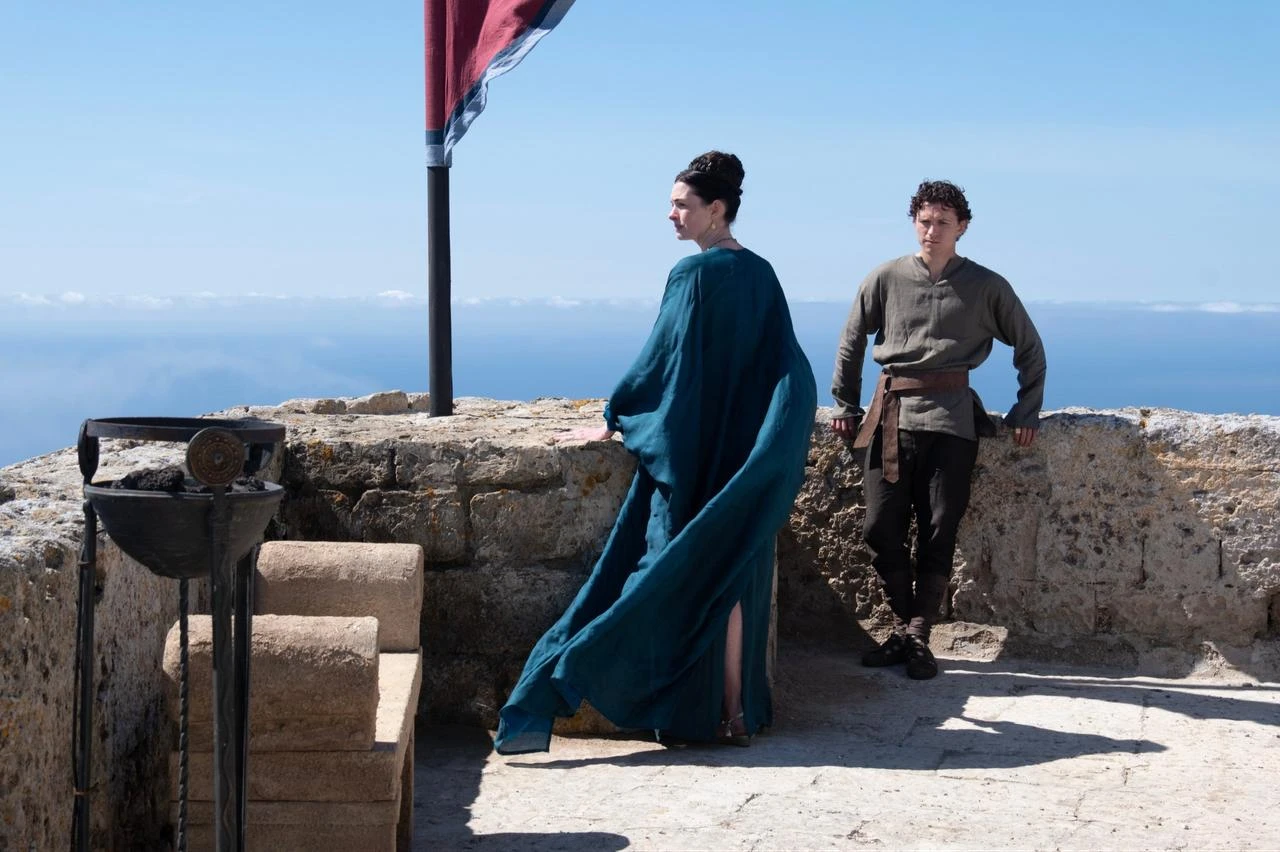
Nolan's "The Odyssey," which reached cinemas in July 2026, has become the latest major example highlighted by the ministry.
Its Italian filming locations are already being discussed through what the ministry described as the "Nolan effect," referring to cinema's capacity to transform places used for filming into destinations sought out by international audiences.
Initial estimates shared by the ministry indicate that Favignana could see tourism capable of generating around $287 million over the next three years, while longer-term projections put potential overall revenues at more than $500 million.
However, the ministry's press office cautioned Türkiye Today against treating those projections as evidence of an already measurable tourism surge, saying The Odyssey had been released too recently for a realistic analysis of visitor flows.
The ministry suggested that regional authorities may eventually be able to provide more localized assessments as additional data becomes available.
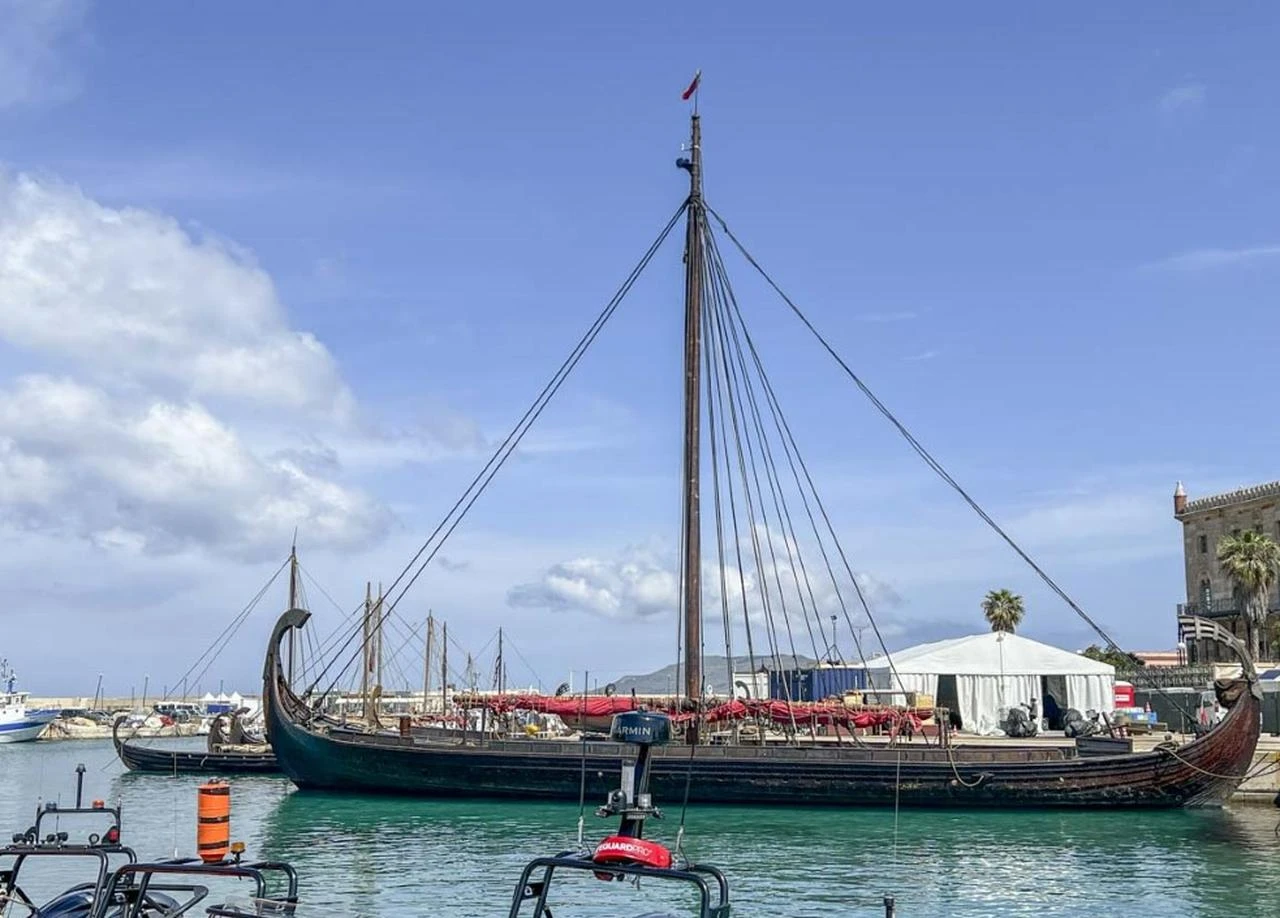
Favignana's tourism profile had already been growing before The Odyssey brought another wave of international exposure.
The island previously hosted Italian productions including I Leoni di Sicilia and Makari, while tourist stays rose by 7% in 2025, with most visits concentrated within five months, according to the ministry's briefing.
The ministry also pointed to Sicily's previous experience with screen-driven tourism through "The White Lotus," which it said generated an estimated €138 million in tourism-related economic activity in Taormina.
Together, the cases show how Italy is looking beyond individual productions and increasingly treating film exposure as part of a broader destination strategy.

The ministry also referred to remarks made by Tourism Minister Gianmarco Mazzi on July 15, reiterating his emphasis on cinema tourism as a policy priority.
Mazzi said film tourism could help Italy bring out its widely dispersed cultural heritage, expand its tourism offer and redirect visitor flows toward destinations that remain outside the country's busiest mass-tourism circuits.
Films, television series and audiovisual productions, he said, can reach millions of viewers around the world, create powerful associations with particular places and turn locations seen in stories into destinations people want to experience themselves.
The ministry therefore wants to use film sets as gateways to lesser-known parts of Italy, particularly villages, inland areas and places with cultural and landscape potential that have not yet been fully integrated into national and international tourism routes.
Mazzi said the approach could help create new travel routes and local development opportunities while spreading visitor flows more sustainably.
The ministry also plans to support promotional content showcasing filming locations alongside their cultural, landscape and food-related attractions.


 Set as preferred source
 Set as preferred source


 2 min read


 1 min read