Newsletters


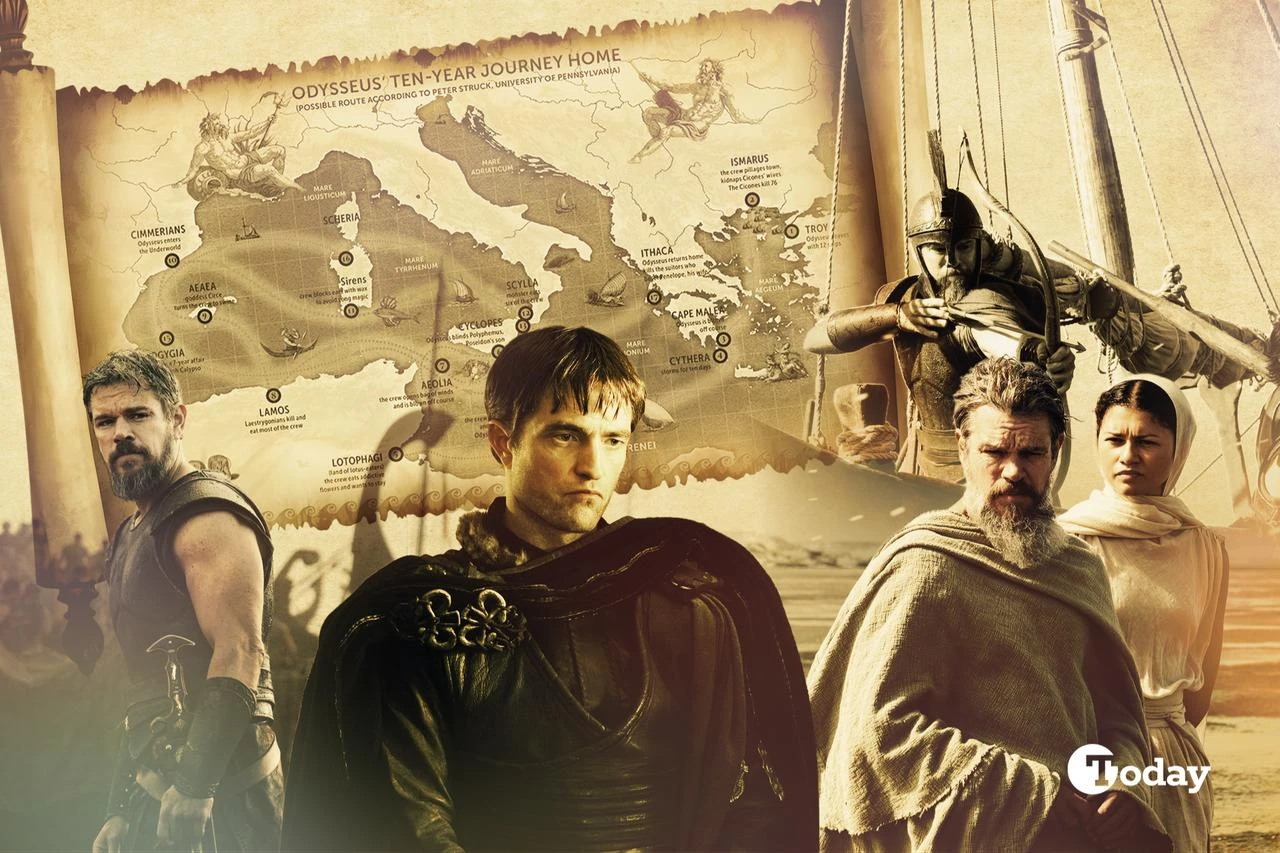


Christopher Nolan's "The Odyssey" could reshape how global audiences encounter Homer and imagine the geography of the ancient Mediterranean, Greek film scholars told Türkiye Today.
Italy's Tourism Ministry said cinema-driven tourism has become a policy priority even though it is still too early to measure the film's effect on visitor flows.
The renewed attention is also reaching western Türkiye, where local researchers, archaeologists, and officials have long pointed to Homer's links with ancient Smyrna, present-day Izmir, and the wider Ionian world.
Eleftheria Thanouli, professor of film theory at Aristotle University of Thessaloniki, said Nolan's film has demonstrated cinema's influence over cultural and historical memory while giving the Homeric poem what she described as a second life.
For many viewers, she said, Nolan's adaptation may become the only Odyssey they ever know, while others have been encouraged to pick up the original poem for the first time or return to it.
"The success of Nolan's film is so unprecedented that it has not only confirmed cinema's tremendous impact on cultural and historical memory but has also given the Homeric poem a second life," Thanouli told Türkiye Today.
"For a considerable section of the audience, however, the film, together with its overwhelming reception, has inspired a return to the original source, either for a first reading or a re-reading, as was the case for me. It seems that Homer's work, like its famed hero, has proven remarkably resilient."

Betty Kaklamanidou, professor of Film and Television History and Theory and vice chair of the School of Film at Aristotle University, approached the debate through adaptation studies and questioned whether fidelity to a source text offers a useful basis for assessing a film.
"I have been following the international discourse surrounding the film with great interest, and I have been impressed by the wide range of perspectives. On the other hand, as an adaptation studies scholar, I would like to underline that the issue of fidelity is not an appropriate basis for discussion," Kaklamanidou told Türkiye Today.
She questioned what an adaptation would actually be expected to remain faithful to: whether location, setting, characters, or the perceived spirit of the work.
"First of all, fidelity to what? To the location, the setting, the characters (especially when many of them are not described in the text), or to the infamous 'spirit' of the work? Who can tell us with certainty what that spirit actually is? We do not have Homer here to tell us what he meant, nor Shakespeare, nor even much more contemporary authors."
Kaklamanidou said each adaptation is instead approached as an autonomous work shaped by both narrative and medium, adding that she has taught for two decades that fidelity is an inadequate criterion for comparative study.
Kaklamanidou also argued that adaptations can reconnect contemporary audiences with works they might otherwise not encounter.
"I would be, and will be, very happy to learn that many people who watch The Odyssey will return to read the original text, which is indeed remarkable. As I also write in the most recent collection I edited on adaptation, for me adaptations function as 'cultural gatekeepers,'" she said.
"In other words, a filmmaking team takes a great text, in this case, a foundational narrative of Greek antiquity, and through it conveys certain contemporary concerns, while at the same time potentially leading contemporary viewers to important works of the past."
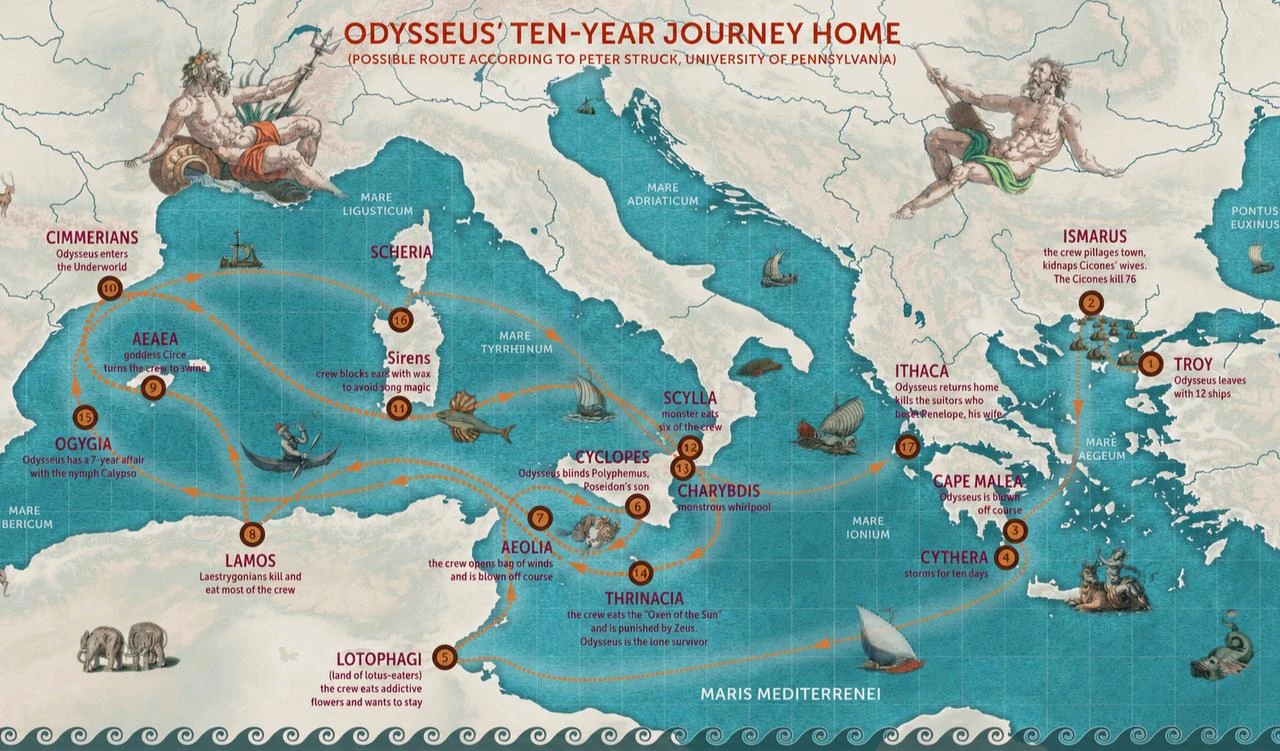
Thanouli said the effects could stretch beyond cultural memory, with interest in destinations across Greece, Italy and elsewhere potentially influencing how today's audiences geographically imagine Odysseus' journey.
"The film's impact on tourism in Greece, Italy, and elsewhere is indeed likely to shape new geographical coordinates for the contemporary version of the Odyssey," she said.
At the same time, Thanouli cautioned against treating that emerging map as an unquestionable historical geography.
"At the same time, we could also hope to raise awareness about the boundaries of mythology and history, on the one hand, and the constantly shifting narratives of the past, on the other. Establishing the 'real' in the case of Homer is itself a daunting enterprise, and one worth exploring more openly."
Kaklamanidou declined to assess film tourism and the geographical references of the Homeric epics because they fall outside her academic expertise but described The Odyssey as a universal work of Greek antiquity belonging to world cultural heritage.
"I should add, however, that I consider The Odyssey a universal work of Greek antiquity that belongs to the world's cultural heritage. Its strength lies in the original text itself and in the way each cinematic adaptation enters into dialogue with its audience."
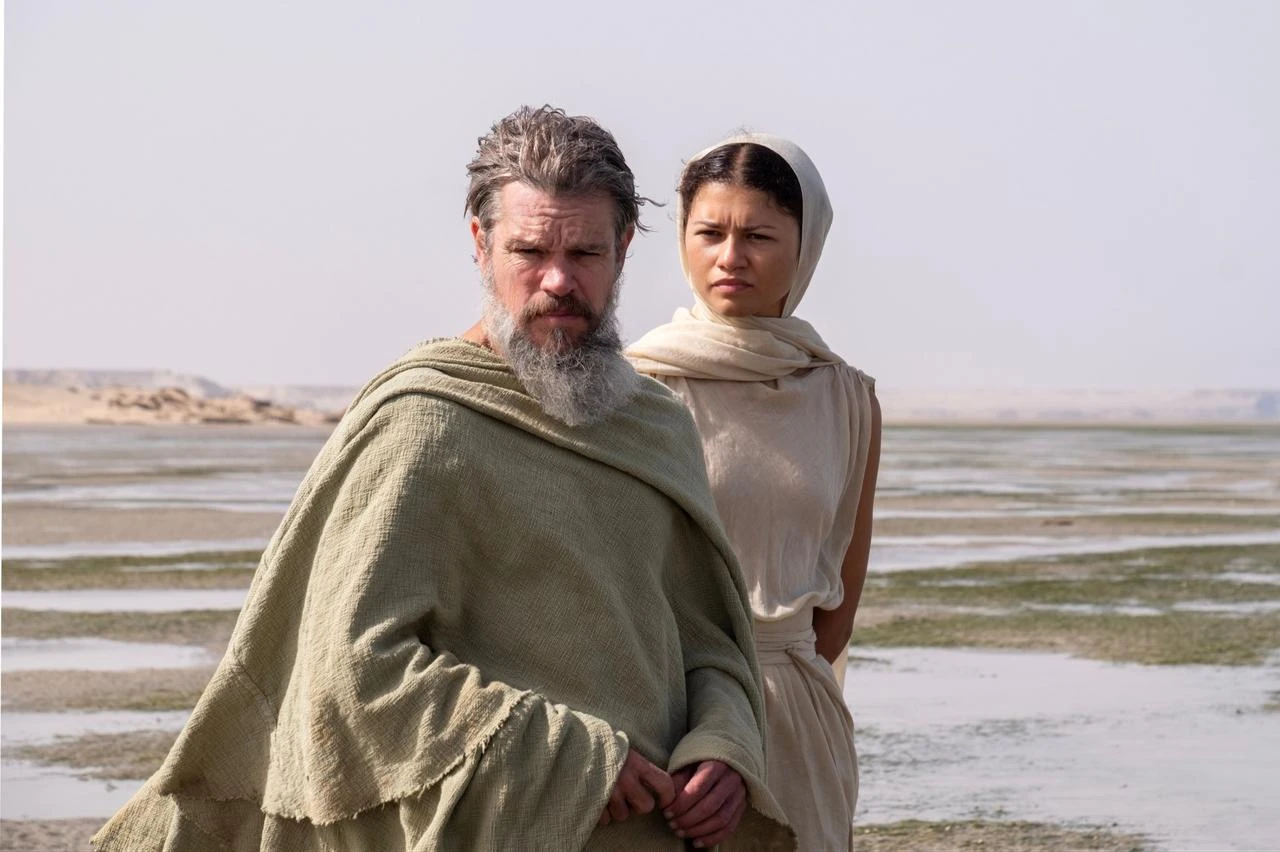
Italy's Tourism Ministry told Türkiye Today that it would not yet be realistic to draw conclusions about changes in tourism flows linked specifically to The Odyssey, saying the film had been released too recently for a reliable analysis.
The ministry's press office suggested that authorities in the regions concerned may have more localized studies, while also pointing to its work on cinema tourism, or cineturismo, the practice of traveling to places associated with films, television productions, and other audiovisual works.
Data shared by Italy's Tourism Ministry with Türkiye Today nevertheless shows the scale that cinema-driven travel has already reached in the country. Citing JFC Tourism & Management, the ministry said tourism linked to films and television series generates around €600 million ($700 million) a year, accounts for about 1.3 million overnight stays directly connected to audiovisual productions, and brings more than 11 million day visits to locations made recognizable through the big and small screens.
The ministry also pointed to an increasingly experience-driven form of travel in which visitors seek out places, atmospheres and images they have previously encountered on screen. According to figures it shared from the Italian Food and Wine Tourism Report, 29% of Italian travelers have been influenced by audiovisual content when choosing a destination or travel experience, up four percentage points from 2024.
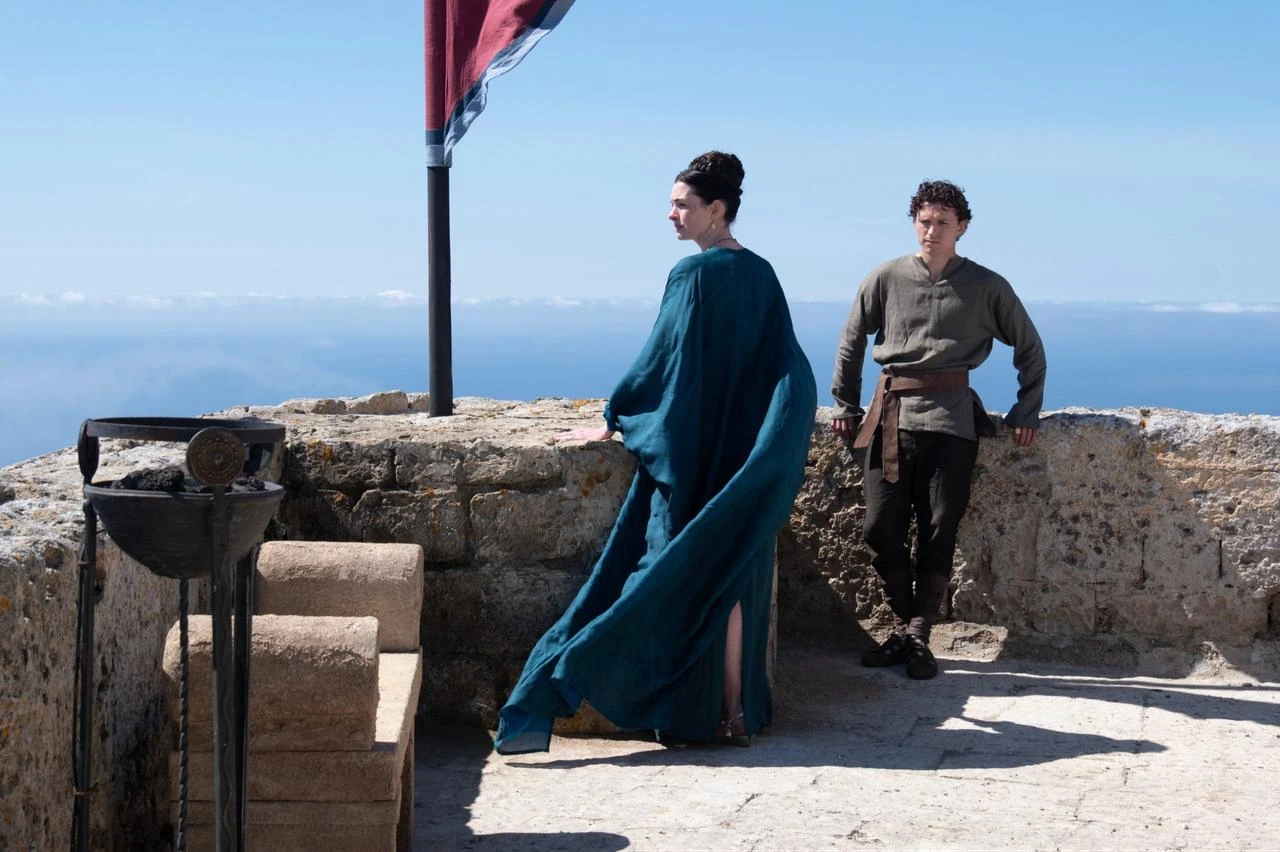
For Nolan's The Odyssey specifically, the ministry said the film's Italian locations are already being discussed in terms of a so-called “Nolan effect,” referring to cinema's ability to turn filming locations into destinations sought out by international audiences. Initial estimates shared by the ministry project that Favignana could attract tourism capable of generating around $287 million over the next three years, with longer-term revenues projected to exceed $500 million.
Favignana already recorded a 7% increase in tourist stays in 2025, according to the ministry's material, while Sicily has previously seen similar screen-driven effects. The ministry cited The White Lotus, which it said generated an estimated €138 million in tourism-related economic activity in Taormina.
The ministry also referred to remarks made by Tourism Minister Gianmarco Mazzi on July 15, reiterating his emphasis on cinema tourism as a policy priority.
Mazzi described film tourism as a tool for highlighting Italy's widely dispersed heritage, broadening the country's tourism offer and directing visitors toward places that receive less mass tourism.
He said films, television series, and audiovisual content can reach millions of people, build powerful images around destinations, and turn the places seen in stories into places audiences want to visit.
The ministry's aim, Mazzi said, is to turn film sets into gateways to lesser-known parts of Italy, particularly villages, inland areas, and locations with strong cultural and landscape potential that have not yet been fully brought into national and international tourism circuits.
According to Mazzi, that approach could open up new routes and local development opportunities while allowing tourism flows to be managed more sustainably. The ministry also intends to support promotional content highlighting filming locations alongside their cultural, landscape, and food-related attractions.
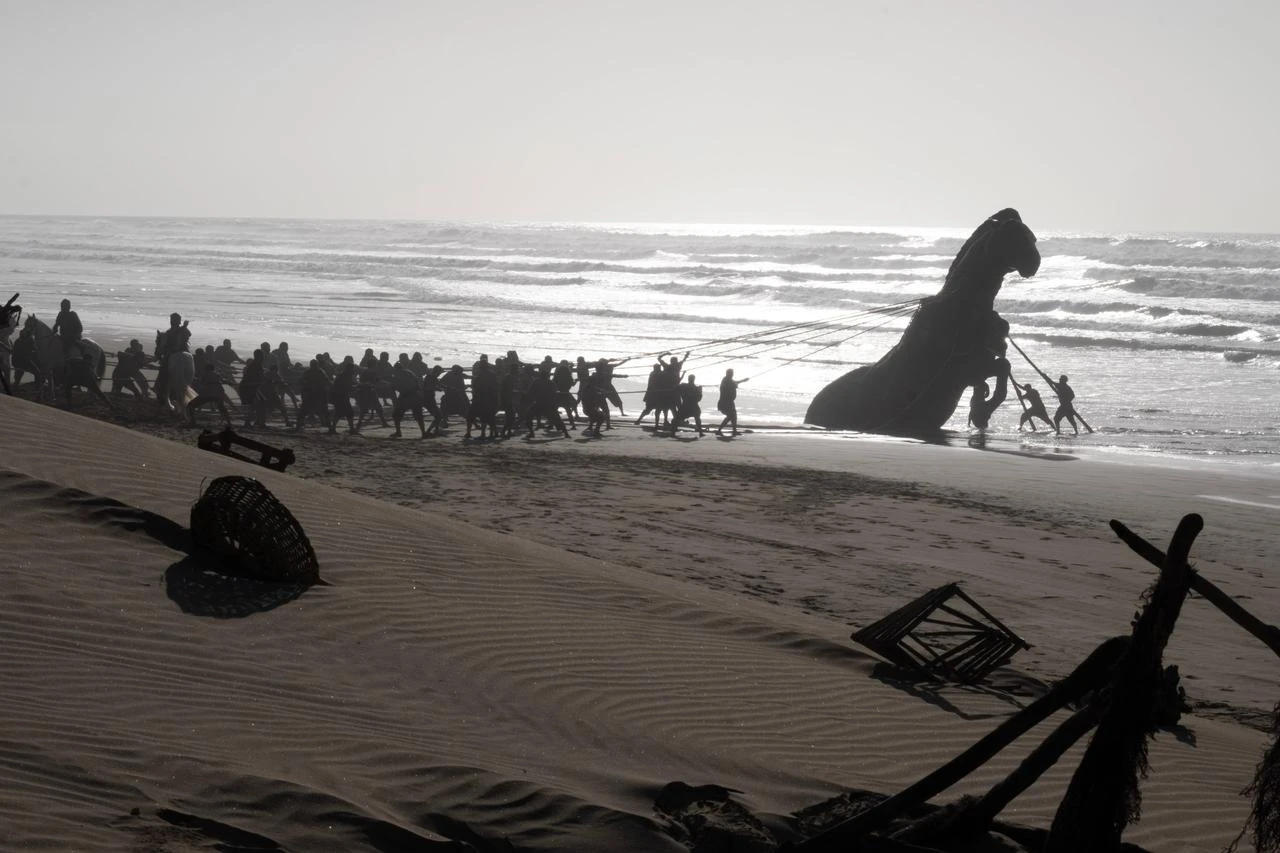
The growing tourism narrative also brings Troy into the discussion.
Located in present-day Türkiye, Troy belongs to the world from which Odysseus' return unfolds after the Trojan War.
Thanouli said interpreting that ancient Mediterranean setting through today's political formations remains difficult because of the enormous distance between the two worlds.
"It is challenging to maintain the necessary distance from the past and consider the enormous discrepancies between the ancient world in the Mediterranean and the current political formations in the region. For better or worse, our narratives about the past are always already shaped by the needs of the present," she said.
She said historians, intellectuals, and public commentators have a responsibility to historicize and contextualize Homer's legacy while bringing out the profound transformations that have taken place over more than three millennia.
"The task to historicize and contextualize the Homeric legacy should fall on the historians, intellectuals, and public commentators, bringing out the immense historical changes that have taken place in the course of over three thousand years. How much of that, however, will affect the average viewer is open to debate."
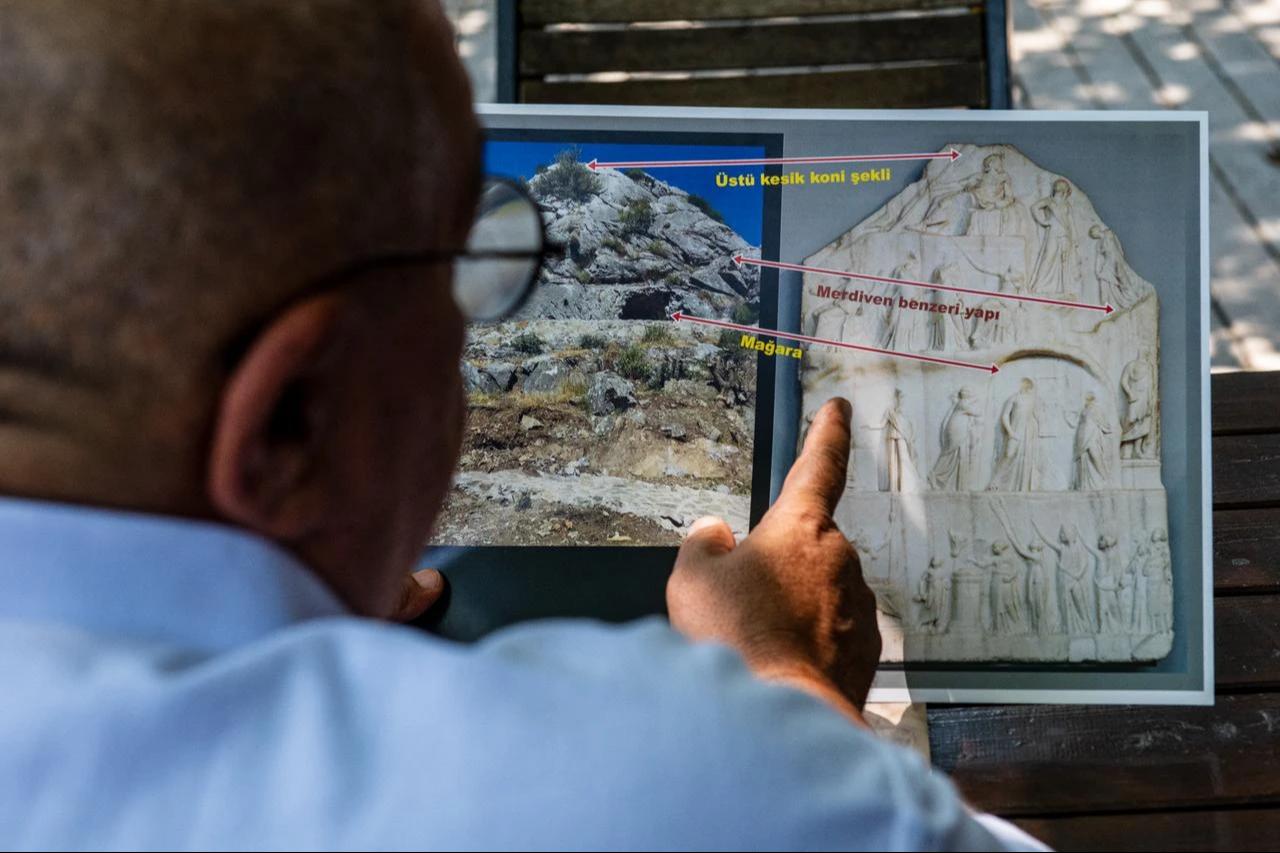
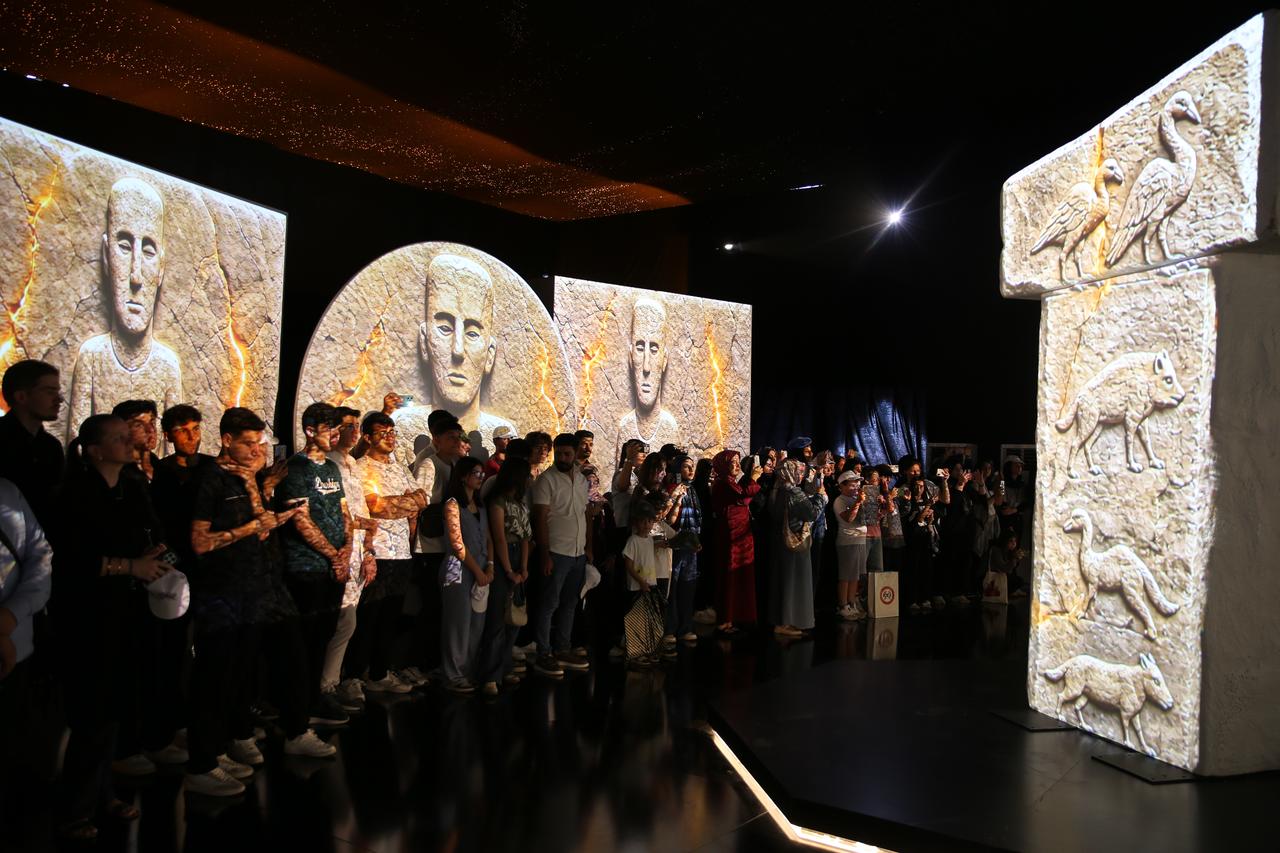
The renewed interest surrounding Homer is also being felt in Türkiye, where ancient Smyrna and the surrounding area have long been associated with the poet.
Speaking to AFP in Bornova, outside Izmir, city historian and author Altan Altin said residents had traditionally called the area "Homer's Valley," while travelers had come from abroad to visit a cave where local tradition holds that Homer composed his poems.
Altin argued that Homer came from the wider Ionian landscape that included Smyrna and Chios, while archaeologist Mehmet Akif Erdem pointed to coins bearing Homer's likeness found in ancient Smyrna as an indication that residents regarded the poet as one of their own.
The film has also coincided with stronger public interest. Mustafa Kocyigit, who runs the Gargantua bookshop in Izmir, told AFP that interest in Homer had picked up and sales of The Odyssey had increased.
Bornova Mayor Omer Eski framed Homer's legacy as a matter of cultural preservation rather than modern ownership.
"Preserving Homer's legacy is a duty we owe to humanity. He is one of the founding fathers of literature," Eski told AFP.
"The stories he tells are about this land. The question is not whether we should claim Homer or not. His story is also ours."
Altin similarly rejected turning Homer's origins into a competition between Türkiye and Greece.
"Homer is 2,800 years old, while the Turkish-Greek border is only a century old," he said.


 Set as preferred source
 Set as preferred source



 1 min read