Newsletters


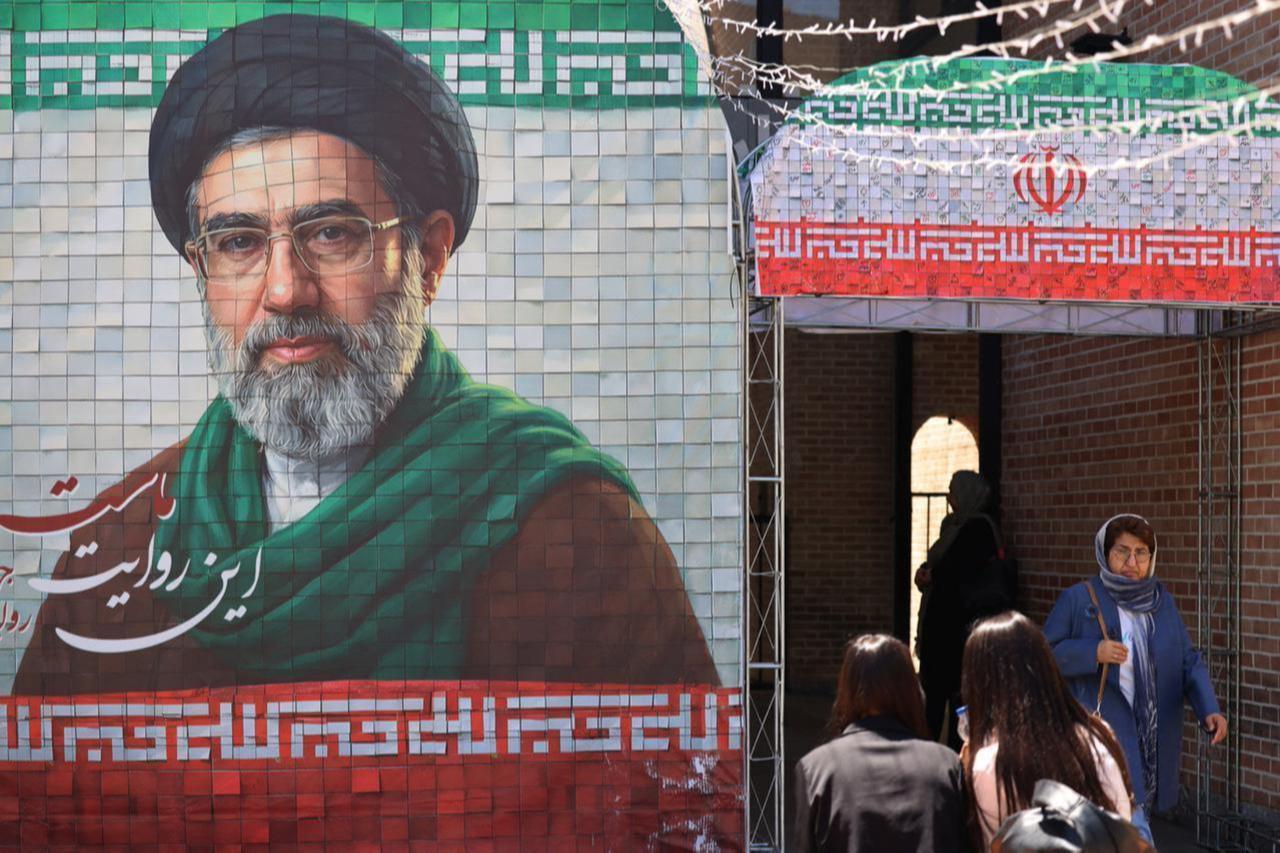


The U.S. Department of Justice is investigating transactions involving companies linked to Iran's Supreme Leader Mojtaba Khamenei, with JPMorgan Chase and Citigroup among the Wall Street banks whose roles are being examined, according to the report.
The inquiry is part of a broader probe into alleged money laundering and corruption tied to business entities associated with Khamenei. Officials are scrutinizing transactions involving firms overseen by Khamenei, while assessing the involvement of American financial institutions in those dealings, a Bloomberg report cited officials familiar with the matter as saying.
Earlier this year, Bloomberg reported that Khamenei had accumulated a wide-ranging international investment portfolio through a network of intermediaries and corporate structures spanning several countries. The reported holdings included luxury real estate in London and Dubai, as well as interests tied to hotels and other commercial assets in Europe.
According to the findings, many of the assets were not held directly in Khamenei's name but were linked to associates and companies operating across multiple jurisdictions. The report described a network that allegedly managed and moved assets outside Iran while maintaining connections to international banking channels.
The report suggested that the investigation remains at a review stage and does not indicate that criminal charges will necessarily follow.
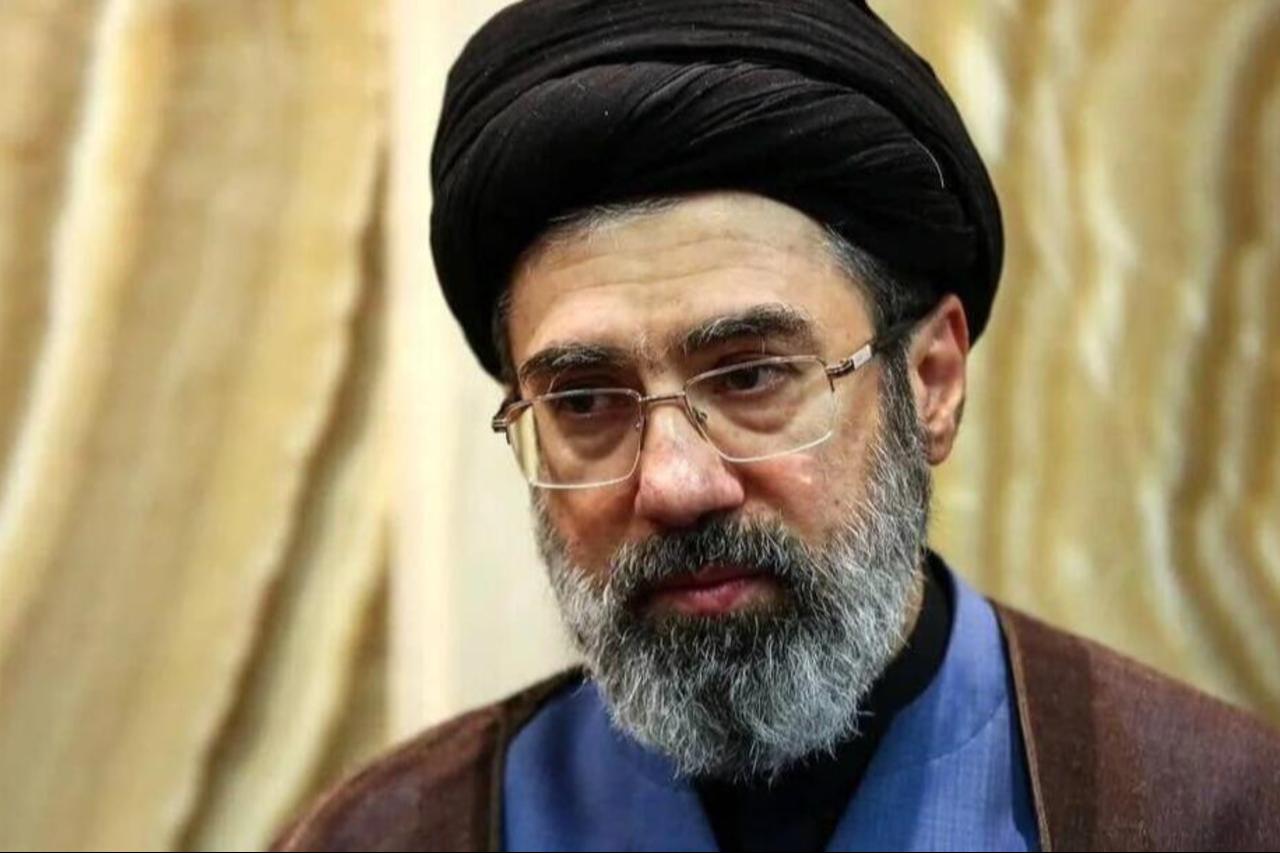

Mojtaba Khamenei, 56, became Iran's supreme leader in March after the death of his father, Ayatollah Ali Khamenei, in a joint U.S.-Israeli airstrike on Feb. 28. He was selected by Iran's clerical body responsible for choosing the country's highest authority when the position becomes vacant.
Before his appointment, Mojtaba Khamenei held no formal government position but was widely viewed as one of the most influential figures inside Iran's political and security establishment. He was believed to wield significant influence through networks linked to the Revolutionary Guards, state-affiliated business groups and financial intermediaries.
Western governments and financial investigators have long accused entities linked to Iran's leadership and the Islamic Revolutionary Guard Corps (IRGC) of relying on complex international networks to keep trade, investment and financial flows moving despite sanctions.
According to U.S. Treasury assessments and court filings over the years, these networks have often operated through front companies, intermediaries, offshore entities and third-country business partners to obscure ownership and the origin of funds. The structures have been used across sectors ranging from energy and shipping to real estate, construction and financial services.


 Set as preferred source
 Set as preferred source


 1 min read
 1 min read