Newsletters


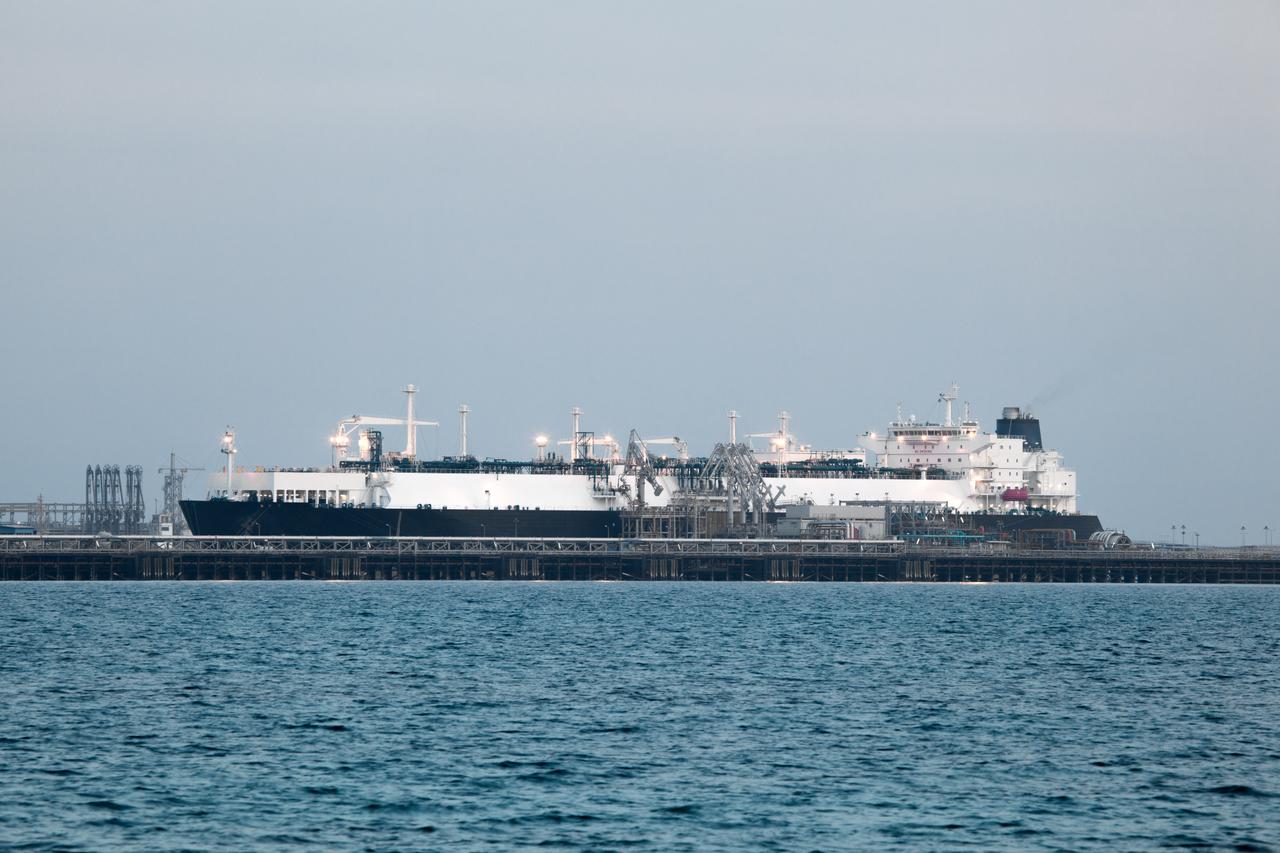


Kuwait recorded zero crude oil exports in April 2026 as the closure of the Strait of Hormuz brought shipments to a complete standstill, the first such disruption since the end of the 1991 Gulf War.
Data shared by the global oil-tracking platform TankerTrackers showed that Kuwait exported no crude barrels during the month, a sharp break from its usual flow of more than 1 million barrels per day, ranking 11th among exporters.
Kuwait kept pumping oil throughout April, but instead of shipping crude, authorities moved part of the output into storage while channeling some into refined products.
Exports of those refined fuels continued in limited volumes, even as crude shipments dropped to zero.
The Strait of Hormuz handles a significant share of global oil and energy shipments, making any interruption immediately felt across markets and supply chains.
Kuwait relies heavily on this route to move its crude to international buyers.

Iran’s Islamic Revolutionary Guard Corps announced on March 2 that the Strait of Hormuz was closed to transit following U.S.-Israeli strikes on Feb. 28.
The U.S. Central Command (CENTCOM) followed through on April 13, launching a maritime blockade targeting vessels entering or leaving Iranian ports.
Despite a brief pause after ceasefires halted strikes on Iran and Lebanon, Tehran agreed to reopen the strait; however, it closed it again after the U.S. refused to lift its naval blockade.
The chokehold has collectively removed 13 million barrels of oil per day since the start of the conflict, according to the International Energy Agency, making it one of the worst energy crises in history.


 Set as preferred source
 Set as preferred source


 1 min read
 1 min read