Newsletters


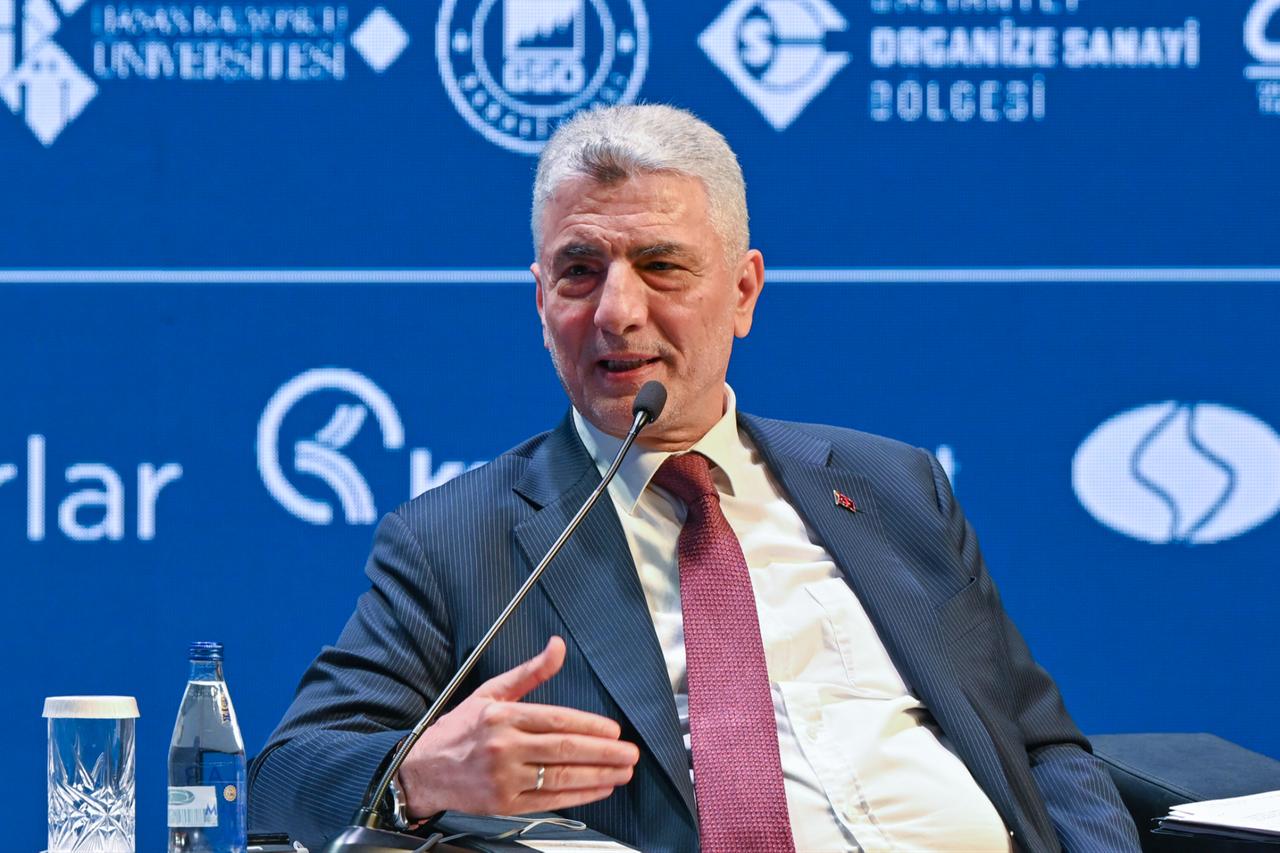


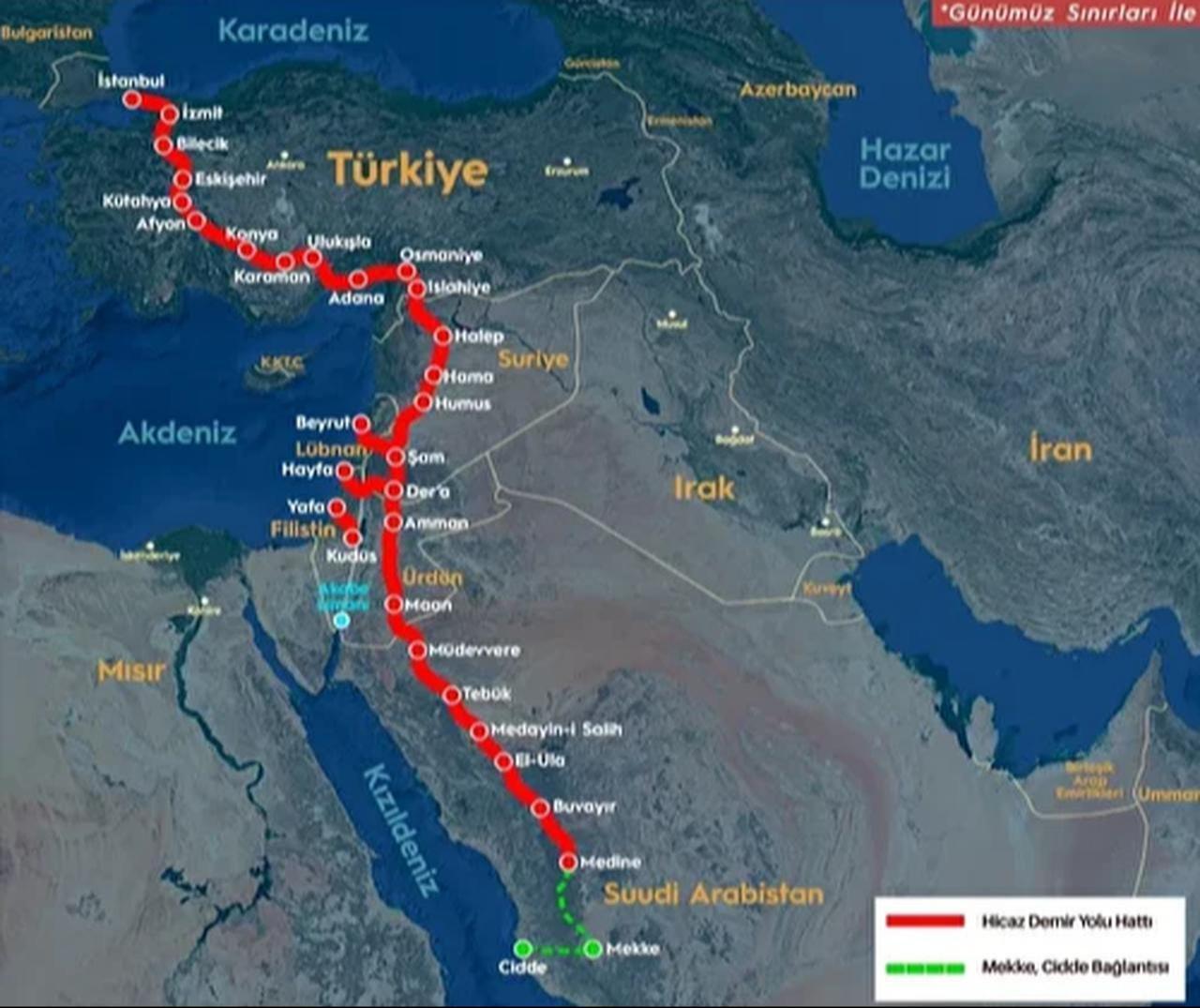
Reviving the historic Hejaz railway and strengthening economic cooperation across the Middle East could help reduce Israel’s influence while bringing greater prosperity and peace to the Middle East, Turkish Trade Minister Omer Bolat said on Tuesday.
Speaking at the AA City Economies Summit in Gaziantep alongside Syrian Economy and Industry Minister Mohammad Nidal al-Shaar, Bolat argued that stronger political and economic coordination among Türkiye, Syria and Gulf states would help reinforce stability and development.
"The reduction of Israel’s influence in the region, together with increased political and economic solidarity among us, will bring economic prosperity, peace and stability to the Middle East, the Gulf and Türkiye’s southern borders," Bolat remarked.
Efforts to revive the historic Hejaz Railway have accelerated since the regime change in Damascus, with Türkiye, Syria and Jordan agreeing to restore parts of the rail network, including missing sections of track, and reopen key transport links.
The initiative is designed to reestablish overland connections between Türkiye, Syria, Jordan and Gulf countries, while Saudi Arabia is separately studying a rail project that could eventually connect the Kingdom with Türkiye through the same corridor.
Adding to that momentum, Transport and Infrastructure Minister Abdulkadir Uraloglu and Saudi Transport and Logistic Services Minister Saleh bin Nasser Al-Jasser signed two memorandums of understanding on Tuesday to expand transport and logistics cooperation between their countries.
The push gained further momentum on Tuesday, as Transport and Infrastructure Minister Abdulkadir Uraloglu and Saudi Transport and Logistic Services Minister Saleh bin Nasser Al-Jasser signed two memorandums of understanding aimed at expanding transport and logistics cooperation.
Bolat presented the railway revival as part of a broader push to deepen economic integration between Türkiye and Syria and expand trade routes across the region. The minister said Türkiye and Syria are aiming to raise annual bilateral trade to $5 billion within two years, up from $3.7 billion recorded last year.
"Our goal is to reach an annual foreign trade volume of $5 billion within a two-year timeframe," Bolat noted. "Reaching $10 billion in trade between Türkiye and Syria in the early 2030s will not be a dream. We have set that as a target."
He added that Türkiye has been rapidly supplying products needed for Syria’s reconstruction and rehabilitation efforts and expects trade to grow further as Syrian agriculture and industry recover.

Bolat also announced that Türkiye and Syria have reached an understanding on allowing Turkish banks to open branches in Syria, calling the move an important step toward rebuilding financial ties between the two countries.
He explained that Syrian authorities are revising banking regulations, while the two countries' central banks remain engaged on technical and regulatory issues. Contacts are also continuing on the printing of Syria's national currency.
Türkiye's state lenders are expected to play a leading role in restoring Syria's financial sector, with Ziraat Bank seen as the first institution likely to establish operations in the country. Chief Executive Alpaslan Cakar said in late December that the bank had formally expressed its intention to enter the Syrian market and was closely tracking the process with Syrian authorities.
Beyond banking, Bolat pointed to ongoing negotiations over a joint industrial zone in border areas as part of wider efforts to expand trade and investment.
He recalled that Türkiye lifted restrictions on exports, imports and transit trade with Syria shortly after the fall of the Assad regime and has since coordinated with business groups and chambers of commerce in border provinces to strengthen commercial links.
Bolat further indicated that preparations have been completed for the reopening of additional border crossings, including Islahiye, while Türkiye stands ready to activate the Nusaybin-Qamishli crossing once Syrian authorities approve the move.
The two sides have meanwhile concluded agreements covering customs cooperation, investment, transportation, technical assistance and institutional capacity building, while exploratory discussions continue on a comprehensive economic cooperation framework.


 Set as preferred source
 Set as preferred source


 1 min read
 1 min read