Newsletters




Natural gas prices in the United States and Europe continued to rise on Monday, driven by cold weather, falling storage levels, and reliance on imports that are putting pressure on energy markets.
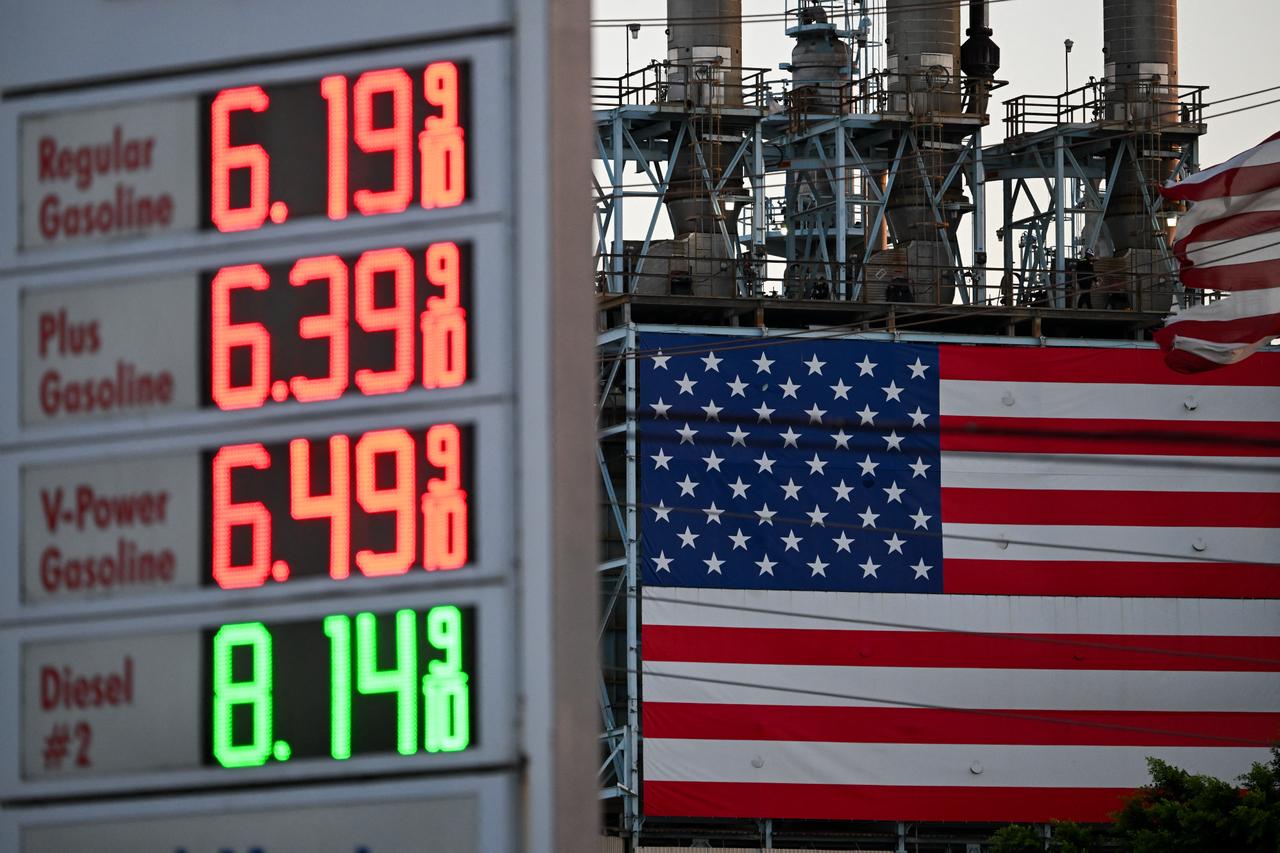
In the United States, Henry Hub February futures jumped nearly 18% to $6.22 per million British thermal units (MMBtu), the highest level since 2022, bringing the year-to-date gain to 70%.
In Europe, Dutch Title Transfer Facility (TTF) prices rose 7.4% to €43 ($50.93) per megawatt hour, the highest intraday level since April 2025, marking a 40% gain since the start of the year.
The surge in European gas prices has been fueled in part by declining storage levels across the region. According to the Swiss Federal Office of Energy (SFOE), gas storage levels in Europe fell by 0.6 percentage points to 45.59%, well below the five-year average of 61%, analysts at ING noted. "Europe has been experiencing colder-than-usual weather recently," the analysts wrote, stressing that the recent cold spell has intensified concerns over supply security.
In the United States, energy infrastructure is under pressure as winter storms sweep across the country. Nearly half of all U.S. states have declared weather-related emergencies. Despite rising demand, data from the U.S. Energy Information Administration (EIA) shows gas inventories remain strong, up 4.8% year-on-year and 6.1% above the five-year average as of Jan. 16, ING analysts pointed out.
"This suggests the market's strength should be relatively short-lived, assuming no prolonged disruptions once we get to the other side of this storm," ING's report argued, adding that any extended impact on infrastructure or a sustained period of cold could alter that outlook.

Amid rising prices and geopolitical concerns, the European Union on Monday formally adopted new rules to phase out Russian natural gas imports. The regulation—unanimously approved by all 27 EU member states—targets both pipeline gas and liquefied natural gas (LNG).
Under the new framework, imports of Russian gas will be banned in stages. A full LNG ban will take effect in early 2027, while pipeline gas imports will be prohibited starting in autumn of the same year. A six-week transition period will follow the regulation's entry into force to minimize market disruptions.
The new rules require EU member states to verify the origin of imported gas before allowing entry and obligate companies to report any remaining contracts involving Russian gas to national authorities and the European Commission.
Non-compliance will incur substantial penalties. Individuals could face fines of at least €2.5 million (approximately $3 million), while companies could be fined €40 million ($47.5 million) or up to 3.5% of global annual turnover.


 Set as preferred source
 Set as preferred source


 2 min read
 1 min read