Newsletters





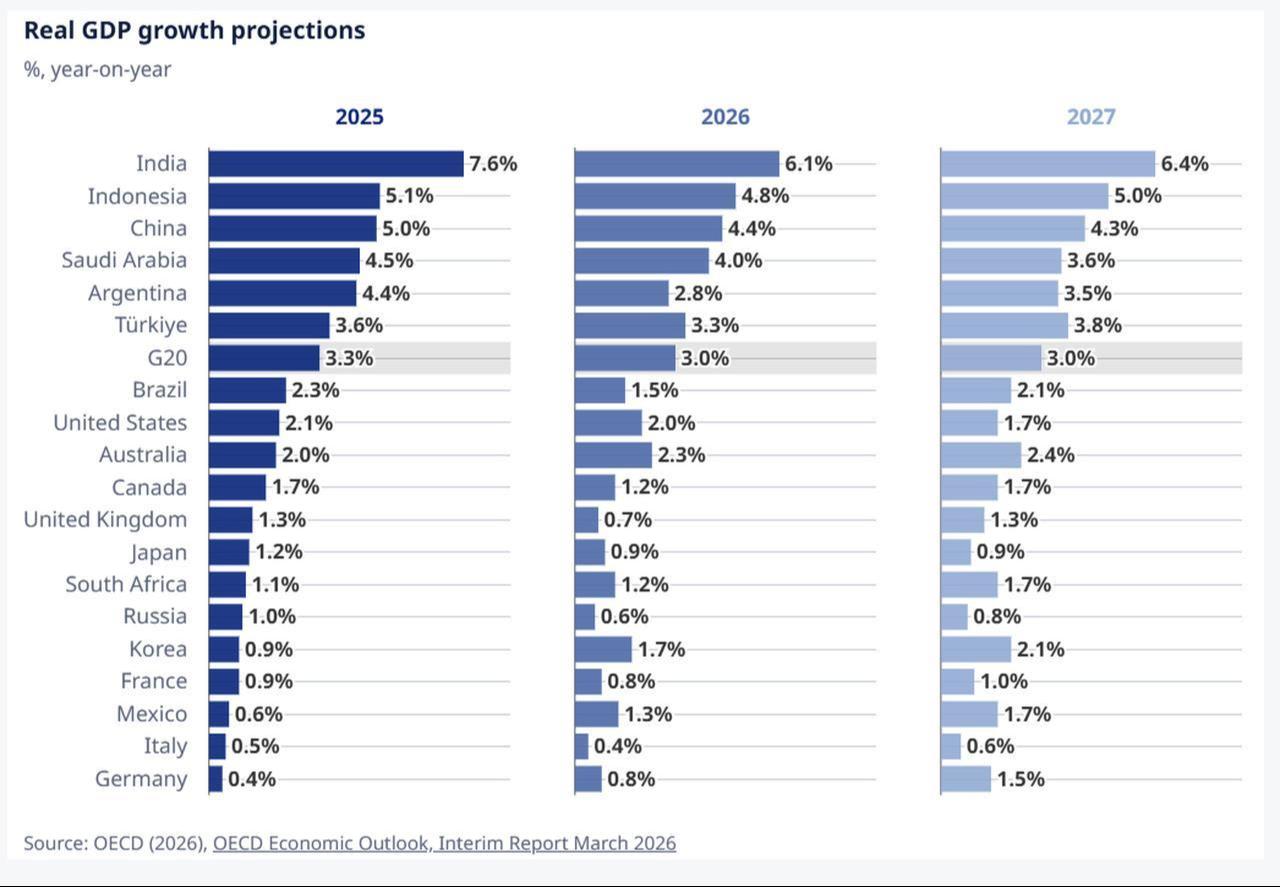
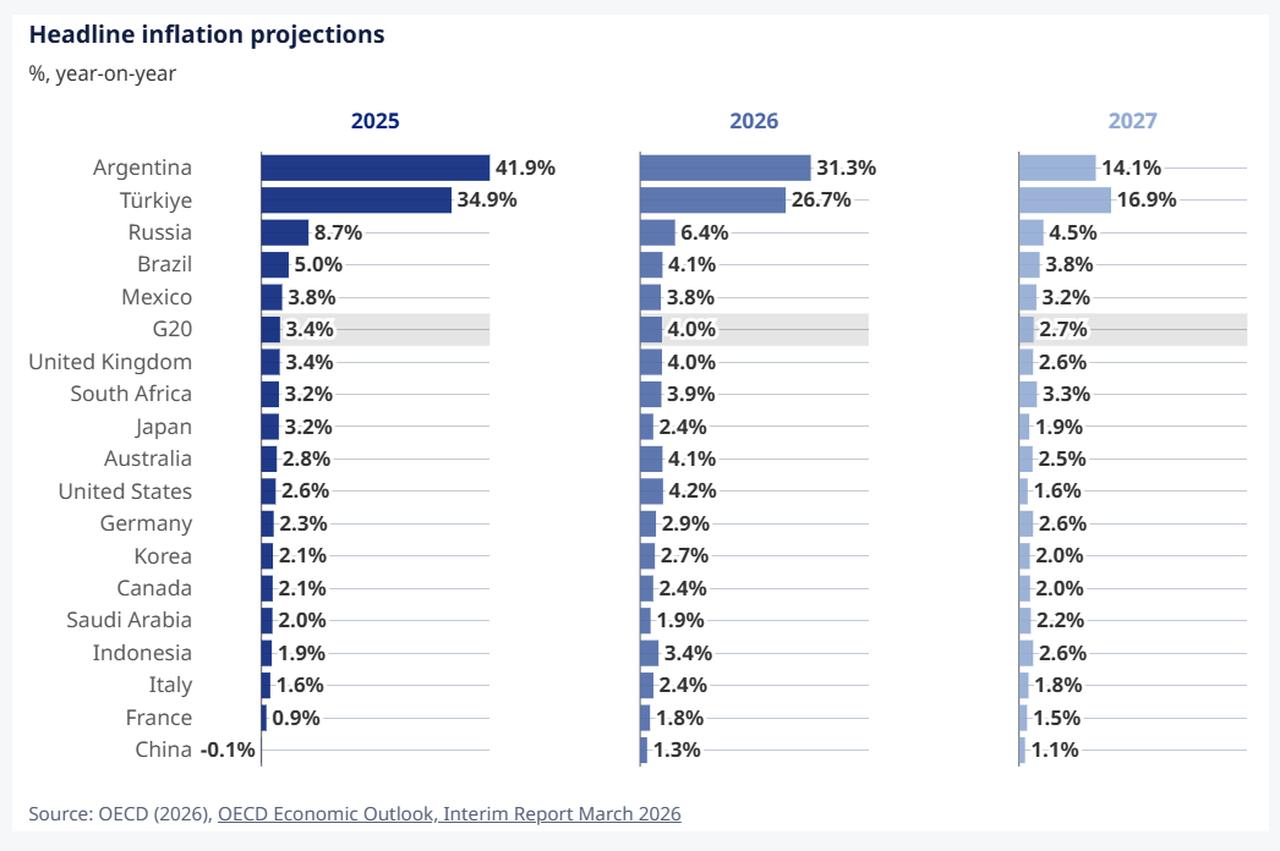
The Organization for Economic Cooperation and Development (OECD) slightly lowered its 2026 growth projection for Türkiye to 3.3% from 3.4% and raised its inflation forecast to 26.7% from 20.8%, driven by surging energy costs amid the Iran war.
The economy is expected to regain momentum to 3.8% in 2027, while inflation is projected to ease further to 16.9% despite short-term pressures. Core inflation, which excludes food and energy prices, is also expected to follow a similar path, reaching 26.2% in 2026 before declining to 16.9% in 2027.
As an energy-importing country, Türkiye remains exposed to rising global energy prices, which continue to feed into domestic inflation, the organization said in its March 2026 interim Economic Outlook report. At the same time, the OECD indicated that changes in U.S. trade tariffs have had a more limited impact on Türkiye compared to some other emerging economies, including China and India.
Türkiye’s economy grew 3.7% in 2025 to reach $1.6 trillion, driven by strong household demand and capital investment, according to official data.
The OECD kept its global growth forecast for 2026 unchanged at 2.9% but lowered its 2027 projection to 3%, as tensions in the Middle East continue to disrupt energy markets and global trade flows.
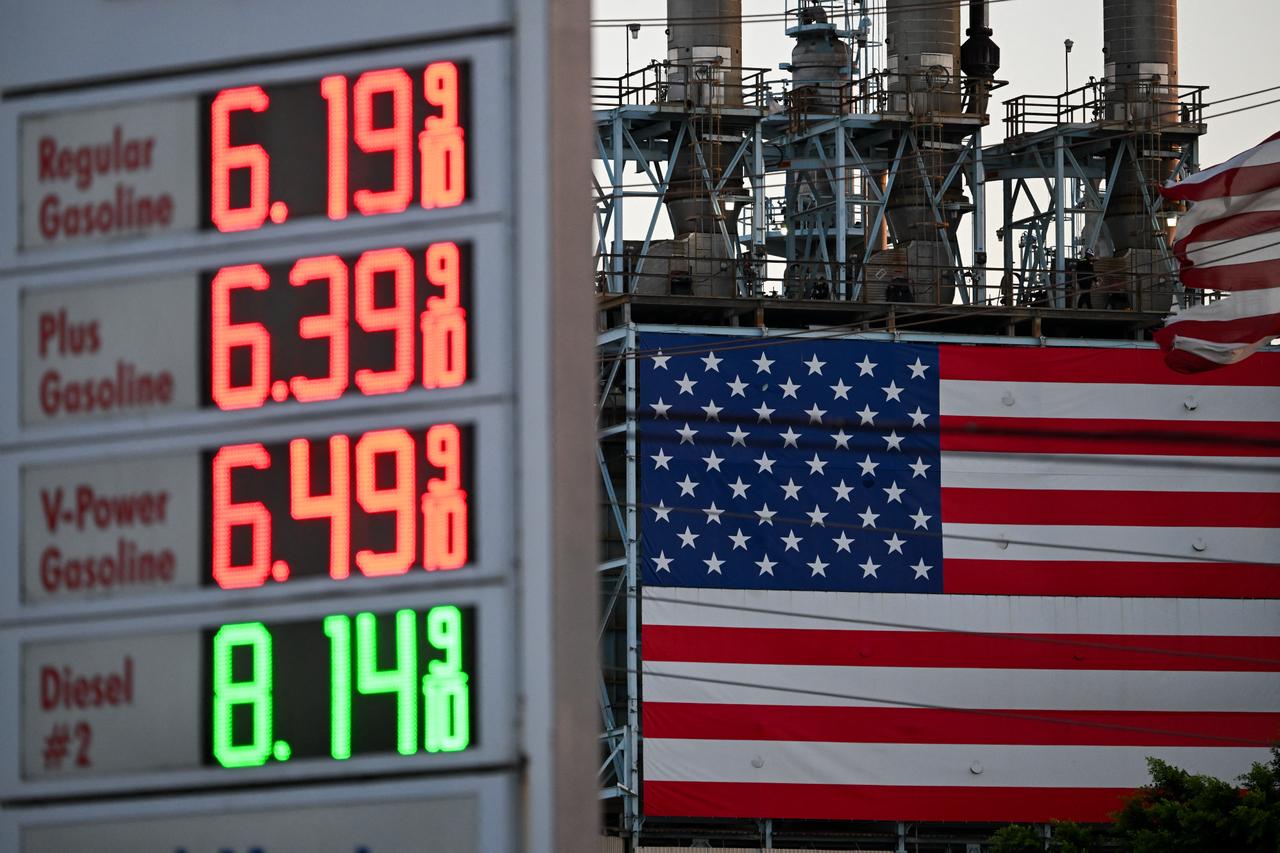
According to the report, near-halted shipments through the Strait of Hormuz and damage to regional energy infrastructure have triggered sharp increases in energy prices, disrupted the supply of key commodities, and added to volatility in global financial markets.

The organization said the scope and duration of these disruptions remain highly uncertain, warning that persistently elevated energy prices could increase production and transportation costs, placing additional strain on businesses and feeding into broader inflationary pressures.
Despite holding steady for 2026, global growth is still expected to slow compared to 3.3% recorded in 2025, reflecting tighter financial conditions and ongoing geopolitical risks.
 Breaking News, Direct to You.
 Follow Türkiye Today on WhatsApp
for real-time updates and key insights from Türkiye and beyond.
Follow Türkiye Today on WhatsApp
for real-time updates and key insights from Türkiye and beyond.
Inflation across G20 economies is projected to reach 4% in 2026, marking an increase of 1.2 percentage points from previous estimates, before easing to 2.7% in 2027 as energy-related pressures gradually subside.
The OECD noted that several major economies, including the United States, the United Kingdom, Brazil, and Mexico, continue to experience inflation rates above target levels. In this environment, the organization said central banks should remain cautious and maintain policy discipline to ensure inflation expectations remain anchored.
The outlook assumes easing energy prices but warns that prolonged supply disruptions could derail projections. If prices rise by around a quarter and stay elevated, global growth could fall by 0.5% within two years, with inflation rising by up to 0.9 percentage points.
It also warned that prolonged disruptions to energy exports from the Middle East could push prices higher than anticipated, intensify supply constraints in critical commodities, and further fuel inflation, while weighing more heavily on global economic growth.


 Set as preferred source
 Set as preferred source


 1 min read
 1 min read