Newsletters




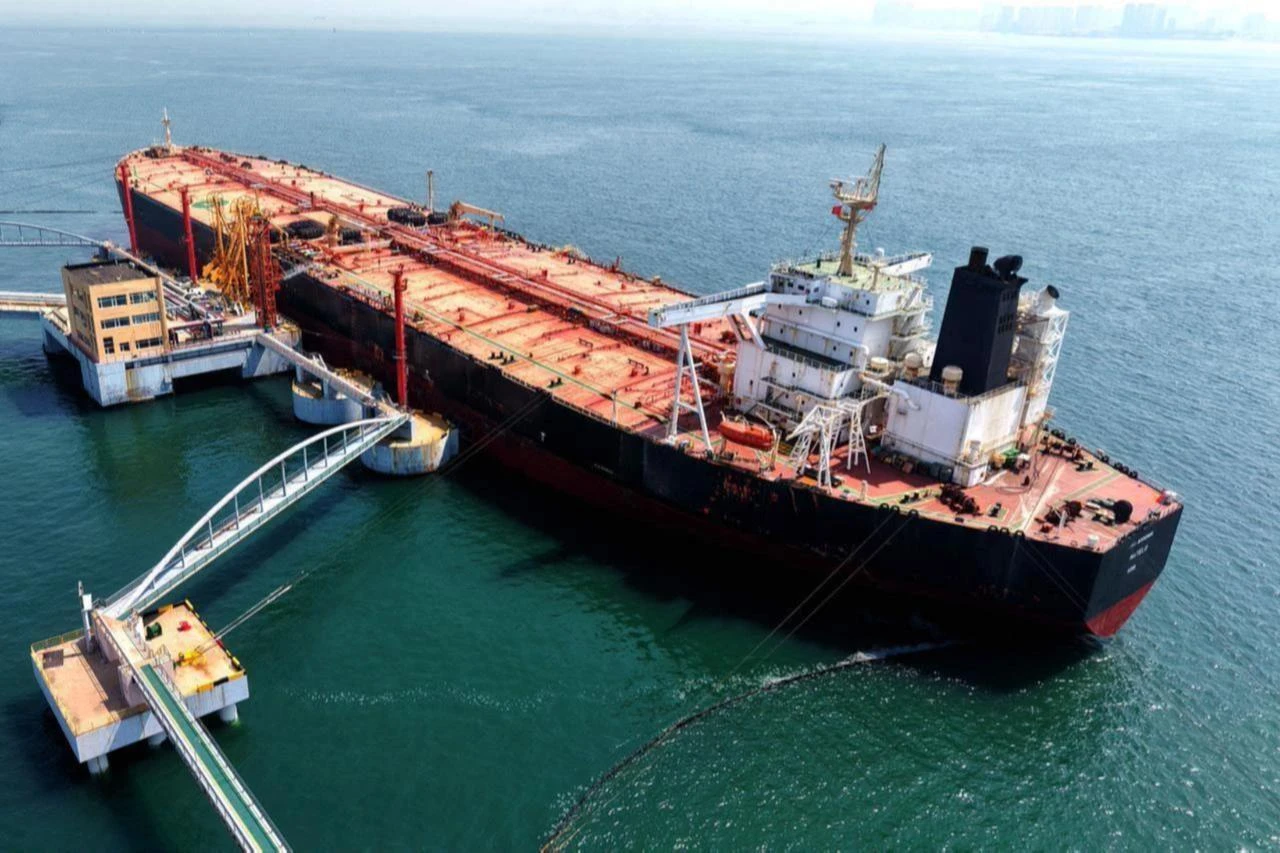
The Strait of Hormuz has been effectively closed for over two months. Fatih Birol, the International Energy Agency's (IEA) director, isn’t prone to hysteria, yet his warning to the French newspaper Le Figaro was stark: this isn't just another oil shock. It is 1973, 1979, and 2022 combined—and it’s worse.
Iran and Washington remain nowhere near a deal. And yet here we are, with Brent hovering around $107 and WTI just above $100, markets making fresh crisis-era peaks while equity indices approach all-time highs. Rory Johnston, founder of Commodity Context, called it the "sanguine strait stoppage" on the ARC Energy Ideas podcast last week. The word "sanguine" is doing a lot of work in that sentence.
So why aren't prices higher? It's a question that sounds like it should have a conspiratorial answer—government meddling, coordinated suppression, someone pulling levers behind a curtain. Japan's Finance Ministry did in fact quietly sound out major Tokyo banks in March about possible crude futures intervention, in language that Finance Minister Satsuki Katayama framed as taking "all possible measures at all times and on all fronts."
The U.S. Treasury was reportedly having similar conversations before Scott Bessent publicly denied it. But while financial intervention might move futures prices, it can't explain the recent fall in spot prices, the price refineries are actually paying for physical delivery right now. Something structural is keeping the physical market from breaking.

Before asking why prices aren't higher, it is worth pausing on just how catastrophic the administration expected this to get—and how casually they admitted it.
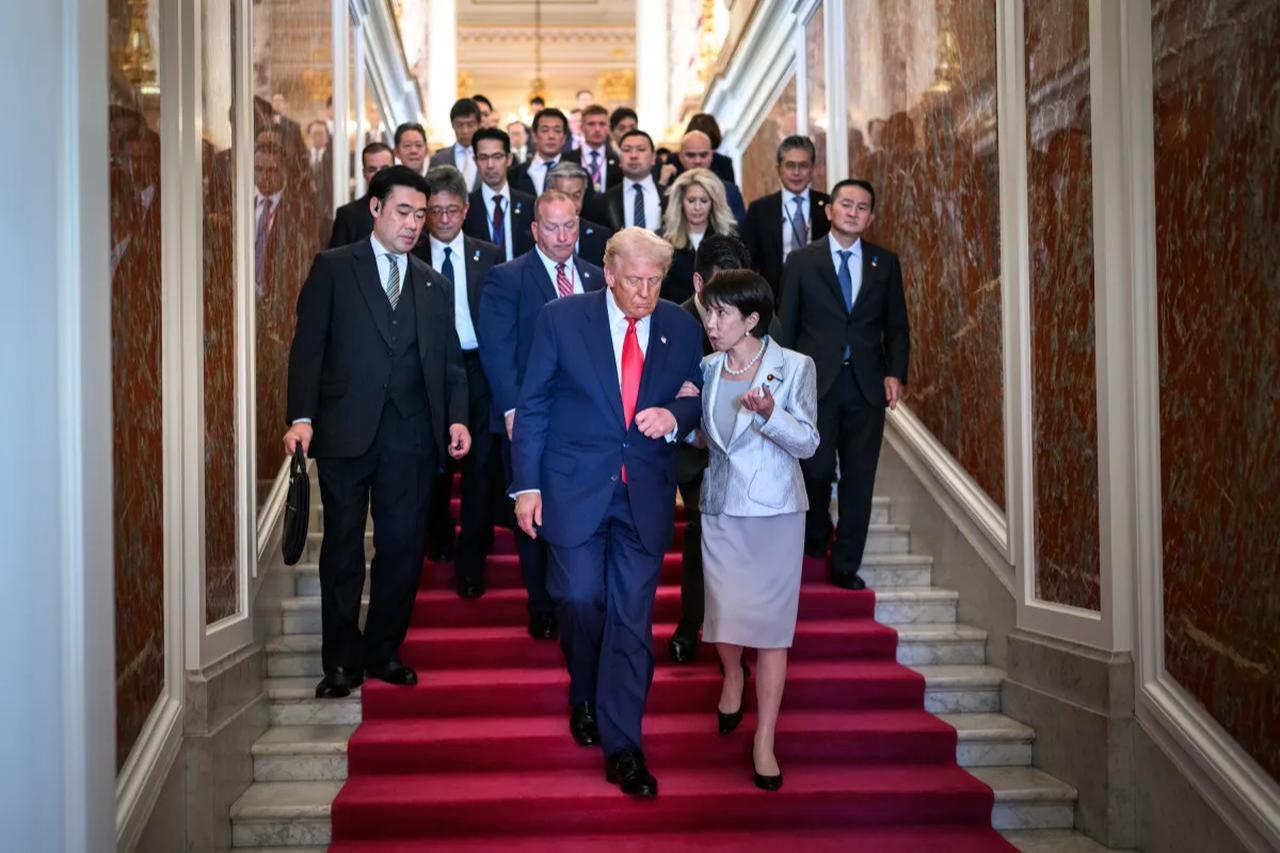
Speaking at the White House, Trump acknowledged he braced for oil to skyrocket to $200 or $250 a barrel, and for the stock market to plunge 20% to 25%. These, he shrugged, were risks he was willing to accept for regime change in Iran.
The numbers he cited were not invented. Washington was stress-testing and had been running exactly those scenarios. Wall Street simulated that $200-plus oil, implying $7 or $8 at the pump, a return to 7%–9% inflation, and equity carnage as higher energy costs crushed profit margins across airlines, retailers, automakers, and technology.
The response was accordingly serious. The U.S. released 53 million barrels from the Strategic Petroleum Reserve as part of a coordinated international effort to stabilize markets. Japan moved in two tranches—30 days' worth of national reserves released in late March, followed by an additional 20 days' worth from May.
Türkiye's Energy and Natural Resources Minister Alparslan Bayraktar announced the release of 11.6 million barrels from Turkish strategic reserves in coordination with the IEA's broader emergency stock decision. The fact that prices have hovered around $100 rather than $200 is, in part, a direct consequence of those releases—though they are far from the whole story, and they are not infinite.
There are five distinct shock absorbers at work, and taken together they form a picture of an energy system that has quietly become more resilient than it was the last time someone tried to strangle it.
The most visible is the rerouting of Persian Gulf exports through alternative pipelines. Saudi Arabia has been pushing roughly 3 million barrels per day through the Yanbu port on the Red Sea via its East-West pipeline.
The UAE has redirected about 1.5 million barrels per day through Fujairah on the Gulf of Oman via its ADCO pipeline, which is a bypass specifically built for this eventuality. Iraq, with far fewer options, has been moving around 300,000 barrels per day overland through its pipeline to Türkiye.
All told, rerouting capacity absorbs perhaps 5 million barrels of the roughly 20 million that normally transit the Strait daily, barely narrowing the gap but is still meaningful.
Then there is the trickle still getting through. Bloomberg tanker-tracking data shows traffic down about 90% since the war began, but around four ships per day are still making passage, representing perhaps a million barrels. Combine that with pipeline rerouting and the actual shortfall drops to something closer to 14 million barrels per day. Still a number that should be causing structural economic collapse.
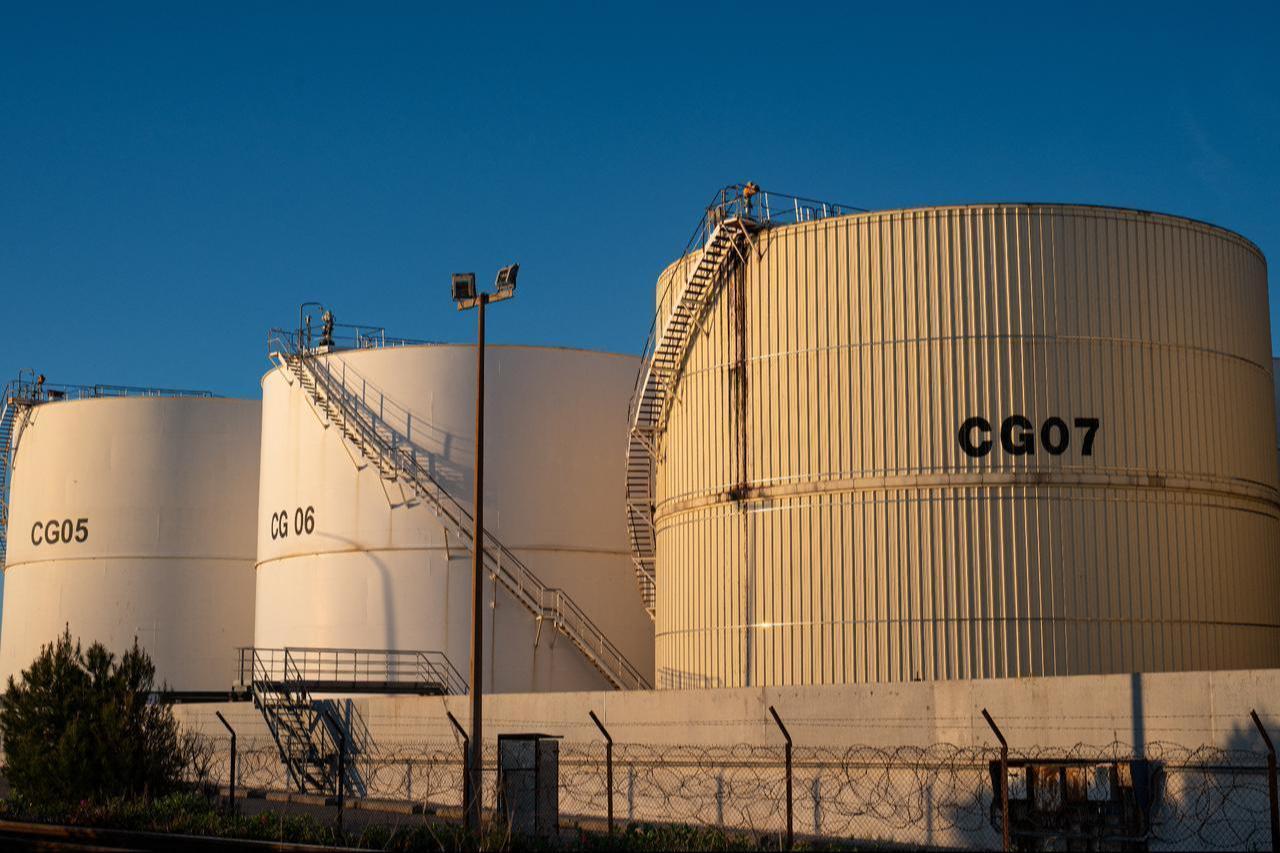
The fact that it isn't points toward the third and most important buffer: inventories. JP Morgan estimated there were roughly 8.4 billion barrels in global stockpiles when the crisis began, well above historical norms. Those reserves have been drawn down at an unprecedented rate, papering over a physical shortage that would otherwise be catastrophically visible. Bloomberg projects accessible stocks will begin running out around September. That is a forecast, you might say, but also a countdown.
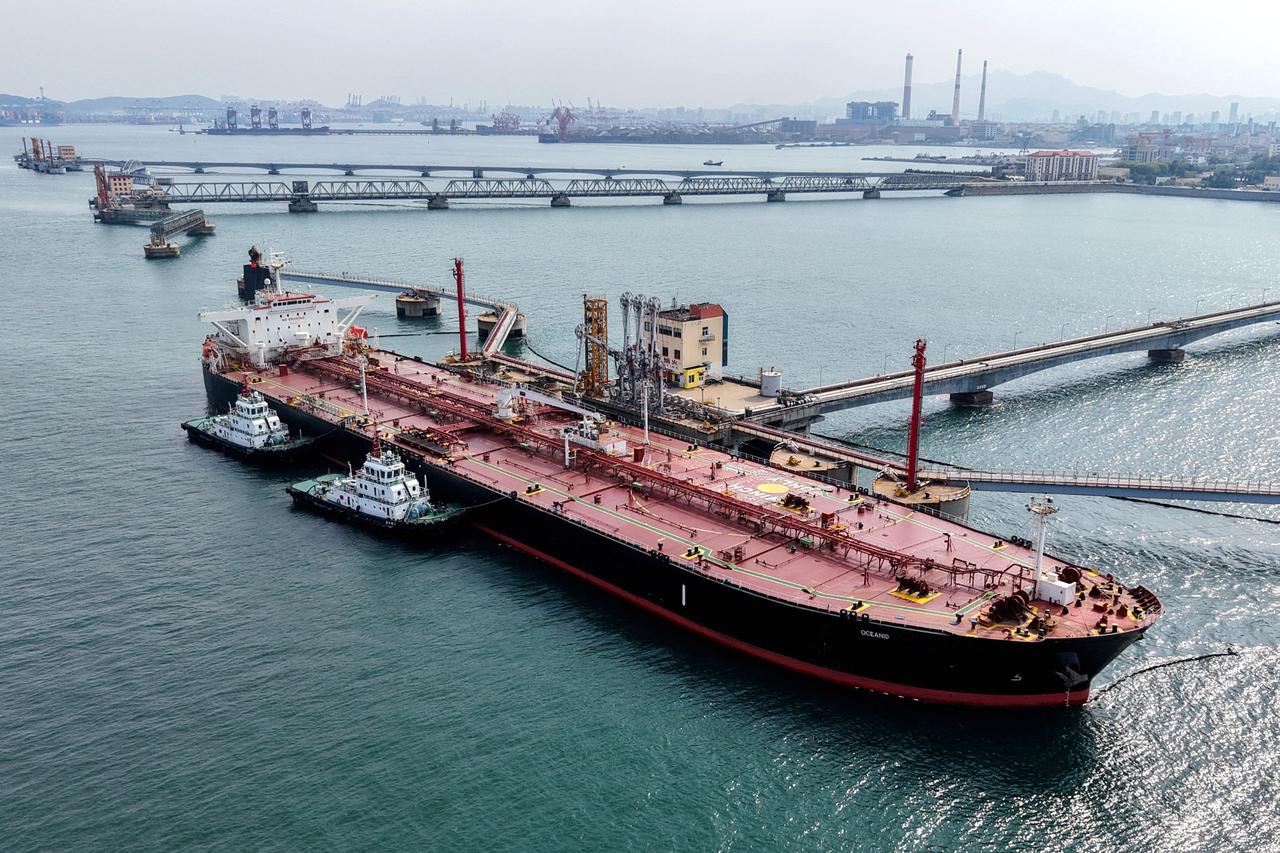
The most analytically interesting buffer, however, is China. Without any announcement to do so, Beijing has slashed its overseas crude imports by roughly a quarter from pre-war levels. According to Vortexa commodity intelligence, China is now importing around 8.2 million barrels per day, down from approximately 12 million before the conflict.
That 3.5-million-barrel-per-day swing almost matches Japan's total oil consumption and is double the volume the UAE's bypass pipeline provides. Chinese state-owned oil companies have even been reselling cargo to European and Asian rivals, suggesting domestic surpluses rather than strain.
What explains it? The IEA, working on preliminary data, puts Chinese oil demand in modest year-on-year contraction — down roughly 110,000 barrels per day in March and April. That is far too small to account for the import drop.
Bloomberg analysis points instead to the petrochemical sector: coal-to-chemicals profit margins have improved markedly since the war began, and plants converting coal into plastics appear to have been running hard for two months, reducing the call on traditional oil-based feedstocks. China also simply stopped building its strategic petroleum reserve—having already accumulated nearly 1.4 billion barrels, it can stop buying without cutting consumption. That alone might explain a third of the import swing. The rest remains, as oil traders put it, speculative.
The fifth explanation—the one most market participants resist because it undermines a decade of consensus—is that the global economy is simply less oil-dependent than anyone thought. The early-2026 assumption was that a Hormuz closure would trigger a pandemic-level collapse in economic activity, because that was the only prior event that produced comparable demand destruction of around 20 million barrels per day. That hasn't happened.
Whether through fuel-switching, efficiency gains, rapid electrification, or sheer behavioral adaptation, the economy bent rather than broke. As Johnston notes, this pattern mirrors both the pandemic and Trump’s tariff shock—two instances where the global economy proved far more resilient than expected.
None of this, of course, offers real relief. Johnston is explicit: the market is currently in a Wile E. Coyote moment, running on thin air above a canyon. The collapse is already visible. The IEA flagged a 2-million-barrel-per-day demand drop in April—a mere fraction of the 13 million to 14 million barrels needed to balance the market without bleeding inventories dry.
If the closure extends—and the New York Times reported that White House advisers were pushing for at least two more months of blockade to force Iranian capitulation—Bloomberg's September inventory exhaustion date starts to look very real.
Trump's verbal interventions have added their own layer of distortion, producing seven or eight episodes since the war began of $10–$20 intraday barrel selloffs on announcements of imminent deals that then evaporate.
Brent above $100 is abnormal, but it isn’t the moon. The defining question for the next three months is which buffer breaks first: global inventories, market patience, or the political will in Washington to grant whatever concession Tehran is actually demanding. None of these offers a comfortable answer. For now, the market has simply declined to ask them too loudly.


 Set as preferred source
 Set as preferred source


 5 min read