Newsletters


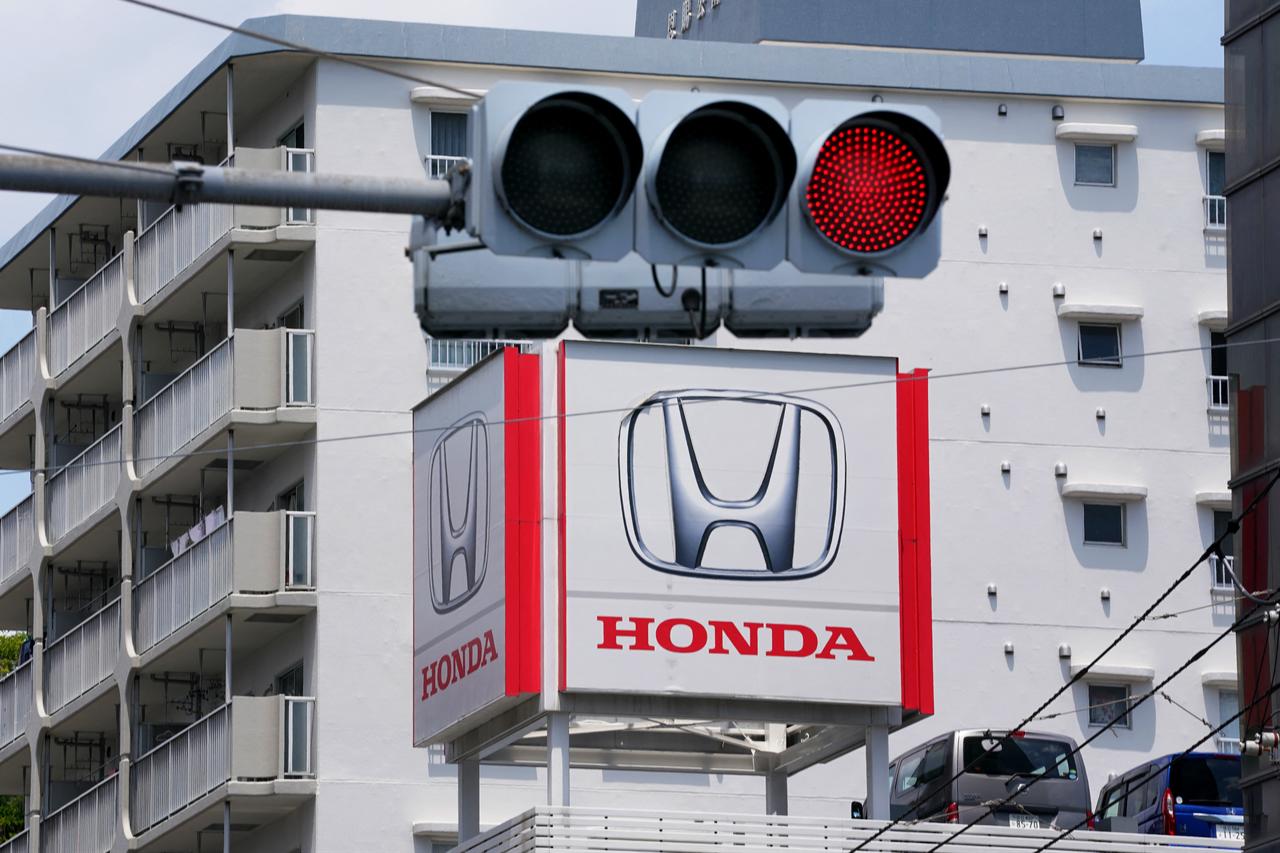


Japanese carmaker Honda reported its first consolidated net loss since 1977, posting a deficit of 423.9 billion yen ($2.7 billion) after restructuring its electric vehicle operations in the United States amid sweeping tariffs and cuts to EV incentives under U.S. President Donald Trump, the company announced Thursday.
Japan’s second-largest automaker after Toyota also recorded an operating loss of 414.3 billion yen for the 2025 fiscal year, also marking its first operating loss since 1957.
Honda announced in March that it would cancel the launch and development of several EV models in the U.S., attributing the move to the Trump administration's protectionist policies and the removal of tax incentives for EV buyers.
The shift resulted in impairment and related charges totaling 2.5 trillion yen, weighing heavily on Honda’s balance sheet as the company also faced declining competitiveness in China and other Asian markets.
Despite the losses, Honda projected a recovery in 2026, forecasting net profit of 260 billion yen and operating income of 500 billion yen.
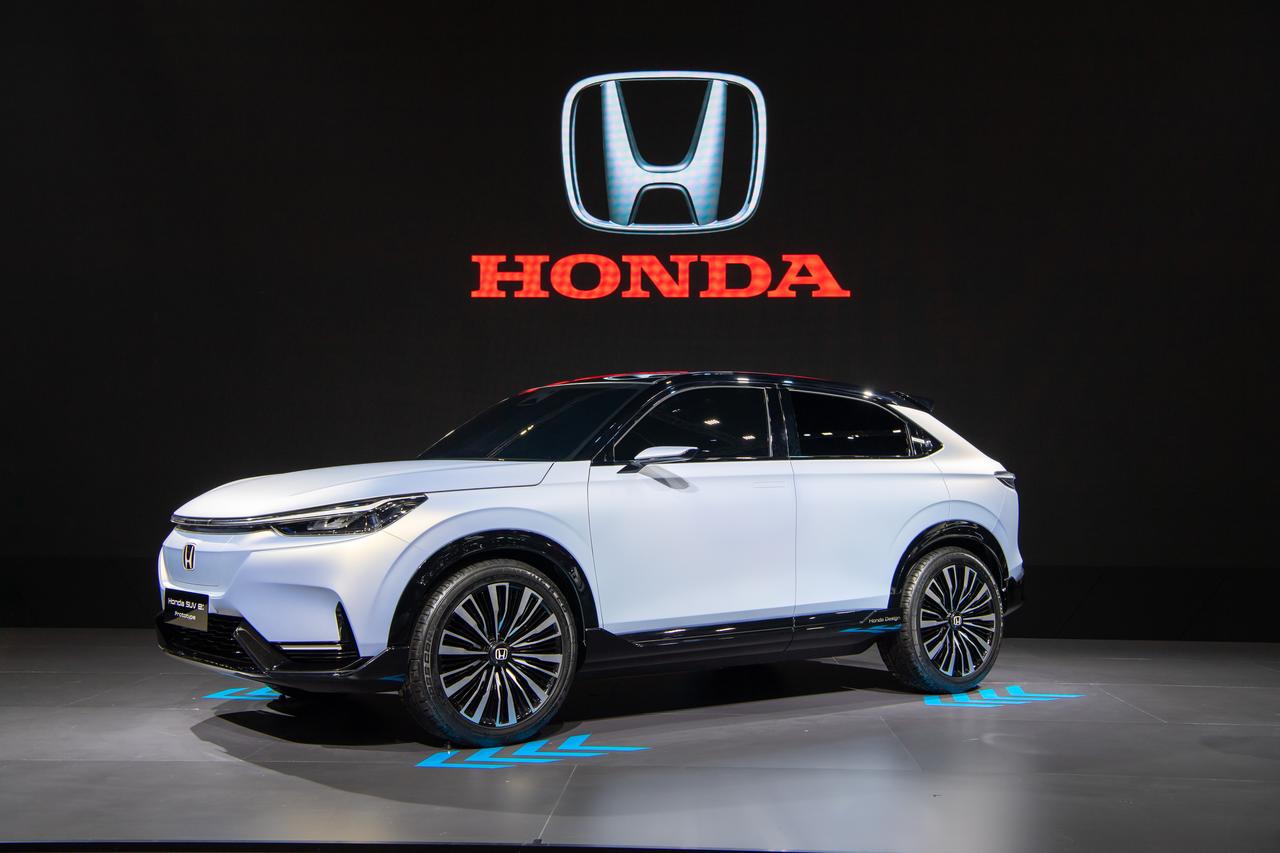

Other Japanese carmakers have also come under pressure from U.S. tariffs, conflict in the Middle East and growing competition from Chinese manufacturers.
Toyota forecast a 22% decline in net income for the current fiscal year despite earning roughly $25 billion last year. Meanwhile, Nissan reported a $3.4 billion net loss for the previous year while projecting a return to profitability.
Japan previously agreed to invest $550 billion in the U.S. by 2029 in exchange for reducing threatened tariffs from 25% to 15%. The agreement remained in place even after the U.S. Supreme Court struck down Trump’s global tariffs in February and a new blanket 10% duty was introduced.


 Set as preferred source
 Set as preferred source


 1 min read

 1 min read