Newsletters


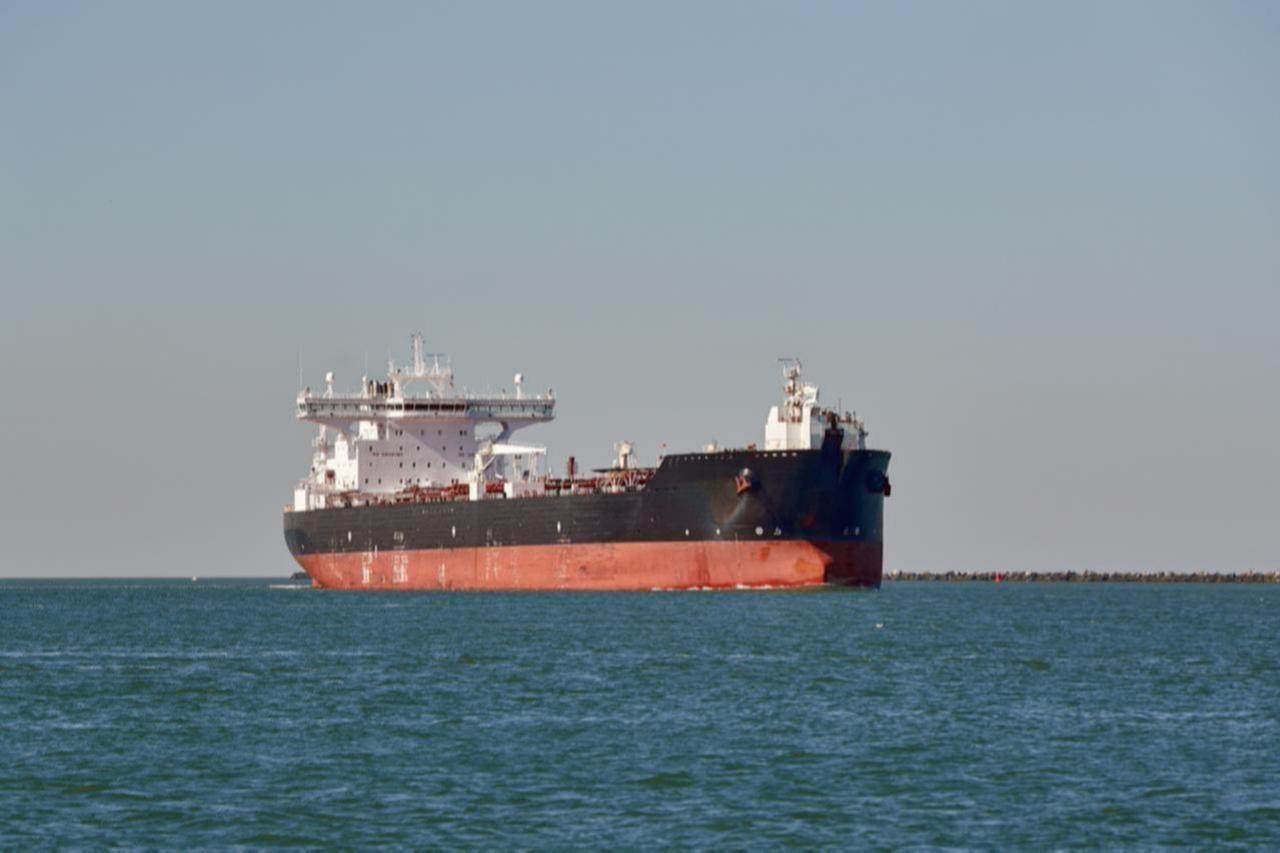


Oil prices fell sharply on Wednesday after reports from Iranian state media pointed to a possible framework agreement between Iran and the United States aimed at winding down tensions and restoring commercial shipping in the Gulf through the Strait of Hormuz.
Both international benchmark Brent and U.S. benchmark WTI fell more than 5% to intraday lows of $94.5 and $88.2 per barrel, respectively, before trimming some losses. European gas futures at the Dutch TTF Hub also mirrored the decline, retreating nearly 5% to €44.9 ($52.3) per megawatt hour.
Iranian state television reported that Tehran had received the draft of an "initial unofficial framework" for a memorandum of understanding with Washington focused on ending the conflict between the two countries. The report added that the framework remained unfinished and that Iran would not move forward without "tangible verification."
Under the reported framework, Iran would restore commercial shipping through the Strait of Hormuz to pre-war levels within one month. In exchange, U.S. forces would pull back from areas near Iran, and the naval blockade on Iranian ports would be lifted.
The proposal excludes military vessels and focuses only on commercial transit through the strategic waterway, according to Iranian state TV. Tehran and Oman would jointly oversee shipping routes and traffic management in the strait if the framework advances.
Iranian media also reported that a final agreement reached within 60 days could later be formalized through a binding United Nations Security Council resolution.
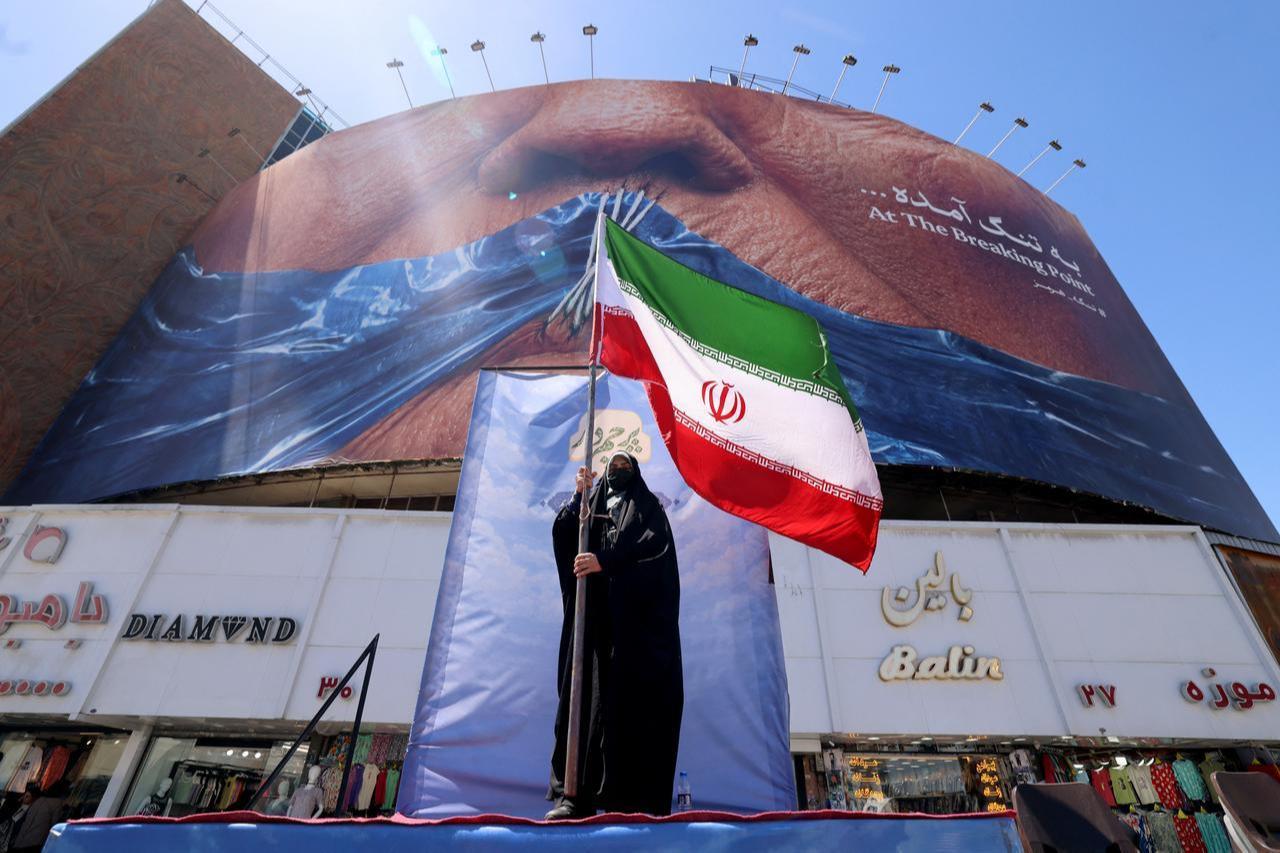

Shipping through the Strait of Hormuz, which normally handles around a fifth of global oil and LNG flow, has come to a near halt since the war began on Feb. 28 after U.S. and Israeli airstrikes hit Iran.
Iran's move to restrict access through the strait rattled global energy markets, with oil and gas prices reaching their highest levels since 2022, when the Ukraine war started.
The elevated energy prices raised inflation and trimmed growth outlooks globally, with the International Energy Agency (IEA) describing the situation as the "biggest-ever energy crisis" in history, as around 13 million barrels of oil per day have been cut from the global oil supply.
Still, Brent crude remains about 34% above its pre-war level, while gas futures at the Dutch TTF Hub are up roughly 45%, according to Bloomberg.


 Set as preferred source
 Set as preferred source


 1 min read
 1 min read