Newsletters




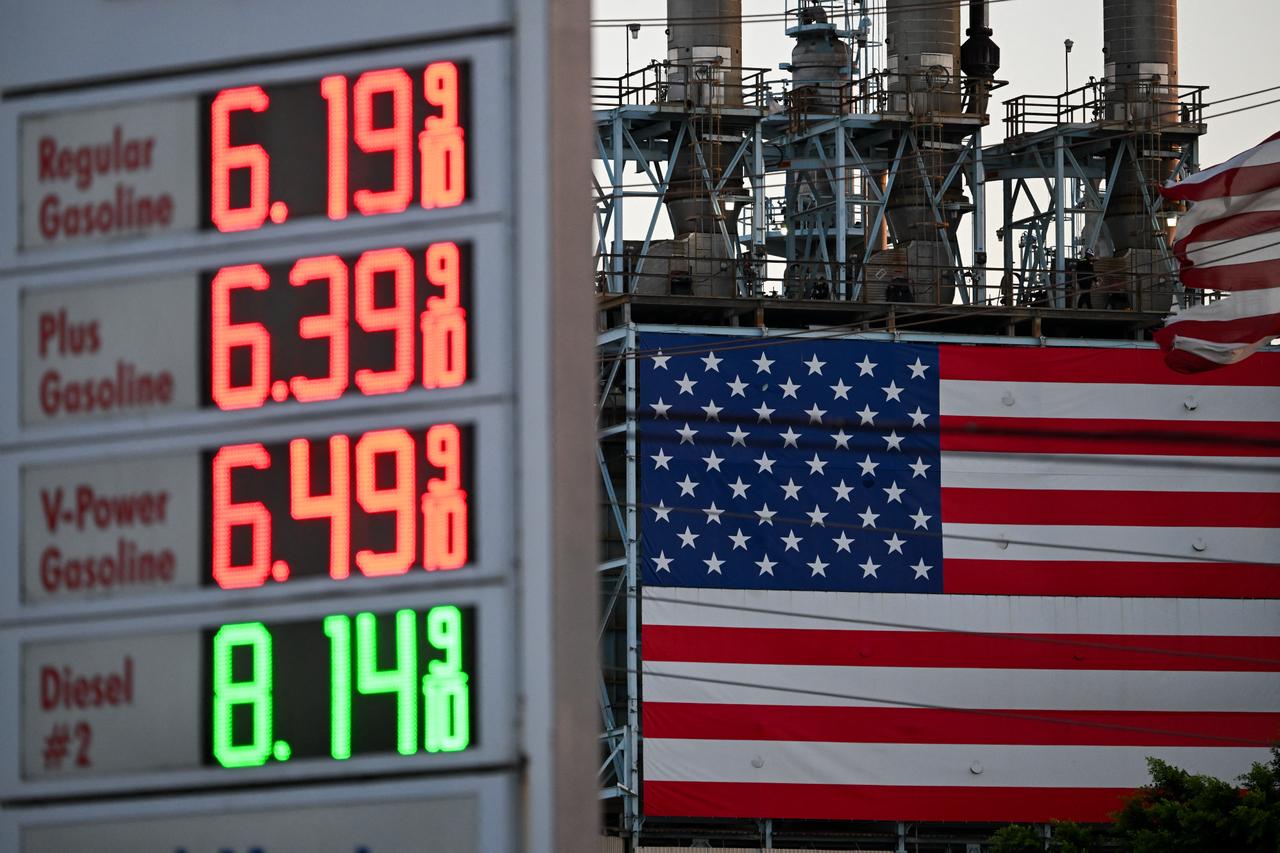
Oil prices edged lower on Wednesday amid ongoing uncertainty surrounding U.S.-Iran negotiations, while global markets weakened further as a continuing bond sell-off fueled inflation concerns.
Both Brent and WTI crude declined by around 1% to $103.1 and $110.1 per barrel, respectively, as of 7:15 a.m GMT.
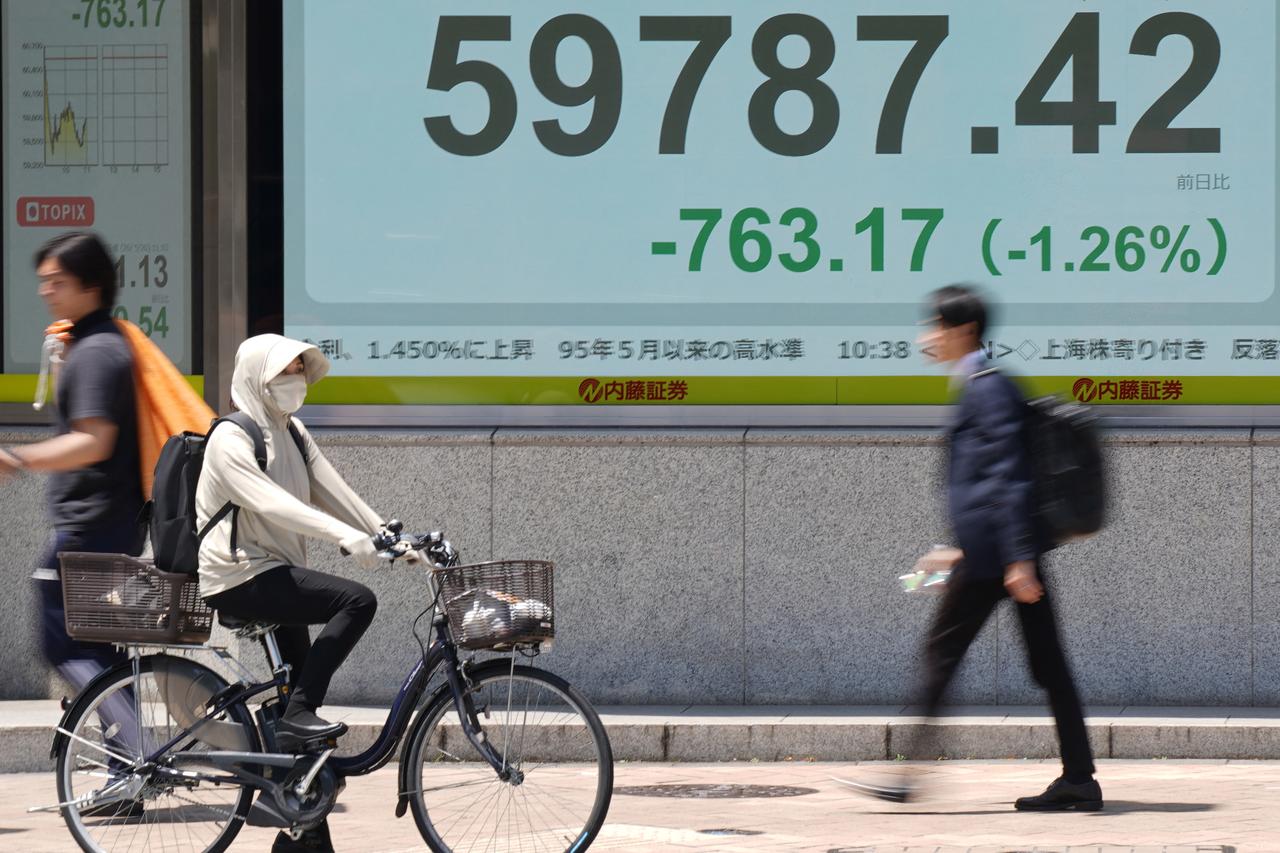
In Asia, Japan’s Nikkei 225 index fell 1.2%, slipping below the 60,000 mark. South Korea’s KOSPI index declined 0.9%, while Hong Kong’s Hang Seng dropped 0.5% and China’s Shanghai Composite lost 0.2%.
Following the opening bell in Europe, the benchmark Stoxx Europe 600 index fell 0.2%, while Germany’s DAX 30 slipped 0.3%, France’s CAC 40 declined 0.3% and Spain’s IBEX 35 edged down 0.1%. UK's Britain’s FTSE 100 lost 0.4%, while Türkiye's BIST 100 opened 0.2% lower before slipping below the 14,000 mark.
Futures tied to major U.S. indexes moved higher after Wall Street closed lower for three consecutive sessions, while the yield on the 30-year U.S. Treasury climbed to levels last seen in 2007, reaching 5.2% amid a broad sell-off driven by inflation concerns and elevated energy prices following the Iran war.
Gold was flat at $4,480, while silver gained 1.7% to $74.9 per ounce, rebounding from recent losses. Palladium rose more than 1% to $1,368, while platinum added 0.4% to $1,920 per ounce.
Bitcoin rose 0.2% to $77,270, while ethereum declined 0.3% to $2,130.

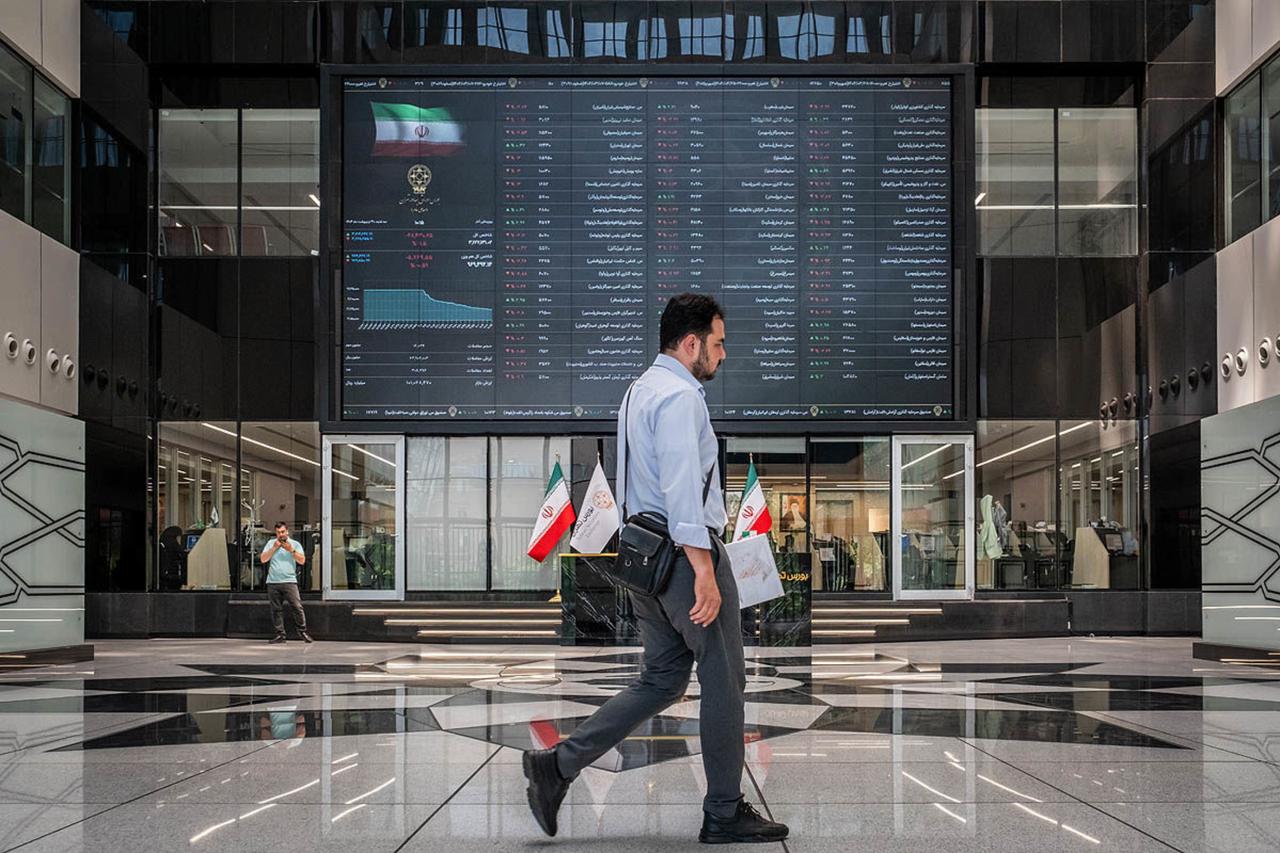
The stalemate surrounding the Iran war continued to weigh on global markets, with elevated oil prices adding to concerns that inflationary pressures could persist longer than expected.
Those worries have pushed expectations for major central banks, particularly the U.S. Federal Reserve, in a more hawkish direction compared with the pre-war period, as policymakers face growing pressure to contain the inflationary impact of rising energy costs.
U.S. President Donald Trump remarked on Tuesday that Washington could still restart airstrikes against Iran despite ongoing diplomatic efforts. Nevertheless, he added that Tehran wants a deal "so badly," while reiterating that the war would end "very quickly."
Meanwhile, Iran’s Islamic Revolutionary Guard Corps warned on Wednesday that renewed attacks by the United States and Israel could expand the conflict beyond the region, threatening "crushing blows" if strikes resume.
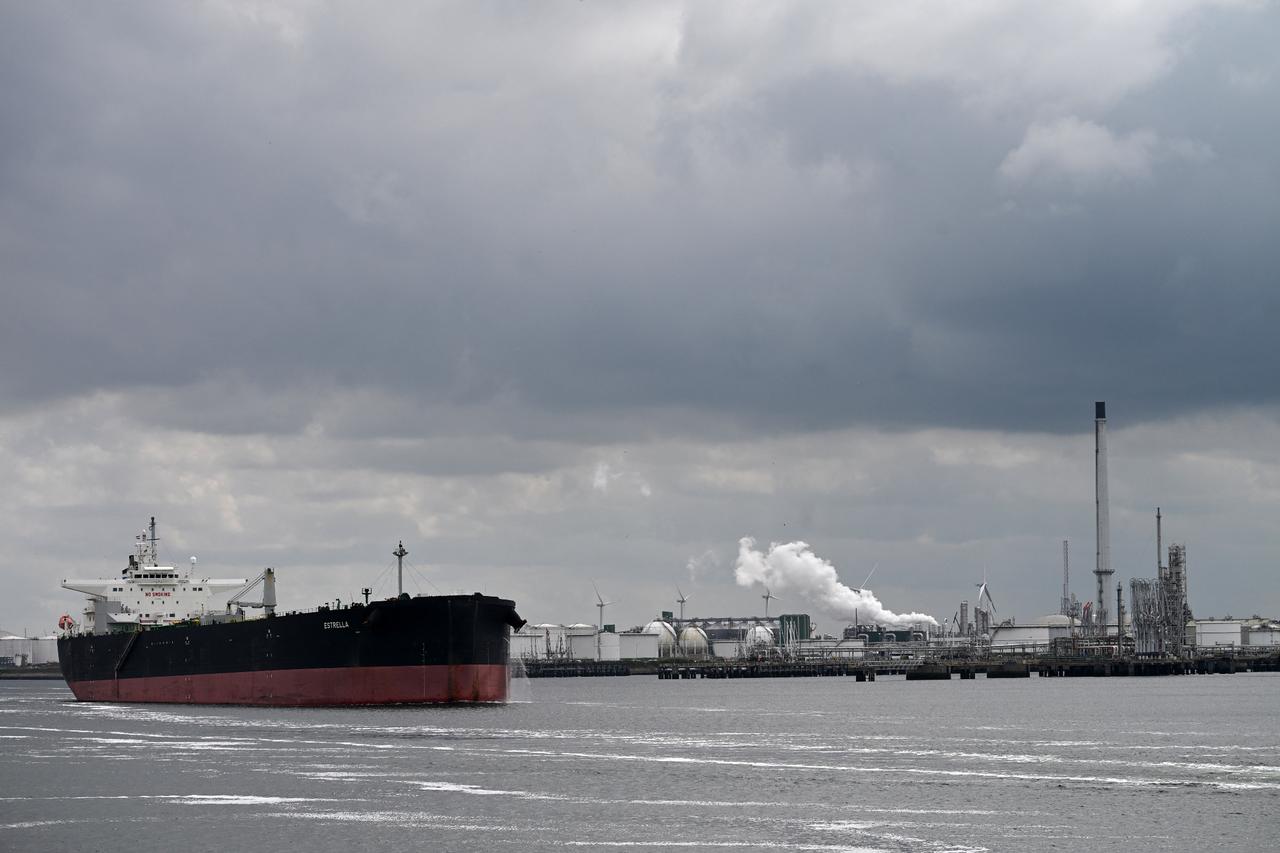
Since the conflict began on Feb. 28, shipping through the Strait of Hormuz, a strategic route that handles roughly 20% of global crude oil flows, has been severely disrupted, weighing on energy markets.


 Set as preferred source
 Set as preferred source


 1 min read
 1 min read