Newsletters


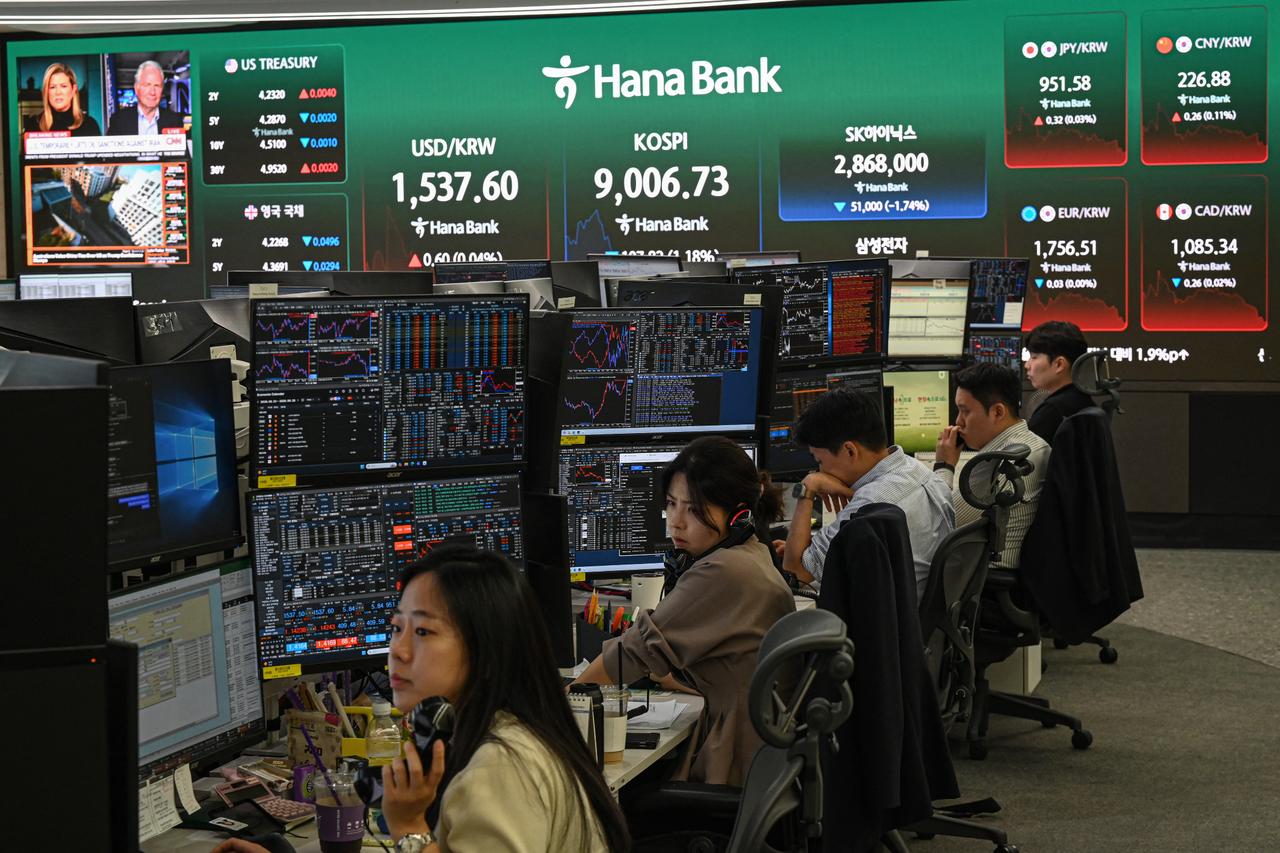


Global stock markets sold off on Tuesday as a stronger U.S. dollar and expectations of prolonged tight monetary policy dented investor sentiment, while oil prices continued to fall despite easing geopolitical tensions in the Middle East.
Asian markets led the downturn. Japan's Nikkei 225 dropped 3.6%, while South Korea's Kospi tumbled 10%, reversing part of this year's technology-driven rally. Oil prices also extended their losses. Brent crude fell 1% to $76.8 per barrel, while U.S. benchmark WTI slipped 1% to $73.
European stock futures traded lower across the board, with EuroStoxx 50, DAX and FTSE futures each down about 1%.
U.S. futures also pointed to a weaker open. S&P 500 futures lost 1%, while Nasdaq futures fell 2%.
Precious metals joined the retreat. Gold dropped 1.8% to $4,110 after climbing above $4,300 last week following the U.S.-Iran agreement. Silver shed 4.2% to $62.3 per ounce, while palladium and platinum fell roughly 3% to $1,230 and $1,620, respectively.
Cryptocurrencies came under pressure as well. Bitcoin slipped 1.9% to $62,840 and ethereum declined 2.6% to $1,690.
The latest sell-off followed a mixed finish on Wall Street on Monday. The Dow Jones Industrial Average added 0.3%, while the S&P 500 fell 0.4% and the Nasdaq Composite declined 1.3%. The CBOE Volatility Index, commonly known as Wall Street's "fear index," climbed 5.4% to 17.3.
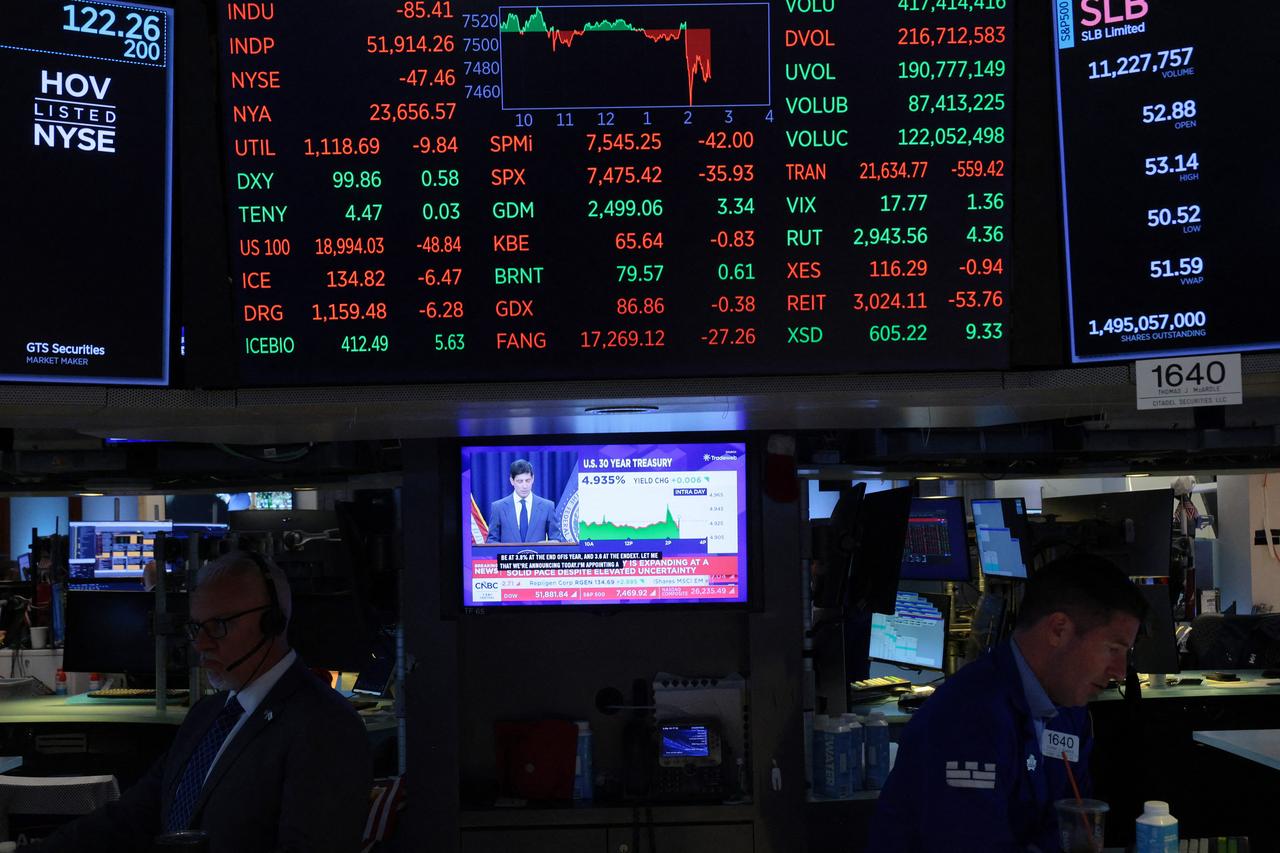

Investors continued to assess the U.S. Federal Reserve's latest policy meeting, where policymakers left interest rates unchanged at 3.5%-3.75% and signaled that borrowing costs could remain elevated for longer amid a higher inflation outlook.
The U.S. Dollar Index climbed above 101 for the first time since March 2025 as demand for dollar liquidity increased ahead of potential funding pressures.
At the same time, diplomatic efforts between Washington and Tehran continued to move forward.
Qatar and Pakistan announced that U.S. and Iranian officials had agreed on a roadmap aimed at reaching a final agreement within 60 days as talks continue to reduce tensions in the Middle East.
Adding to the pressure on oil prices, U.S. Treasury Secretary Scott Bessent announced a 60-day temporary general license allowing the production, delivery and sale of Iranian oil, raising expectations of additional supply in global markets.


 Set as preferred source
 Set as preferred source


 1 min read
 1 min read