Newsletters


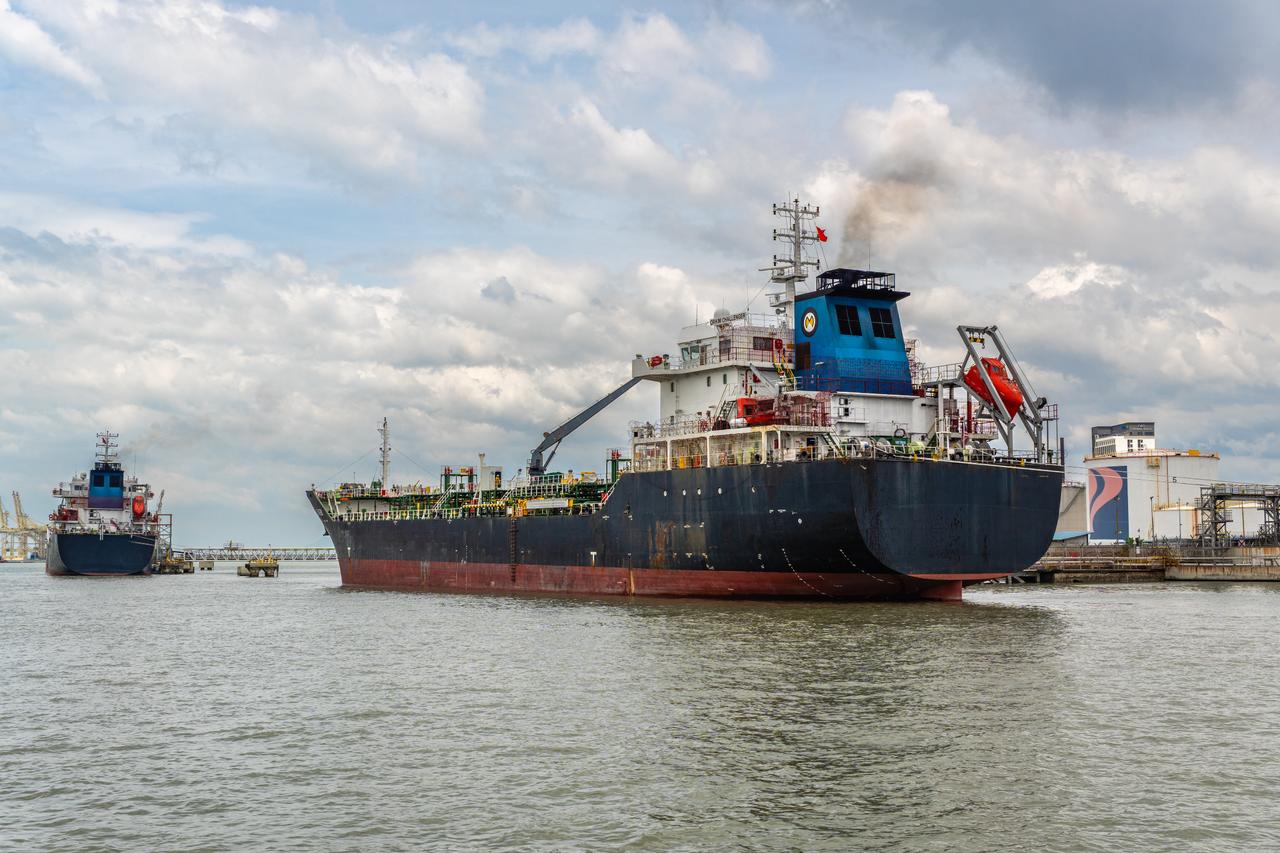


Oil prices moved higher Monday as uncertainty surrounding negotiations between the United States and Iran continued to weigh on markets, while fresh military exchanges between the two sides cast doubt on prospects for a diplomatic breakthrough.
International benchmark Brent crude rose more than 2% to $93.9 per barrel, while U.S. benchmark West Texas Intermediate (WTI) climbed above 2% to $90.1 per barrel as of 7:20 a.m. GMT.
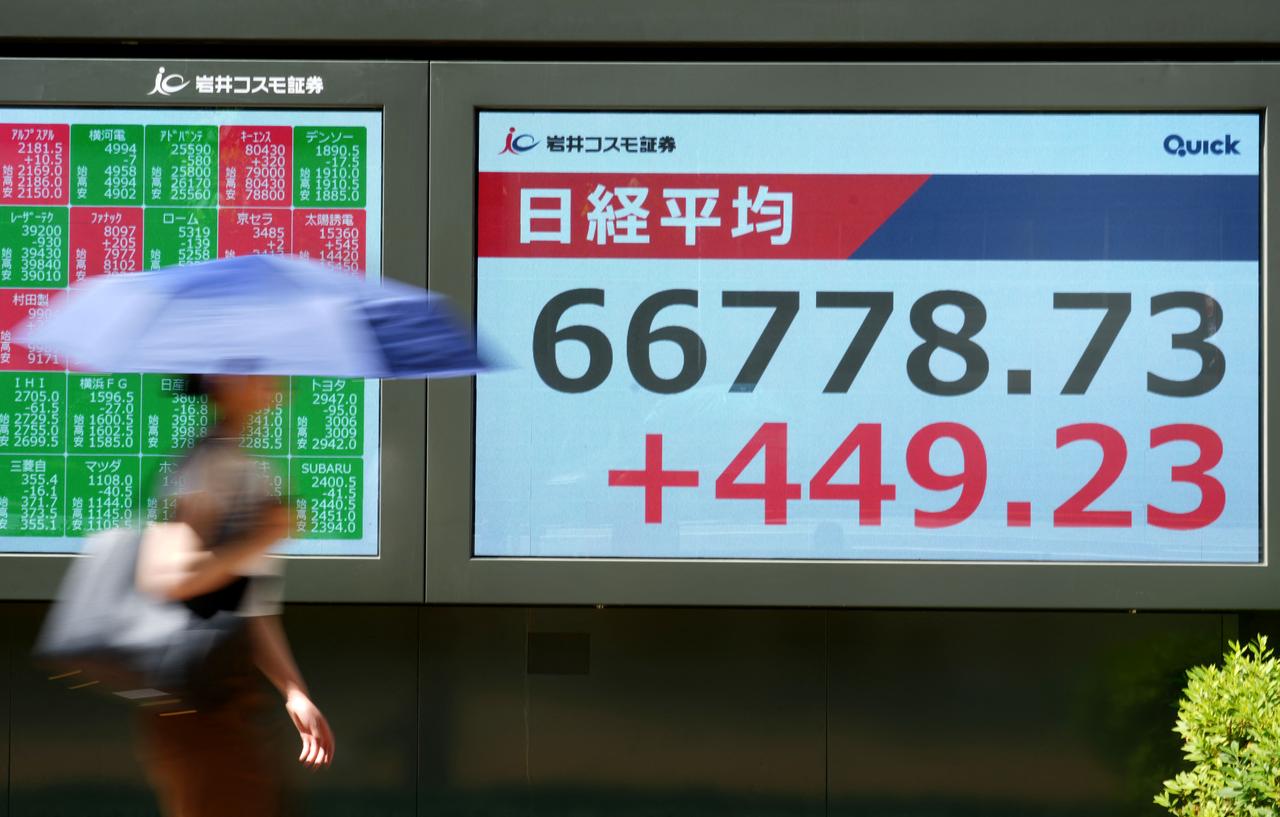
However, Asia's major tech-focused markets kept their record-breaking momentum going, with Japan's Nikkei 225 and South Korea's Kospi rising 0.9% and 3.7%, respectively, as optimism around artificial intelligence helped ease concerns over the U.S.-Iran talks.
Hong Kong's Hang Seng added 0.9%, but China's Shanghai Composite slipped 0.3%.
European markets lacked a clear direction. The pan-European Stoxx 600 edged down 0.2%, while Germany's DAX and France's CAC 40 each rose 0.1%. Spain's IBEX lost 0.2%, Britain's FTSE 100 fell 0.3%, and Türkiye's BIST 100 moved up 0.4%.
In the United States, futures linked to all three major indexes traded higher, led by a 0.4% gain in Nasdaq futures.
Gold dropped 0.8% to $4,500 per ounce, while silver added 0.5% to $75.7. Palladium and platinum each gained about 1%, reaching $1,360 and $1,920 per ounce, respectively. Bitcoin fell 1% to $72,850, while ethereum shed 2% to $1,980.

Efforts to reach a settlement faced fresh challenges as Washington and Tehran exchanged new messages while military tensions remained elevated.
Iranian Parliament Speaker and chief negotiator Mohammad Bagher Ghalibaf said Sunday that Tehran would not approve any agreement unless the rights of the Iranian people were fully guaranteed.
"We will not approve any agreement until the rights of the Iranian people are secured," Ghalibaf said, while also accusing Iran's opponents of trying to undermine national unity through economic pressure and media campaigns.
On the U.S. side, President Donald Trump reiterated that any future agreement must prevent Iran from obtaining a nuclear weapon. He later wrote on Truth Social that Iran "really wants to make a deal" and expressed confidence that negotiations would eventually produce a favorable outcome.
Fresh military exchanges further complicatedthe diplomatic backdrop. The U.S. military carried out "self-defense strikes" against Iranian radar and drone facilities, while Iran's Islamic Revolutionary Guard Corps (IRGC) claimed it responded by targeting a U.S. air base in Kuwait after a communications tower on Sirik Island in Hormozgan province was hit.
Despite continued contacts between the two sides, major sticking points remain, including Iran's nuclear program, sanctions relief and the future of shipping through the Strait of Hormuz. This strategic waterway normally handles about one-fifth of global crude shipments.


 Set as preferred source
 Set as preferred source


 1 min read
 1 min read