Newsletters


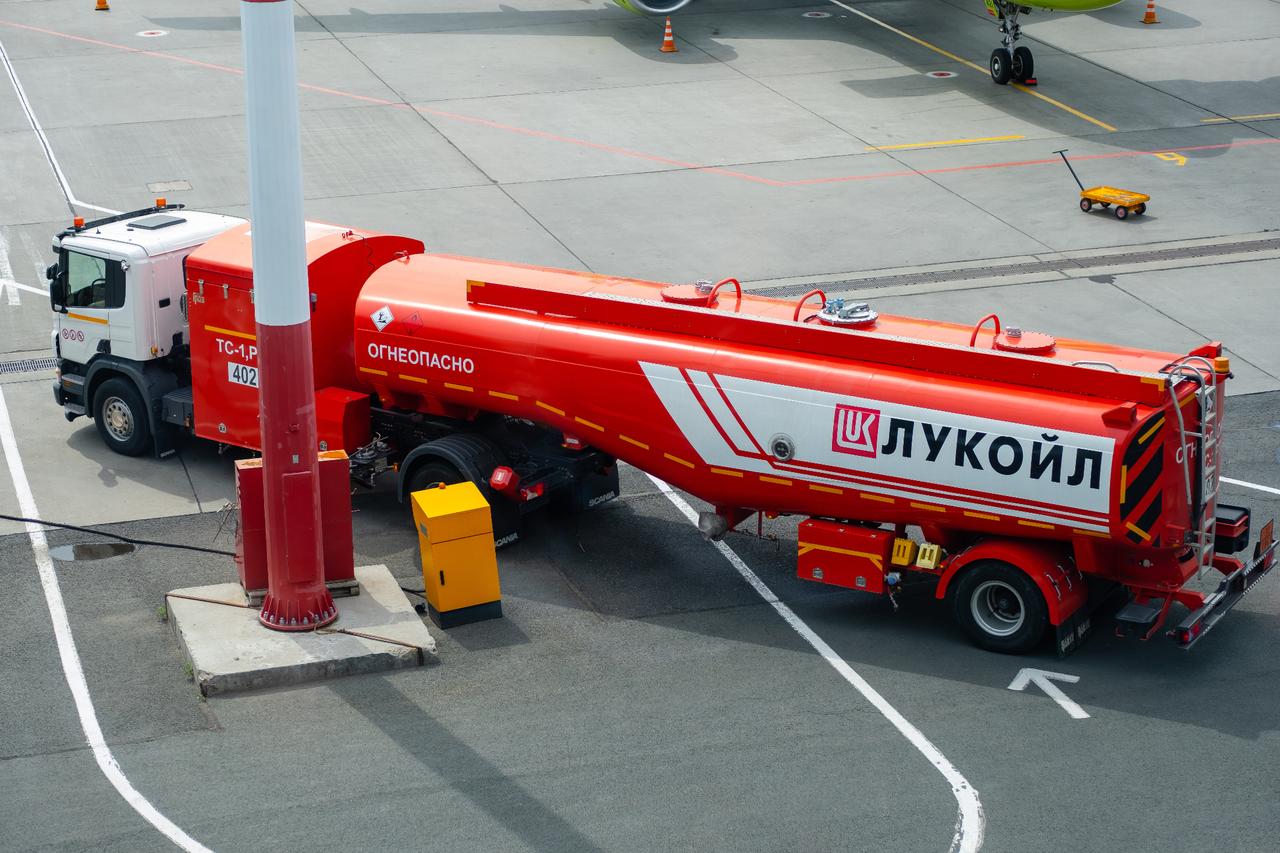


Russia has banned aviation fuel exports until Nov. 30 as Ukrainian drone attacks continue to weigh on the country's refining sector and tighten pressure on domestic fuel supplies.
The Russian government announced Monday that exports of aviation fuel, or jet fuel, will be suspended for five months in a move designed to stabilize the domestic fuel market. Supplies delivered under intergovernmental agreements are exempt from the restrictions.
"The purpose of the decision is to ensure a stable situation in the domestic fuel market," the government said in a statement.
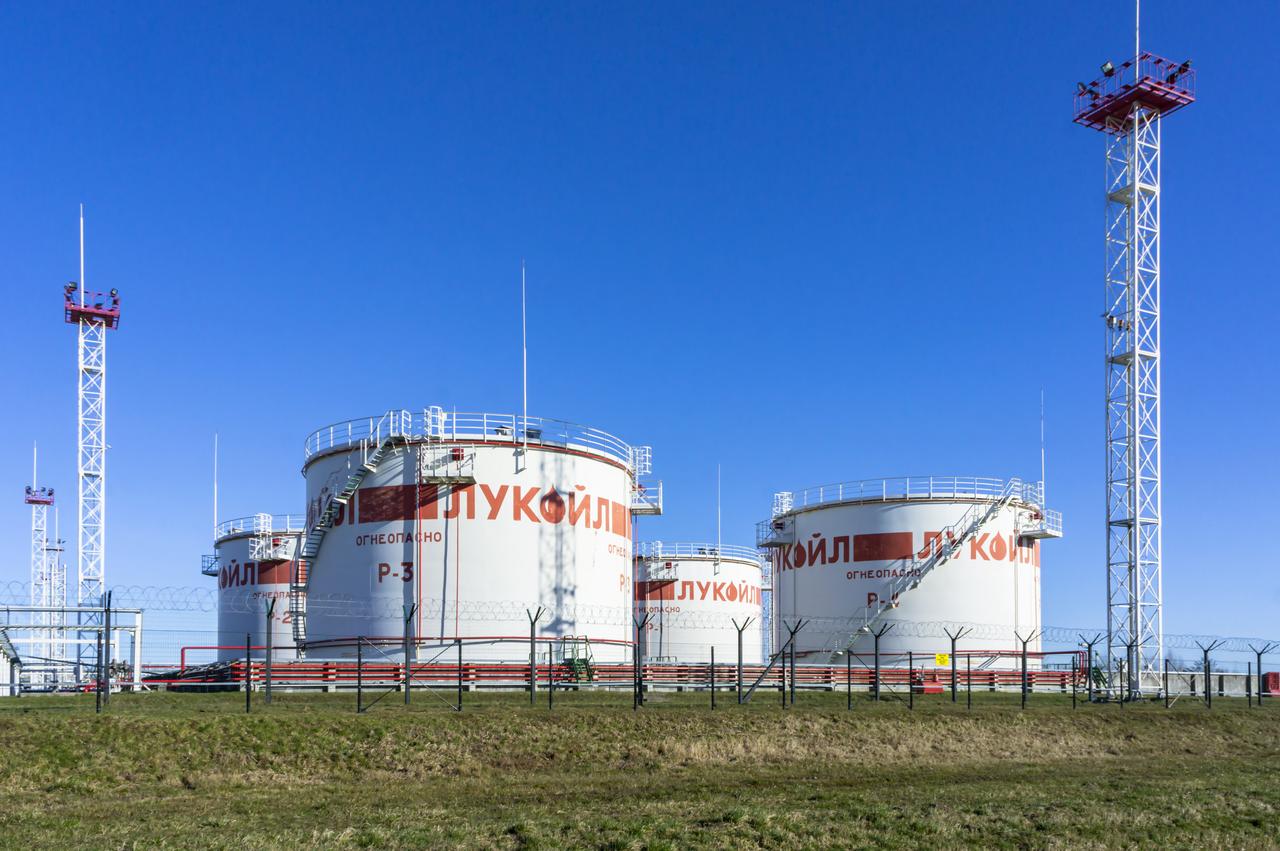
The export ban comes as Russia's refining industry struggles with the fallout from a series of Ukrainian long-range drone strikes targeting oil-processing facilities across the country.
Major refineries in Ryazan, Moscow, Kirishi and Nizhny Novgorod have been hit in recent weeks. Together, the affected facilities account for a substantial share of Russia's diesel and gasoline production.
The damage has prompted emergency discussions between Deputy Prime Minister Alexander Novak and leading oil companies as authorities assess additional measures to protect domestic fuel availability.
Russia has already prohibited gasoline exports since April 1. The restriction is scheduled to remain in place at least through the end of July.
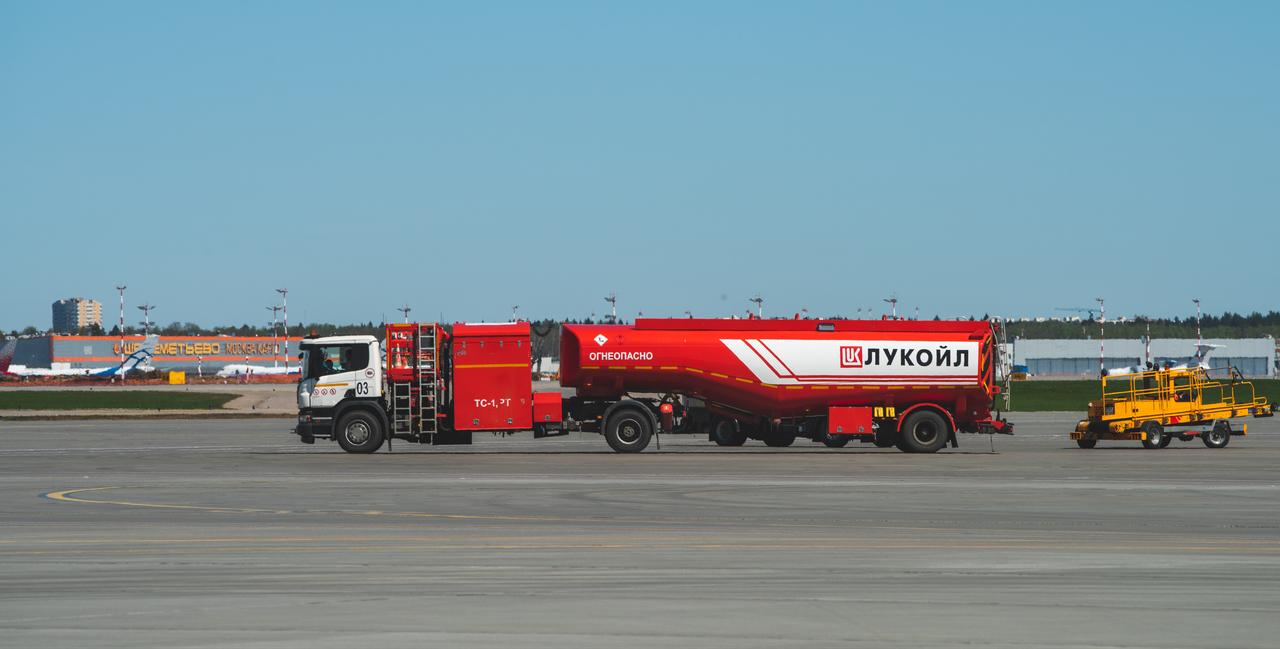

Moscow has periodically imposed export curbs on fuel products to prevent shortages and maintain stability in the domestic market. While authorities previously relied on fuel reserves to offset localized supply disruptions, continued damage to refining infrastructure has increased pressure on the sector.
Repair work at affected facilities could take months because sanctions have limited access to specialized foreign equipment needed for refinery operations.
Analysts estimate that Russia's average refinery throughput fell to 4.69 million barrels per day in April, marking the lowest level in more than 16 years.
The disruptions also pose a challenge for government finances, as oil and gas revenues account for roughly a quarter of Russia's state budget income. Seasonal fuel demand typically rises during the holiday period, adding to the pressure.
Russia's move also comes amid a broader tightening of global jet fuel markets following the Iran conflict, as the war disrupted fuel flows through the Strait of Hormuz, a critical shipping route that typically handles about a quarter of the world's jet fuel trade.
At the peak of the conflict, European jet fuel prices climbed above $200 per barrel, while inventories in both Europe and Asia continued to decline. The supply squeeze has increased costs for airlines worldwide and raised concerns over fuel availability ahead of the peak summer travel season, prompting governments and industry participants to monitor stock levels closely and secure additional imports.
The International Energy Agency (IEA) has warned that Europe remains vulnerable to further disruptions after Middle Eastern jet fuel shipments to the region fell from about 330,000 barrels per day in March to 60,000 barrels per day in April. While cargoes from the U.S, India and Africa have helped offset some of the shortfall, the agency cautioned that prolonged supply disruptions could tighten markets further and place additional pressure on airline operating costs.
Russia's export ban could add to those concerns by removing another source of jet fuel from international markets. Although Russian aviation fuel exports account for a relatively small share of global trade compared with Gulf suppliers, the restrictions may further limit available spot cargoes and complicate efforts by import-dependent regions, particularly Europe, to rebuild inventories during the busy summer travel season.


 Set as preferred source
 Set as preferred source


 1 min read
 1 min read