Newsletters


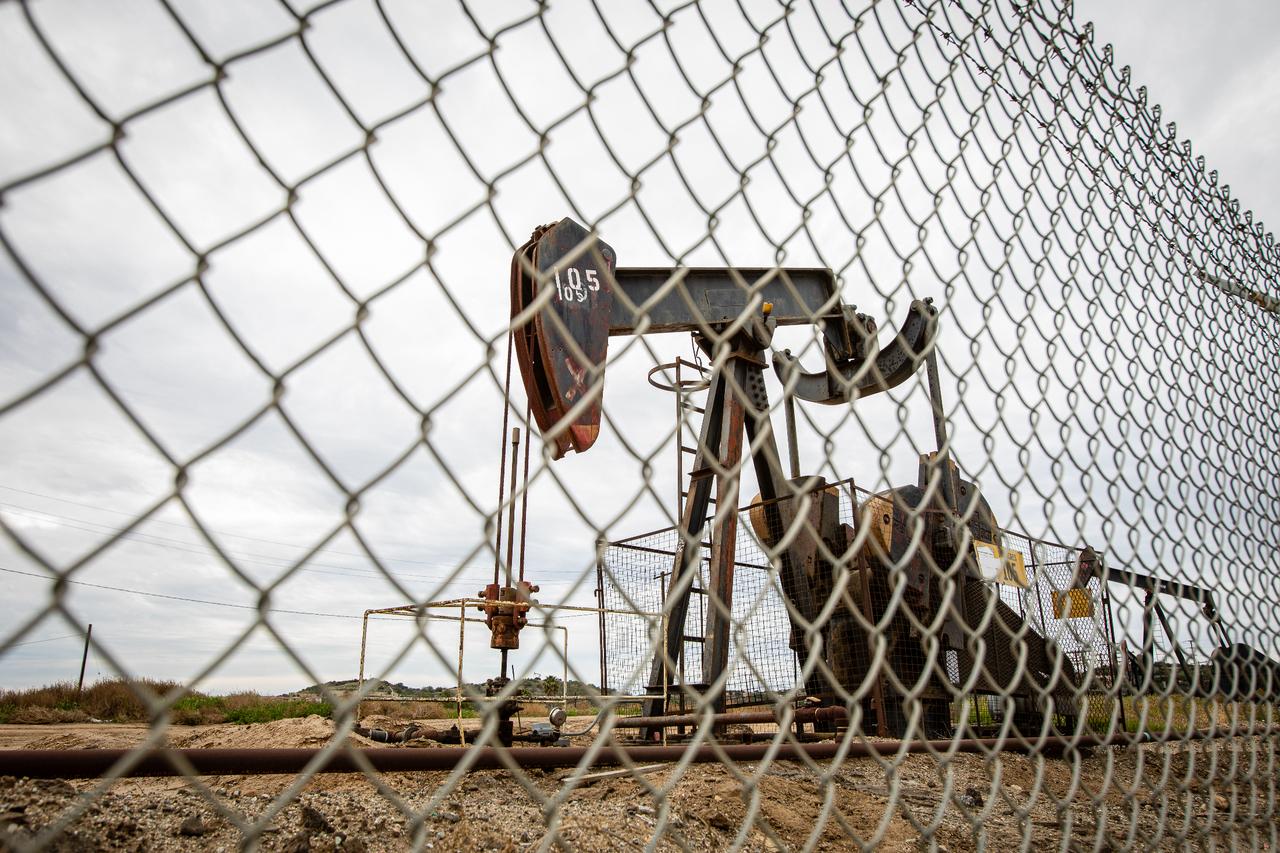


Eight key OPEC+ producers agreed Sunday to lift April output by 206,000 barrels per day (bpd), beating forecasts of 137,000 bpd as supply worries build after U.S., Israeli and Iranian clashes.
The move, agreed at a monthly meeting of Saudi Arabia, Russia, Iraq, the United Arab Emirates, Kuwait, Kazakhstan, Algeria and Oman, made no direct reference to the recent escalation in the Strait of Hormuz, a corridor that handles about 20% of the global oil supply.
Even with the increase, OPEC+ curbs remain substantial. As of March 2025, total reductions stand at 5.85 million bpd, equal to roughly 5.7% of global demand.
The figure combines a 2 million bpd cut announced in October 2022, a voluntary 1.65 million bpd reduction unveiled in April 2023, and an additional 2.2 million bpd cut introduced in November 2023.
Producers gradually restored 2.2 million bpd between April and September last year. From October 2025, they started phasing out the 1.65 million bpd voluntary cuts.
The alliance last increased output in December 2025, then paused further hikes from January through March due to seasonal factors. The next meeting is set for April 5.
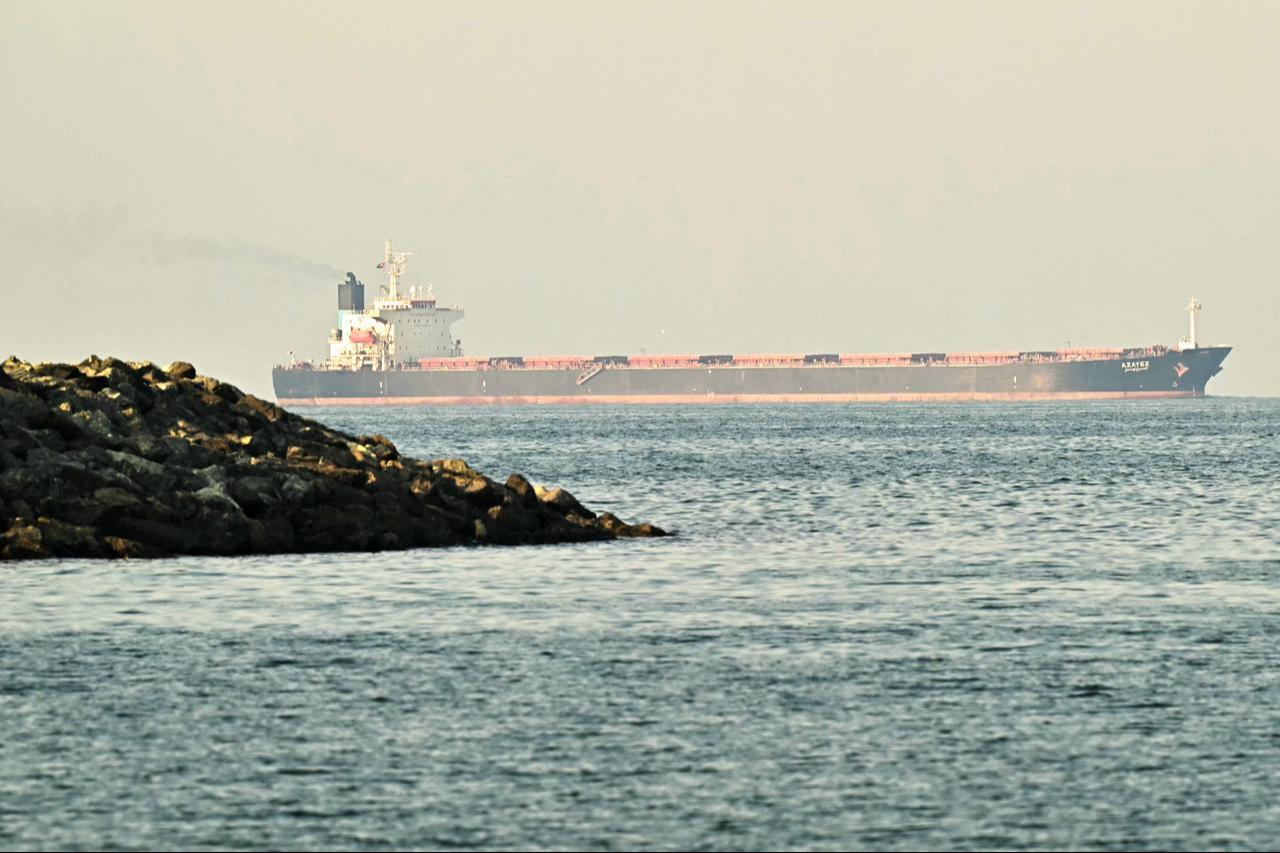

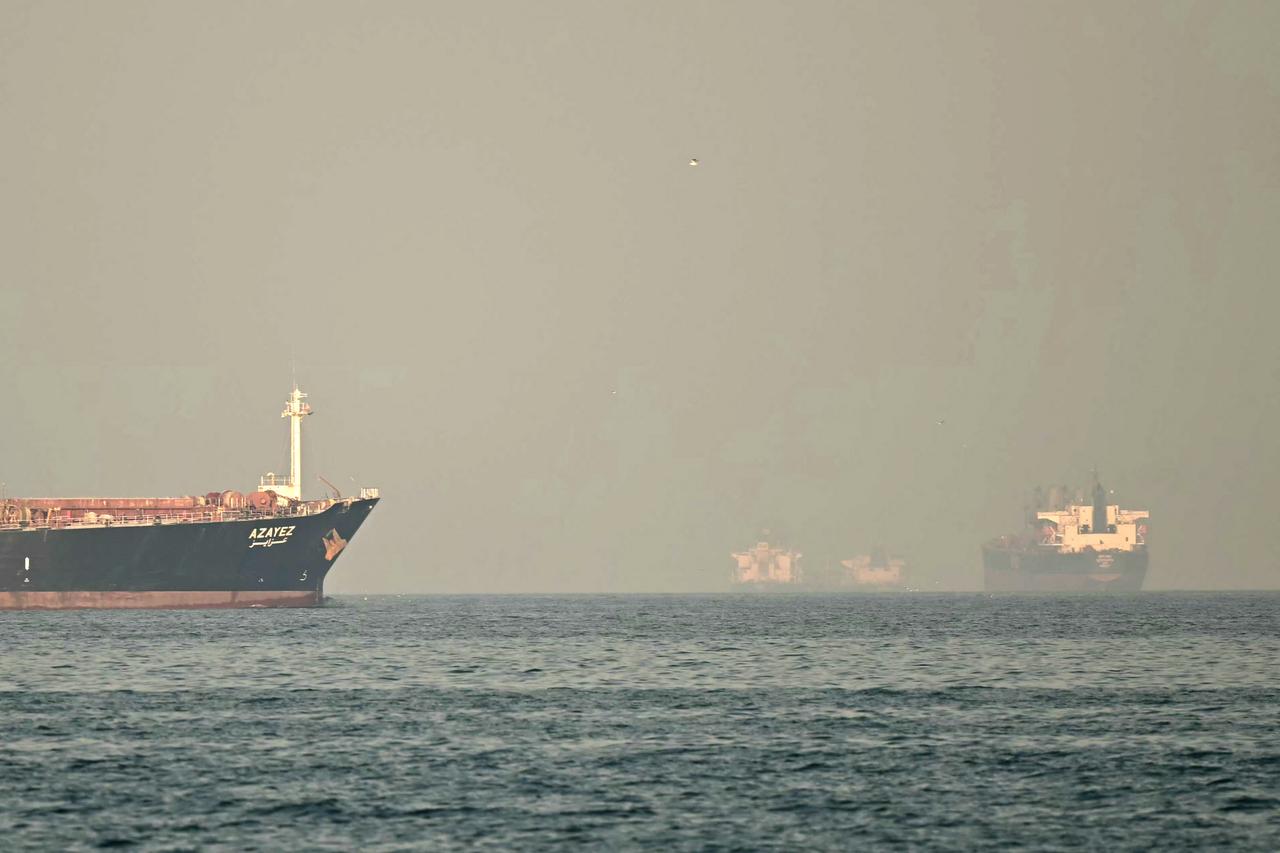
Commercial traffic through the Strait of Hormuz slowed sharply as security risks escalated, with several vessels delaying transit and others waiting outside the waterway.
Shipping companies are said to reassess routes, while insurers review war-risk coverage for tankers operating in and around the Gulf.
The strait links the Gulf to the Gulf of Oman and the Arabian Sea and serves as a key export route for crude, meaning any disruption can quickly affect shipments to Asia, Europe and North America.
Iran’s Revolutionary Guards contacted vessels to say the strait was closed. State television reported that a tanker attempting to pass "illegally" was hit and sinking, airing footage of a vessel ablaze at sea.
Several Gulf members of the eight-country group, including Saudi Arabia, the United Arab Emirates, Kuwait, and Oman, faced Iranian attacks for a second straight day, adding further strain to energy markets already on edge.


 Set as preferred source
 Set as preferred source


 1 min read
 1 min read