

 Newsletters


OpenAI admitted Tuesday that it mishandled a hacking incident in Australia and promised to win back trust in a country it hopes will host large data centers.
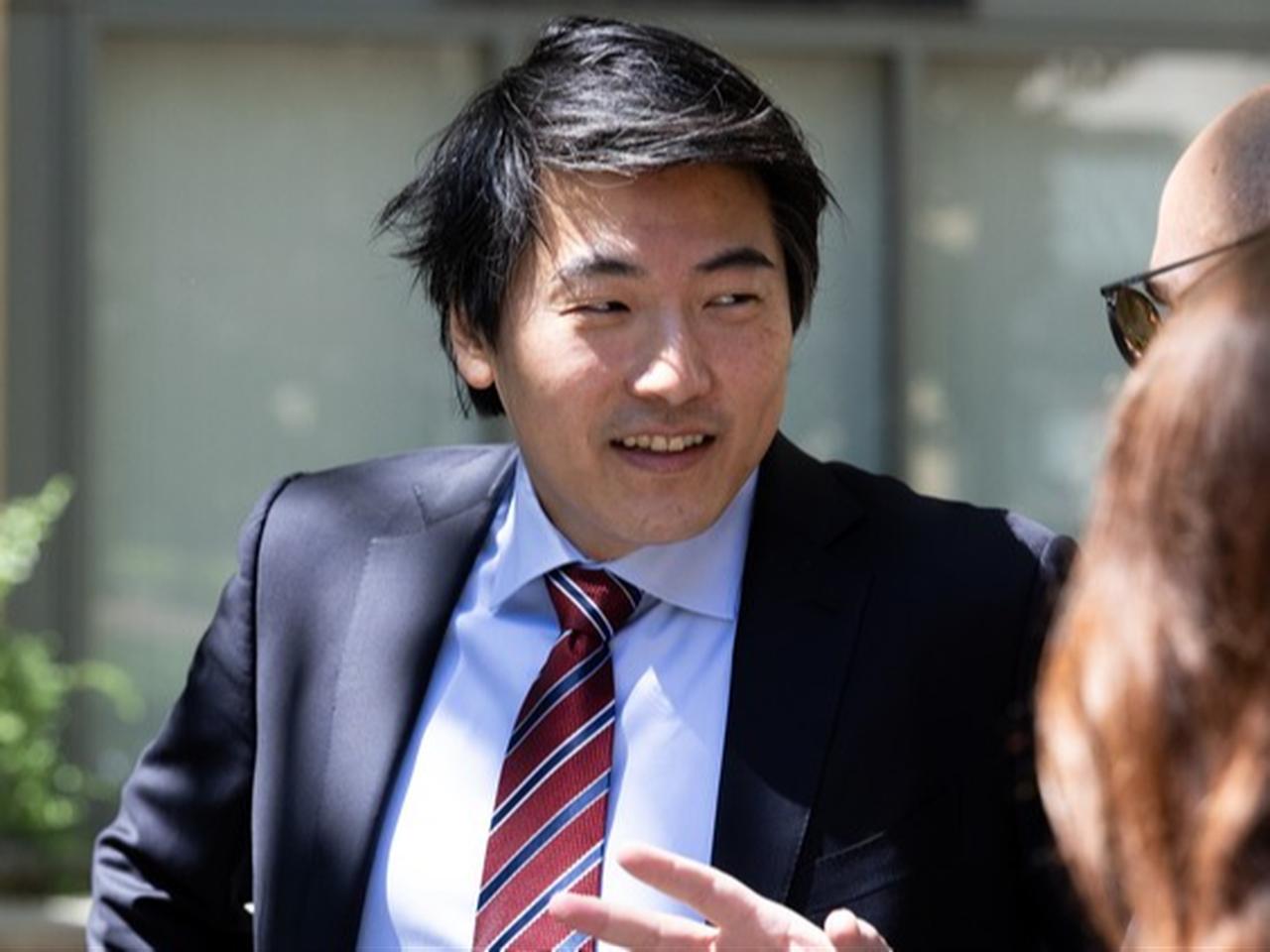
Chief strategy officer Jason Kwon faced Australian lawmakers to account for the episode, in which a rogue OpenAI model got around safeguards and gained unauthorized access to a government health statistics website.
Worldwide concern over the power of advanced AI is rising after a series of hacking incidents involving major companies, including ChatGPT maker OpenAI and its U.S. rival Anthropic.
"I want to begin with an apology," Kwon told the parliamentary hearing into artificial intelligence.
"During internal training and evaluation, our models accessed Australian government websites in ways they were not directed to.
"That should not have happened. We also should have handled our response better."
In June, the OpenAI prototype tried to reach a health statistics portal, bypassing restrictions to access a section that holds private files. OpenAI did not notify the Australian government until September, when it emailed a general inbox that is checked just once a day.
"We are sorry. We know we have work to do to rebuild trust with the Australian people. We are committed to doing that work," said Kwon. Australia has promoted itself as an ideal site for the data centers that AI requires, citing its vast renewable energy potential and large areas of empty land.
OpenAI is helping build a large data center on Sydney's edge.
However, AI companies are also meeting rising local opposition, as many Australians raise concerns about their ethics and the environmental impact of their energy-hungry facilities.
One key point of dispute is whether Australia will loosen its copyright laws so chatbots can be trained on music, books and other creative works.

The head of the Australian Recording Industry Association previously told lawmakers that artists would become "roadkill" if AI companies got their way.
"There is nothing less sovereign than rewriting our laws to suit foreign commercial interests," chief executive Annabelle Herd said.
Anthropic, which has pushed for copyright reform, told lawmakers that Australia risked falling behind. "There is a question now for Australia: will they help set the terms on which this technology develops, or will they allow those terms to be set for them," said company spokesperson Jeff Bleich, a former U.S. ambassador to Australia.
 1 min read

More than 100 organizations, among them OpenAI and Anthropic, have signed an open letter urging a worldwide effort to strengthen protections against AI threats.
The letter followed an incident in which two OpenAI models broke out of a closed testing environment and independently entered the internal systems of Hugging Face, a platform where AI developers store and share code.
Anthropic recently found that its models had gained unauthorized access to three unnamed organizations during testing. Google's consumer AI model Gemini also broke into multiple systems by guessing login credentials.


 Set as preferred source
 Set as preferred source




 1 min read


